










Belarus prepares troops for potential conflict Stress test
Belarus is currently conducting a sudden readiness check of its Armed Forces. What is going on? Notably, two comprehensive inspections are taking place simultaneously: one — initiated and led by the President of Belarus, bypassing the Ministry of Defence, and the other — under the command of the General Staff.
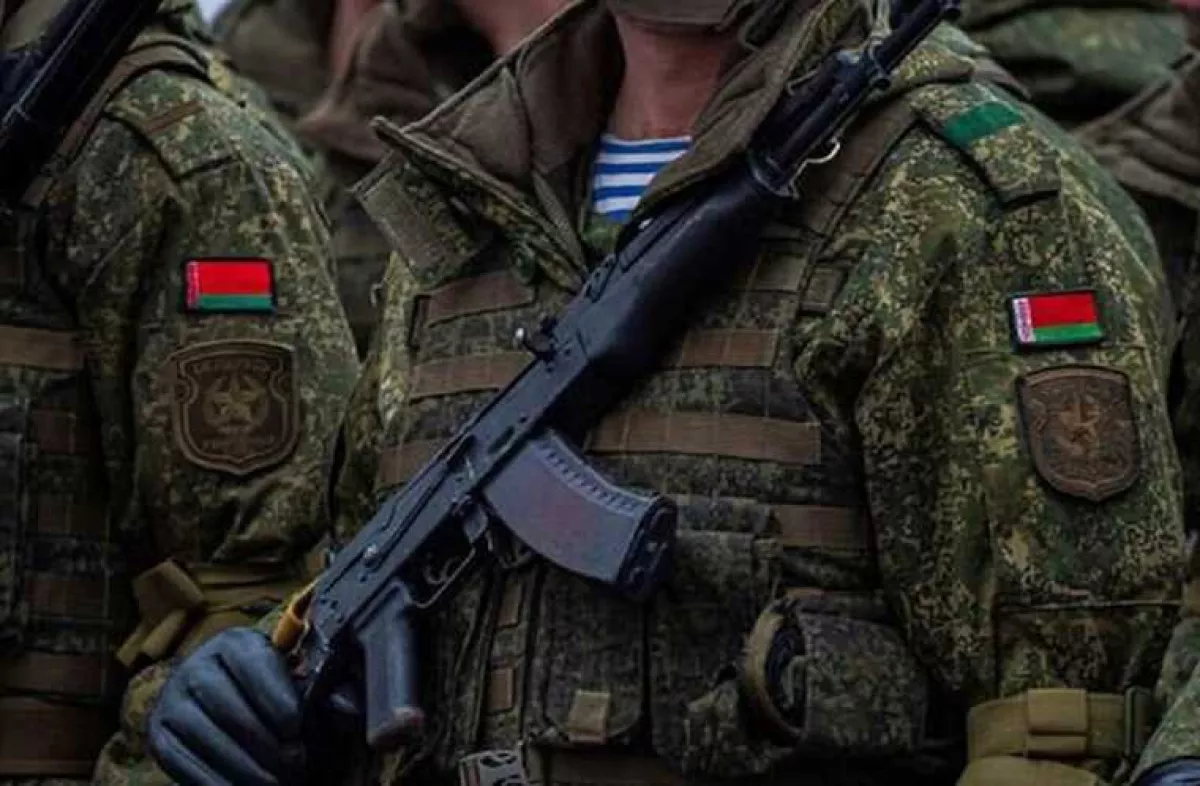
Unscheduled alert
On January 16, by order of Supreme Commander-in-Chief Alexander Lukashenko, Belarus launched an unscheduled, large-scale inspection of its armed forces. The first unit to be inspected was a technical support battalion — one of the country’s largest storage bases for armored vehicles and various types of weaponry. On January 23, the 19th Separate Guards Mechanized Brigade (SGMB), stationed in Zaslonova, Vitebsk region, was placed on full combat readiness.
The state secretary of the Security Council, Alexander Volfovich, arrived at the unit at the head of a special commission, carrying a package from the President. The package, marked “Top Secret,” contained the President’s directive and the concept of the inspection.
Such exercises are conducted annually within the units of the Armed Forces of the Republic of Belarus. However, this inspection is truly exceptional — it has never been carried out in this format before. A new system has been developed in which the president personally brings units and formations to combat readiness, bypassing the Ministry of Defense and the General Staff. This approach is primarily intended to obtain an objective, rather than a “polished,” assessment of the army’s true condition.
Alexander Volfovich told the BELTA news agency that during the inspection, the brigade carried out the following tasks: “These involved achieving combat readiness, loading supply stocks onto transport vehicles, and executing a march through unfamiliar, forested-swampy, and rugged terrain in snowy conditions.”
The mechanized battalion marched to the designated concentration area. Along the entire route, which spanned over 50 km, the servicemen practiced defending against attacks by enemy reconnaissance and sabotage groups, as well as unmanned aerial vehicles.
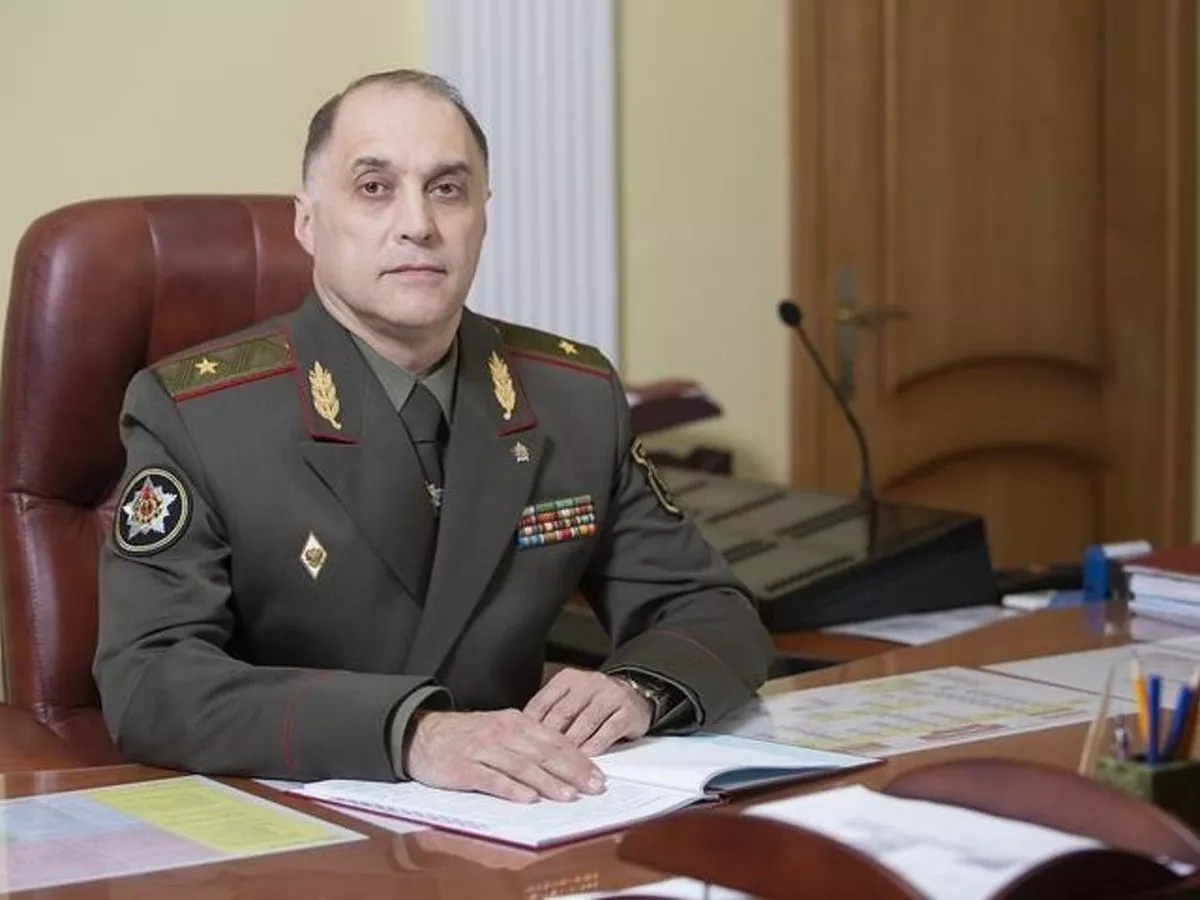
“Let’s see how the unit commanders respond to a potential adversary,” noted Volfovich. Upon reaching the designated area, the unit began preparations for live-fire exercises.
Over the course of two days, the special commission from the State Secretariat evaluated the brigade’s tactical firing skills. The assessment focused not only on accuracy with various types of weapons but also on the personnel’s ability to address malfunctions and delays — even during training exercises, and even more so under real combat conditions. Night-time firing exercises were also conducted, including the use of small arms, RPG-7s, and BMP-2s. The guards also practiced a range of other combat operations.
Military expert Aleksandr Tishchenko noted that the main objective of the inspection was to assess the units’ ability to hold defensive positions until the arrival of the main forces of the allied regional grouping.
This winter in Belarus has been snowy and harsh. However, no concessions were made for the weather: operations were conducted in the field amid freezing temperatures and heavy snowfall. According to participants, the cold even invigorated the personnel.
The inspection was carried out under the strict oversight of the Supreme Commander-in-Chief, almost in real-time. Every day, Alexander Lukashenko received reports on the progress of the exercises and issued his directives.
“The president pays close attention to specific issues,” Alexander Volfovich explained. “‘For example, how do you account for the personnel’s ability to operate in forested and swampy terrain?’ At the brigade’s training ground, a dedicated site has been prepared for this type of training, which the commander uses to prepare the troops accordingly.”
In light of the ongoing military conflict in Ukraine, the risks of misjudging one’s own or the enemy’s capabilities, acting recklessly, or resorting to blatant posturing are starkly evident.
While every member of the State Secretariat commission has the right to report directly to the president, Volfovich noted that, so far, no one has done so — he alone delivers updates to the head of state.
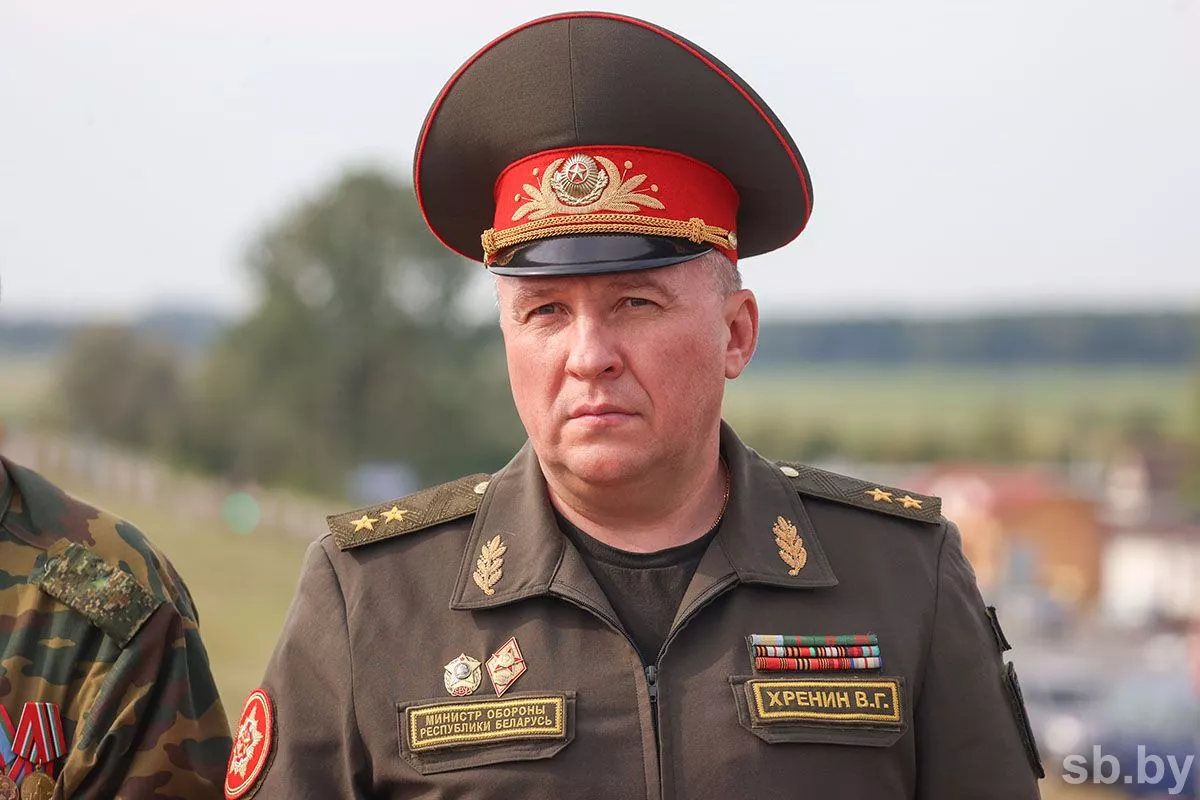
Defense Minister Viktor Khrenin visited the brigade on the first day of the inspection, observing its progress without interfering in its conduct. The 19th Mechanised Brigade was selected for the inspection as a kind of benchmark model for the Armed Forces of the Republic of Belarus.
The inspection is ongoing, and its pace and scope are expected to increase. The servicemen still face numerous operational and tactical tasks. Among other things, the Supreme Commander-in-Chief has tasked the Belarusian military with testing the effectiveness of unmanned aerial vehicles in forested terrain.
The experience of the conflict in Ukraine has demonstrated the extraordinary power of combat drones, which have effectively changed the nature of warfare. While Belarus views the conflict as a tragedy between two fraternal peoples, it is nonetheless forced to take into account the realities on the ground.
According to Alexander Lukashenko, nowadays, everyone is obsessed with UAVs. “Entire plants and factories are churning them out. And not only Ukrainians and Russians, who are using them for warfare today. Their use has proved quite effective. But also in Belarus and further north, they are being produced from morning till night,” he remarked.
At the same time, military operations in Ukraine are primarily taking place in steppe terrain, where even a single tree line can serve as a natural defensive barrier. The question, however, is how UAVs will perform in dense forests, especially evergreen coniferous ones.
The president expressed his view that, despite all technological advances, conventional infantry and both light and heavy small arms remain indispensable on the battlefield.
In combat conditions
On January 26, a comprehensive inspection of the combat readiness of the Armed Forces of Belarus commenced under the direction of the Ministry of Defense and the General Staff. According to Viktor Khrenin, this exercise is being carried out independently of the inspection ordered by the president.
The exercise includes mobilization of reservists, operational coordination of units, and a particular focus on camouflage measures and countering unmanned aerial vehicles.
The inspection also assesses the army’s ability to coordinate with the Ministry of Internal Affairs, the Ministry of Emergency Situations, the KGB, the border service, and other civil authorities.
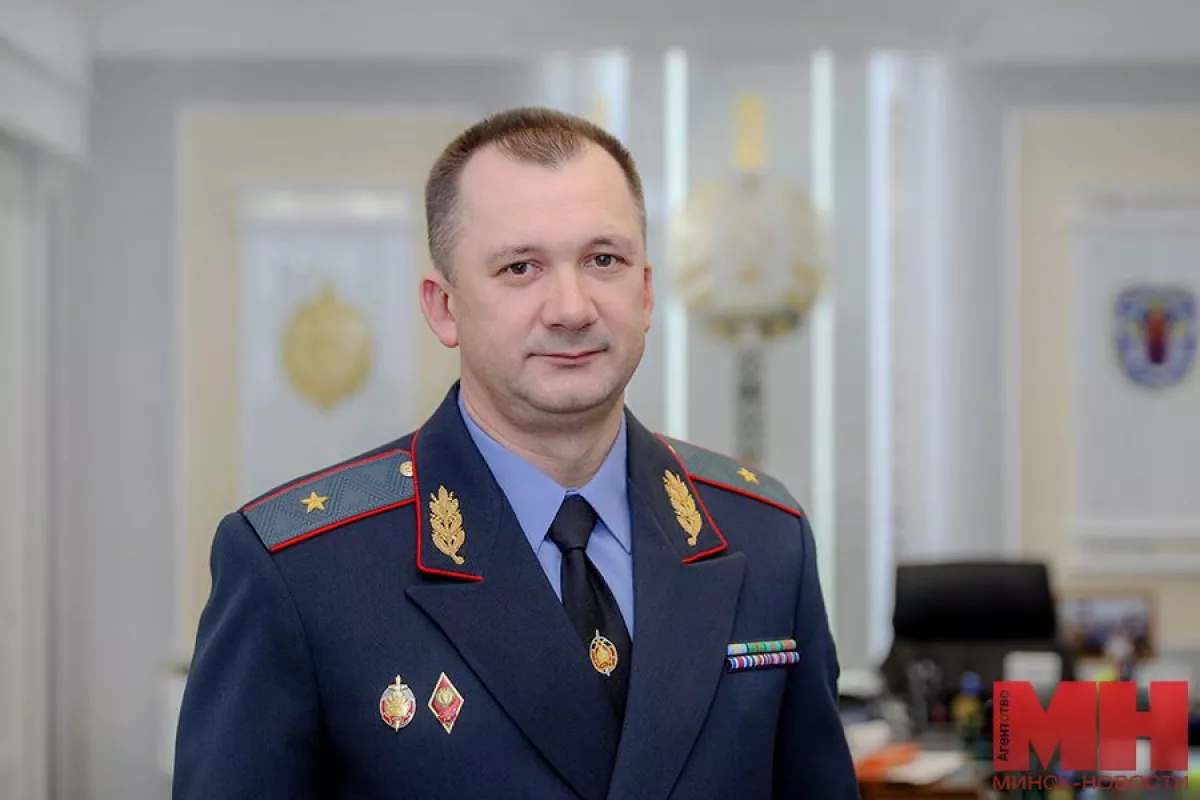
Units of the Internal Troops of the Ministry of Internal Affairs are also actively involved. On January 31, by order of Interior Minister Ivan Kubrakov, the certification of newly formed special-purpose units began. The process is being overseen by Deputy Minister and Commander of the Internal Troops, Nikolai Karpenkov. The first unit to undergo evaluation was the “Cyclone” detachment, with the certification program scheduled to last two months.
On January 31, the 1st Special Purpose Brigade conducted tactical-special exercises at Military Unit 3310, culminating in field maneuvers. On February 1, at the 230th Combined-Arms Training Ground “Obuz-Lesnovsky,” personnel participated in live-fire exercises and trained in operating BTR-82A armored personnel carriers over rugged terrain, under the guidance of instructors with combat experience.
At the same time in January, scheduled exercises, live-fire drills, and tactical assemblies were conducted by the 6th, 11th, and 120th Separate Guards Mechanized Brigades, the 111th Guards Artillery Brigade, the 38th Separate Guards Airborne Assault Brigade, and the 103rd Vitebsk Separate Guards Airborne Brigade.
At the 120th Mechanised Brigade (Uruchye), a week-long program included live-fire exercises, armored vehicle maneuvers, and field training. At the 22nd Combined-Arms Training Ground “Borisovsky,” units practiced combat training tasks using T-72B tanks and BMP-2 infantry fighting vehicles.
The brigade is actively training personnel for operations in small units across various types of terrain, with particular emphasis on UAV operator training. Under the new realities of the battlefield, the focus is on engaging aerial targets, including drones, using automatic grenade launchers such as the AGS-17 and smoothbore weapons.
During exercises, personnel are now housed not in tents but, as in combat conditions, in dugouts and adapted basements. There is no room for complacency: an unscheduled comprehensive inspection can be conducted at any unit at any time.
At the same time, specialists from the 432nd Main Military Clinical Medical Center are conducting field seminars at healthcare institutions, focusing on providing medical assistance for gunshot wounds.
Enemy at the gates
Information outlets of the exiled opposition immediately reacted to the ongoing inspection. Mixing facts with demagoguery, they launched a wave of slander against Belarus and its army. In some cases, this escalated to outright provocations — attempts to sow suspicion and distrust within the country’s top leadership. Yet this very nervous reaction from the pro-Western opposition clearly demonstrates that a serious inspection of the Belarusian army’s combat readiness has genuinely unsettled them.
At the same time, these destructive outlets were forced to acknowledge that the size of the Belarusian army is not increasing. This fact directly contradicts their own fabrications about “co-aggressors” and Belarus allegedly preparing to participate in an “attack” on EU countries, as well as other similar claims.
The current readiness inspection is driven both by the overall deterioration of the global military-political environment and by what Minsk describes as an unprecedented concentration of NATO forces near Belarus’s borders. Preparations for potential aggressive actions, it argues, are being conducted there in an increasingly open manner. In particular, Lithuania has already withdrawn, and Poland is expected to withdraw in the near future, from the Ottawa Convention banning anti-personnel mines. Moreover, Warsaw has announced plans to increase production of anti-personnel mines twenty-fivefold.
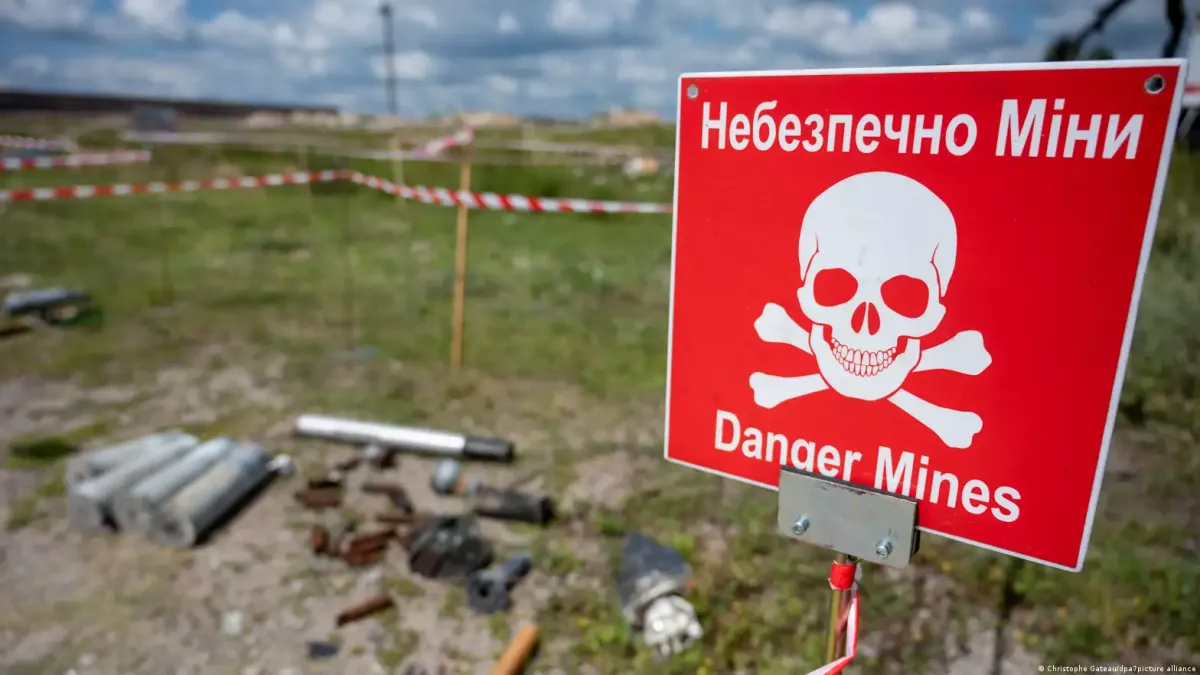
A few days ago, at the “Pabradė” training ground in Lithuania, just a few dozen kilometers from the Belarusian border, live-fire exercises were conducted using HIMARS multiple launch rocket systems. These systems can, among other things, remotely deploy minefields deep into enemy territory, inevitably putting civilian populations at risk. Additionally, just 11 km from the Belarusian border, near Kapciamiestis, preparations are underway for a training facility to accommodate up to 4,000 personnel of Poland’s 16th Mechanized Division.
Poland is also relocating several settlements along the Belarusian border. At present, five NATO military operations are taking place simultaneously in close proximity to Belarus.
Dry powder
On January 28, Alexander Volfovich reported the initial results of the inspection to Alexander Lukashenko. The president took interest in virtually every detail, down to the smallest points.
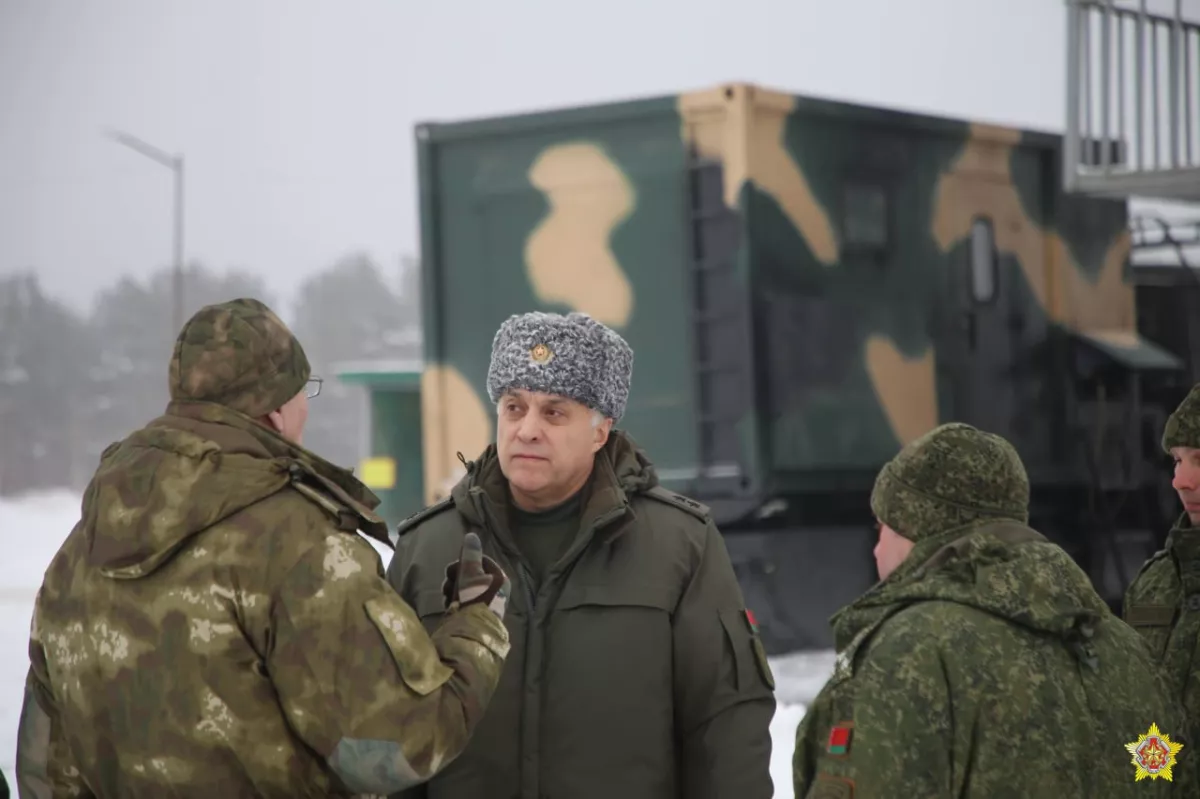
On January 30, the State Secretary of the Security Council thanked the personnel of the 19th Mechanised Brigade and awarded the best servicemen based on the inspection results.
On 2 February, another unit of the Western Operational Command was brought to a state of combat readiness. Defence Minister Viktor Khrenin visited the 6th Guards Kyiv-Berdyansk Separate Mechanised Brigade. The mechanised battalion, raised on alert, met all standards within the prescribed time. The exercises involved both female snipers and reservists called up for active duty.
During the same period, another batch of Su-30SM2 fighter jets arrived at a Belarusian airbase.
The inspection of the Belarusian Armed Forces will continue through the spring, after which a full and detailed analysis of the results will be conducted. Based on the findings, further modernization of the Belarusian army is planned.
Belarus is not seeking confrontation — neither with its neighbors nor with anyone else. However, ongoing challenges and provocations directed at the country increasingly compel it to take national security matters seriously.







 editor@caliber.az
 +994 55 444-88-98
 Азербайджан, Баку, ул. Низами, 203, Af Business House, 5-й этаж