










Calm before the storm Iran Braces as US and Israel Prepare for Strikes
The Iranian government is delegating emergency powers to regional authorities amid the threat of a conflict with the United States, the Financial Times reports. President Masoud Pezeshkian is transferring expanded powers to local administrations so they can ensure the functioning of the state in the event of a US attack.
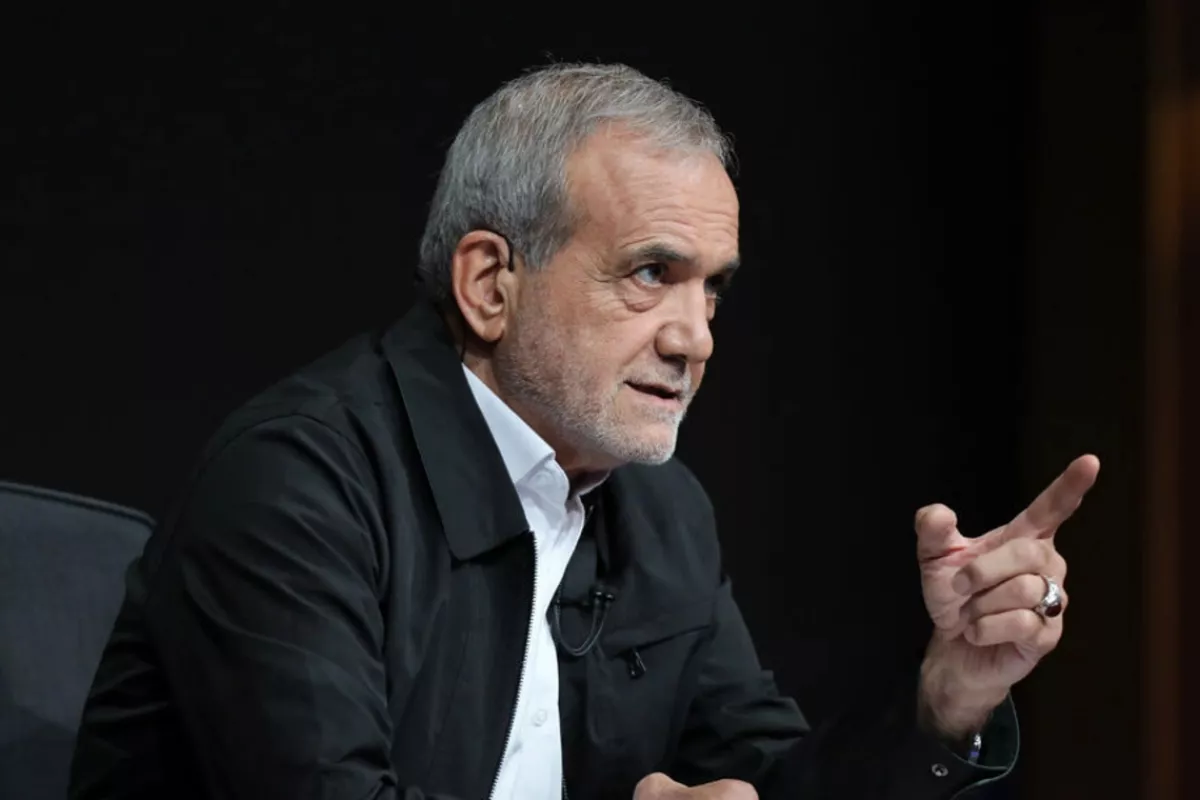
The Iranian president has begun implementing a set of emergency measures aimed at securing essential goods for the population and maintaining the operation of state institutions in the event of new attacks on the country by the United States or Israel. According to Iran’s state media, at a meeting on January 27 with governors of border provinces, Pezeshkian issued directives intended to “eliminate redundant bureaucracy and accelerate the import of basic commodities”.
“We are handing over authorities to provinces so that governors can contact the judiciary and officials in other organisations and make decisions themselves,” the president said.
Governors are now authorised to carry out “imports without foreign currency” through mechanisms such as barter with neighbouring countries, bypassing previous bureaucratic procedures, Iranian media reported.
It can be assumed that the authorities have also granted regional units of the security forces greater autonomy and emergency powers in the event of a renewed wave of protests. However, no official information confirming such decisions has come out of Tehran, and this remains merely the author’s assumption.
War is near
The steps taken by the Iranian regime amid growing fears of a new conflict with the United States and Israel appear to be aimed at decentralising governance in the event that the country’s top leadership is eliminated.
Senior Iranian political and military figures have stated that they would respond to any attack by the United States and could strike Israel. They have also stressed that any attempt on the life of Supreme Leader Ali Khamenei would be regarded as an act of total war.
Such an attack by the United States does not seem implausible: Washington acted in a similar manner in Venezuela. In the case of Nicolás Maduro, however, it involved an attempted abduction rather than assassination. The Grand Ayatollah, an ally of Maduro, would, in such a scenario, most likely face air strikes on his bunker.
Ali Gholhaki, a journalist and hard-line supporter with close ties to Iran’s security establishment, told the reformist outlet Ensafnews that Tehran and Washington are engaged in “direct or indirect” talks in a “third country”. At the same time, he expressed doubt that diplomacy would be able to avert what he described as a “highly likely” war.
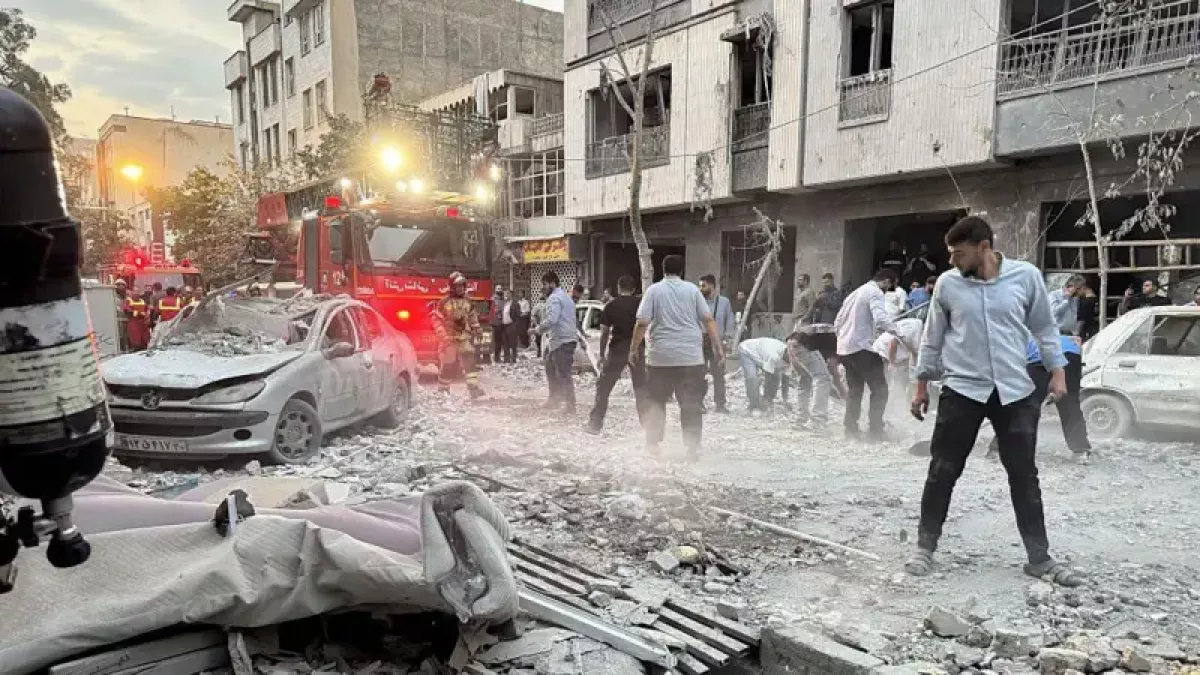
During the 12-day war in June last year, the Israeli Air Force virtually destroyed Iran’s air defence system over western and central parts of the country, eliminated around 30 senior military officials and members of the Islamic Revolutionary Guard Corps (IRGC ), including the leadership of the Iranian Air Force headquarters, and struck hundreds of facilities linked to the defence and nuclear industries. Israel effectively gained control of Iran’s airspace.
The United States joined the conflict at its final stage, attacking a key nuclear facility—the enrichment plant at Fordow. President Donald Trump then halted the bombing campaign and compelled Israel to do the same.
Iran’s retaliatory missile strikes against Israel proved largely ineffective: there is no confirmed evidence of damage to Israeli military facilities. The Iranian side managed to destroy or damage several hundred civilian buildings and one strategically important facility—the oil refinery in Haifa.
At the time, President Trump was counting on negotiations with Khamenei. He believed that after the strikes Tehran would become more amenable and hoped to secure Iran’s complete abandonment of its nuclear programme, above all uranium enrichment. However, Iran’s Supreme Leader Ali Khamenei refused. This left Trump facing a choice: either resume the bombing campaign or effectively acknowledge a political defeat.
The situation escalated further after the outbreak of large-scale protests in Iran in late December 2025. By January 8–10, they had spread to hundreds of localities, including all of the country’s major cities. By various estimates, millions of citizens may have taken part in the demonstrations.
The protesters, angered by the sharp rise in prices and the effective collapse of the national currency, demanded the removal of Iran’s leadership and the dismantling of the Islamic Republic regime.
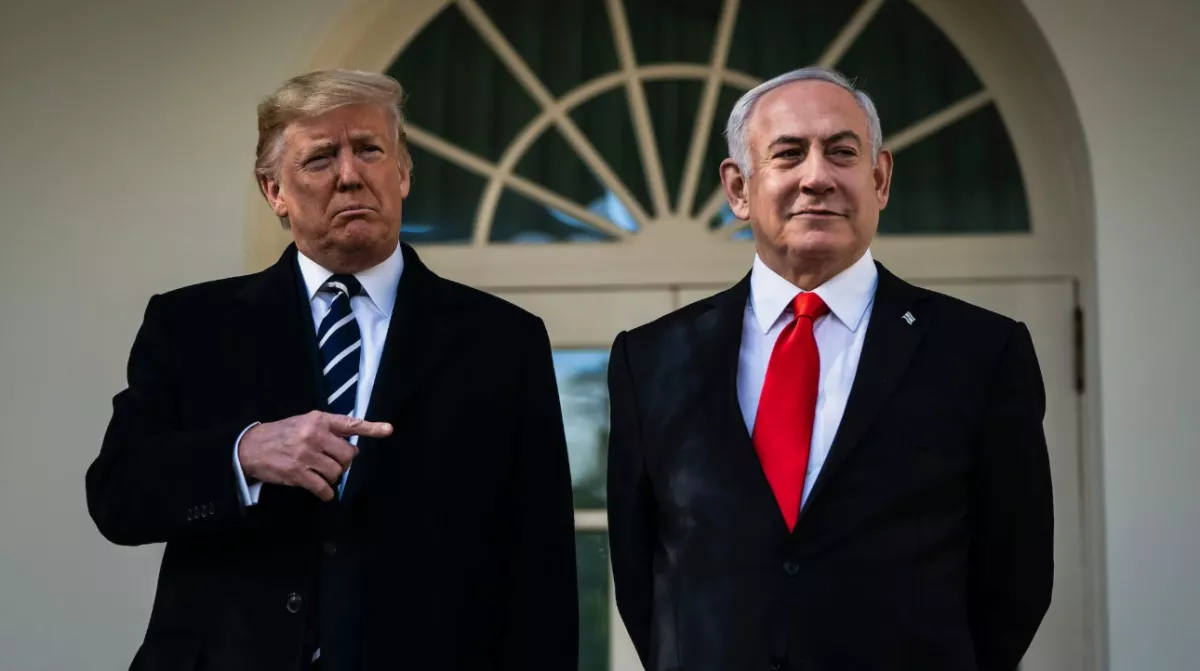
Donald Trump urged the protesters to seize government institutions and threatened to strike Iran’s leadership if the authorities opened fire on the rebels. Far from being intimidated by these threats, the Iranian authorities did exactly that.
According to Israeli intelligence services, around five thousand people were killed during the suppression of the protests; these estimates are corroborated by a number of international human rights organisations. At the same time, the Iranian opposition claims that 20,000—and by some accounts even 30,000—people were killed.
Video footage emerging from Iran after a partial easing of the internet blockade shows scenes from overcrowded morgues and security forces firing into crowds.
Basij units and special police detachments, often moving on motorcycles and other vehicles, opened fire on opponents of the regime using firearms.
In the current situation, Trump is effectively left with only two options. Either he attempts to eliminate Iran’s Supreme Leader, Ali Khamenei—who wields absolute power—and remove other particularly uncompromising figures within the leadership, hoping to force those who remain into concessions, both to protesters and to Washington, above all on the issue of uranium enrichment. Or he will have to accept a deeply negative image—both in Iran and within the United States—as a politician who openly called on Iranians to rise up, promised them military support, and then walked back his words.
If hostilities resume, the strikes could be just as precise as during the 12-day war, but on a far larger scale. In recent weeks, the United States has concentrated a powerful air and naval force capable of delivering massive strikes against Iranian territory.
Will Israel take part in a new war?
In theory, Israel could try to stay out of the conflict. Ultimately, it would be satisfied with a scenario in which the United States seeks to remove or transform the Iranian regime on its own, without direct Israeli involvement.
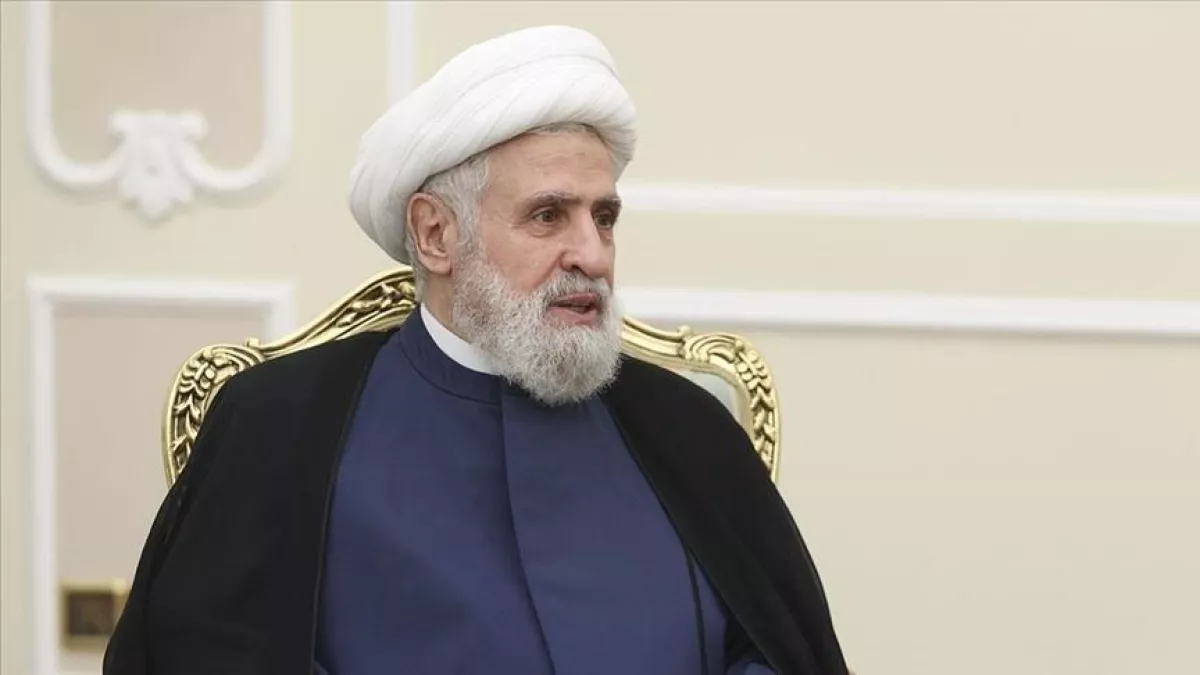
However, it is unlikely that Tehran and its regional allies would refrain from missile strikes against Washington’s allies, foremost among them Israel. They have repeatedly declared their intention to strike “friends of the United States”. This was recently reaffirmed by Naim Qassem, the leader of the pro-Iranian Lebanese group Hezbollah. In response, Israel stated that in the event of missile attacks it would wage war to the bitter end—that is, until the complete dismantling of the Iranian regime.
Thus, the likelihood of Israel entering a war with Iran remains extremely high. For Prime Minister Benjamin Netanyahu, this represents a chance to eliminate Israel’s principal strategic adversary in the Middle East—the Islamic Republic regime—or, at the very least, to seriously weaken Tehran. It is also an opportunity to bolster his own political standing.
Elections are due to be held in Israel this year, and the 12-day war proved politically advantageous for Netanyahu, boosting his approval ratings by several percentage points. It is quite possible that he will seek to replicate this effect.
If Israel intervenes in the conflict, it is likely to pursue a scenario that Iranian experts describe as an attempt at the “fragmentation of Iran”. One should expect strikes on command centres in the capital, as well as on key lines of communication, with the aim of isolating Tehran from the rest of the country.
The Israeli Air Force, together with US forces, could begin selective strikes on the bases and headquarters of the Basij and the police—structures directly involved in suppressing the protests. Admittedly, the regime would still retain regular army units and the IRGC, but these are largely mass conscript formations (the IRGC differs mainly in its stricter ideological screening). At the same time, there is no full certainty that the authorities would be able to compel these units to open fire on their own population amid a large-scale crisis.
How will Iranians react to the bombings?
The reaction of a significant part of Iranian society to US and Israeli strikes on the headquarters and bases of the Iranian regime would most likely be more positive than negative. After the mass killings, protests in the country resumed; however, they are currently largely peaceful in nature and often linked to funerals of those killed. It is precisely at such mourning events that crowds numbering in the tens of thousands gather, chanting curses against the country’s leadership.
After the 12-day war in June 2025, opinion polls showed that the anticipated rallying of society around the regime under slogans of “defending the homeland” did not occur. On the contrary, the number of supporters of dismantling the Islamic Republic increased by around six percentage points, forming a majority among respondents.
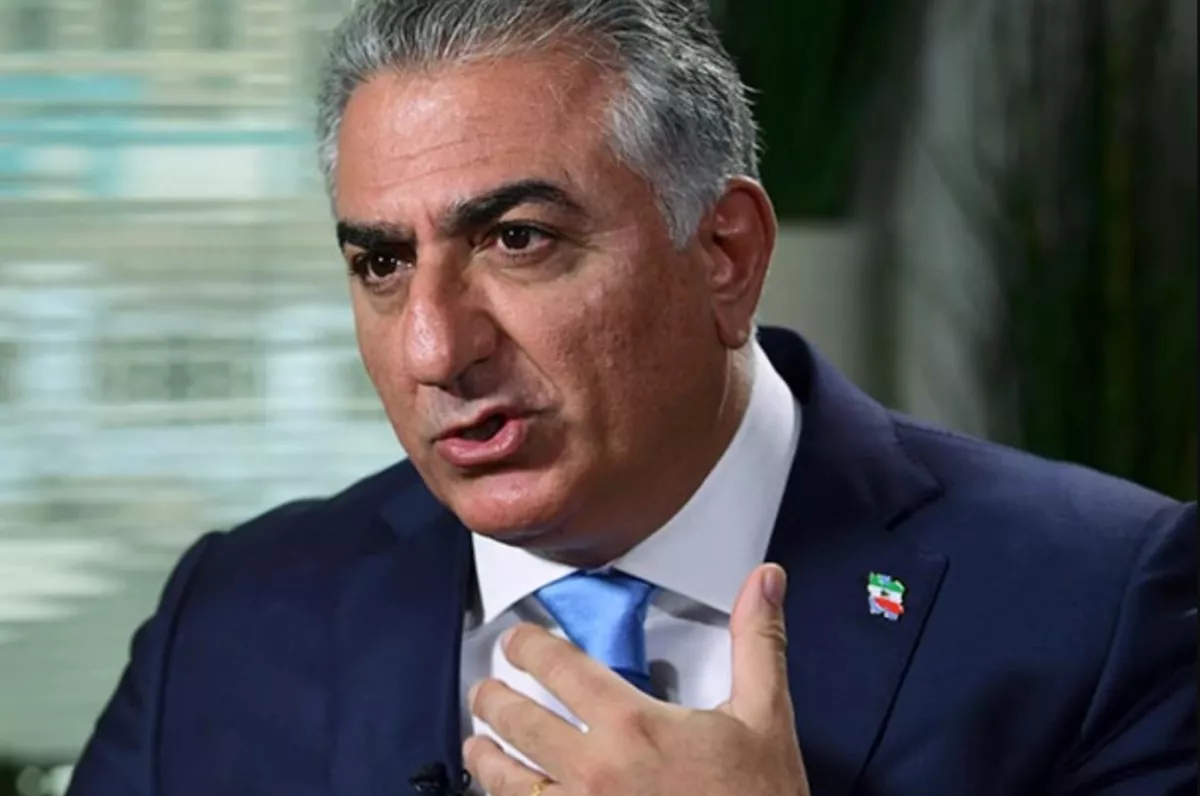
No less telling is the fact that the largest protests on January 8–10 began after a call by Crown Prince Reza Pahlavi, who by that point had become one of the most popular figures among participants in the protest movement.
According to reports from the Iranian opposition, many today are expecting US and Israeli strikes on military and police headquarters, to be followed by the disorganisation of the regime—so as to return once again to open resistance against the Islamic Republic.
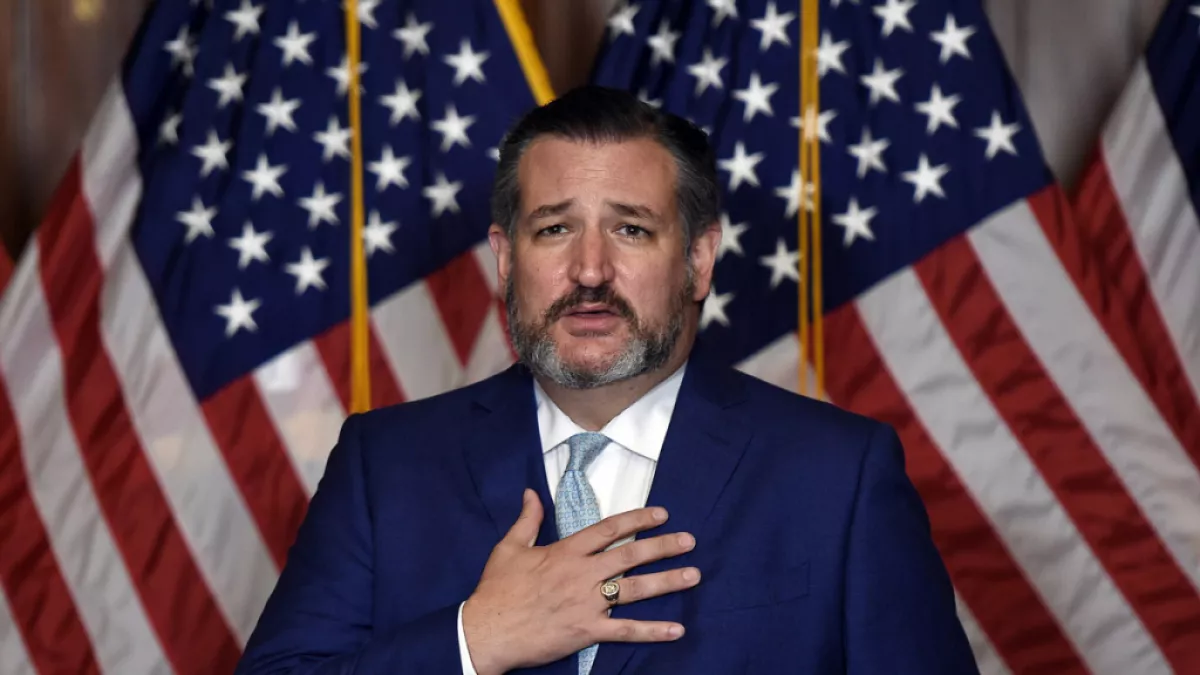
However, a more straightforward scenario is also possible. On the eve of these developments, US Republican Senator Ted Cruz stated: “We should be arming the protesters in Iran. NOW. For the Iranian people to overthrow the Ayatollah—a tyrant who routinely chants ‘death to America’—would make America much, much safer.”
The Basij forces themselves are not particularly numerous—amounting to several tens of thousands of fighters whose primary function is the suppression of unarmed civilians. As for Iran’s regular armed forces and even frontline IRGC units, it is far from clear that they are prepared to carry out similar tasks. It is no coincidence that the country’s leadership has so far avoided deploying them en masse against protesters.
What is unfolding in Iran now is most likely a calm before the storm. The key events still lie ahead. Some expect a new surge of mass protests or even open uprisings on the fortieth day after the shootings of January 9–10—that is, in the third week of February. Much, however, will depend on Donald Trump and his decision—whether to strike Iran or to refrain from doing so.
At the same time, there is a widely held view within the expert community that military strikes could be launched at any moment.







 editor@caliber.az
 +994 55 444-88-98
 Азербайджан, Баку, ул. Низами, 203, Af Business House, 5-й этаж