










Cuba caught between US blockade and deal Caribbean hurricane
In recent months, the international expert and analytical community has been puzzled: “Which country will become the next target of active U.S. diplomacy?” At the same time, many political analysts argue that, alongside Iran, Venezuela, and Greenland, one of the key targets of the American administration is Cuba, which has thoroughly irritated Washington for more than half a century.
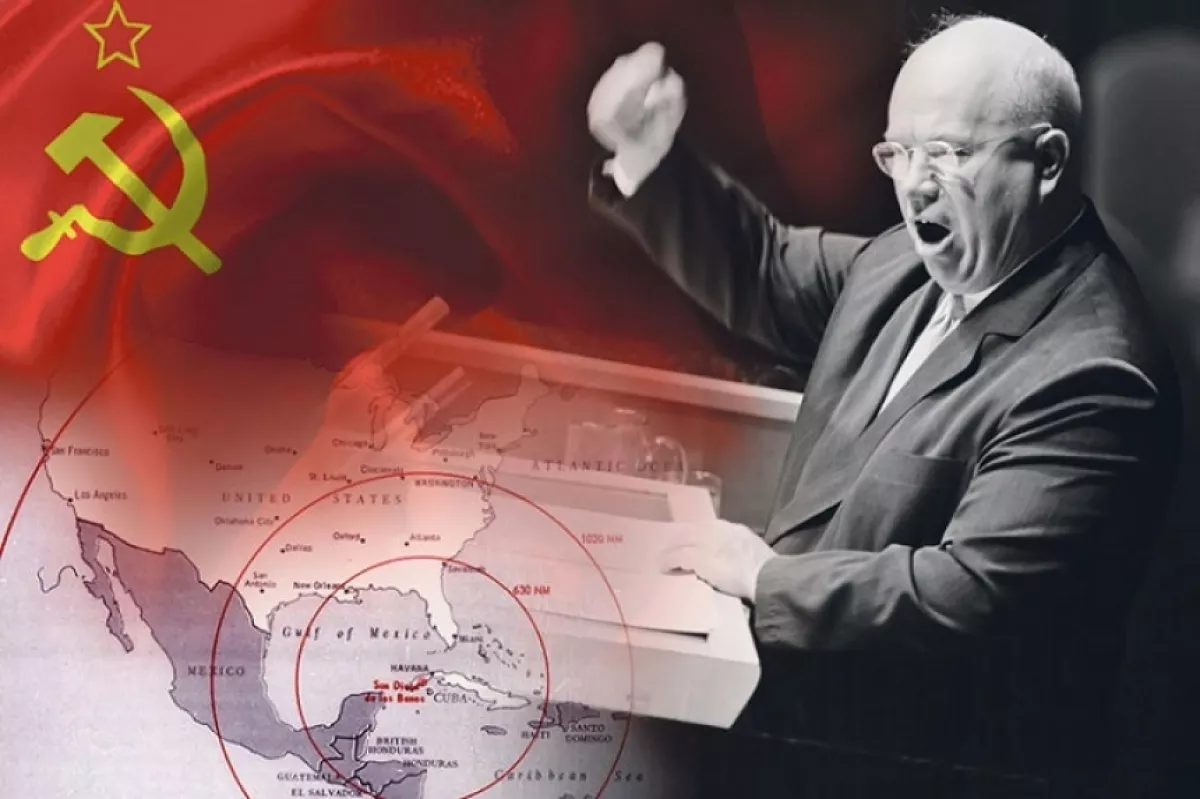
In particular, Politico reports that the White House is considering the possibility of a naval blockade of the “Island of Freedom,” or, in other words, a repeat of the 1962 Cuban Missile Crisis, with U.S. warships blocking Cuba and intercepting fuel tankers heading to the island. The situation differs only in that Havana cannot count on Soviet support, there are no Soviet missiles on the island, and the current Cuban leadership clearly lacks the charisma of Fidel Castro.
Meanwhile, Cuba’s leading diplomat responsible for U.S. relations, Carlos Fernández de Cossío, wrote on X (formerly Twitter) that the planned blockade is a “brutal assault against a nation that doesn't threaten the US and a peaceful people that is not hostile to any nation.” At the same time, Donald Trump stated that Cuba, to avoid a complete cutoff from energy supplies, must “make a deal” with the U.S., which, according to journalists, would likely include the return of American property on the island that was nationalised after the 1959 revolution. However, according to Cuban officials, direct negotiations between Washington and Havana have not yet begun.
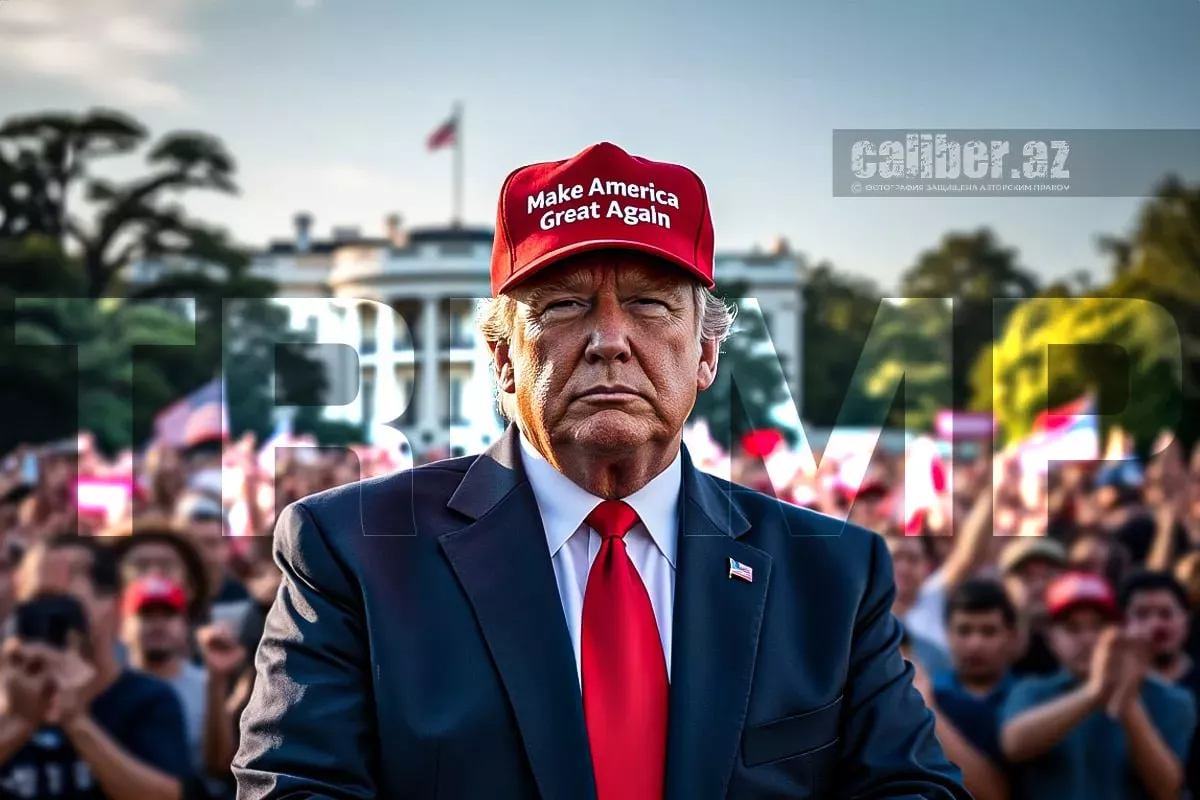
Undoubtedly, at the moment the United States is in a stronger position: until recently, Cuba received the oil necessary for its economy from Venezuela, Mexico, and partly from third countries. After the overthrow of President Maduro, the Americans arrived in Caracas to negotiate a halt to Venezuelan oil supplies to the “Island of Freedom.”
The government of Mexico is also under serious pressure. The Oval Office signed an order introducing additional tariffs on imports from countries that supply oil to Havana, directly or through intermediaries. It is emphasised that this policy could only be reconsidered if the Cuban leadership changes its foreign policy course. In addition, the actions of the U.S. Navy indicate readiness to intercept tankers.
The U.S. government justifies its steps by citing a direct threat to national security and U.S. foreign policy, as Cuba allows foreign military facilities and bases on its territory and maintains close ties with Washington’s geopolitical rivals.
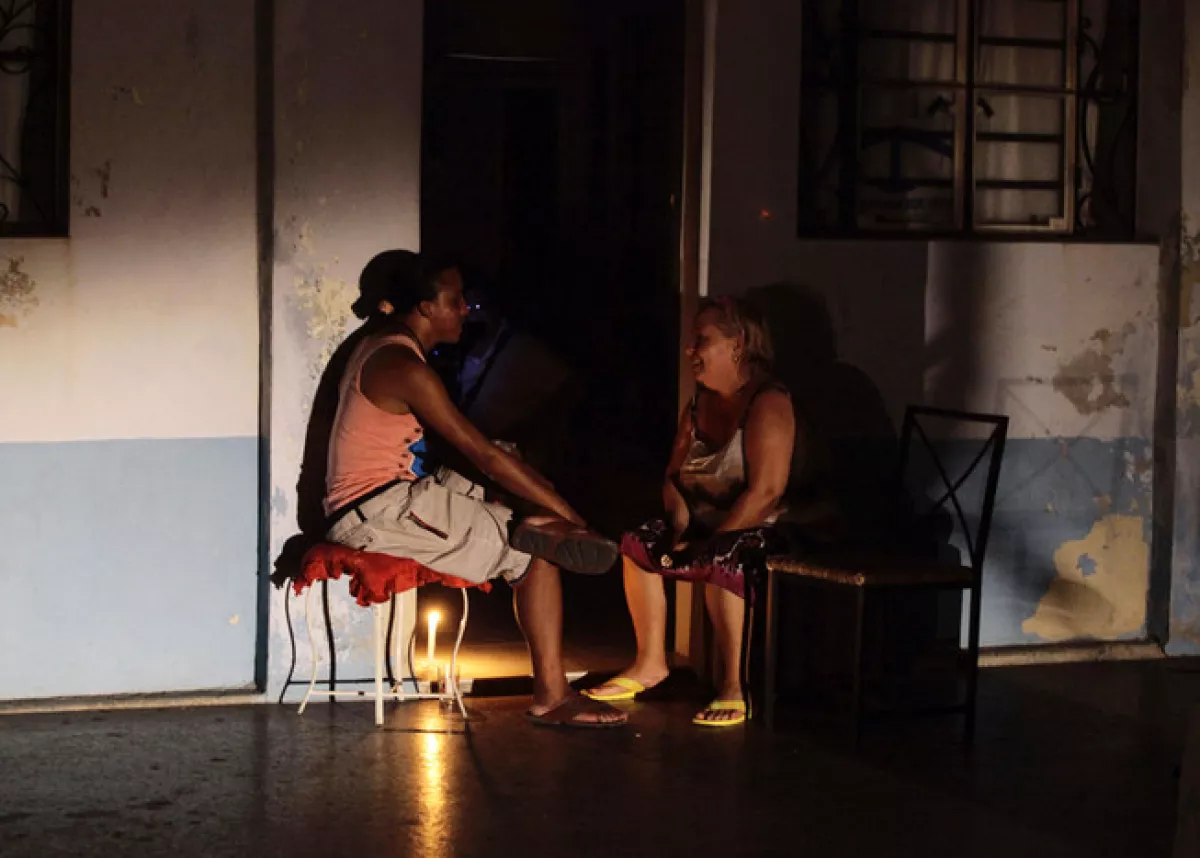
According to analyst Jorge Piñón, if the energy blockade plan is implemented, the economic consequences for the island would be catastrophic: “If the oil valve is really shut off, then Cuba faces an imminent economic collapse, no question about it. No oil, no economy.” And this is not far from the truth, as the situation in Cuba is already approaching a critical point. The country experiences multi-hour power outages, and filling a car can cost $52—a sum exceeding the monthly salary of many Cubans. After dark, entire districts of Havana are plunged into darkness.
Special groups on social media have emerged to discuss where to obtain fuel and solar panels. Even some government radio and television channels have been forced to suspend operations due to a lack of electricity or fuel for generators. Companies providing services via the Internet are also facing serious difficulties.
In this difficult situation, the residents of the island are saved only by their sense of humour. The most popular joke among Cubans today is: “What’s the difference between Cuba and the Titanic?” – “The Titanic still had its lights on when it went down.” It is also telling that some experts describe the possible developments concerning the “Island of Freedom” with the phrase “a hurricane is coming”—Cubans regularly have to contend with the consequences of this natural disaster.
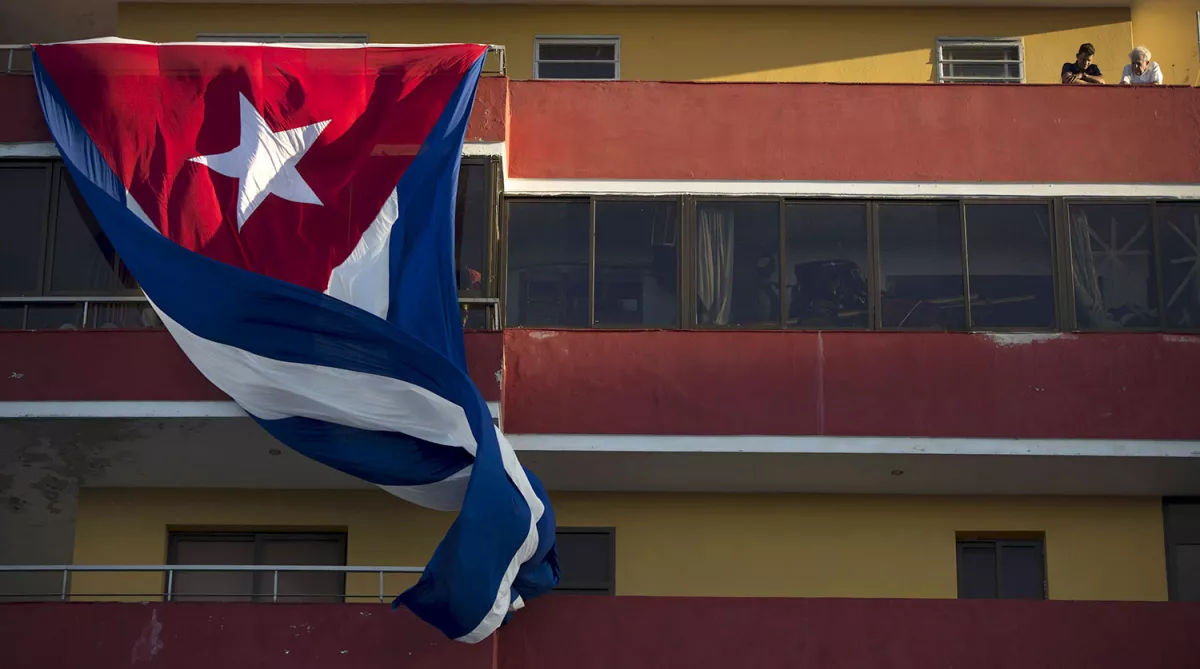
On the other hand, it cannot be overlooked that the Cuban authorities have extensive experience in “crisis management” during emergencies. After the collapse of the Soviet Union, the island’s economy was already teetering on the brink of disaster, yet its people managed to survive what is known in Cuban historiography as the “Special Period.”
In the current difficult situation, the authorities of the "Island of Freedom" held ceremonial funerals for 32 Cubans who died defending Maduro, while television channels regularly broadcast military exercises and civil defence drills simulating a possible invasion. The government has publicly declared its intention to launch a total guerrilla war if necessary, and Cuban President Miguel Díaz-Canel, during military exercises with a tank unit of the Revolutionary Armed Forces, proclaimed that “the best way to prevent aggression is to force imperialism to pay the price that may result if it attacks our country.”
However, despite all the humour, vivid imagery, patriotic statements, and displays of resolve, Cuba today faces a very, very difficult situation—it has virtually no allies, as countries around the world fear incurring Washington’s wrath, and the island’s internal reserves are limited. Moreover, observers note that the Cuban army’s arsenal largely consists of Cold War-era weaponry, leaving it significantly weaker than even the Venezuelan Armed Forces, which themselves have recently demonstrated limited effectiveness.
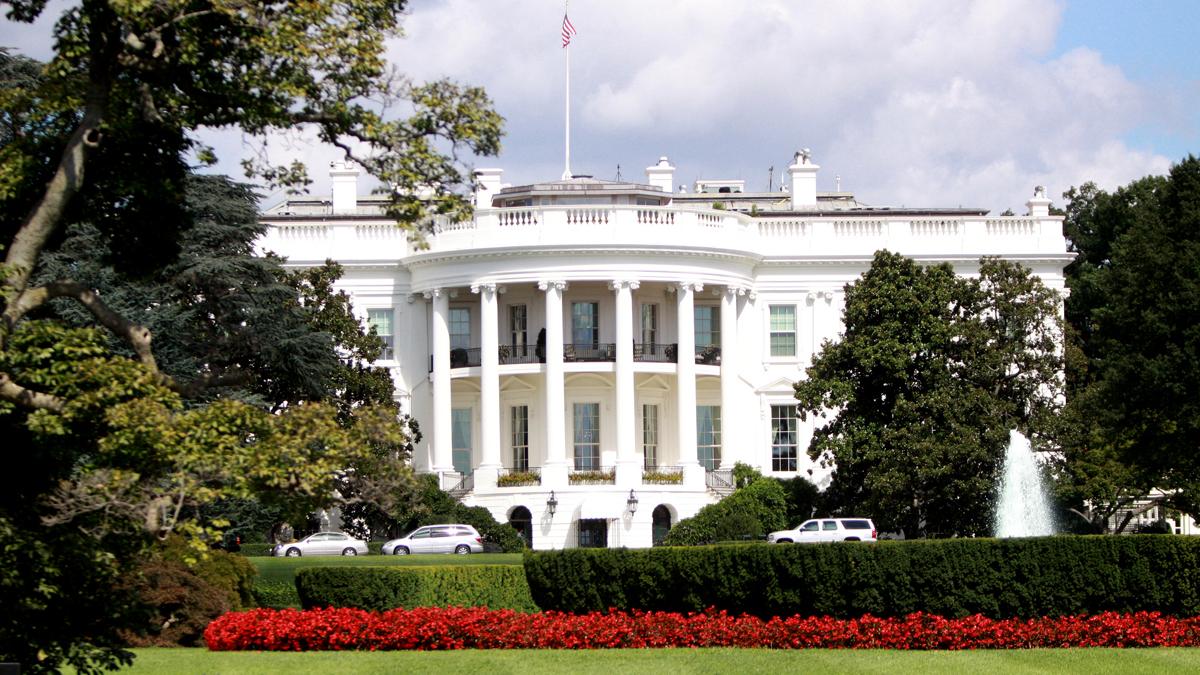
Overthrowing the Cuban government has long been a dream of many U.S. administrations—a dream that today seems closer to becoming reality, as the policies of the "Island of Freedom" contradict the principles of the Monroe Doctrine, which excludes the influence of any power in the Western Hemisphere other than the United States. One must also take into account the significant influence of the Cuban diaspora in Florida on the White House, which is determined at all costs to regain its influence and property on the island. Notably, these individuals are a major factor compelling the Cuban government to maintain a maximally hardline stance—the return of the old elites would inevitably lead to purges and repression against those who assumed their positions thanks to the 1959 revolution, similar to what happened after German reunification.
At the same time, there is a prevailing opinion among experts that a blockade of Cuba would lead to a humanitarian catastrophe, and the overthrow of the regime, accompanied by instability and a refugee flow, would destabilise the entire Caribbean region. For this reason, there are opponents within the Trump administration of escalating tensions around the island, although their voices are quieter than before. On the other hand, it is well known that the preferred tactic of the White House leader is to present a country with tough demands, then offer a “deal,” and finally reach some form of compromise. Whether this strategy will be applied to Cuba remains to be seen.







 editor@caliber.az
 +994 55 444-88-98
 Азербайджан, Баку, ул. Низами, 203, Af Business House, 5-й этаж