










EU sanctions threaten Georgia’s Port of Kulevi Strategic Middle Corridor at risk
The European Union’s biased approach toward “defiant” Georgia is beginning to affect infrastructure projects linked to the operation of the Middle Corridor through the South Caucasus.
As part of the 20th package of sanctions against Russia, the EU for the first time proposed including ports in third countries on the sanctions list for transshipping Russian oil — in particular, Georgia’s Port of Kulevi and Indonesia’s Karimun Port. The package was jointly prepared by the EU External Action Service (EEAS) and the European Commission and presented to EU member states on Monday, February 9.
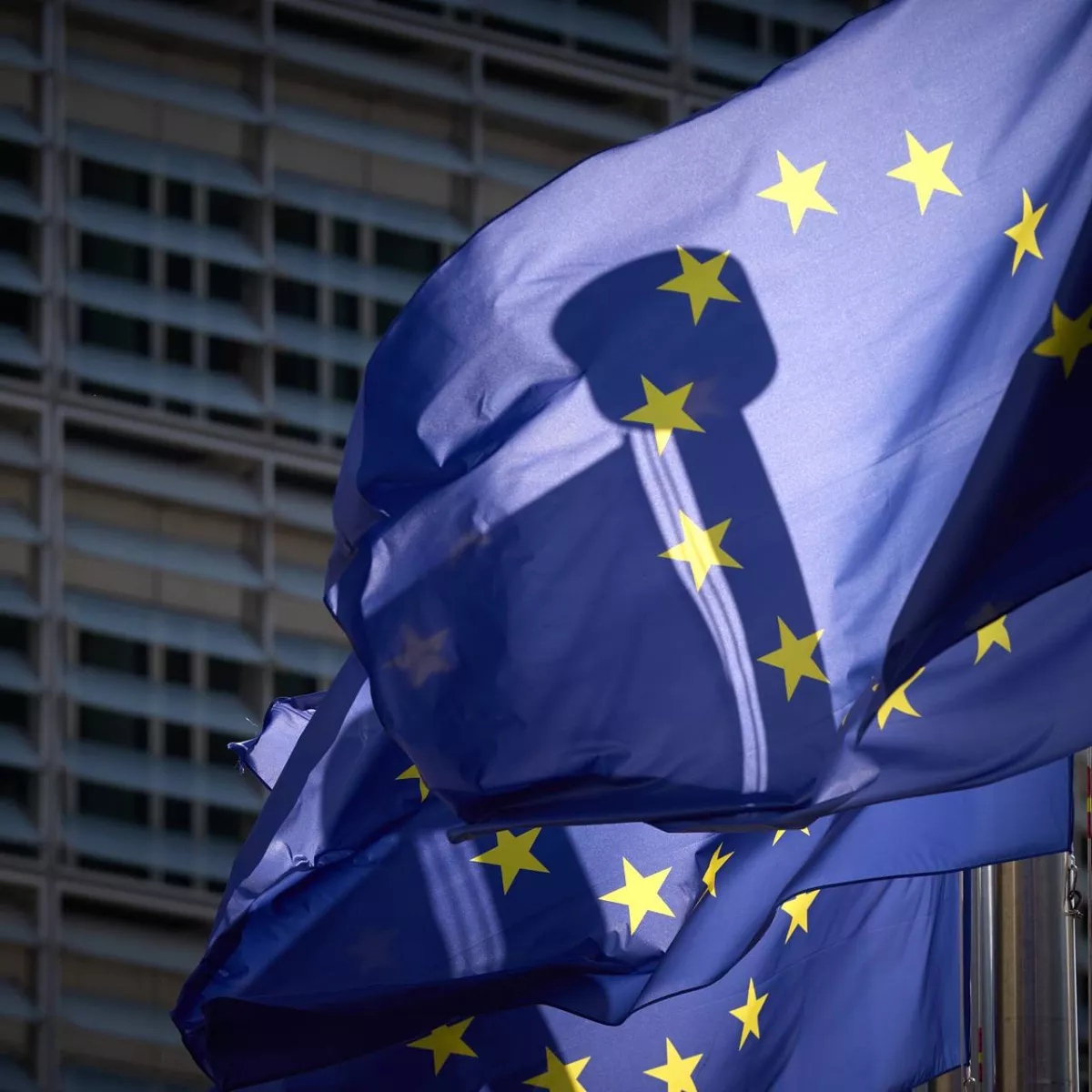
In the new, 20th package of sanctions against Russia, the European Commission intends to replace the existing “price cap” on Russian oil with a complete ban on its maritime transport. The restriction would apply regardless of the oil price. Currently, transportation is allowed as long as the crude is sold below the established limit. However, the use of a “shadow fleet” enables Russia to sell oil at prices above the sanctioned ceiling. According to the Wall Street Journal (WSJ), in 2025 the shadow fleet transported nearly 80 per cent of Russian oil.
Radio Free Europe/Radio Liberty, citing a draft working document from the European Commission, reported that Georgia’s Port of Kulevi is allegedly being used for the maritime transport of crude oil and petroleum products either produced in Russia or carried by Russian tankers through “irregular and high-risk shipping practices.”
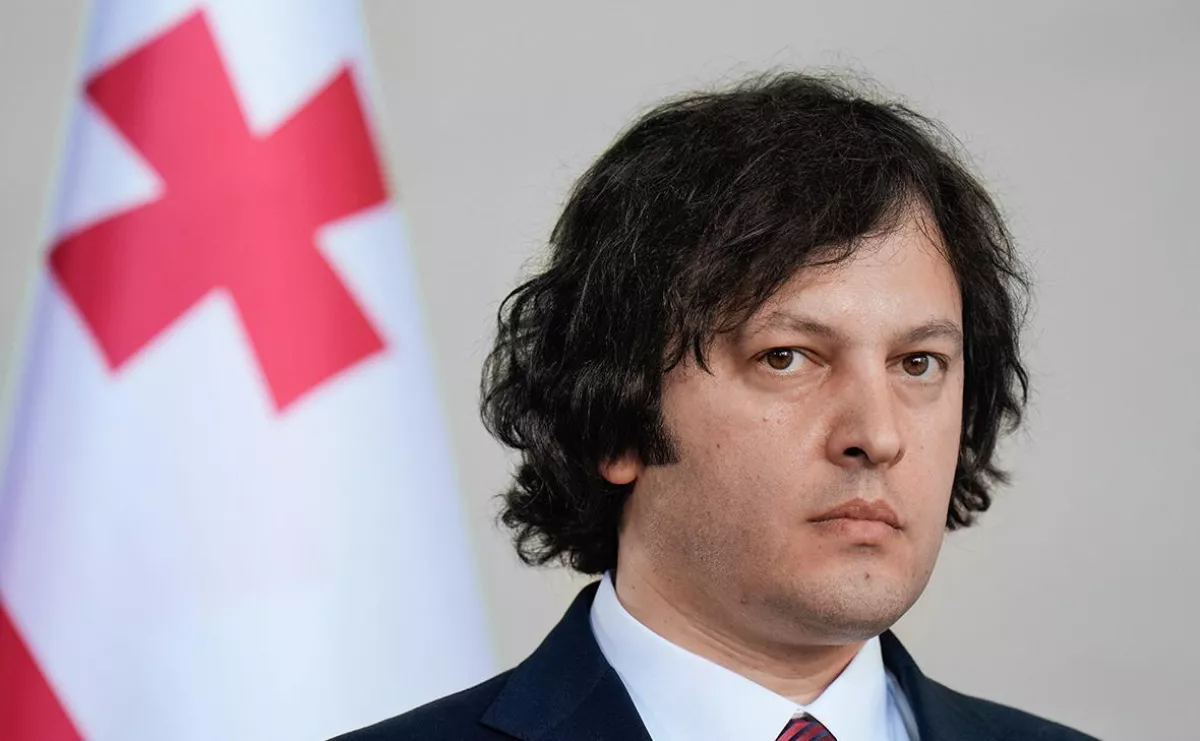
Meanwhile, Georgian Prime Minister Irakli Kobakhidze stated that the government is fully transparent regarding potential sanctions on the Port of Kulevi and provides the European Union with all necessary information about the terminal’s operations. He also emphasized that Georgia complies with the requirements of the international sanctions regime.
“Georgia strictly adheres to all regulations regarding the sanctions regime. Kulevi is a port of strategic importance to us. As for any specific questions that arise, we are prepared to answer them. This is a pressing issue of interest to us, and we once again express our readiness to consult with the EU on every detail. We are duly complying with the sanctions regime. This is our shared position,” said Irakli Kobakhidze.
A targeted media campaign against Georgia’s Port of Kulevi has long been unfolding in Western outlets. In particular, reports that a shipment of Russian Siberian oil was delivered for processing at the Kulevi refinery, which began operations in October 2025, were presented as an alleged “violation of European sanctions” against Russia. The media presented this as a “sensational report,” claiming Georgia had sharply increased its purchases of Russian oil. At the same time, such a trend was predictable: under the price cap, Russian oil was cheaper for Georgian refiners than comparable alternatives from other countries.
Simultaneously, the fact that imports of refined petroleum products from Russia were decreasing was largely ignored. The emphasis was placed on claims that Georgia was allegedly “helping” Russia circumvent sanctions.
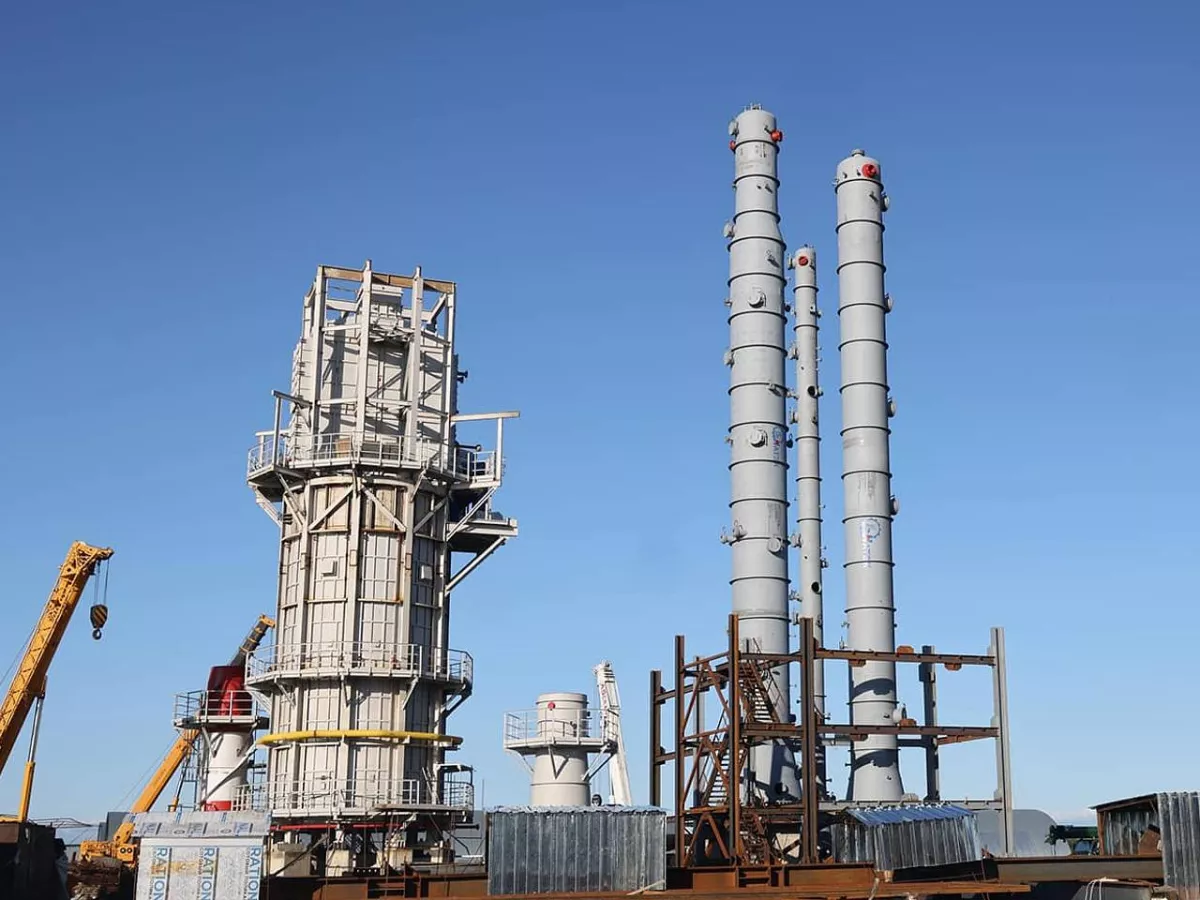
Meanwhile, Georgia has not violated any sanctions in supplying oil to the Kulevi refinery, including compliance with the price cap. Other Brussels-imposed restrictions on Russia, including the EU’s embargo on maritime deliveries of Russian crude oil, which came into effect on December 5, 2022, apply exclusively to EU member states. Georgia is not an EU member, and the question of when it might join remains open. Therefore, reports about oil shipments from Russia to Kulevi were primarily propaganda. They were aimed at supporting the radical, pro-Western opposition in Georgia, which accused the government of “working for Russia.”
Subsequently, European and Georgian media began reporting alleged visits by ships of the “shadow fleet” to Kulevi, transporting Russian oil.
A so-called “investigative journalism” by the opposition outlet iFact claimed that between 2024 and 2026, 19 vessels matching the characteristics of Russia’s shadow fleet visited Georgian ports, including Kulevi. The tanker Silvari was also mentioned, which, according to Ukrainian sources, was allegedly part of this network. According to iFact, the vessel delivered about 32,000 tons of oil and petroleum products to the Port of Kulevi before later being transferred to the ownership of an Indian company. Georgia’s Maritime Agency dismissed the iFact “investigation” as disinformation, stating that neither the vessel nor its cargo fell under international sanctions.
Now, as the United States has stepped up its efforts against Russia’s shadow fleet and the global export of Russian oil circumventing sanctions, the EU is ostentatiously “joining” this line through its 20th sanctions package. At the same time, it creates the impression that this is being done to “punish” Georgia for daring to oppose Brussels bureaucracy. In the media, the issue of the Port of Kulevi has resurfaced, with claims that it is allegedly “helping” Russia circumvent oil export sanctions.
The fact that the capacity of the Port of Kulevi is incommensurate with the actual volumes of Russia’s shadow fleet operations—which, according to investigative reports, are mainly controlled by shipowners from EU countries, especially Greece—apparently does not concern EU officials. The attacks on Georgia and the Port of Kulevi in Brussels appear to be an attempt to distract attention from those who truly control a significant portion of the shadow fleet—companies from Greece and Malta. These states have also opposed the European Commission’s initiative to replace the price cap on Russian oil with a ban on providing transport services.
Meanwhile, the launch of the Kulevi refinery has significantly reduced Georgia’s dependence on imports of Russian petroleum products, which had built up in previous years.
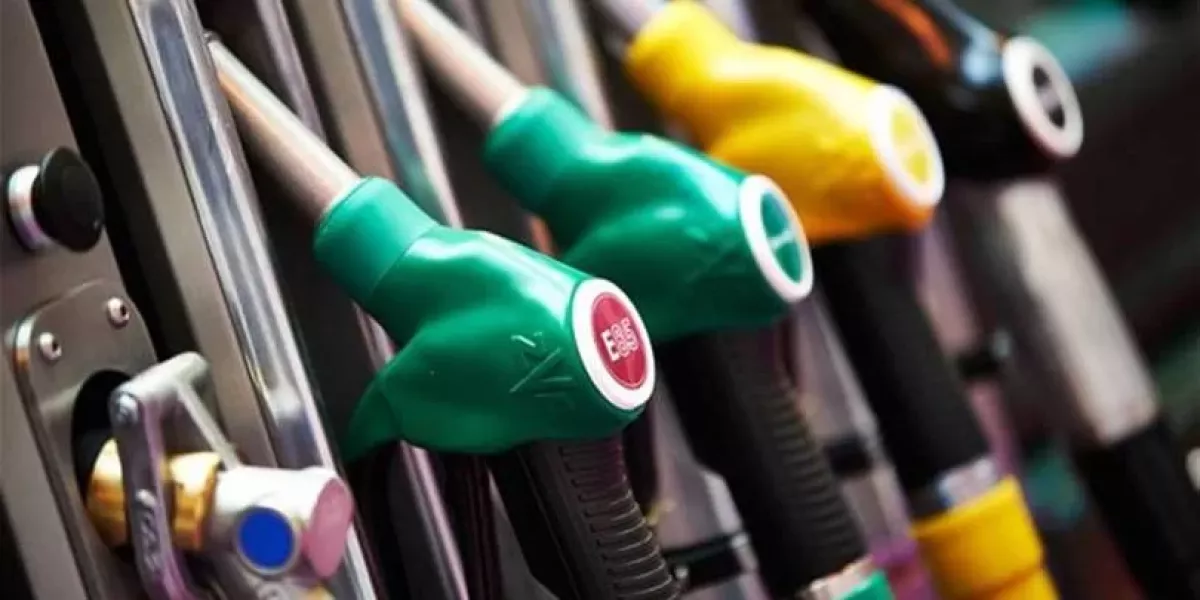
Under the EU Association Agreement, Georgia committed, starting January 1, 2020, to transition to the Euro 5 diesel fuel standard. Despite pressure from Brussels, the Georgian government imposed an annual one-year moratorium on implementing the Euro 5 standard in 2020, 2021, and 2022. However, as of January 1, 2023, the country finally adopted the standard.
The EU leadership’s insistence, which prevented Georgia from extending the moratorium, coincided almost exactly with the introduction of the EU embargo on petroleum products from Russia.
The ban on importing Russian diesel fuel and other petroleum products came into effect on February 5, 2023. By that time, Russian refineries were actively producing Euro 5 standard fuel for the European market, and some of these volumes were redirected for export to Georgia. As a result, the share of Russian petroleum products in the Georgian market increased, whereas previously, Azerbaijan had supplied a significant portion.
It was clear that Georgia was keen to produce Euro 5 standard fuel domestically rather than rely on imports. To this end, construction of a refinery in Kulevi began at the end of 2024. In a short period, Black Sea Petroleum built Georgia’s first full-cycle refinery, which was commissioned in October 2025. The initial phase has a capacity of 1.2–1.5 million tons of oil per year, with plans to expand to 4 million tons by 2028.
The commissioning of the Kulevi refinery has significantly reduced dependence on imports of Russian petroleum products. However, instead of receiving a positive assessment, this step has triggered a new wave of accusations against the Georgian authorities of “working for Russia.” At the same time, critics of the Georgian Dream administration do not consider the fact that revenue from oil processing remains in the country, and the domestic market receives more affordable and higher-quality petroleum products, as a significant argument.
Potential EU sanctions against Georgia’s Port of Kulevi could indirectly affect Azerbaijan as well. The Kulevi terminal is owned by the State Oil Company of Azerbaijan Republic (SOCAR), which played a key role in creating the infrastructure that made the refinery possible. Formally, the EU sanctions regime regarding Kulevi does not imply a direct blockade of port operations, but it could negatively impact the functioning of the port as an important element of the Middle Corridor infrastructure.
By Vladimir Tskhvediani, Georgia, exclusively for Caliber.Az







 editor@caliber.az
 +994 55 444-88-98
 Азербайджан, Баку, ул. Низами, 203, Af Business House, 5-й этаж