










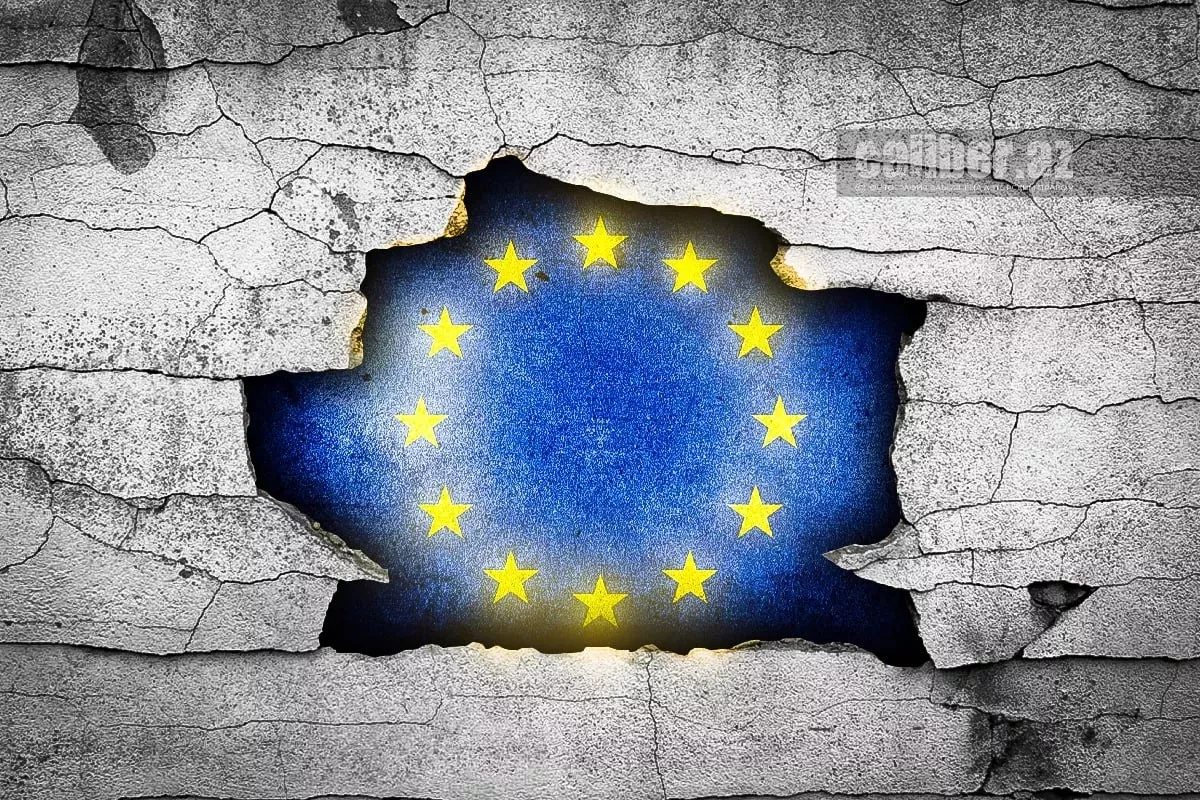
European Union on “feet of clay” The Old Continent is losing its status
The European Union is rapidly losing its authority and its status as one of the centres of global decision-making.
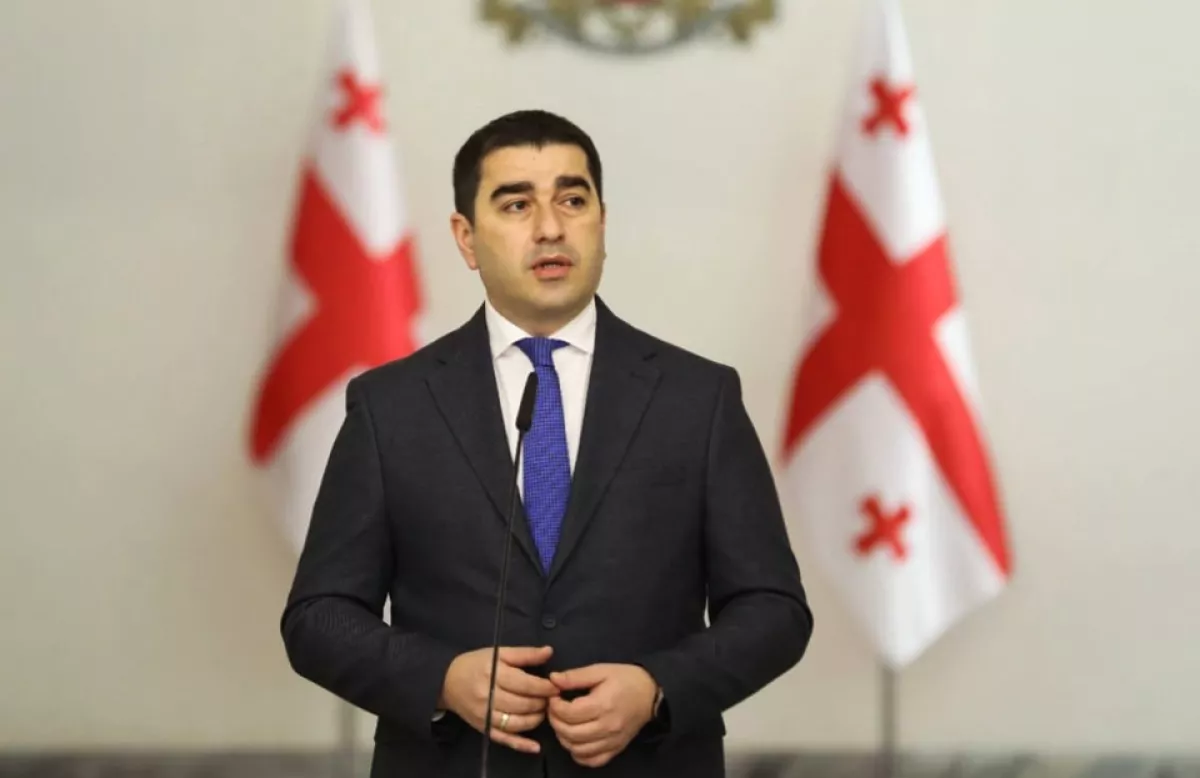
This is underscored, in particular, by a statement from the Speaker of the Georgian Parliament, Shalva Papuashvili, who questioned the European Union’s reputation as a guarantor of the world order.
“The operation carried out in Venezuela, which took just a few minutes, also confirmed that the European Union, as a guarantor of the international order and a global geopolitical player, no longer exists and, apparently, never will again. It turned out that Brussels, when it suits its interests, will not hesitate to benefit from the destruction of the world order and use it to its advantage,” Papuashvili said, adding that Brussels’ actions towards Georgia, which violate international law, serve as clear proof of this.
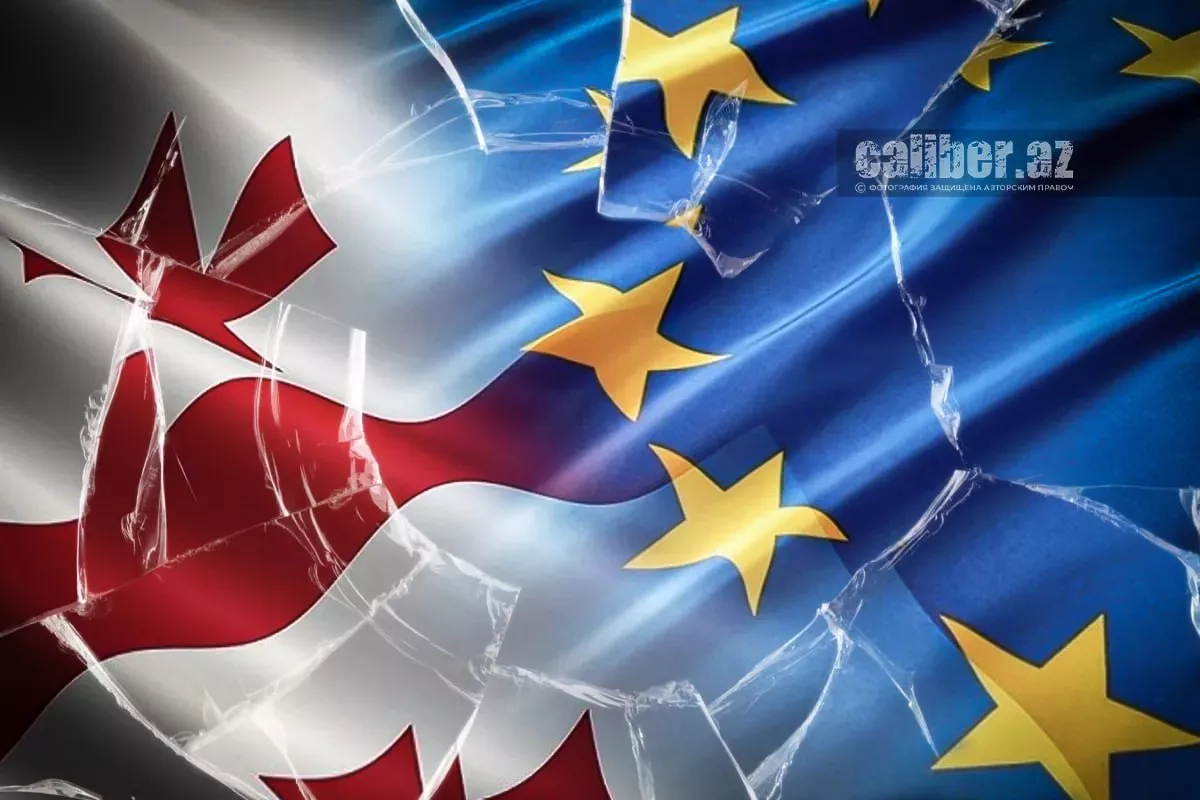
The deterioration in EU–Georgia relations began with the adoption of the “foreign agent” law, prompting the European Union to suspend Georgia’s accession process and freeze part of its financial aid. Later, the European Parliament refused to recognise the results of the 2024 parliamentary elections, in which Georgian Dream secured victory, issuing a resolution claiming that the elections represented “yet another manifestation of the continued democratic backsliding of the country.”
As a result, Brussels’ policy of applying strict pressure on Tbilisi under the pretext of Georgia allegedly failing to meet key EU integration requirements only worsened the situation, ultimately raising the level of tension between them, while the EU’s attempts to interfere in Georgia’s internal affairs undermined the trust of this South Caucasus republic.
In essence, the EU, using Georgia as an example, has shown that the “democratic values and freedom of choice” so proudly touted by the Old Continent do not work when it comes to countries that pursue an independent policy oriented toward their own national interests.
The EU applies a similar approach to member states whose positions fundamentally diverge from its vision. A striking example is Hungary. Hungarian Prime Minister Viktor Orbán maintains his own stance on a number of key issues, openly challenges EU decisions, and criticises the European Commission. What provokes particular—and scarcely concealed—irritation within EU institutions is that the independent policies pursued by the Hungarian government enjoy support from U.S. President Donald Trump’s administration.
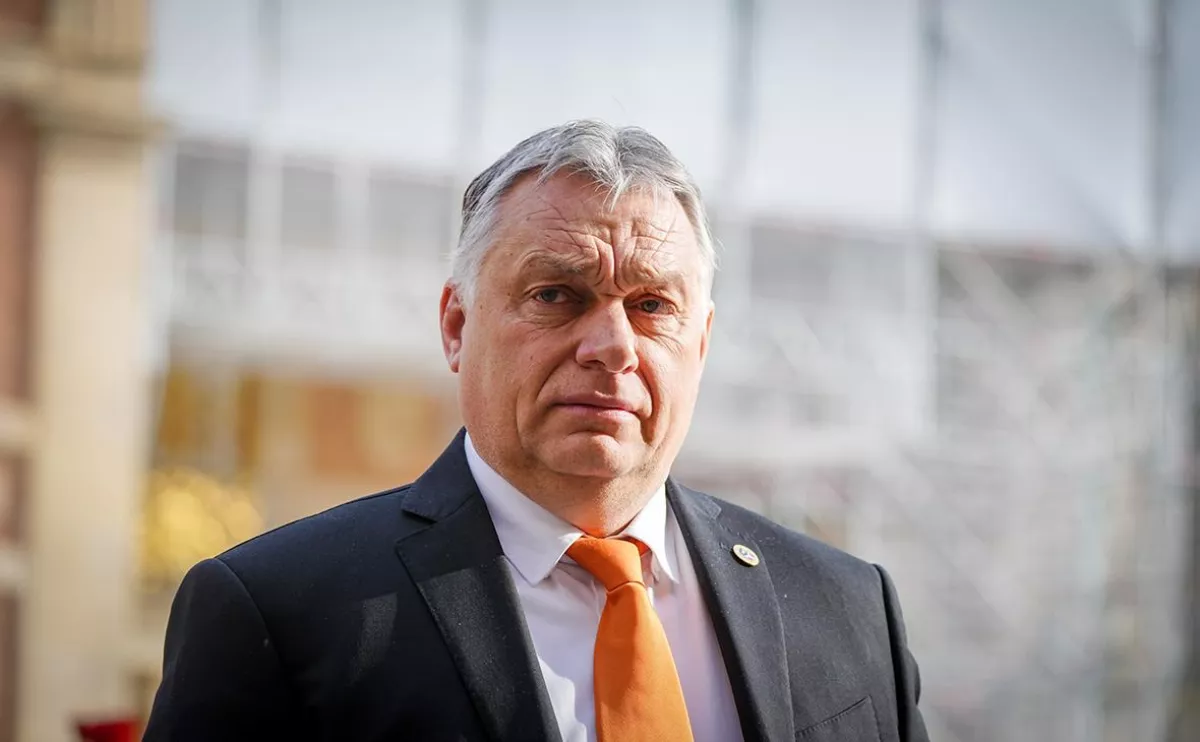
Another demonstration of this confrontation was the recent press conference held by Viktor Orbán, during which he outlined Budapest’s key positions on migration, energy, and Ukraine, also commenting on developments in Venezuela amid the United States’ military operation there. At none of these points does Hungary align with the EU’s official stance. On Venezuela, Orbán framed the U.S. intervention as part of what he described as a new global reality, one that could benefit Hungary through more favourable energy market conditions, noting that control of up to 40–50 % of the world’s oil reserves by the United States and Venezuela could influence prices in Hungary’s interest.
He also reiterated Hungary’s categorical position on Ukraine, making clear that Budapest will not divert funds from its own economic development to support Kyiv. According to Orbán, Hungary should focus on its national priorities and not provide financial assistance to Ukraine, arguing that Kyiv would be unlikely ever to repay such support: “Hungary must not give up its economic development goals. For this, we need money. We do not give it to others, and we will not give it to Ukraine. We also will not provide them with a loan, because everyone knows the Ukrainians will not repay it.”
He went on to reiterate that the EU directive requiring Hungary to accept a certain number of migrants according to quotas will not be implemented. “Hungary will not agree to Brussels telling us who we must live with,” Orbán said, emphasising that the Hungarian state was fortunate to remain aside from the “migration issue,” while in other countries “population replacement” has already begun.
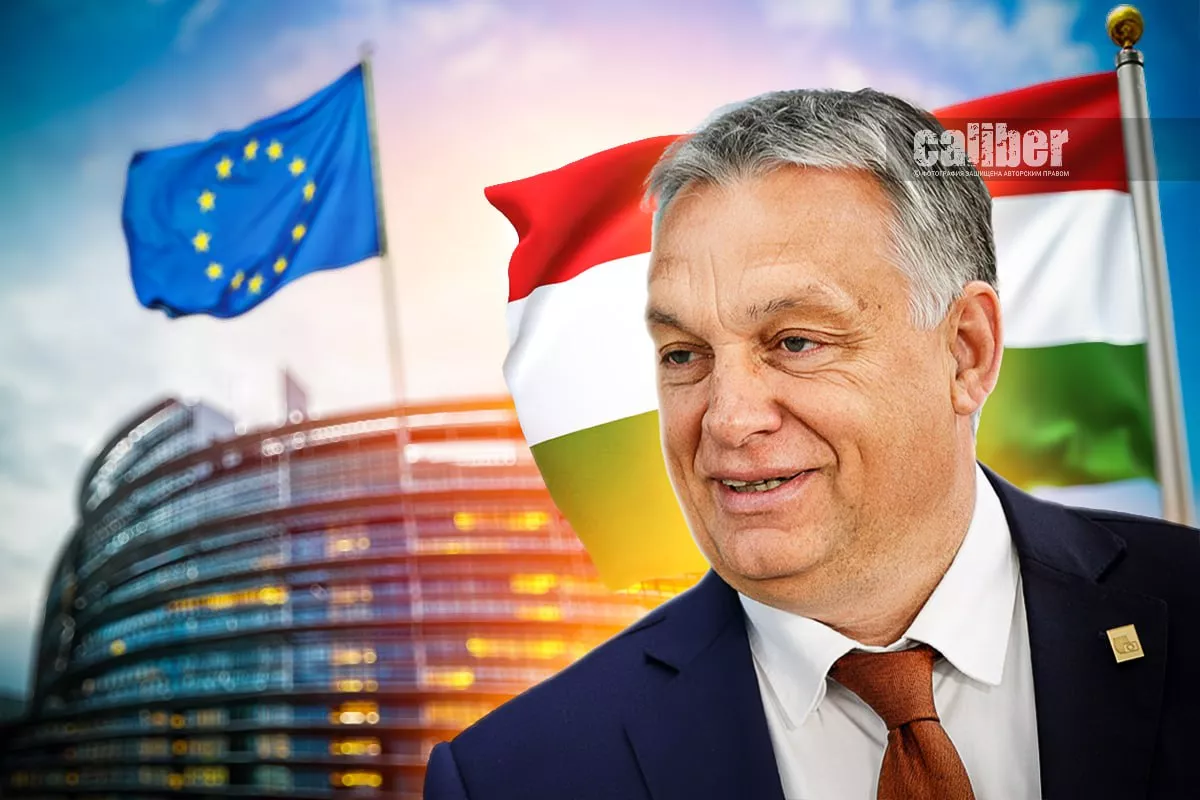
Of particular note is Orbán’s recent sharp criticism and bleak forecast regarding the very future of the EU. He expressed confidence that the Union will ultimately collapse, predicting a process of disintegration that would plunge its leadership into chaos.
“This could be stopped through restructuring, but there is none, as the countries concerned are mired in their own problems,” the Hungarian prime minister said, thereby once again challenging Brussels.
Incidentally, Orbán expressed a similar view in July 2025, stating that the EU is at risk of disintegration, and that only a “multi-speed” model within the structure could save the bloc. According to him, national states should regain the right to vote and Europe should be built in “concentric circles.” In his theory, the first such circle would be built around security and could include Türkiye, which seeks EU membership; the second would rely on economic integration and the Schengen Zone for freedom of movement; the third would correspond to the current Eurozone; and the fourth would include constitutional institutions for those countries aspiring to an “ever closer union.”
However, the positions of the EU and Hungary do not align on a single point of Orbán’s proposed plan. On the contrary, Brussels pursues a diametrically opposite policy both toward member states and in relation to candidate countries, as clearly evidenced by Türkiye and Georgia.
The European Union also prefers to turn a blind eye to the provocative policies of its own institutions, namely the European Parliament and the European Commission, the negative consequences of which Hungary has repeatedly experienced. For example, in December 2025, the European Commission issued a warning to Hungary for allegedly failing to comply with the EU Media Freedom Act (EMFA).
All of this clearly demonstrates that the European Union, without the slightest hesitation, flagrantly violates widely accepted legal norms, directly contradicting, among other things, the very Charter of the organisation. This reality makes it evident that policies pursued by Hungary and other nations to strengthen national sovereignty and curb Brussels’ power will repeatedly face double standards. Consequently, there is little chance of any meaningful shift in the approach of European institutions. Such rigidity and inflexibility could ultimately prove disastrous for the EU as a global actor.







 editor@caliber.az
 +994 55 444-88-98
 Азербайджан, Баку, ул. Низами, 203, Af Business House, 5-й этаж