










Germany: Is there an alternative to the crisis? AfD claws at the ratings
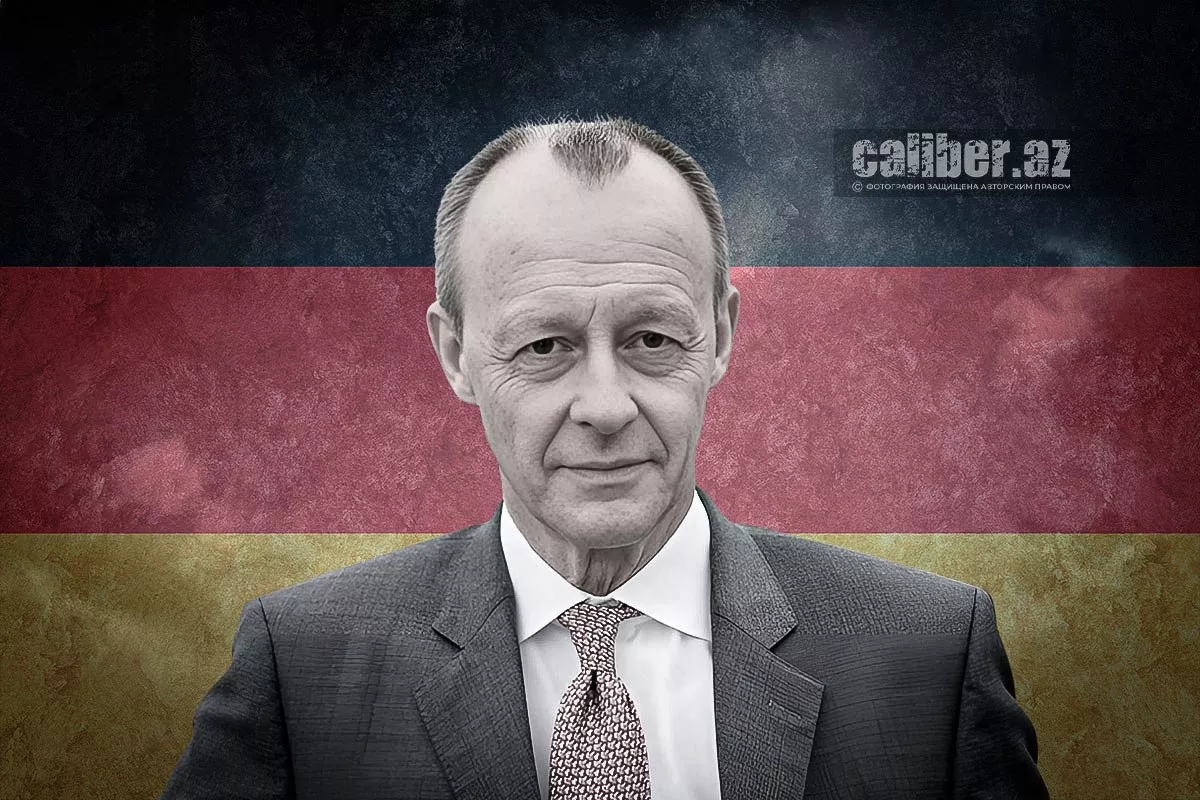
In Germany, the ratings battle between the country’s leading parties continues. Polls conducted in recent months show a decline in the popularity of the current Chancellor Friedrich Merz, while the main opposition party, the right-wing populist Alternative for Germany (AfD), is gaining support.
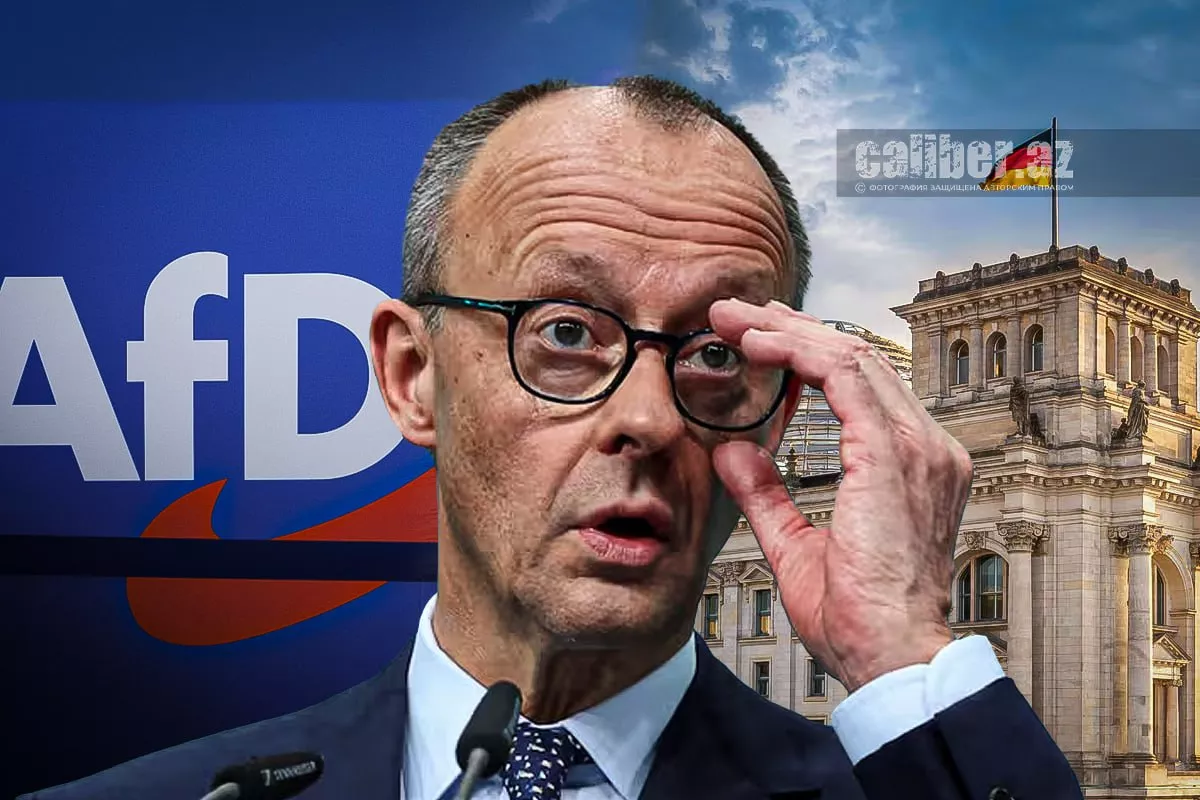
Bild, citing the results of a survey by the INSA institute conducted on February 5–6, reports that 67% of respondents expressed dissatisfaction with Merz’s performance. This is 5% higher than in January. Only 23% of Germans approve of the Chancellor’s work. Meanwhile, the CDU/CSU alliance, to which Merz belongs, received 25% support in the survey. Against this backdrop, the AfD once again reached the top spot in the political party ratings, garnering 26% of the vote.
While Friedrich Merz’s popularity grew in the first months after his election victory, the situation began to change last autumn. Both trends are quite explainable. Initially, there was excitement, bold statements, and decisive steps that, even if unpopular, at least impressed with their determination. However, because the effects of these actions are not immediate, and society wants change here and now, criticism has been steadily rising.
This, of course, is a somewhat simplified storyline. In practice, there is a complex mixture of processes at play, including the fragile structure of the coalition government. Populist criticism of the government by the AfD also plays a significant role—since they are highly skilled in using rhetorical techniques. AfD rhetoric is often focused on opposing German support for Ukraine. Against the backdrop of a general economic downturn, AfD narratives about Ukrainians “living off” Germans are gaining popularity.
“The European Union is taking on €90 billion in debt to support Ukraine. Chancellor Merz is shifting Germany’s debt policy onto the EU. As a result, German taxpayers will have to pay again!” — wrote AfD leader Alice Weidel on her social media page X in December 2025, after the EU summit approved the loan to Kyiv.
Contemporary Germans face a difficult choice: on one hand, they have been raised with a sense of democratic solidarity; on the other, they like to count every cent. The AfD’s discourse skillfully plays on this second aspect of German character, while also striking another sensitive nerve—honesty and integrity in public affairs. For example, the AfD did not miss an opportunity to exploit a corruption scandal in Ukraine to its advantage, recently proposing the creation of a “task force” under the guidance of Germany’s Foreign Ministry, involving other ministries and the Federal Prosecutor’s Office, which would monitor all aid to Ukraine and “investigate and prosecute corruption, money laundering, human trafficking, and the trade in weapons and drugs.”
Adding to all of this is the strong “showmanship” element of every public appearance by AfD leaders, resulting in a slow but steady rise in their popularity. The sharp and emotional speeches of the Alternative for Germany feel like a breath of fresh air against the backdrop of decades-long dominance of politically correct culture.
Merz might have lost even more support if help had not arrived—from a source no one expected. U.S. President Donald Trump, with his energetic demand that Greenland be handed over to the Americans, slightly unsettled the AfD’s position, creating disagreements within the party. Some of its members support Trump, while others—though they oppose European integration—see Washington’s stance on Greenland as a general threat to the sovereignty of each European country.
This split led to a strange situation in which the party co-chair Tino Chrupalla, in the same interview, criticised both the U.S., calling its policy imperial, and the German government, noting that sending German troops to Greenland weakens the Western military alliance and calls it into question.
However, even the absence of a clear position on pressing issues of European foreign policy—while not contributing to the AfD’s rise in popularity—has also not caused it to fall. This may be the most alarming signal for the ruling coalition: German society’s fatigue with the old paradigm of political struggle around a centrist core seems to be reaching a critical level.
At the same time, it is important to understand that liberal and social-democratic traditions in Germany remain strong enough that parties like the AfD are unlikely, in the near future, to win the support of an absolute majority of Germans. Moreover, single-party governments are generally very rare in the Federal Republic. Nevertheless, the AfD is clearly moving toward a position in which it could soon receive more votes than any other party and form a coalition government.
Even here, however, questions remain, as it is still difficult to imagine any party willing to enter a coalition with the AfD. In any case, it is highly likely that such a government, if formed, would be even more crisis-prone than previous ones.
All of this suggests that a state of political crisis is likely to become a defining phenomenon in Germany’s near future—and, by extension, across the entire European continent.







 editor@caliber.az
 +994 55 444-88-98
 Азербайджан, Баку, ул. Низами, 203, Af Business House, 5-й этаж