










Heatwave challenges French politics Between climate and citizens
Today, alongside reports on turbulent events reshaping the geopolitical landscape, international news headlines have also been dominated by stories of natural disasters in various parts of the world.
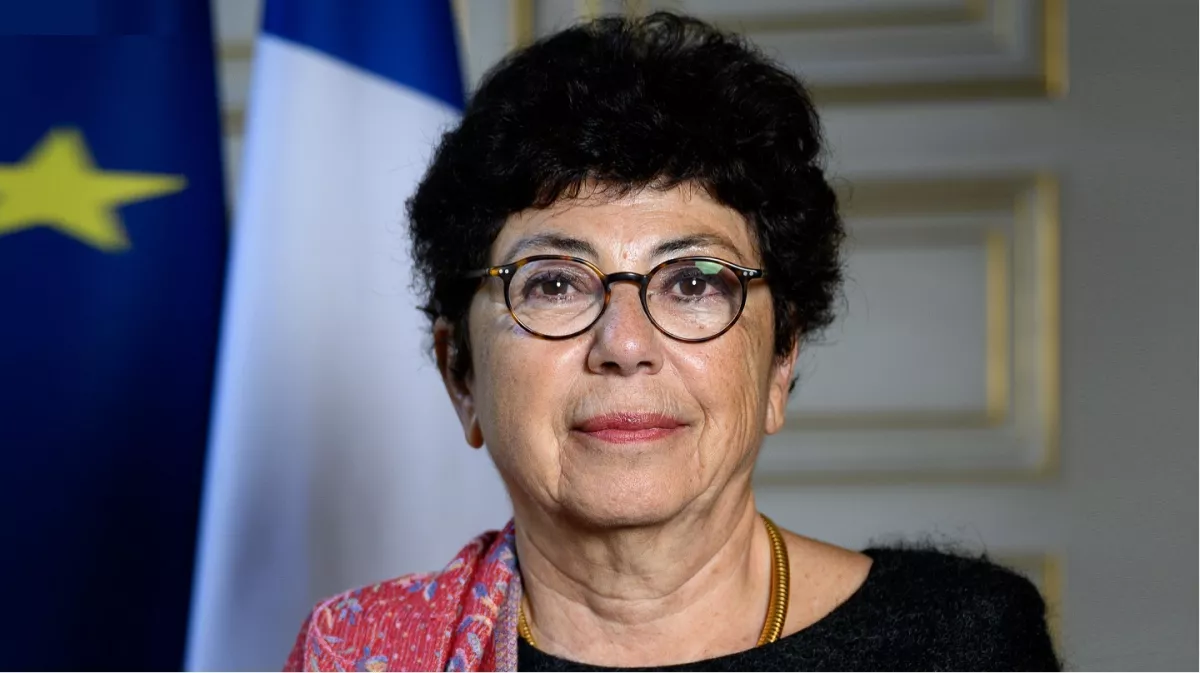
Against this backdrop, a particularly telling statement by France’s Minister for Ecological Transition, Monique Barbut, attracted considerable attention. Speaking at Airparif, the organisation responsible for monitoring air quality in the Île-de-France region, she remarked: “I am appalled by people who say: ‘Let’s install air conditioners everywhere.’ Do you think that putting air conditioners everywhere will prevent wildfires or stop animals from dying? That is not an adaptation to global warming.”
Her comments came at a time when France, like much of Europe, was in the grip of an unprecedented heatwave. In southwestern France, temperatures reached 44.3–44.6°C, while tens of thousands of people sought medical assistance, hospitals came under severe strain, and mortality rates rose among vulnerable groups, particularly the elderly. Against this backdrop, the public reaction to the minister’s remarks was both predictable and understandable: many viewed her statement as evidence of how disconnected parts of the political elite have become from the everyday concerns of ordinary citizens.
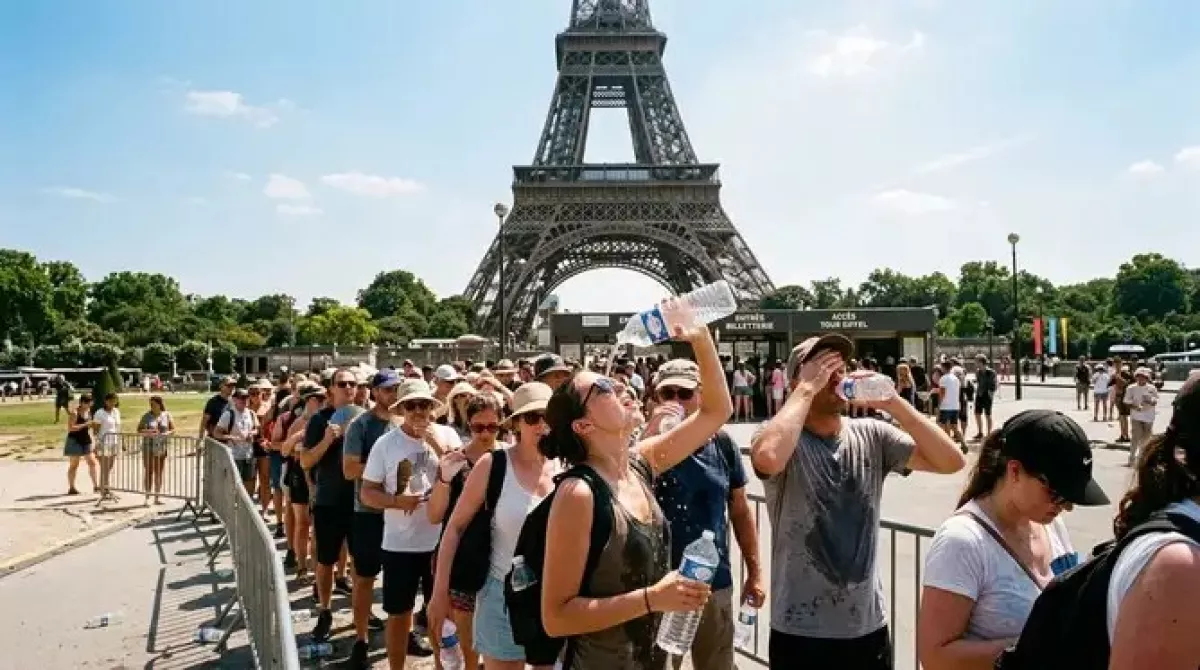
It is important to provide some context here. In France, the issue of air conditioning has long been a sensitive one. Historically, buildings were not designed to withstand extreme heat. At the same time, the French Republic has actively promoted an environmental agenda focused on reducing energy consumption, while strict architectural regulations—particularly in Paris—have limited the widespread installation of air-conditioning systems.
As a result, many apartments in the French capital are poorly equipped to cope with high temperatures. Installing air conditioners is often a complicated and costly process, while alternative solutions, such as improving insulation and expanding green spaces, have been introduced only gradually. For ordinary French citizens, therefore, air conditioning is not an ideological choice but a matter of physical comfort—and, during prolonged heatwaves, even of survival.
This highlights a fundamental contradiction. On the one hand, there is the long-term strategic debate over climate change, sustainable development, and emissions reduction. On the other hand, there is the immediate reality faced by ordinary people, who are simply trying to endure extreme heat in the here and now.

From the perspective of climate strategy, Barbut is entirely correct: air conditioners do not solve the problem of global warming. On the contrary, they increase energy consumption and may worsen the situation in the long run. At the same time, however, citizens need protection, as extreme weather conditions are a reality, and ignoring their consequences leads to a loss of public trust.
Notably, similar debates over air conditioning have emerged in many Western countries, reinforcing the perception that part of the political establishment prioritises long-term global objectives while overlooking people's immediate needs. This fuels public frustration and resentment, which can ultimately translate into waves of protest.
Thus, the controversy over air conditioners extends far beyond a simple everyday issue, serving instead as an illustration of a much deeper challenge: finding the right balance between the global agenda and the needs of ordinary people. Resolving this dilemma ultimately depends on the state's ability to set the right priorities.

In this context, Azerbaijan provides a particularly illustrative example. While remaining committed to its environmental agenda, the country places a strong emphasis on the well-being and comfort of its citizens. In Azerbaijan, individuals are free to decide for themselves whether or not to install air-conditioning systems in their homes.
It may therefore be argued that European countries, which have traditionally positioned themselves as pioneers of democracy, should reconsider their approach and place greater emphasis on the needs and interests of ordinary people. As United Nations Secretary-General António Guterres has stated, “Human rights are the oxygen of humanity.” In this regard, it is reasonable to argue that the right to use air conditioning during periods of extreme weather also falls within this category.







 editor@caliber.az
 +994 55 444-88-98
 Азербайджан, Баку, ул. Низами, 203, Af Business House, 5-й этаж