










Hormuz and Iran’s bet on a protracted war Analysis by Shereshevskiy
In recent days, Iranian media have warned regional countries that any facilities hosting foreign military personnel, intelligence agents, or experts will be considered legitimate targets by the Islamic Republic. Among the potential targets mentioned are, in particular, Beirut Airport and the presidential palace in Damascus.
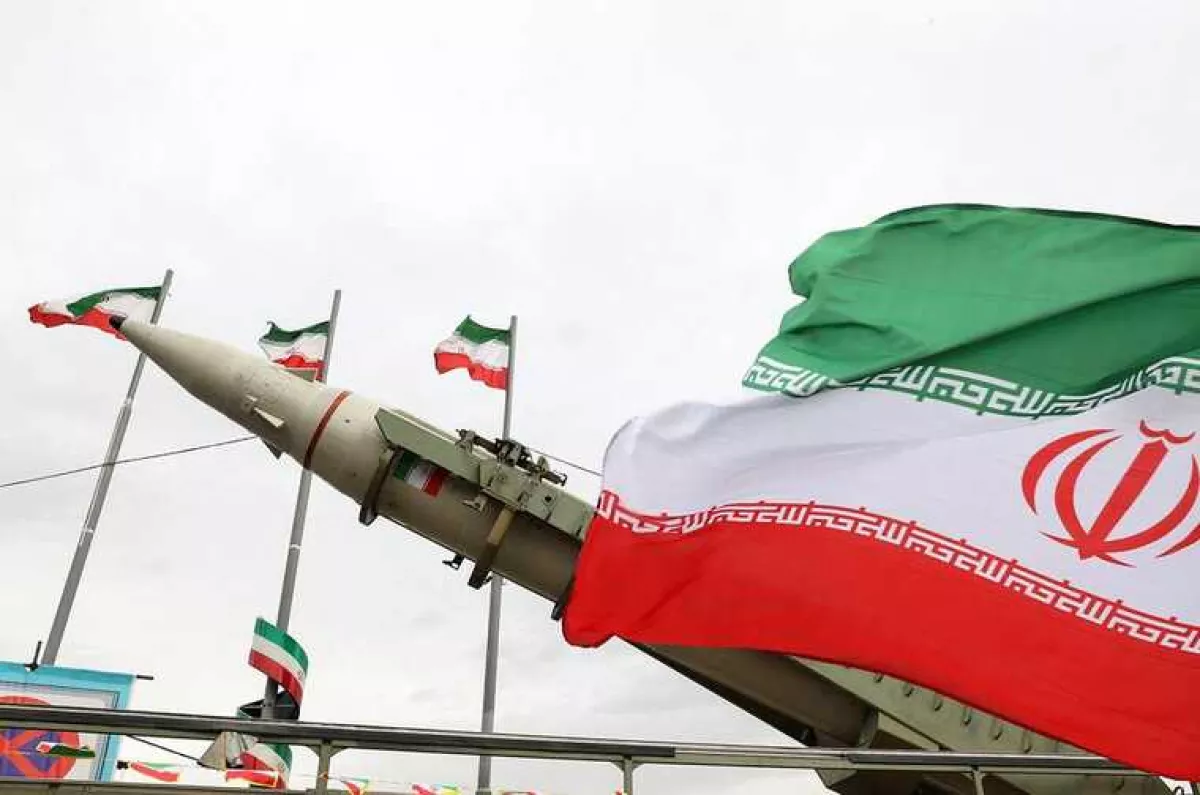
It appears that Tehran intends to expand the scope of missile and drone strikes as part of a “horizontal escalation” strategy. The calculation is that regional countries, finding themselves in an unbearable situation, will be forced to turn to Washington to request a halt to military operations against Iran. However, although these states have already lobbied for a ceasefire, their influence on Donald Trump has proven insufficient to compel him to stop the war.
Tehran also asserts that it has no intention of relinquishing control over the Strait of Hormuz—a key route for global oil trade—and plans to charge fees for ships passing through it. At the same time, Iran remains one of the few countries capable of escorting tankers through the strait and continuing oil exports, benefiting from rising prices.
In effect, by creating the risk of a significant portion of oil being removed from global circulation—up to 15% if supplies through the Strait of Hormuz are fully disrupted—Tehran is setting the stage for a global recession, while simultaneously undermining Donald Trump’s position within the United States. Rising fuel prices work directly against him in the eyes of voters. The corporate elite, including the 52 multibillionaires who funded his election campaign, are not interested in a recession—nor are the voters themselves. Sooner or later, Trump will have to take this factor into account.
However, this strategy also has a downside. Tehran’s actions could push several regional countries—from Syria to Saudi Arabia, the UAE, and Pakistan—to seek a definitive resolution to the “Iranian question,” since living next to such a state poses a constant security threat.
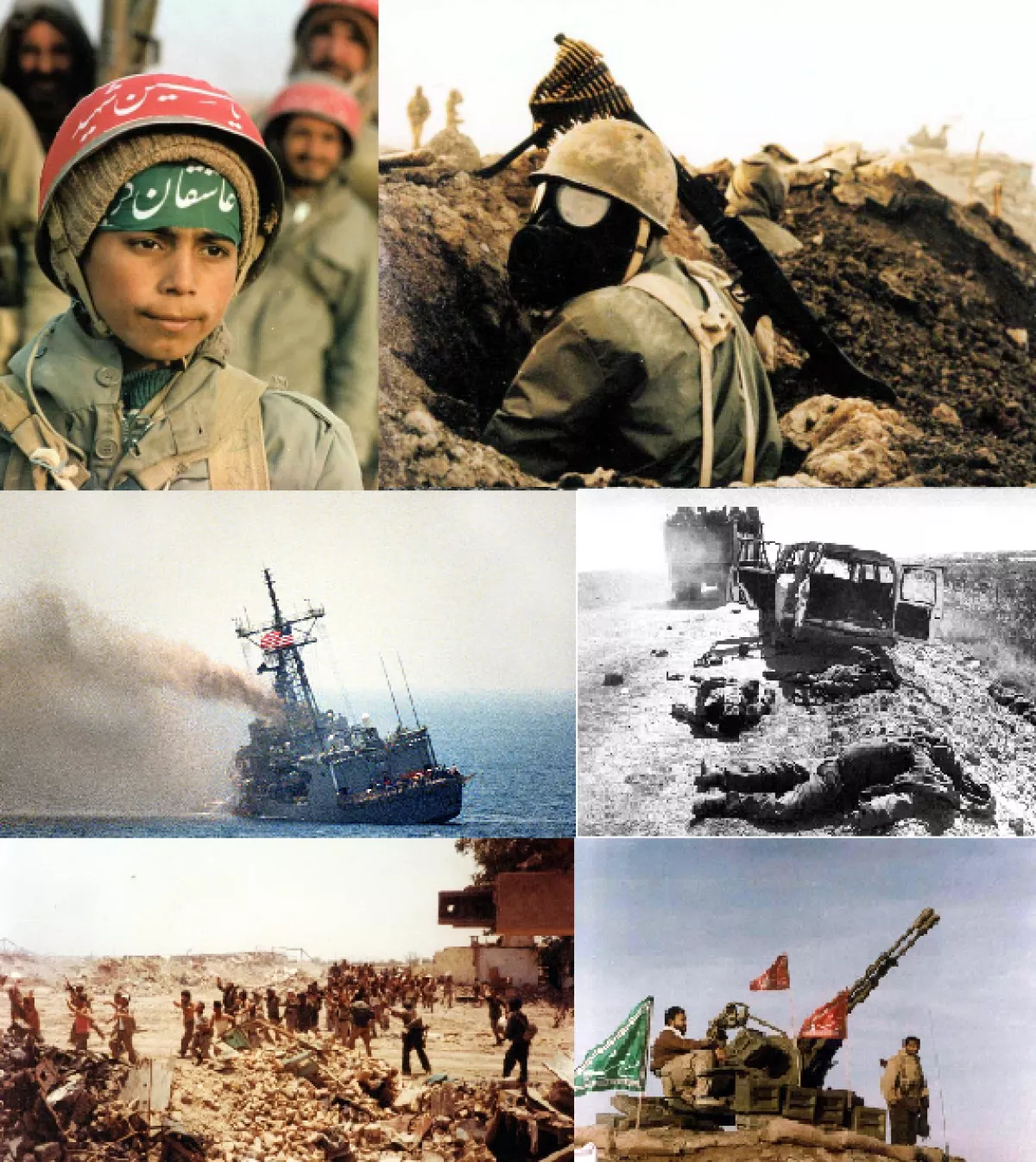
Iran’s tactics can remain effective only as long as no one initiates a ground operation, given the experience of the eight-year Iran–Iraq War, which claimed around one million lives in Iran and 200,000 in Iraq, yet brought no victory to either side. Even the United States has not taken such a step so far, though it is already deploying forces to the region, potentially preparing for a ground offensive.
In the long term, Iran’s strategy could lead to the formation of an international coalition focused on a land war—not because anyone desires it, but because regional countries and their allies may have no other choice. They cannot live indefinitely under the threat of strikes, especially while Iran controls a key global oil artery and can exert prolonged pressure on the world economy, extracting political and economic dividends from it.
At this stage, Saudi Arabia, the UAE, and Syria are likely taking a wait-and-see approach, observing the unfolding conflict between the U.S.–Israeli coalition and Iran. There remains hope that the U.S. and Israel will cease strikes, and Iran, in turn, will lift the blockade of the Strait of Hormuz and stop attacks on neighbouring countries. However, this seems unlikely. Iran currently has no intention of retreating—and it has reasons for this. Tehran understands that even if pressure eases today, strikes could resume in six months or a year, including the targeting of ruling elite figures.
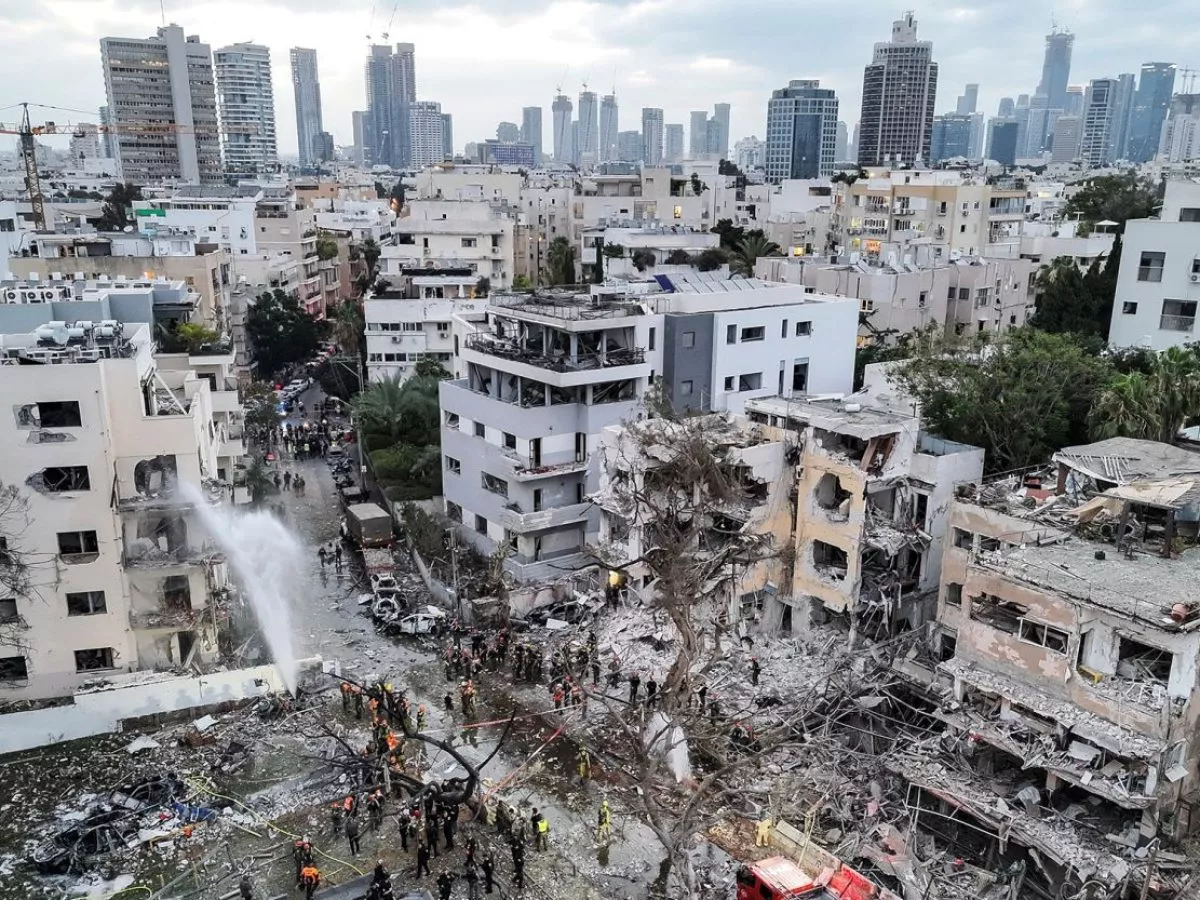
A similar scenario has already played out: first during the 12-day war in June 2025, and later with a new wave of strikes that began on February 28, which also involved the elimination of key figures. Under these circumstances, Iran’s leadership appears to be betting on long-term survival through control of the world’s main oil artery. By influencing oil prices, Tehran seeks to pressure the global and regional economy, constraining the ambitions of the U.S. and Israel. At the same time, it aims to keep Middle Eastern countries in a constant state of tension through missile and drone strikes. The strategy appears strong, yet it is highly ambitious—Washington is unlikely to allow the region and the strait to become Iran’s hostage.
Additionally, Iran’s approach is aimed at undermining the entire regional political and economic ecosystem. As a result of the blockade of the Strait of Hormuz, Saudi Arabia’s oil exports fell by 52%, Iraq’s by 49%, and Kuwait’s by 72%.
The foundation of the modernisation model adopted by Saudi Arabia and the UAE is a transition to a post-oil future. This involves investments in the hundreds of billions—and ultimately trillions—of dollars: building modern industrial facilities, developing high-tech hubs and tourism, constructing new cities, and modernising port infrastructure. However, under current conditions, all these plans, which form the basis of the Gulf states’ strategy, risk turning into empty ambitions.
If Iran intends to maintain control over the Strait of Hormuz, daily removing up to 15 million barrels of oil from global trade—a volume that will be impossible to compensate for in the coming months—dictating tanker passage, and striking regional infrastructure with missiles and drones, investors are unlikely to commit to complex, capital-intensive, long-term projects in the Gulf countries or in Syria.
At the same time, the United States cannot simply leave the strait under Iranian control by halting military operations. Doing so would effectively grant the Islamic Republic a strategic victory, despite its significant losses, providing it with a tool to influence the global economy and dictate conditions on a worldwide scale. In this context, the current situation objectively points toward further escalation of the conflict.
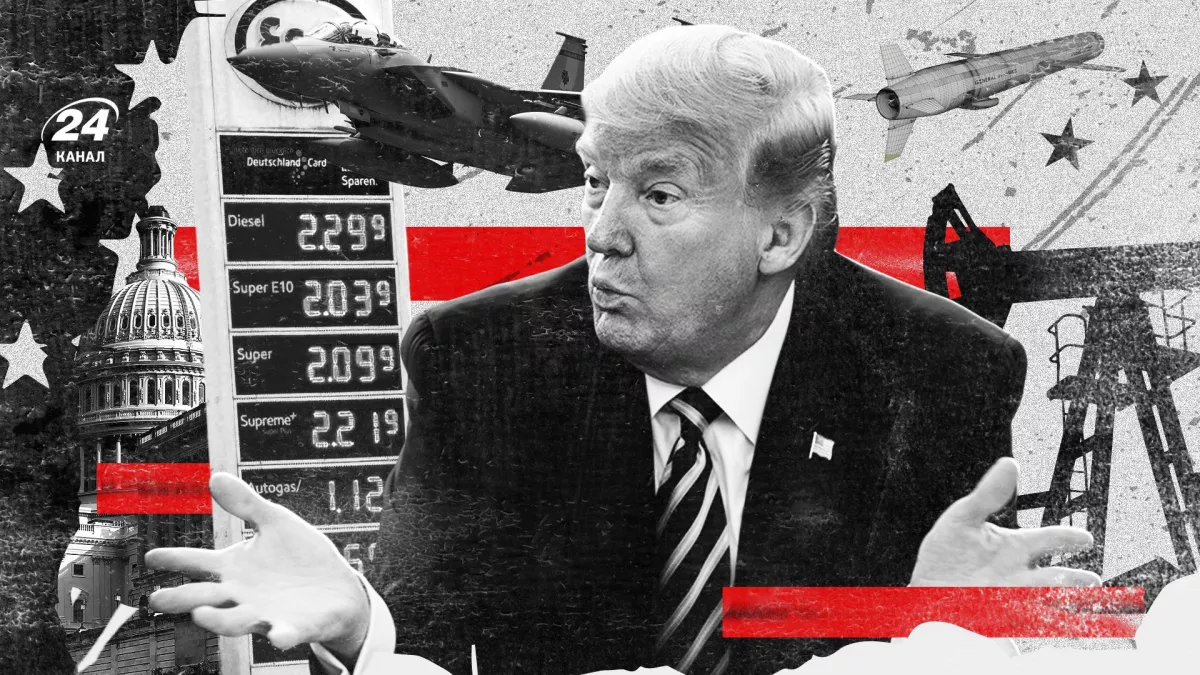
Iran’s strategy also involves drawing Donald Trump into a protracted and exhausting war—at least, this is the official position of the Islamic Revolutionary Guard Corps (IRGC). Tehran is counting on a prolonged confrontation to eventually force the U.S. to ease pressure, drawing a parallel with its withdrawals from Afghanistan and Vietnam.
How realistic this calculation is remains an open question; however, the Iranian leadership apparently believes in it. For this reason, they do not show serious concern even regarding a potential U.S. ground operation.
As for the regional countries, they are currently taking a wait-and-see approach. Over time, however, Iran may face a new problem: its Arab neighbors are increasingly concluding that sustainable coexistence with it is impossible. This, too, drives the situation toward further escalation.







 editor@caliber.az
 +994 55 444-88-98
 Азербайджан, Баку, ул. Низами, 203, Af Business House, 5-й этаж