










Iran: Can the regime survive the protests? Expert opinions on Caliber.Az
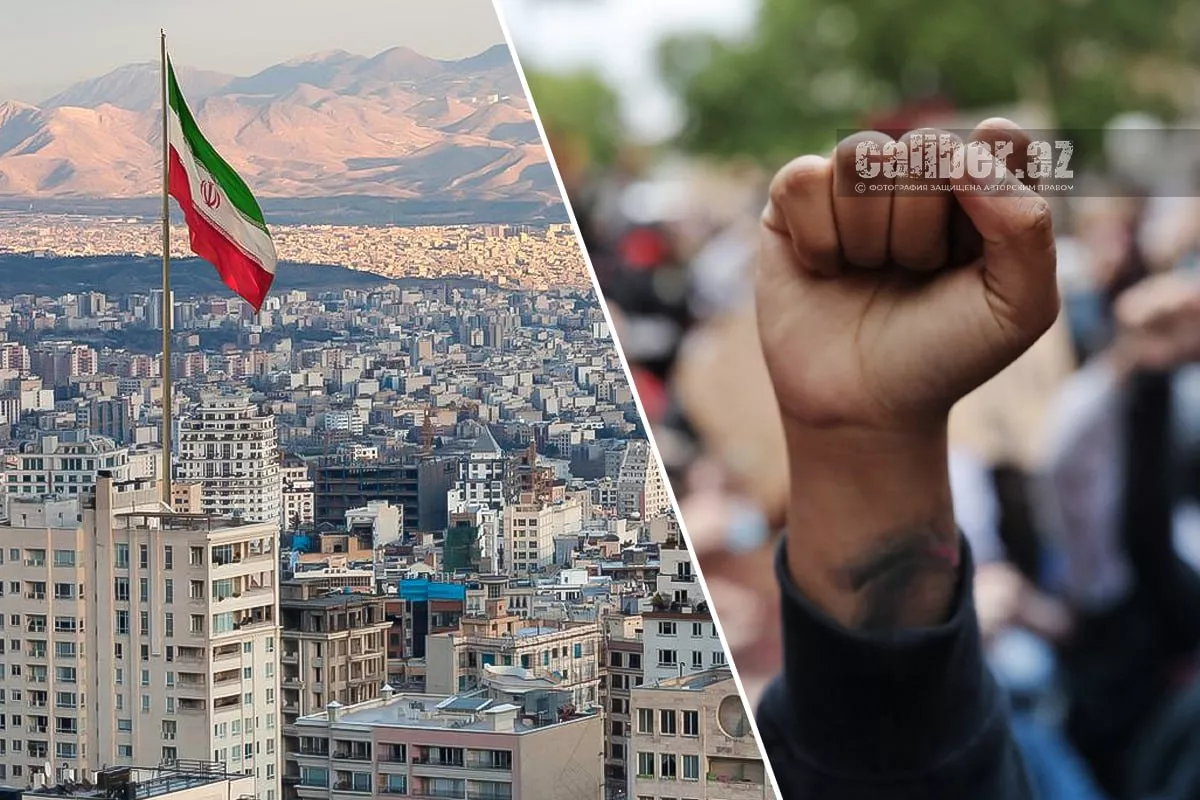
Large-scale anti-government protests continue in Iran, triggered by a deep economic crisis. The immediate catalyst has been the sharp fall of the national currency (rial), inflation exceeding 36%, rising food prices, and interruptions in electricity and water supply.
It is clear that the roots of the crisis also lie in recent events. In the summer of 2025, Israel and the United States carried out a series of strikes on Iran’s nuclear facilities and military leaders. Tehran was also threatened with further attacks if it resumed its nuclear programme. Moreover, Iran has clearly weakened its regional position following strikes on Hezbollah and the fall of Bashar al-Assad’s regime in Syria.
The current protests have been ongoing for a week (since late December 2025), spreading across Tehran and many provinces. Participants include bazaar traders, students, and pensioners.
At least 16 people have reportedly been killed in clashes. Security forces (the IRGC and Basij) are using tear gas and, in some cases, live ammunition. Supreme Leader Ali Khamenei has appeared in public, calling for the “rebels to be put in their place.” The country is also experiencing significant internet disruptions, with traffic down by 35%.
Against this backdrop, U.S. President Donald Trump issued a warning to the Iranian authorities that if they open fire on protesters, the United States would intervene in the situation.
What could all this lead to? Could it result in a coup and a change of government? Or will the protests once again be suppressed?
Renowned foreign analysts have agreed to comment on the situation for Caliber.Az.
Israeli Iran specialist and author of the Telegram channel Oriental Express, Michael Borodkin, believes that the current anti-government unrest in Iran is unfolding according to a pattern that has become familiar in recent years.
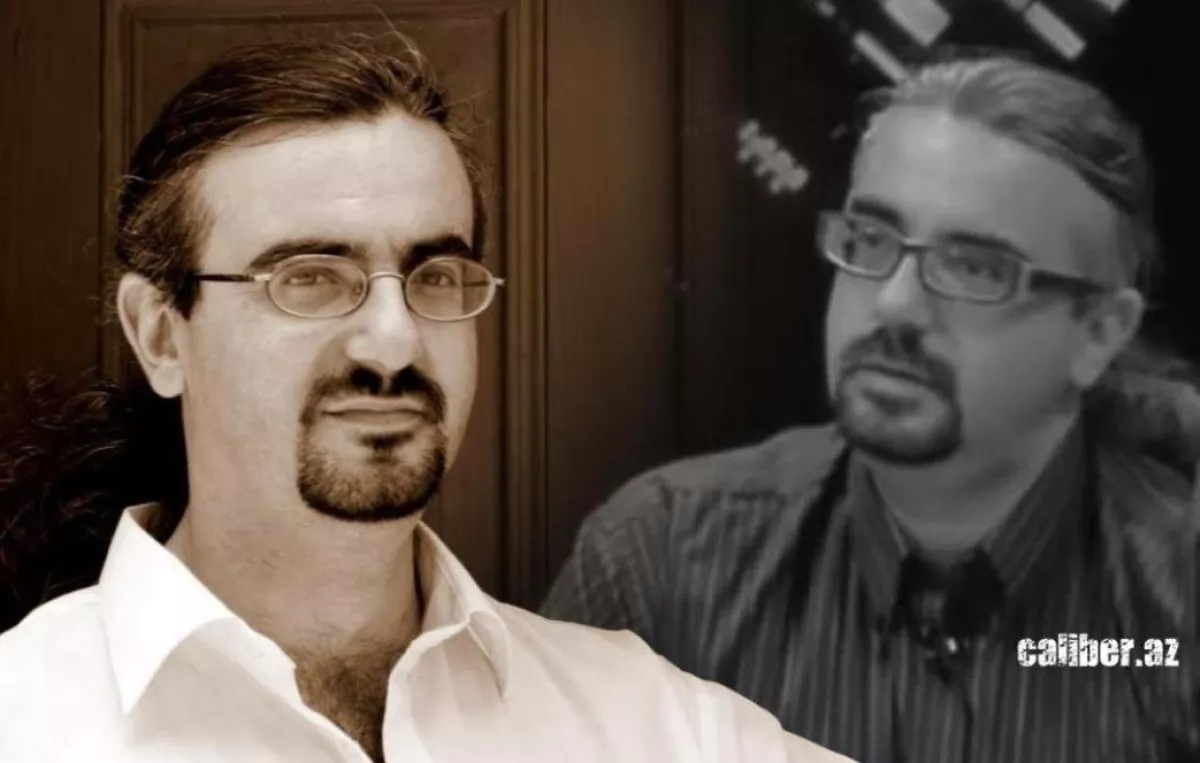
“Opposition groups take to the streets in many cities across the country, attacking symbols of the regime — this time, the portraits of General Qasem Soleimani were particularly targeted, given the anniversary of his assassination. The authorities initially respond weakly, then increasingly harshly.
The main difference in this wave of protests is that almost from the very beginning, demonstrators are chanting monarchist slogans and demanding the overthrow of the Islamists. For the people, the old regime seems more appealing than the one that replaced it.
Another difference is the president’s statement about his willingness to negotiate with the protesters. This did not happen in the past. However, Supreme Leader Ali Khamenei quickly corrected him, saying that people are allowed to protest, but they cannot rebel — in other words, they cannot demand a change of regime, which is exactly what the demonstrators are calling for. So there will be no dialogue with them,” the Iran specialist said.
Otherwise, he says, at present, as in previous years, we do not see a broad coalition of anti-government forces forming, nor a unified opposition organisation, nor coordinated action among the protesters.
“There is still no split within the security apparatus. Incidentally, the demonstrations themselves are still not as large as they were in 2022, although their reach is quite extensive.
Therefore, it seems more likely that past patterns will be repeated, with the authorities using force to suppress these protests as well. This scenario may only be avoided if Trump follows through on his threat and uses force himself to protect the protesters. But whether he will do that, I cannot predict,” Borodkin added.
Georgian political analyst and Middle East expert Vasili Papava noted that the Islamic Republic of Iran faced another wave of protests in late 2025 and early 2026, triggered by record-high inflation and the collapse of the national currency. However, the system demonstrates high internal resilience in the face of this pressure.
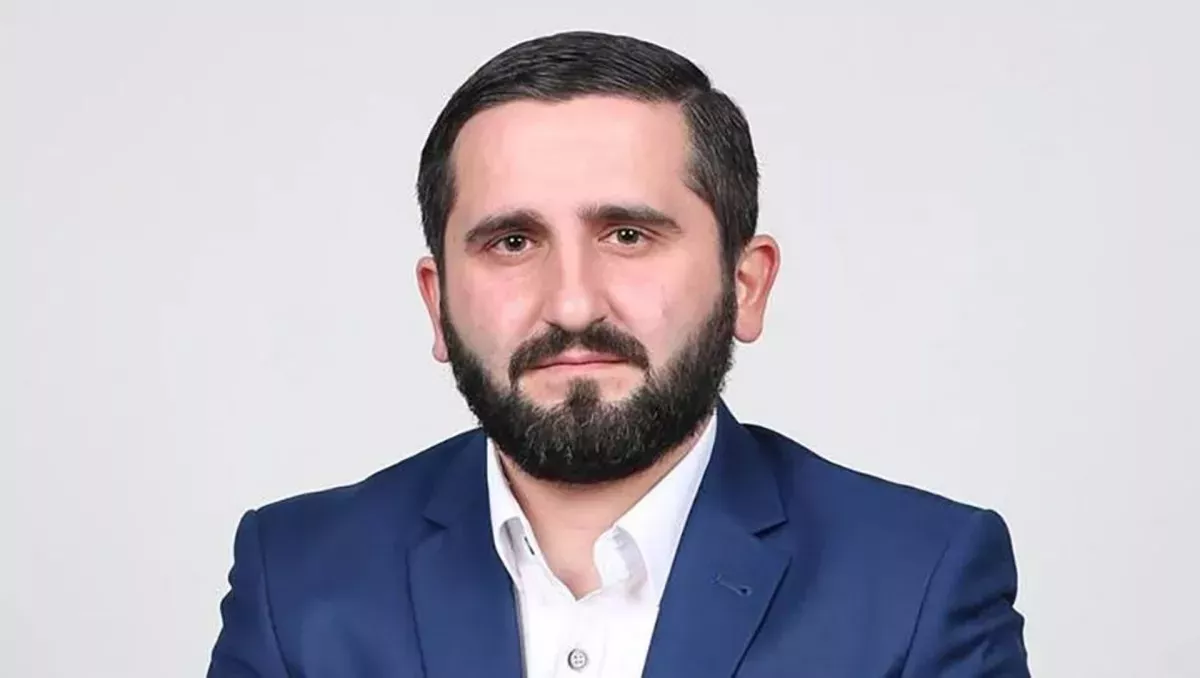
“Although the streets of cities are filled with discontent, the regime contains the threat by relying not only on force but also on a deeply entrenched structure of theocratic governance, which combines religious legitimacy with effective mechanisms of social and ideological mobilisation. This system has skillfully absorbed elements of the past grandeur of the Persian monarchy, transforming traditional self-awareness into a modern concept of regional leadership and defence of sovereignty, allowing the authorities to maintain control even during moments of peak social tension.
A key factor in the regime’s durability is its extensive network of religious institutions — mosques, charitable foundations (‘bonyads’), and local communities — which permeate the daily lives of millions of Iranians. These structures are not merely religious centres; they are the main channels for distributing social assistance, subsidised goods, medical services, and material support, especially in rural areas and among conservative segments of the population. The ‘bonyads,’ controlling up to 20% of the country’s GDP, create a parallel economy that is largely insulated from standard market shocks. Millions of families depend on this system during the economic crisis, generating deep material and emotional loyalty to the existing order and rendering it largely immune to purely economic protests.
The Basij (popular militia) and the Islamic Revolutionary Guard Corps (IRGC) are not merely security forces but an integral part of the religious and social fabric. Basij activists are mobilised from local parishes and communities, where defending the regime is perceived as a sacred duty and an expression of faith. Meanwhile, by 2026, the IRGC had fully transformed into a massive business conglomerate, linking the survival of the mid-level command structure to the preservation of the political status quo. This enables the system to quickly mobilise hundreds of thousands of loyal supporters to maintain order, creating a self-organising loyal environment in which traditional districts themselves counter radical elements.
The national-patriotic factor plays a decisive role in consolidating society around the authorities. A deep historical memory of foreign intervention — particularly the 1953 coup orchestrated by the West — fosters a heightened sense of national dignity and suspicion toward any attempts to change power with external support. Even among Iranians dissatisfied with the economy, the belief prevails that external threats (such as the 2025 Israeli and U.S. strikes on nuclear facilities) require unity to safeguard sovereignty. The ‘besieged fortress’ effect has repeatedly proven effective: during the 12-day war with Israel in June 2025, no large-scale internal unrest occurred, and society, including opposition elements, chose to prioritise national interests over domestic grievances,” the expert noted.
According to him, the authorities successfully exploit the archetype of the “defender of sacred borders,” appealing to the idea that the fall of the regime would not lead to democracy, but to the division of the country along the lines of Libya or Syria.
“The Shia clergy and elite possess exceptional adaptability, allowing the system to evolve without losing its foundations. Internal debates between the ‘traditional’ and ‘political’ clergy, as well as disagreements at the top (such as between Khamenei’s hardline stance and President Pezeshkian’s calls for dialogue), do not lead to collapse but serve as mechanisms for self-regulation and transformation. The existence of legal channels for expressing moderate discontent through the office of the president allows ‘steam to be released’ without dismantling the system of velayat-e faqih. The concept of velayat-e faqih (rule of the jurist) ensures the sacred status of the Supreme Leader, while religious institutions remain the primary level of governance locally, maintaining the façade of a theocracy even if the role of military structures like the IRGC is strengthened.
Fear of chaos and the disintegration of the country further strengthens the regime’s position. Interethnic tensions, the water crisis, and the risk of separatism lead the moderate segment of society to view the authorities as the sole guarantor of territorial integrity. Following the loss of influence in the region after the fall of Assad’s regime in Syria in December 2024 and the weakening of the ‘Axis of Resistance,’ the regime skillfully positions itself as the defender of national unity, consolidating even critically minded patriots. In conditions of geopolitical isolation, Iran is betting on deepening ties with eastern partners, giving the elite a sense of an alternative development path outside the Western paradigm.
Overall, the internal symbiosis of religion, ideology, and social support makes the system highly resilient to ‘bottom-up’ pressure. Millions of Iranians — from Basij activists to IRGC officers — link their social status, well-being, and value system to existing institutions. This deep integration of faith and power provides a ‘fundamental margin of resilience,’ allowing the regime to survive crises like the current protests triggered by the collapse of the rial and inflation exceeding 40%. As long as mosques and local communities remain centres for loyalist mobilisation, and external threats reinforce the patriotic filter, a complete overthrow of the system through street protests remains extremely unlikely. The system is not static — it is capable of partial concessions and transformations while preserving its essence as a cohesive ideological structure with high self-organisation,” Papava stated.







 editor@caliber.az
 +994 55 444-88-98
 Азербайджан, Баку, ул. Низами, 203, Af Business House, 5-й этаж