










Iraq’s anti-corruption crackdown: reform or a new power struggle? Analysis by Shereshevskiy
International observers rank Iraq among the most corrupt countries in the region. Against this backdrop, the efforts of the country’s new Prime Minister Ali al-Zaidi to combat corruption have drawn particular attention.
On June 29, Zaidi stated that the recent arrests in the country were only the beginning of a much broader campaign aimed at eliminating corruption.
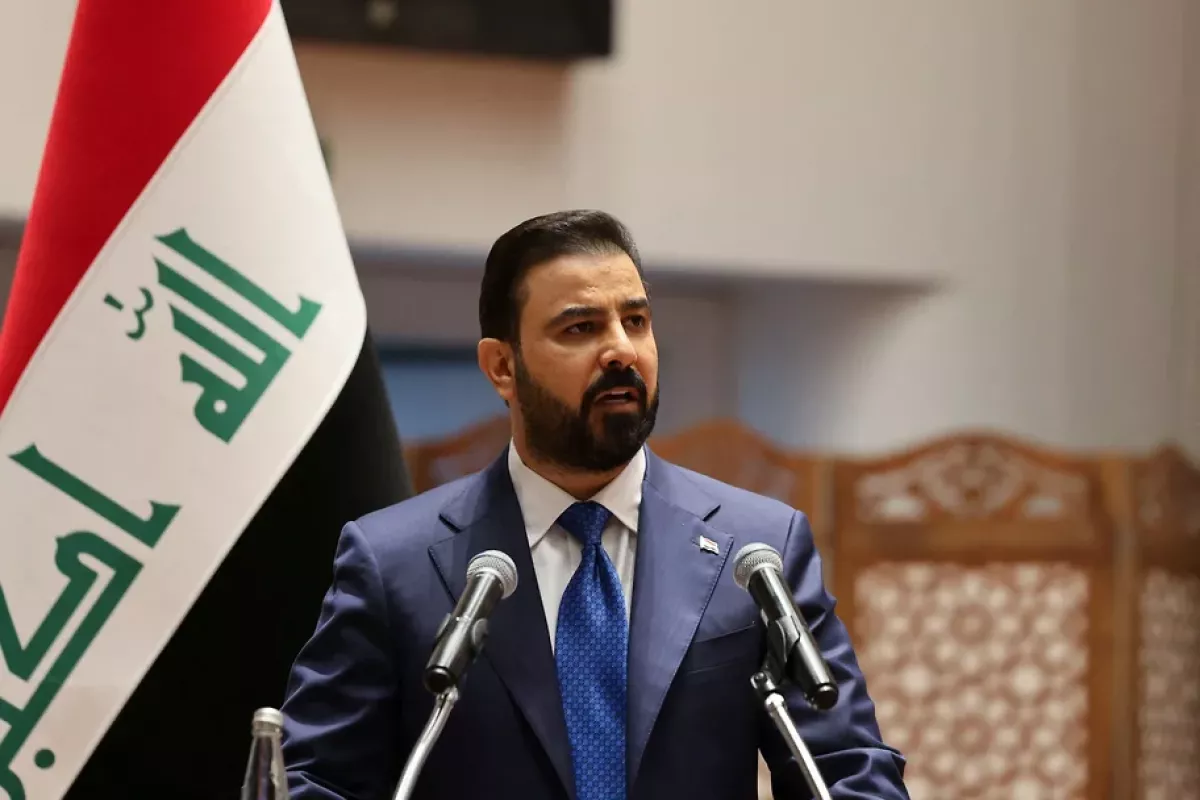
“Recent anti-corruption efforts are only the first stage, and the government will continue its fight against corruption with the aim of recovering state funds,” he said, adding that the authorities would show “no leniency” on this issue.
A day earlier, 47 people were arrested as part of an anti-corruption investigation. Those detained included an adviser to former Prime Minister Mohammed Shia al-Sudani, members of his parliamentary bloc, an official from the Ministry of Oil, and lawmakers from the Sunni Azm party.
In late May, Adnan al-Jumaili, Iraq’s deputy oil minister for refining affairs, was also arrested. He was accused of embezzling funds from oil refineries.
At the time, Zaidi said that he had rejected a $200 million bribe offer from an unnamed “ministry official,” although he did not mention Jumaili by name.
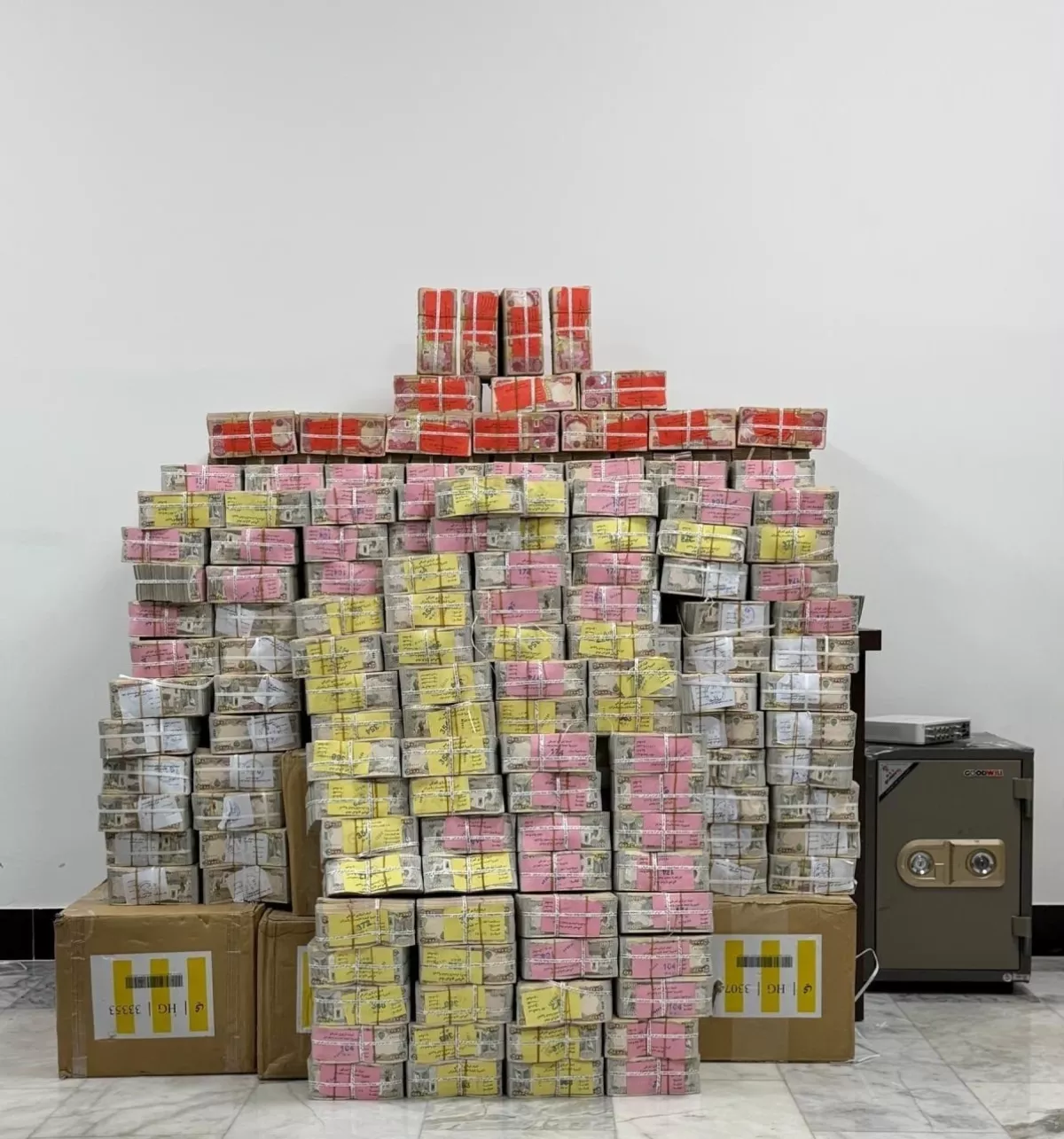
During a search of one of the detainees’ properties, police discovered gold lingerie belonging to the official’s wife, crafted by jewellers and encrusted with precious stones. In another case, millions of dollars were found hidden in a specially constructed underground vault. To reach the safe, authorities had to bring in excavators, which dug a deep pit.
The media began speaking of a new stage in Iraqi politics. This was particularly notable because some of those arrested were reportedly linked to one of the country’s most influential pro-Iranian militias — Kata'ib Hezbollah (KH).
Earlier, the Americans had succeeded in blocking former Iraqi Prime Minister Nouri al-Maliki, who maintained close ties with Iran, from returning to the premiership, and had also brought accusations against other individuals and organisations, including KH.
Has a political process now been launched in Iraq that is aimed not only at fighting corruption but also at curbing Iranian influence? To understand the meaning of these developments, it is necessary to examine the specifics of Iraq’s political system.
Oil and corruption
Iraq is one of the world’s largest oil exporters. Before the spring crisis in the Strait of Hormuz, the country exported around 3 million barrels of oil per day and planned to increase this figure to 4 million barrels. The government is even considering withdrawing from OPEC, as it is dissatisfied with the production quotas set by the international organisation of oil-exporting countries.
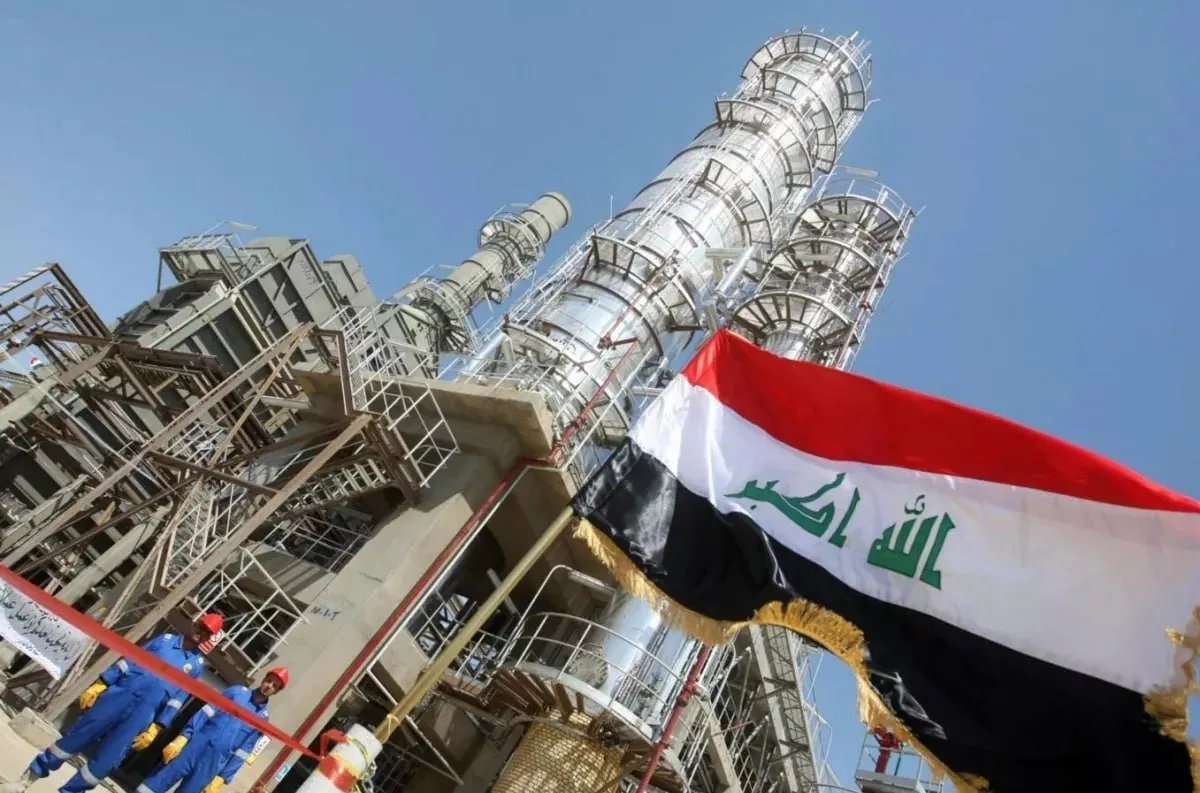
The Iraqi economy is showing signs of growth. According to the World Bank, the country’s GDP exceeded $279 billion in 2024, with a population of around 50 million people. The official Baghdad has managed to attract foreign investment into the oil sector by offering investors fixed payments for the development of oil fields. The main foreign investors are Chinese companies. Iraq’s economy remains heavily dependent on oil revenues, which account for around 90% of government budget income.
However, national wealth is distributed extremely unevenly. Unemployment exceeds 15%, while among young people it reaches 25–35%. This is a particularly sensitive indicator, as sociologists estimate that when youth unemployment rises above 25%, the risk of political instability increases sharply. Around 16 million Iraqis, or roughly one-third of the population, live below the poverty line. Another serious problem affecting living standards is desertification.
Iraq’s largest companies are state-owned, but in practice they are controlled by various political parties — or, more precisely, by their leaders. Political factions concentrate control over the country’s key assets, and senior positions are often filled by their leaders with members of their own tribes, as the tribal system continues to play an extremely important role in Iraq.
In 2022, The Washington Post reported that since the US-led international coalition’s invasion of Iraq in 2003, which resulted in the overthrow of long-time leader Saddam Hussein, the country had lost more than $320 billion due to corruption, according to estimates.
Corruption also contributes to the deterioration of infrastructure. Many regions face shortages of clean drinking water, power outages occur regularly, and the population complains about the lack of basic public services, including quality healthcare and affordable housing.
Social problems and political instability
Poverty, unemployment, and the lack of basic services regularly trigger mass protests. The epicentre of social unrest in Iraq is considered to be Sadr City — a poor Shiite suburb of Baghdad with a population of around two million — as well as the cities of Basra and Nasiriyah. This poses a serious threat to any Iraqi government.
Historically, Iraqis have repeatedly risen up even against a regime as harsh as the dictatorship of Saddam Hussein. For example, in March–April 1991, they came close to overthrowing him during an armed uprising, when power in several areas passed to locally elected self-defence councils, and enterprises came under the control of workers’ self-management bodies. These events became known as the 1991 Iraqi uprisings (the uprising of the month of Sha’ban).
Despite the suppression of the revolt, anti-government sentiment did not disappear. In 1999, new protests once again posed a serious threat to Saddam Hussein’s regime. During the US-led invasion in 2003, a significant portion of Iraqi military personnel deserted, refusing to defend the regime.
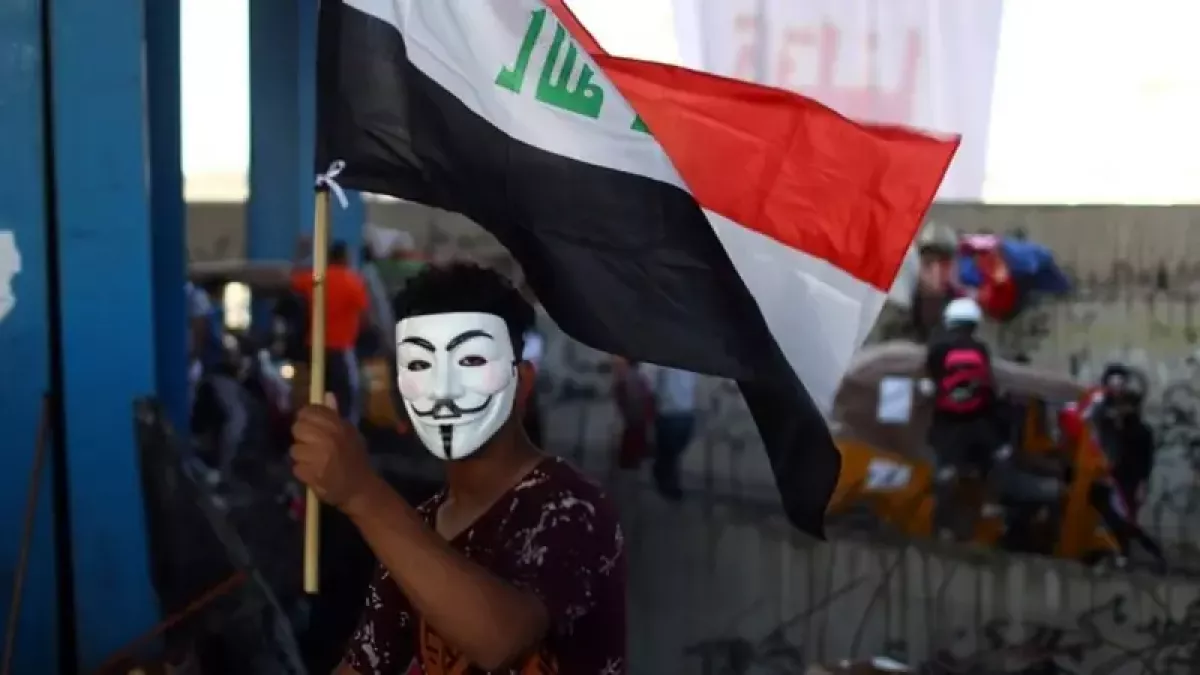
In 2019, Iraq was swept by a powerful new protest movement against corruption, unemployment, shortages of clean water, and constant power outages — the Tishreen Uprising (October Uprising). It was brutally suppressed by pro-Iranian militias, which opened fire on demonstrators. Nevertheless, the country’s social underclass continues to pose a serious challenge to the authorities, who are forced to take this factor into account.
The jewel in the crown of the Iranian empire
Iraq is sometimes described in these terms. In a country where Shiites make up the overwhelming majority of the population (around 65%), power is held by a group of pro-Iranian Shiite parties that rely on armed militias. Their alliance — the Coordination Framework — occupies a central position in the government and in the system of distributing financial resources, although another, less influential but still significant part of the ruling elite consists of representatives of Sunni and Kurdish parties, which usually participate in coalition governments.
Around half of the population does not participate in elections, believing that supporting one faction or another is pointless. During protests, Iraqis typically set fire to the headquarters of all political parties they can reach.
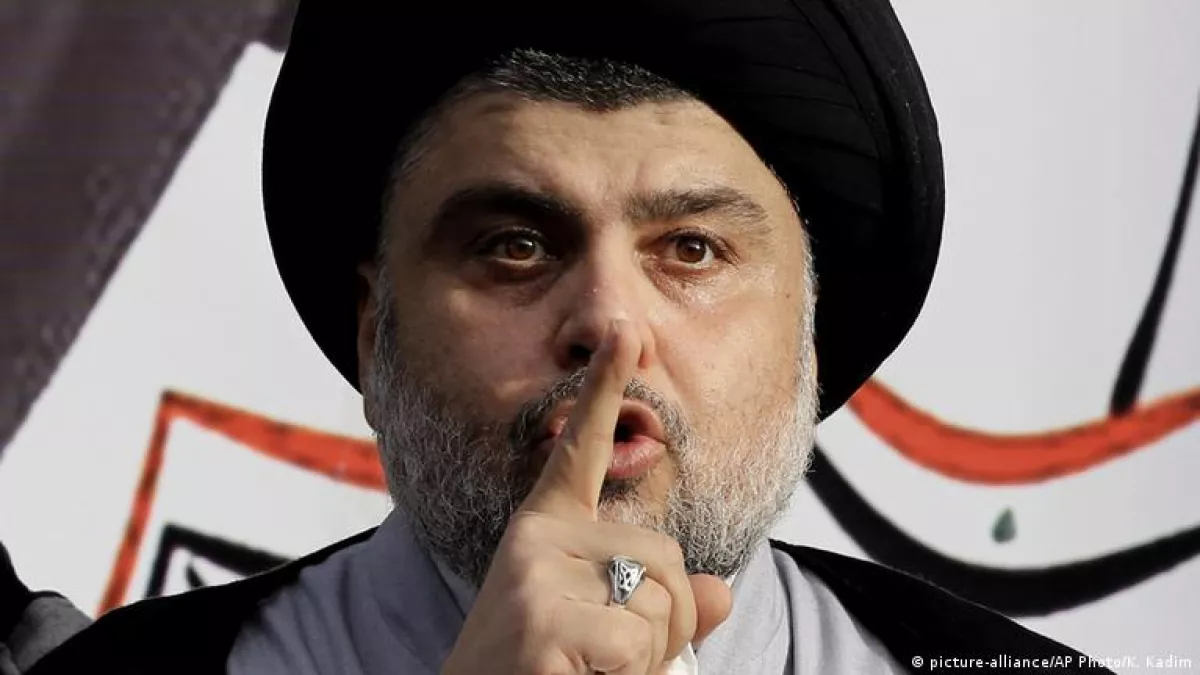
The largest opposition party, led by Shiite cleric Muqtada al-Sadr, which won the previous elections and criticised both the Iranian regime and Iraq’s dependence on Iran, boycotted the latest elections. Its lawmakers even left parliament after the Supreme Court — which critics claim is headed by pro-Iranian officials — prevented the party from forming a government.
After that, the Iraqi state effectively came under the control of pro-Iranian militias belonging to the umbrella organisation Popular Mobilization Forces (PMF), as well as the affiliated Coordination Framework (CF) bloc.
The leaders of the leading militias — Qais al-Khazali, Hadi al-Amiri, and others — have effectively become some of the country’s most influential figures. The total size of their armed formations has nearly doubled in recent years, reaching approximately 250,000 personnel. They are financed from the state budget.
The number of government employees was also planned to increase by 700,000–800,000, and few doubt that these positions will go to relatives and supporters of Iraq’s current power holders.
Militias and politicians linked to the ruling Coordination Framework and the Popular Mobilization Forces maintain close military, political, and economic ties with Iran. Tehran supplies them with missiles and drones and provides training for their units.
To circumvent US and European sanctions, Iranian companies closely connected to the security structures of the Islamic Revolutionary Guard Corps (IRGC) have relocated part of their business operations to Iraq. Other Iranian proxies — including Hezbollah and the Yemeni Houthis — are also active there. Iranian oil is exported through Iraq, mixed with Iraqi crude, while financial flows pass through the international banking system to which Iraq is connected, unlike Iran and Hezbollah, which are under sanctions.
Ali al-Zaidi is a banker who has been accused by his critics of laundering Iranian funds, as well as a prominent businessman with limited political experience. He became prime minister in May after being nominated by the same dominant pro-Iranian Coordination Framework — an alliance of Shiite parties backed by the largest parliamentary bloc and the country’s largest armed force, the Popular Mobilization Forces. Its members openly express their intention to build Iraq along the Iranian model, viewing the PMF as an equivalent of the Iranian IRGC.
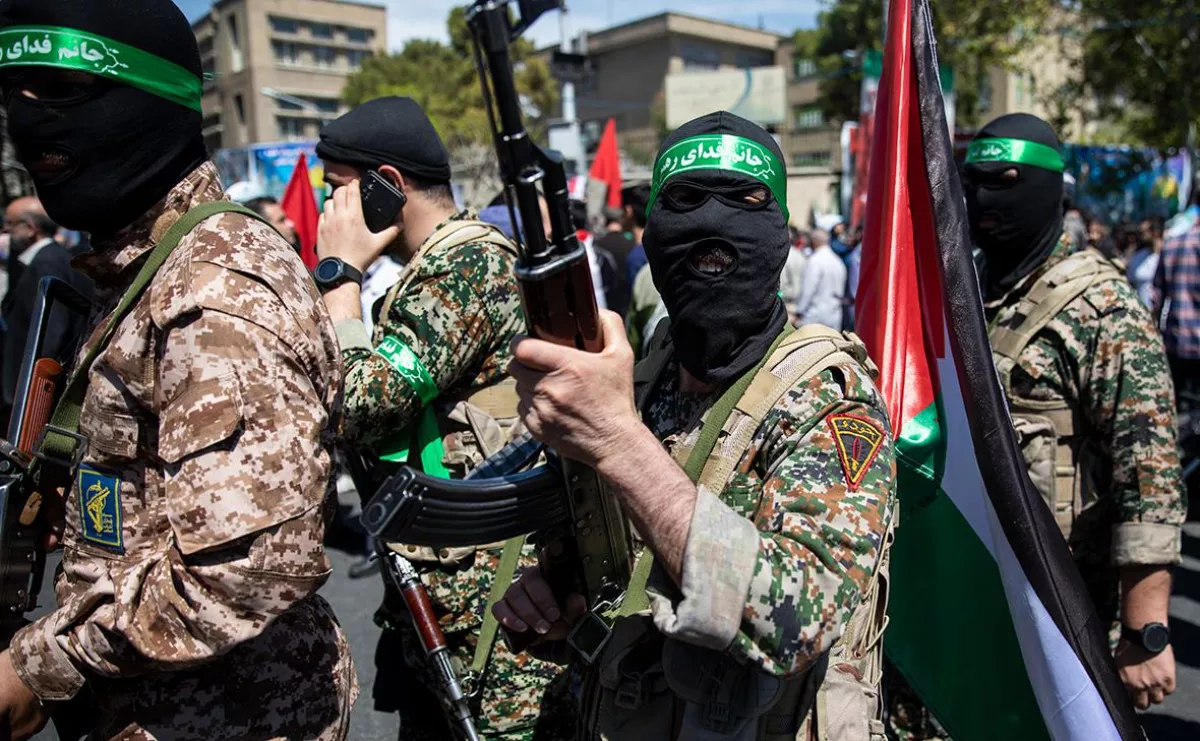
It should be recalled that Iran has two armies — the regular military and the Islamic Revolutionary Guard Corps (IRGC), which grew out of Islamist militias. The IRGC controls a significant share of major companies and government ministries. Iraqi politicians and militia commanders are following a similar path by creating the Muhandis Company, which consolidates their financial resources and possesses extensive powers, including the ability to seize land plots without approval from Iraqi authorities.
Elections in Iraq were held in November last year. Initially, former Prime Minister Nouri al-Maliki was nominated as a candidate for the premiership, but he faced opposition from the Trump administration and a number of Iraqi politicians. After several months of political struggle, Zaidi emerged as a compromise figure. Thus, Trump succeeded in preventing the return to power of Maliki, who was considered too closely aligned with Tehran. However, in substance, little changed.
The candidacy of Zaidi was approved by the head of Iraq’s Supreme Judicial Council, Faik Zaidan, who is often described as the country’s “uncrowned king.” He wields significant influence due to his close ties with Iran’s most powerful political figures, as well as with the leadership of Iraq’s leading pro-Iranian militias belonging to the Popular Mobilization Forces (PMF). Today, it is Zaidan who is also being portrayed as the “chief anti-corruption fighter.
Will Zaidi succeed in eliminating corruption?
Iraqi leaders have previously promised to eradicate corruption. For example, Mohammed Shia al-Sudani, who was also nominated by the Coordination Framework and served as Zaidi’s predecessor, made similar pledges after becoming prime minister in October 2022. However, little changed in practice. Nevertheless, arrests of high-ranking officials have taken place before and continue today. There are several reasons for this, stemming from the processes described above.
First, Iraq’s leaders must demonstrate to Washington their willingness to remove the most controversial pro-Iranian politicians and officials. Paradoxically, this does not provoke opposition from Iran itself. The reason is that both the Iranian leadership and the Iraqi authorities are interested in avoiding the imposition of US sanctions on Baghdad. Such measures would deprive the elites of both countries of a significant portion of their revenues. Therefore, they periodically accommodate Washington, allowing the US administration to present foreign policy achievements to its domestic audience.
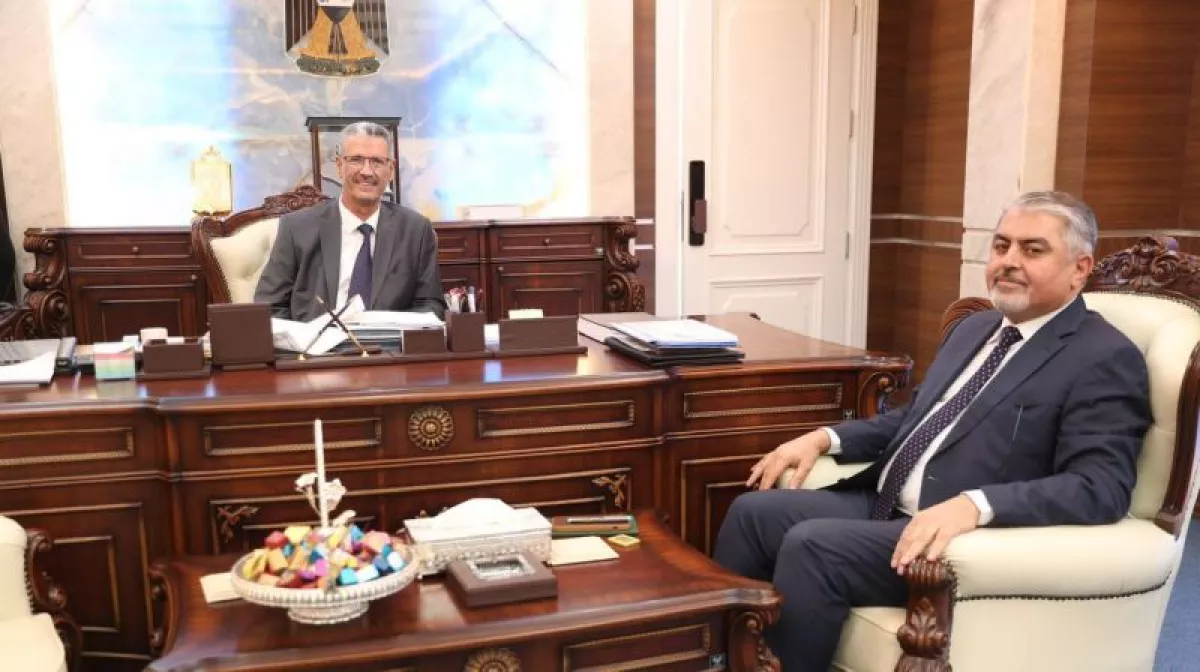
Among those suspected of corruption is, for example, Iraq’s Deputy Oil Minister for Distribution, Ali Maarij. In May, the United States imposed sanctions on him, accusing him of facilitating the mixing of Iranian and Iraqi oil on behalf of the IRGC in order to circumvent US sanctions against Iran. The US Treasury Department stated that Maardji controlled oil smuggling operations and had direct links to the IRGC. According to US estimates, the scheme generated around $1 billion annually. It would therefore be logical to expect Iraq’s new prime minister to order Maarij’s arrest or, at the very least, remove him from his government position.
It is worth remembering that Iraq’s Supreme Judicial Council, headed by Judge Faik Zaidan — whom many consider one of Tehran’s key channels of influence in the country — is not only overseeing the fight against corruption but has also become an important participant in shaping relations with the Trump administration.
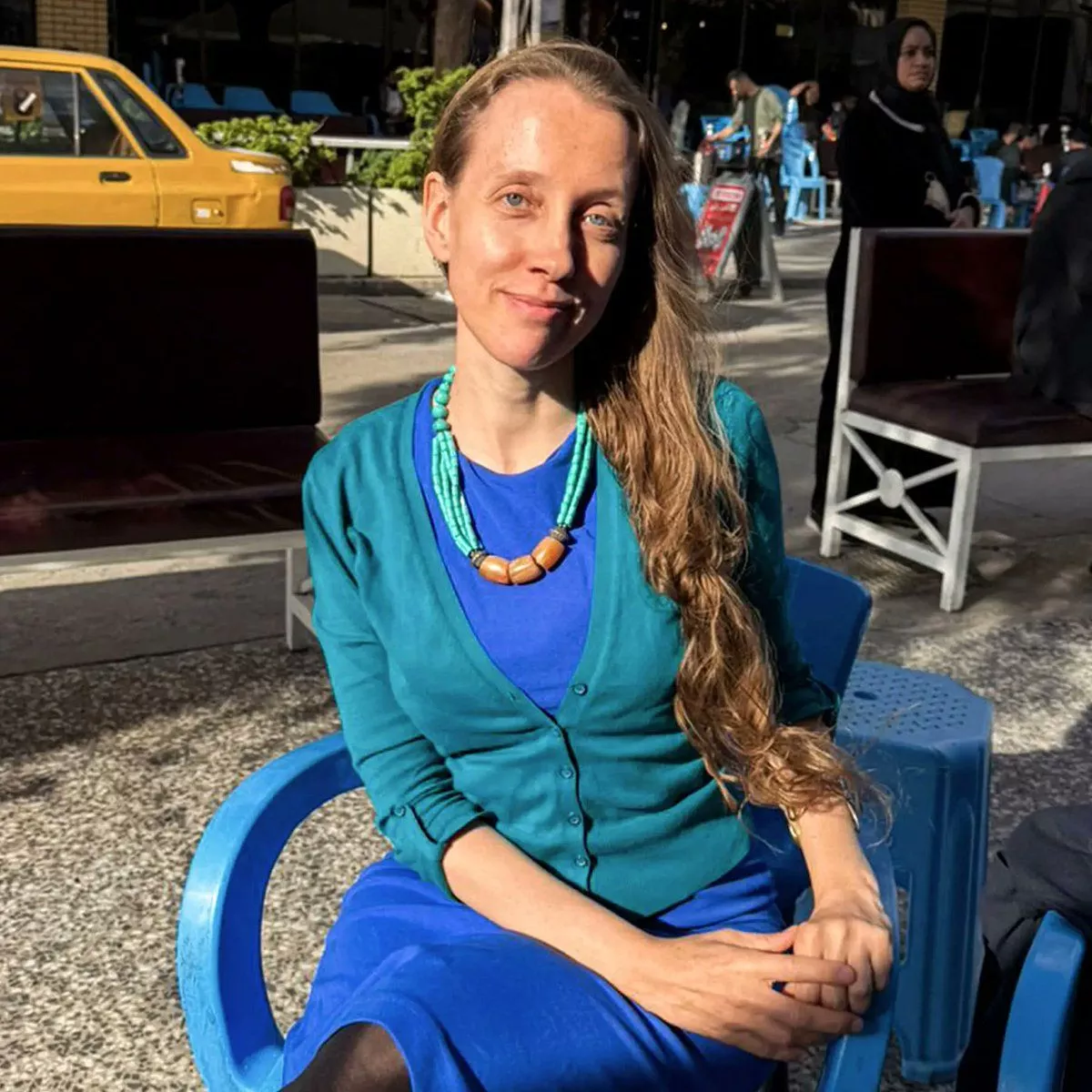
US Secretary of State Marco Rubio highlighted the role of the Supreme Judicial Council in the release of American journalist Shelley Kittleson, who was kidnapped in April by the Kata'ib Hezbollah group.
Zaidan has close ties with this group, which is part of the Popular Mobilization Forces (PMF). Without making any categorical claims, it can be assumed that this sequence of events may raise questions: was the incident a symbolic move designed to portray the journalist’s release as an example of confronting pro-Iranian forces and thereby create a favourable impression in Washington?
Second, Zaidi’s anti-corruption campaign resembles similar campaigns launched by previous Iraqi governments at the beginning of their terms. One of Iraq’s leading experts, Renad Mansour, explains it this way:
“This is how the process of transferring power from one government to another works. The new government usually launches an anti-corruption campaign with two main objectives. On the one hand, it removes figures associated with the previous government and replaces them with officials loyal to the new leadership. On the other hand, the campaign is presented to society as an example of fighting corruption, helping the new authorities legitimise themselves by convincing citizens that things will now be different from under the previous government.”
The founder of the consulting firm Geopol Labs, Ramzy Mardini, holds a similar view: “Anti-corruption campaigns in Iraq have long been political in nature. They serve as a convenient pretext for coercive measures and are intertwined with elite power struggles. Prime ministers regularly use them to consolidate their own authority, weaken rival patronage networks, and build political capital both domestically and internationally.”
“Arrests of mid-level officials take place because the country’s leaders can afford to target them. But those higher up stand above the law and will never end up in prison,” says Renad Mansour, referring to the leaders of pro-Iranian militias.
Israeli expert Jonathan Spyer believes that Iran’s influence, the power of its Iraqi allies — politicians and militia commanders — and corruption are so deeply intertwined that, as long as the existing political order remains in place, it will be impossible to eradicate corruption or significantly weaken Iranian influence in Iraq.
At the same time, competition between various factions within the powerful pro-Iranian bloc is very real, and those who control key levers of power seek to use the anti-corruption campaign to weaken their internal rivals.







 editor@caliber.az
 +994 55 444-88-98
 Азербайджан, Баку, ул. Низами, 203, Af Business House, 5-й этаж