










Jagland and Europe’s double standards What the Epstein files reveal
Today, the so-called “Epstein files” dominate headlines across global media, with each outlet emphasising the aspects of this high-profile scandal that best fit its editorial focus.
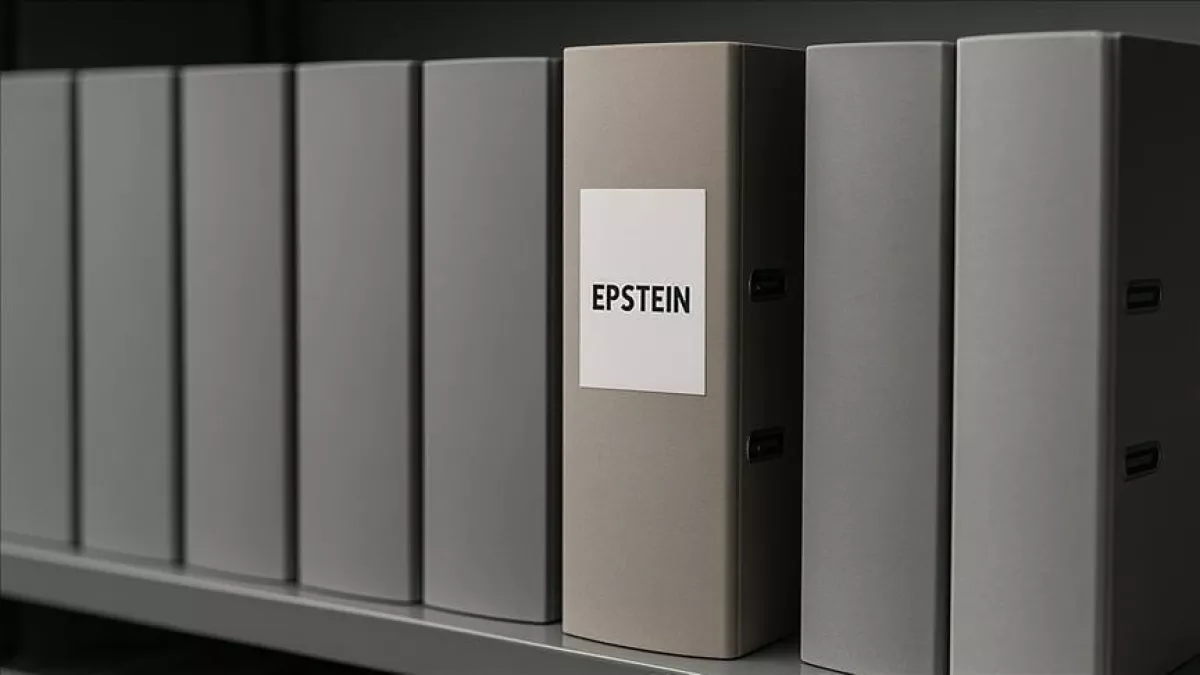
What caught our attention, however, were the revelations in these files concerning Russian influence in Europe. In particular, the scandal has brought to light allegations that one of the key figures behind Russia’s influence on the European continent was Thorbjørn Jagland. According to these claims, while serving as Secretary General of the Council of Europe, he acted as an intermediary between Epstein and the Russian Federation. Many experts believe that his tenure at the Council of Europe significantly contributed to placing the European Union in a position of dependence on Russian oil and gas.
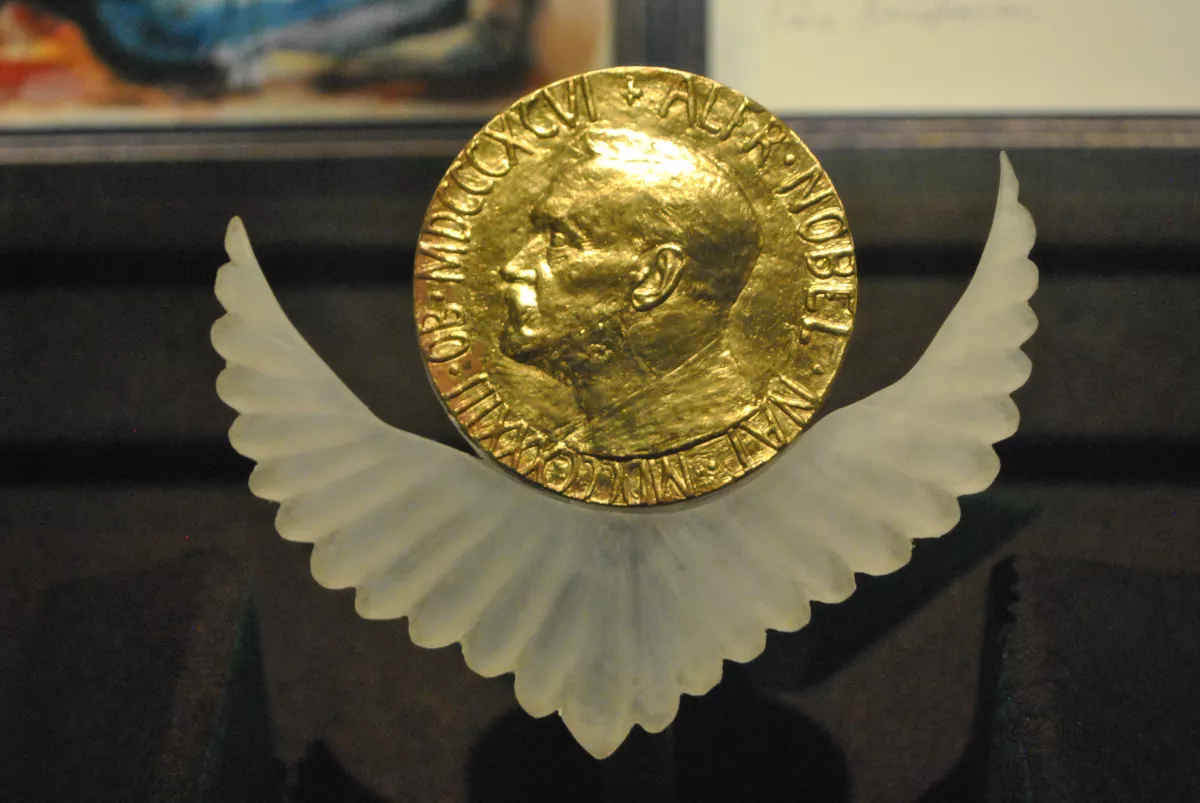
In fact, this is not the first scandal associated with Jagland’s name. On March 3, 2015, he was dismissed from his position as Chair of the Nobel Committee. According to Norwegian media, his resignation may have been triggered by a number of controversial decisions that drew widespread criticism. For instance, in 2009, the Nobel Peace Prize was awarded to U.S. President Barack Obama. Following claims that he had done nothing to merit such recognition, the Committee Chair was forced to offer explanations. Then in 2012, the prize was awarded to the European Union, at a time when Jagland was serving as Secretary General of the Council of Europe.
However, he also left a distinct mark in that role. Many still remember how Jagland launched a full-fledged “crusade” against Azerbaijan, accusing the country of every conceivable wrongdoing, while completely ignoring the fact that Armenia’s then-leadership was mired in corruption, election fraud, and had come to power through the violent suppression of protests in the republic.
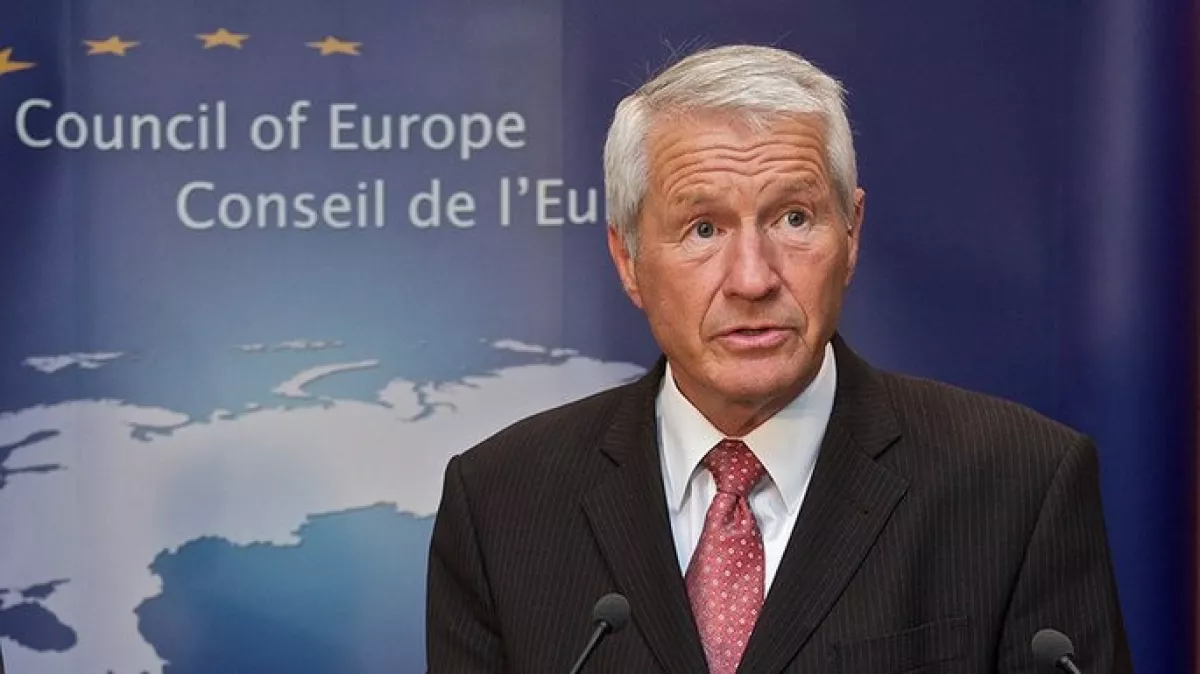
Jagland apparently “did not see” that at that time Armenia was led by Serzh Sargsyan, whose hands were stained with the blood of innocent residents of the Azerbaijani town of Khojaly. He also “ignored” the Armenian side’s refusal to comply with UN Security Council resolutions demanding the withdrawal of Armenian armed forces from occupied Azerbaijani territories. In other words, the Secretary General of the Council of Europe consistently displayed notorious double standards and a deeply inconsistent moral stance.
Now it has emerged that he was effectively “under Russia’s influence,” a country that, as we know, supported the so-called “Karabakh clan” in the persons of Robert Kocharyan and Serzh Sargsyan. This sheds light on the roots of Jagland’s “blindness” — his actions and statements were likely coordinated with Russian handlers, who did everything possible to prevent a resolution of the Armenian-Azerbaijani conflict. The very existence of this conflict allowed Moscow to exert pressure on both Baku and Yerevan. To this end, Russia supplied arms to Yerevan and supported the policy of simulated negotiations carried out by Kocharyan and Sargsyan.
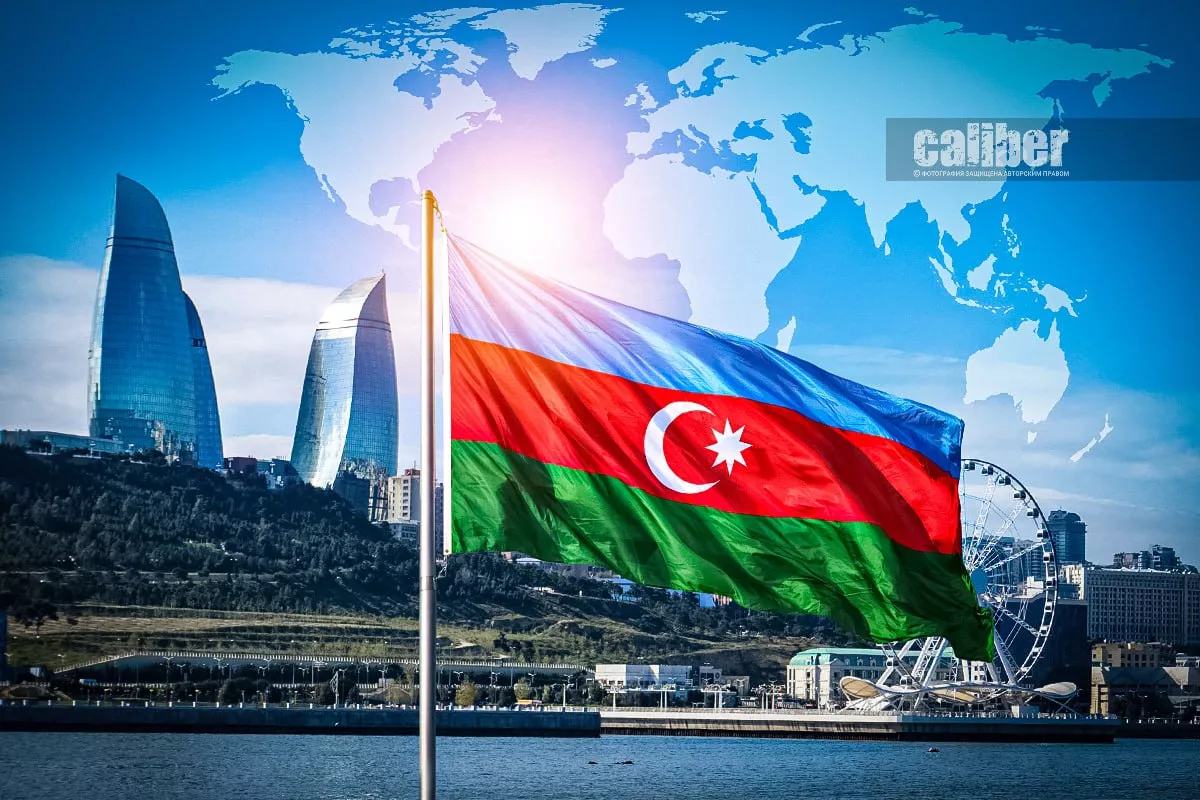
However, time—the relentless judge—has put everything in its proper place. Azerbaijan has restored its territorial integrity and offered Armenia a peaceful agenda, which is now being successfully implemented. This has provoked an unmistakable hysteria among Russian propagandists of all stripes—from Solovyov to Dugin—and has deeply unsettled the European politicians who were on Russia’s payroll, among whom Jagland occupies no insignificant place.
At the same time, the fact that European politicians were essentially for sale, both wholesale and retail, makes all past, present, and future accusations against Azerbaijan by the Council of Europe, the Parliamentary Assembly of the Council of Europe, and the European Parliament utterly ridiculous. It is perfectly clear that every such anti-Azerbaijani statement carries a specific price, paid by the sponsors of these ladies and gentlemen, each with a figurative price tag on their forehead.







 editor@caliber.az
 +994 55 444-88-98
 Азербайджан, Баку, ул. Низами, 203, Af Business House, 5-й этаж