










JD Vance’s South Caucasus visit: reframing the region’s status Expert opinions on Caliber.Az
U.S. Vice President James David Vance is scheduled to visit Azerbaijan and Armenia in February to advance the TRIPP initiative, according to an announcement by the U.S. President on his social media platform, Truth Social.
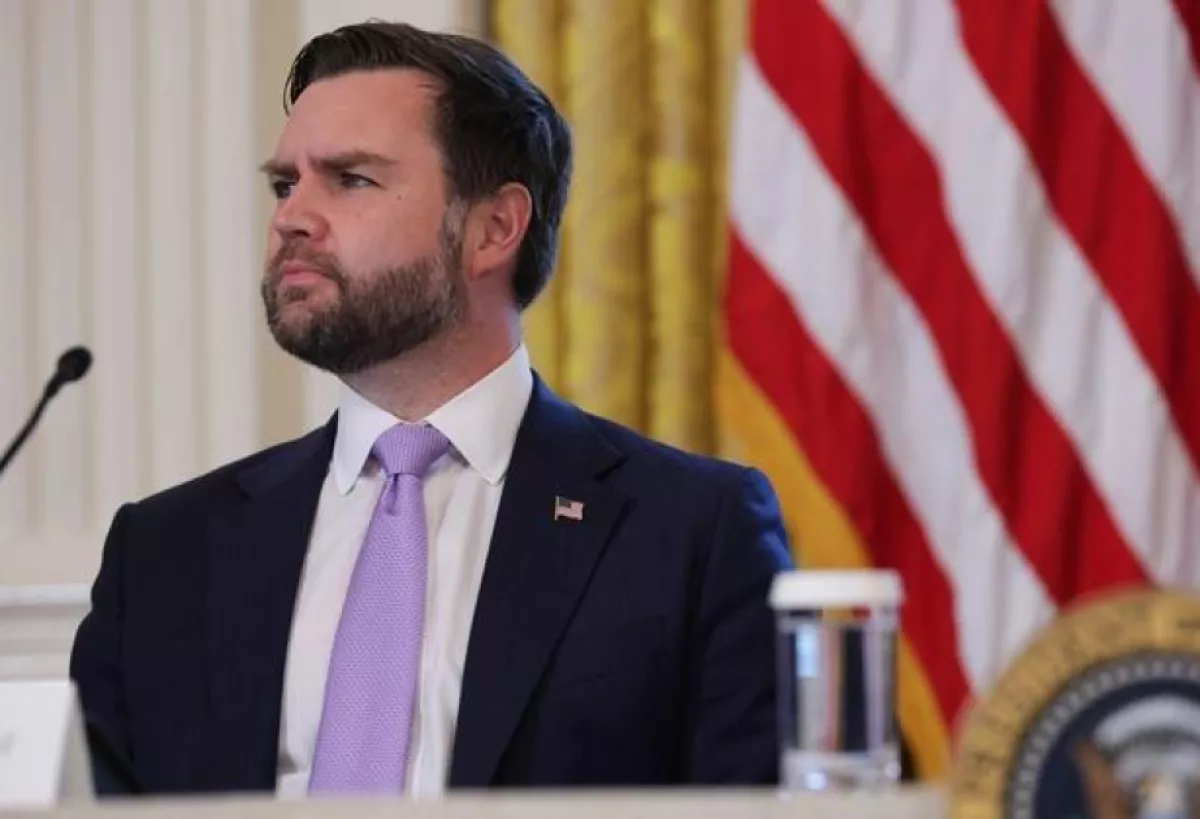
“In February, Vice President Vance will travel to both Countries to build on our Peace efforts, and advance the Trump Route for International Peace and Prosperity,” the President wrote.
Donald Trump also expressed gratitude to Azerbaijani President Ilham Aliyev and Armenian Prime Minister Nikol Pashinyan for upholding the peace agreement initialled in August 2025.
What impact might this visit have on the region’s geopolitical agenda? Caliber.Az consulted Azerbaijani and American experts to share their insights.
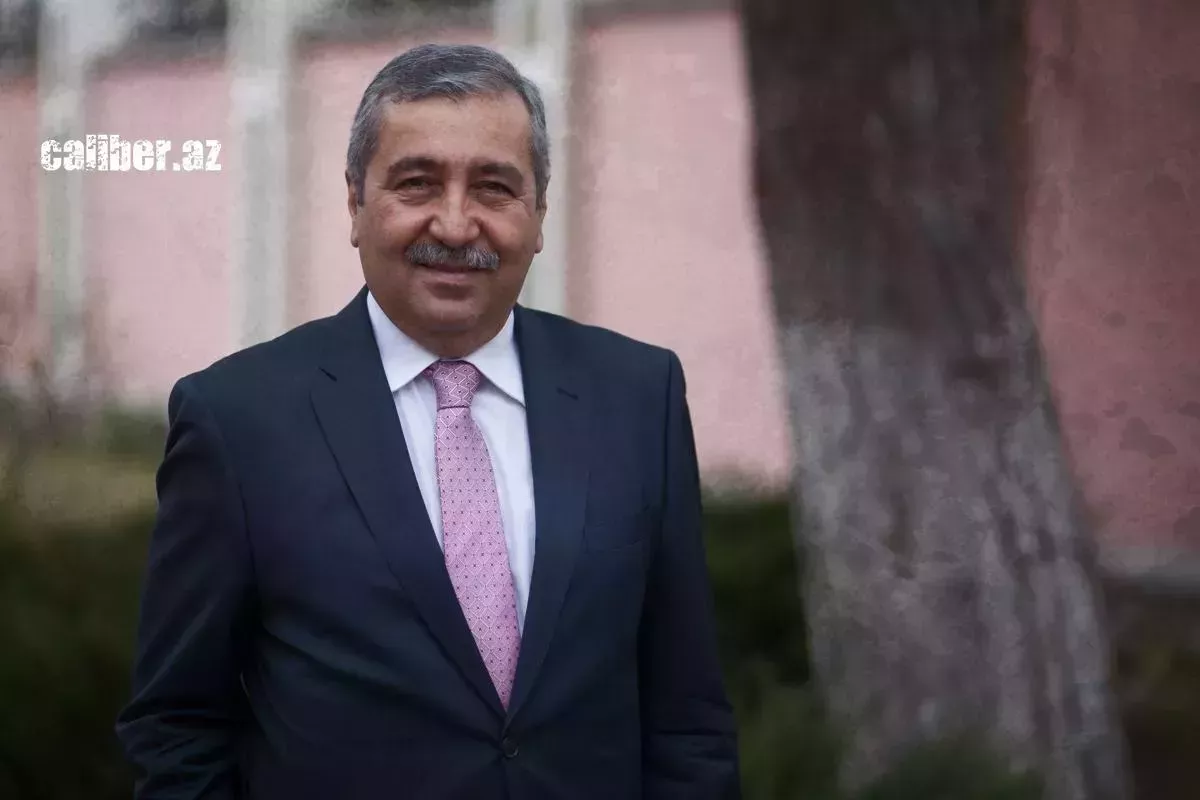
Namig Aliyev, Doctor of Law, Ambassador Extraordinary and Plenipotentiary, and Head of the Department of International Relations and Foreign Policy at the Academy of Public Administration under the President of the Republic of Azerbaijan, believes that Vance’s visit is directly linked to the initialling of the peace agreement on August 8, 2025, as well as to the practical implementation of the transport and transit corridor agreements reached under the U.S. track.
“During the visit, the promotion of economic, infrastructure, and strategic elements is also expected, including plans to expand cooperation in nuclear energy (with Armenia) and defence sales (with Azerbaijan). Moreover, Vance’s visit sends a clear signal that the United States aims to become a key external actor in the South Caucasus, advancing its strategy of regional stability and economic integration. This is intended to increase Washington’s influence while reducing the dominance of other actors such as Russia, Iran, and China in matters of security and infrastructure. Support for TRIPP and the initialled agreement helps advance the peace process between Baku and Yerevan, turning the countries’ diplomatic agreements into concrete projects with economic incentives. This reduces the risk of renewed armed conflict, as the ‘price of peace’ for Armenia increases,” he said.

According to him, the involvement of external powers, particularly the United States, could intensify geopolitical competition in the region, which not all local actors welcome. For example, Tbilisi has expressed concern over Georgia being excluded from Vance’s programme. This raised questions about the prospects of U.S. policy in the South Caucasus, to which Georgian Prime Minister Irakli Kobakhidze responded logically, stating that “in this case, the visit is addressed specifically to the two countries, as the U.S. Vice President’s visit is dedicated to the TRIPP route,” while noting that “Georgia is ready to resume strategic partnership with the U.S. and is patiently awaiting concrete steps from Washington.”
“TRIPP could alter cargo and energy flows, creating alternatives to existing routes through Russia or Iran, and potentially positioning the South Caucasus as a bridge between Asia and Europe. The practical implementation of this transport artery still requires significant effort — as experts note, much of it remains at a framework stage. In my view, Armenia should act quickly to take advantage of the ‘window of opportunity’ created by Azerbaijan.
Overall, Vance’s visit can be seen as a stage of intensified American diplomacy and economic presence in the South Caucasus, aimed at consolidating peace agreements through infrastructure projects. The implementation of the TRIPP initiative will reshape the region’s transport and economic connections and strengthen the strategic ties of regional countries with the West,” said Aliyev.
Meanwhile, American journalist and political analyst Andrey Becker believes that Vance’s visit will make a tangible contribution to advancing U.S. influence in the South Caucasus and will predictably raise concerns in Russia.
“Azerbaijan and Armenia should prepare for a wave of irritation from Russian political figures, because, in a sense, this visit marks a significant loss of Moscow’s influence in the region and highlights the weakness of its foreign policy, which no longer takes into account the interests of its former allies in the South Caucasus. The presence of the United States in the Zangezur Corridor area automatically undermines Russian interests in the region, and I believe Moscow is feeling the strategic consequences very painfully. It is clear that Russia’s imperial ambitions—exemplified by its reluctance to investigate the crash of the AZAL plane—became the final factor prompting Azerbaijan to cooperate with the U.S. and reconsider certain allied commitments that Baku had long sought to uphold. Russia is still present in the region, but now in a secondary role, making provocations by Moscow on this issue quite likely. At the same time, the Russian side is expected to continue pressuring Yerevan, attempting to intimidate Armenia through disapproval of its actions.
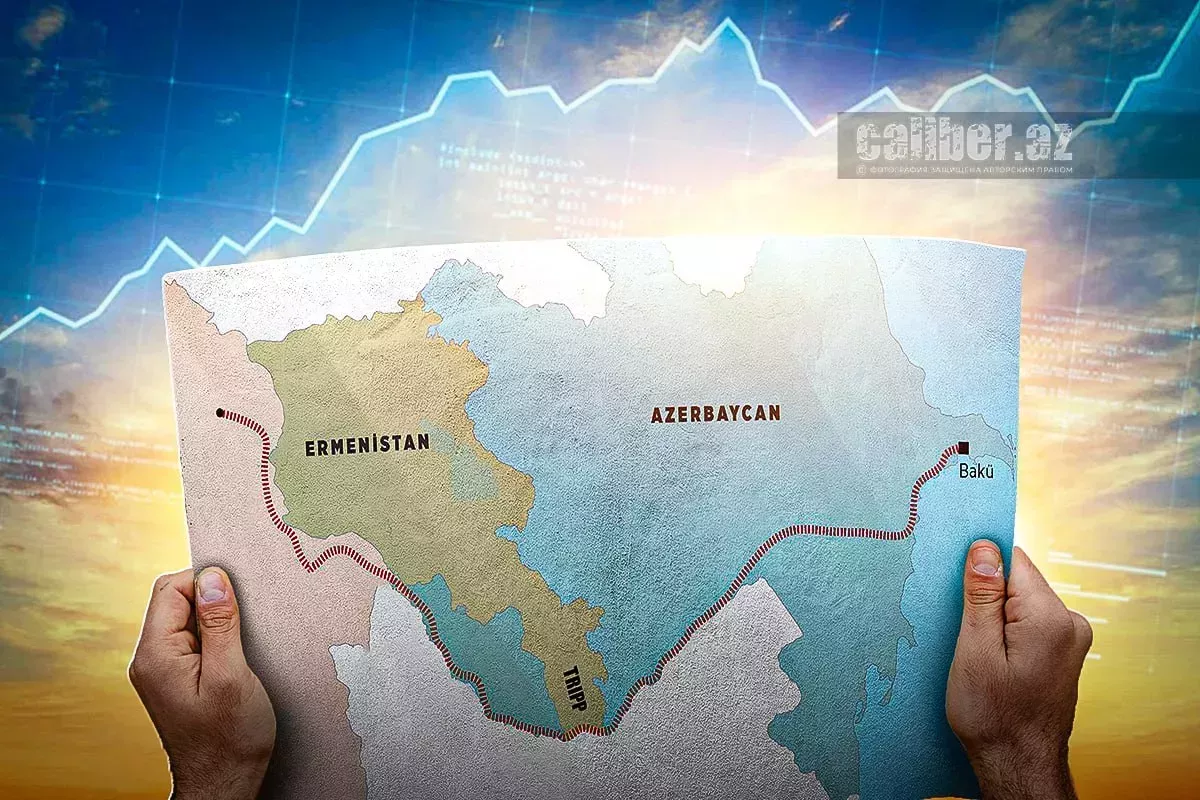
It is absolutely clear that Vance’s visit will enhance Azerbaijan’s international standing, as it has aligned itself with U.S. ambitions. The launch of the route opens the way for Baku to attain a new status—as a moderator of international political processes—while the visit of the U.S. Vice President firmly establishes the roles and level of presence of actors in the South Caucasus. Essentially, any actor that has not secured its position by this point risks losing almost everything.
At the same time, if we look at this setup from the perspective of the balance of power and interests, and, most importantly, international stability, a project like the ‘Trump Route’ is, in my view, ideal for making the South Caucasus as prosperous and significant as possible in global politics and economics. The visit of such a prominent figure in American politics to Azerbaijan and Armenia is, in effect, a signal to global investors and centres of power that the South Caucasus is acquiring the status of a major global transit artery, making investment in its development both profitable and in demand,” Becker concluded.







 editor@caliber.az
 +994 55 444-88-98
 Азербайджан, Баку, ул. Низами, 203, Af Business House, 5-й этаж