










Monroe Doctrine, Moscow’s miscalculations, and Georgia’s opportunity Article by Vladimir Tskhvediani
After the events in Venezuela on January 3, the Georgian Ministry of Foreign Affairs issued a statement expressing hope that they would lead the Venezuelan authorities to revoke their recognition of the so-called “independence” of the country’s occupied regions.
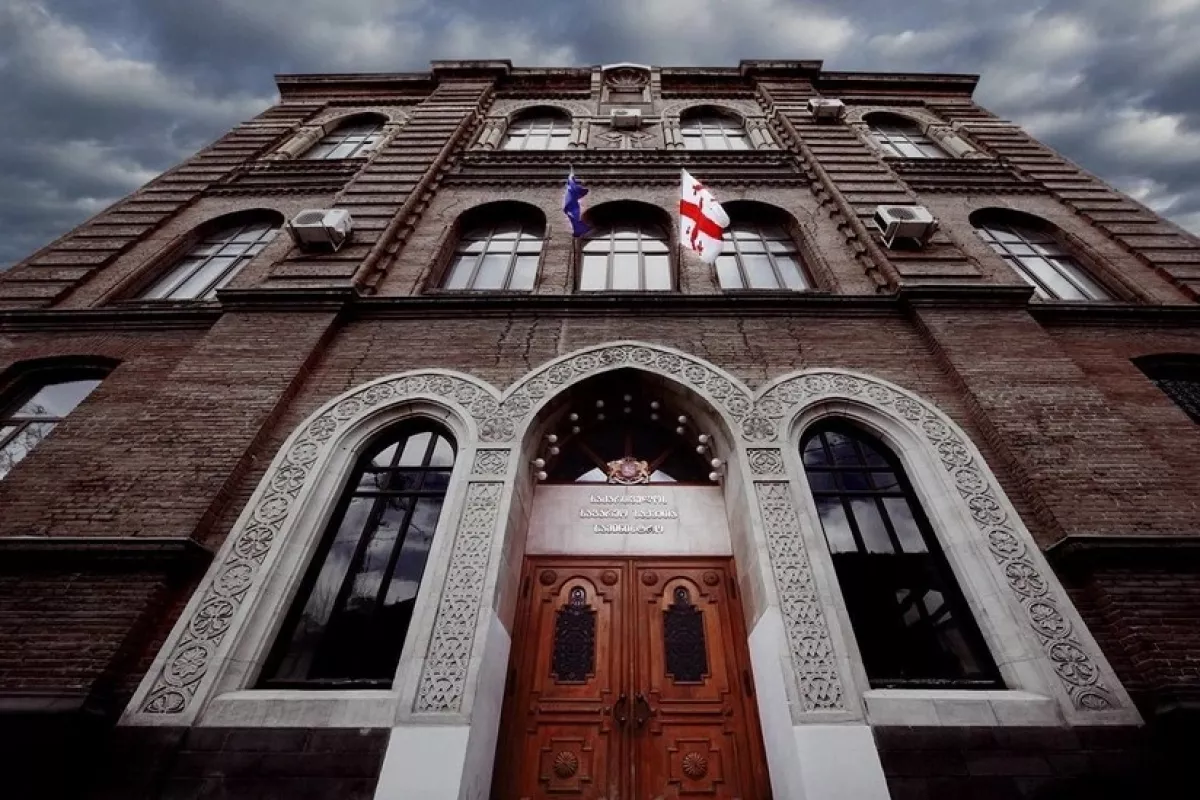
“Considering that the Venezuelan authorities, in gross violation of international law, recognized the occupied regions of Georgia — Abkhazia and the so-called South Ossetia — as independent states, we express the hope that the recent events will lead to the cancellation of this illegal decision, in accordance with the national interests of Georgia and international legal principles,” the statement of the Georgian foreign ministry reads.
To understand how justified the hopes of the Georgian MFA are regarding Venezuela’s potential withdrawal of recognition of Abkhazia and “South Ossetia,” it is necessary to recall the geopolitical circumstances under which this recognition took place back in 2008.
Notably, Venezuela was not the first country (besides Russia, which occupied Abkhazia and the Tskhinvali region of Georgia) to recognise these separatist entities. The first was Nicaragua, where in 2006 the Sandinistas returned to power under Daniel Ortega, a “longtime friend” of the Kremlin in Latin America. Following Nicaragua, the then-leader of Venezuela, Hugo Chávez, also recognised the “independence” of the separatists.
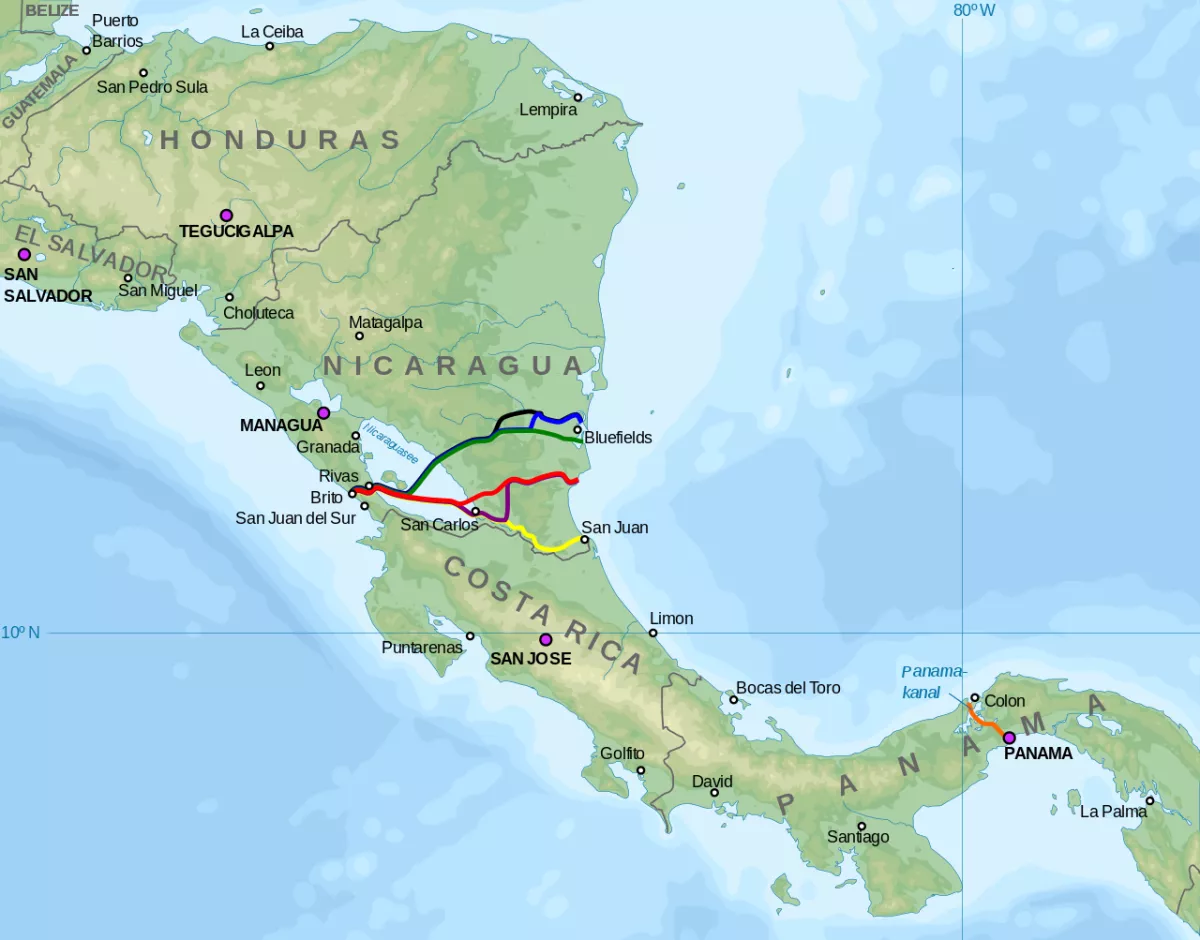
The recognition by the Nicaraguan authorities, at Moscow’s request, of the separatist entities on Georgian territory was not only a symbol of the “revival of Soviet ambitions” of the Kremlin in the Western Hemisphere. Far more significant was that in 2008, the project of the Nicaraguan Canal between the Atlantic and Pacific Oceans was simultaneously revived—a project intended to serve as an alternative to the Panama Canal.
It is clear that Russia alone would not have had the resources to construct the Nicaraguan Canal. For this purpose, it was planned to involve another rising and ambitious geopolitical player—China, where the Nicaraguan Canal was indeed being considered as a means to ensure logistics between the two oceans, completely independent of the United States.
In the long term, this could have dealt a blow to the Monroe Doctrine. With a resource-rich “ally” in the Caribbean—Venezuela—and transit routes for both “black gold” and other goods, Russia and China could theoretically have challenged U.S. economic and political dominance in the Western Hemisphere. Venezuela’s recognition of the “independence” of Abkhazia and South Ossetia also served as a sort of “geopolitical signal” of such plans.
Incidentally, the third recognition of the separatists’ “independence”—by Nauru, located in the Pacific—also fit into the logic of a hypothetical “alternative route” connecting China, the potential Nicaraguan Canal, and the Caribbean. The tiny island along the “new transoceanic routes” could also have been utilised by global players.
Even the very beginning of the August 2008 war was deliberately timed so that Russia and China would involuntarily appear to be “in the same geopolitical camp.” The military actions on August 8, 2008, in the Tskhinvali region broke out on the day of the opening of the Beijing Olympics, attended by the then-Prime Minister of Russia, Vladimir Putin.

At the same time, no matter how the Chinese authorities viewed the Russian leadership and its policies, given China’s own Taiwan issue, it could not, by definition, recognise the separatists in the Georgian territories occupied by Russia—especially in light of its interest in transit routes through Georgia.
However, it seems that back in 2008, Beijing initially did not strongly object to the Russian MFA’s efforts to “collect recognitions” of these separatists around the world. At that time, the very fact of recognising the separatist regimes in Sukhumi and Tskhinvali became a kind of “marker” of support for Moscow’s potential geopolitical and logistical ambitions, while also indicating how realistic these ambitions were. And it was with the latter that problems immediately began.
If the Sandinistas in Nicaragua, steeped in Marxist, Bolivarian, and other leftist illusions, and the “Chavistas” in Venezuela could hope for a shift in the global centres of power, more pragmatic politicians, who assessed global realities more soberly, preferred not to rush into bowing to the Kremlin with a symbolic recognition of its “pocket” separatists. Unexpectedly, Belarusian leader Alexander Lukashenko resisted. This experienced politician, apparently, already understood the incompatibility of U.S. global capabilities with those of Russia. As a result, despite public pressure from then-Russian President Dmitry Medvedev to recognise Abkhazia and the so-called “South Ossetia,” Minsk officially refused to do so. Countries less aligned with Russia also refrained from taking this step.
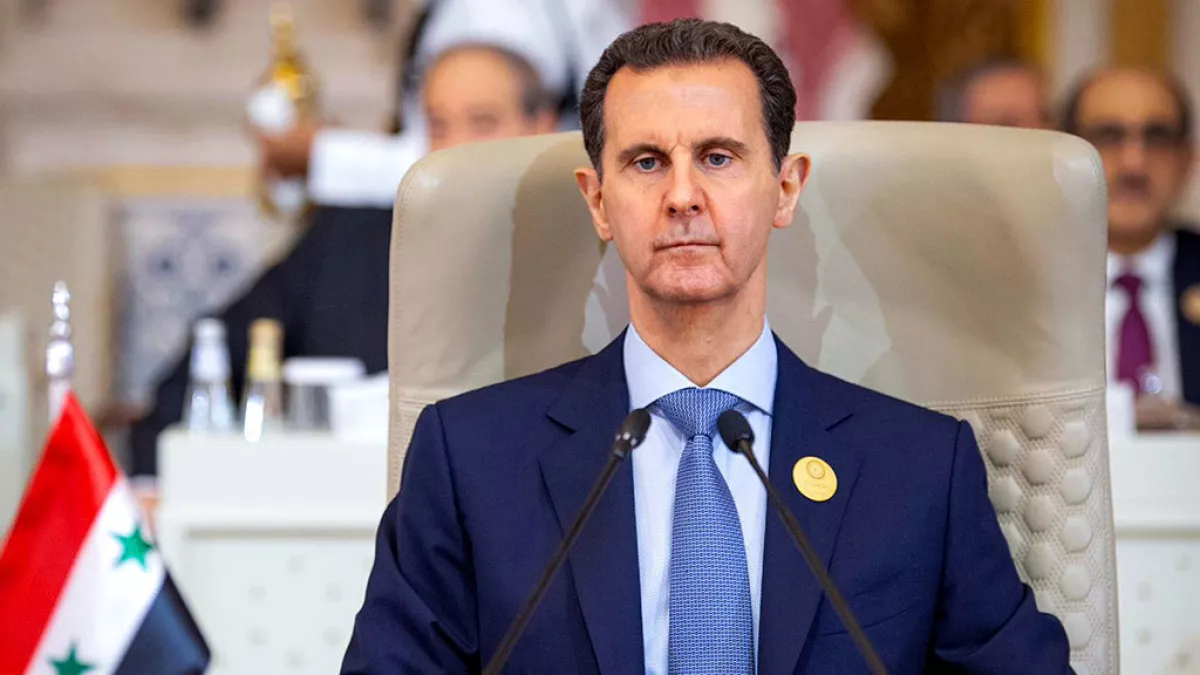
At most, what the Kremlin was ultimately able to achieve was recognition of the separatists by Bashar al-Assad, who was entirely dependent on Russian support in Syria. Even then, he did so only in 2018, when his regime was on the verge of collapse, and the Nicaraguan Canal project had already lost its relevance for Moscow. Although there was hope that, after Assad’s fall, the authorities in Damascus might revoke recognition of the separatist entities of Abkhazia and the so-called “South Ossetia,” this will most likely happen only with a certain “delay.”
The deep state, which has flooded the occupied Georgian territories with its NGOs—including those operating even against Russia—is in no hurry to dismantle these “separatist testing grounds,” which in many ways function in parallel with separatist projects curated by Brussels in Europe itself (Scottish, Catalan separatism, etc.). Moreover, the new Syrian authorities want Moscow to participate in the country’s postwar reconstruction, and therefore view both Russian military bases and the “embassies” of the separatists as levers of influence over the Kremlin. Additionally, there is a North Caucasian diaspora in Syria that, to a significant extent, continues to support the separatists in Sukhumi and Tskhinvali.
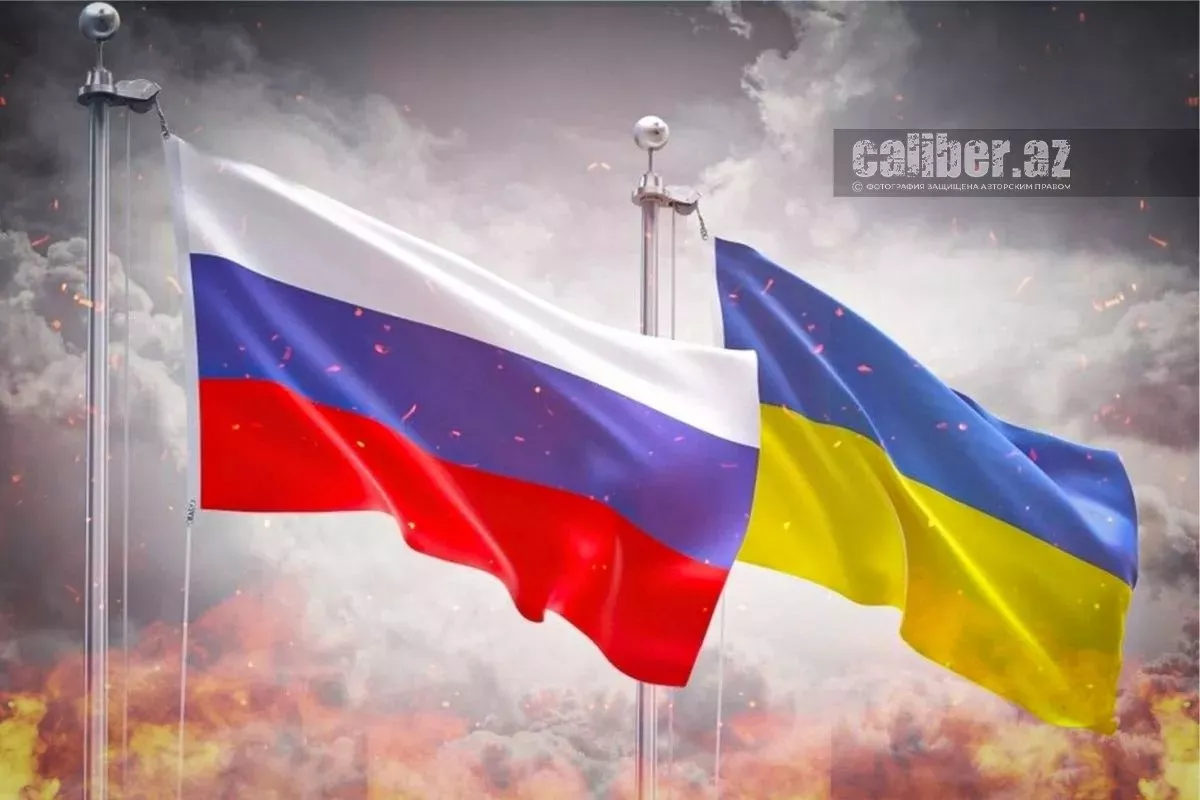
However, the “great victory” of the nuclear power Russia over tiny Georgia in August 2008 did not, in reality, mark the beginning of a revival of Moscow’s “superpower status.” In 2010, the so-called “Arab Spring” began, for which Russia was completely unprepared. By late 2013, the situation in Ukraine had slipped out of Kremlin control. The Maidan in Kyiv entirely pulled the country out of Russia’s orbit. Attempts to partially “reverse the situation” through the seizure of “strategic scraps” in 2014–2015 ultimately ended in disaster. The annexation of Crimea and intervention in Donbas were largely driven by hopes of repeating the “success” of seizing Georgian territories, but in reality, Kremlin policy led to the bloody war that began in February 2022—a war from which Russia still has not been able to extricate itself.
Symbolically, as Russia’s problems in Ukraine increased, issues with the Nicaraguan Canal project began simultaneously. Initially, everything seemed to be progressing well. On June 4, 2012, Nicaragua’s National Assembly approved the project to build the “Great Nicaraguan Transoceanic Canal.” In 2013, the Nicaraguan authorities granted a 50-year concession for the planned canal to the Hong Kong company HK Nicaragua Canal Development Investment Co. Ltd., which began construction at the end of 2014—but the work did not last long. Although the original plan was for the first ships to pass through the canal in 2019, the project was effectively frozen after Donald Trump first took office in early 2017, as China considered investment in it untimely and impractical, primarily for geopolitical reasons.
In the context of Russia’s weakened position in the world due to its “Ukrainian problems,” its ability to pursue its own game in the Western Hemisphere sharply declined. Beijing could no longer count on Moscow’s support for its ambitious projects and preferred not to act against Washington’s interests.
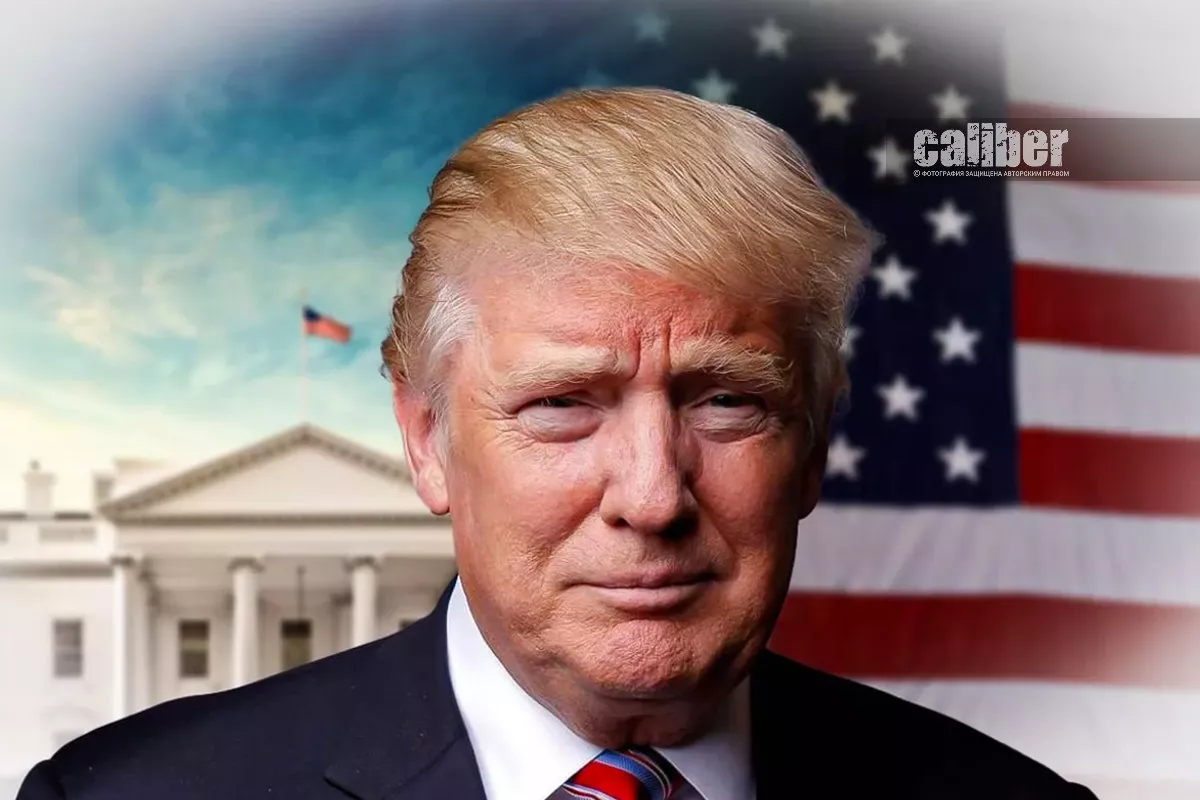
Recent events in Venezuela show that the United States is returning to the Monroe Doctrine and has no intention of tolerating foreign geopolitical influence in the Western Hemisphere—let alone “foreign” logistical projects. From the perspective of today’s geopolitical realities, the recognition by Nicaragua and Venezuela of the separatist regimes on territories seized by force by Moscow is a complete anachronism and a “monument to the Kremlin’s inadequate ambitions” in the not-so-distant past.
Moreover, the United States intends to quickly implement its new logistical projects, in which Moscow, at best, would play the role of a “junior partner.” This primarily involves sea transport through the Arctic as an alternative to the Panama Canal—namely, via the so-called Northwest Passage past the Arctic waters of Greenland, Canada, and Alaska.
The Northwest Passage is generally shorter than Russia’s Northern Sea Route through the Arctic seas, and, most importantly, it lies in the Western Hemisphere—meaning that control over this route fully aligns with the Monroe Doctrine. However, the U.S. currently lacks its own icebreaker fleet, as well as a key “base port” to service this strategically important Arctic route. Russia, on the other hand, has such a port on the Northern Sea Route—the ice-free Murmansk. On the western side of the North American continent, building an equivalent “continental” port at the eastern entrance to the Northwest Passage is challenging: cold currents along Canada’s northeastern coasts keep ice near the Labrador Peninsula and northern Newfoundland for much of the year.
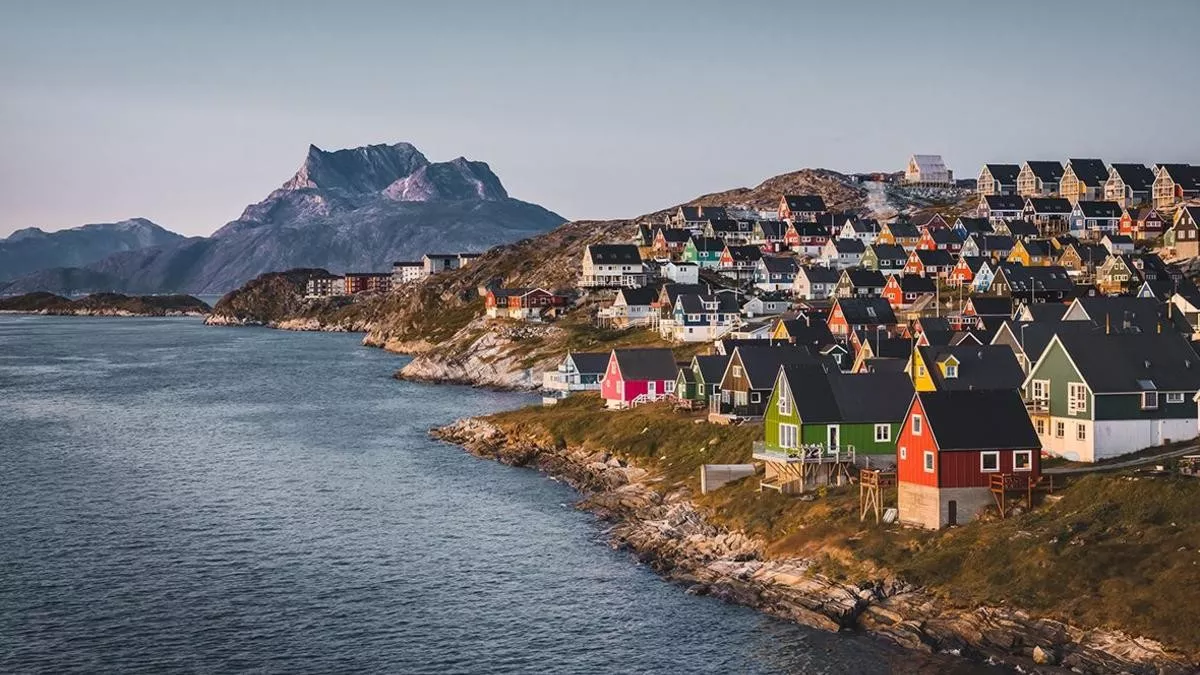
In contrast, the southwestern coast of Greenland—directly “opposite” the Northwest Passage and washed by relatively warm ocean currents—does not freeze at all during winter, even though most of the island is covered by ice. This natural phenomenon, combined with the presence of numerous deepwater bays and inlets, makes Greenland an ideal location for a deepwater port, an icebreaker fleet base, and a “launch point” for transit through the Northwest Passage from the east.
Furthermore, the island is geographically close to Europe, and a port on its southwest coast could effectively become a “northern Singapore” on the new logistical route. On the western side of the North American continent, Anchorage in Alaska could serve as the hub for organising transit via the Northwest Passage—the same city where, last summer, the highly symbolic meeting between U.S. President Donald Trump and Russian President Vladimir Putin took place.
If cooperation develops further, the United States could potentially “borrow” part of Russia’s icebreaker fleet or negotiate its joint use until its own fleet is built. Washington already holds a lever of pressure on the Kremlin to encourage compliance with “mutually beneficial proposals”: assistance in “freezing” the war in Ukraine, which has already drained Moscow’s resources.
Thus, it becomes clear why, immediately after the “special operation” in Venezuela, Donald Trump once again raised the issue of U.S. control over Greenland. Objections from Denmark, which currently owns the island, and from the EU, appear to be largely a matter of “negotiation” and “inflated pricing.” Especially given that Denmark already has a historical precedent of successfully selling territory to the United States. This refers to the Virgin Islands, which were purchased by the U.S. from Denmark in March 1917 for $25 million—roughly half of the Danish kingdom’s annual budget. The United States needed these islands at the time because control over them allowed protection of access to the Panama Canal. On the eve of entering World War I, the U.S. feared that Germany might seize the islands and use them as a base for attacks on the Panama Canal.
Symbolically, the purchase of the Virgin Islands from Denmark was formalised on March 31, 1917—immediately after the February Revolution in Russia, which marked the beginning of the empire’s collapse, and five days before the United States officially entered World War I—a milestone that, as is well known, marked the start of America’s rise to global superpower status.

It follows that, more than a century later, the interests of the United States, Russia, and Denmark are once again intertwined in a complex way—but now under new realities. The essence, however, remains the same: the struggle over strategic transit routes and the security of logistics. And it is precisely this factor that gives Georgia a chance for a just resolution of the issue of restoring its territorial integrity. It should not be forgotten that another strategic transit route—the Middle Corridor—passes through Georgia and the South Caucasus, whose proper functioning is in the interests of the U.S., China, and, to a large extent, Russia as well.
Ensuring stability along such a route could be achieved through a final resolution of Georgia’s territorial integrity issues, the first step of which should be Venezuela’s revocation of recognition of the so-called “independence” of the separatists. Considering that acting President of Venezuela Delcy Rodríguez has already expressed a willingness to cooperate with the United States, Washington could, as part of this cooperation, raise the issue of withdrawing recognition of the separatists.
By Vladimir Tskhvediani, Georgia, specially for Caliber.Az







 editor@caliber.az
 +994 55 444-88-98
 Азербайджан, Баку, ул. Низами, 203, Af Business House, 5-й этаж