










Multivectorism and pragmatism Experts on Azerbaijani diplomacy in 2025
Azerbaijan’s Foreign Minister Jeyhun Bayramov recently summed up the results of the outgoing political year, outlining the key priorities of Azerbaijani diplomacy and the achievements attained. The minister devoted considerable attention to the regional agenda, stressing that in 2025, one of Baku’s central foreign policy directions remained the promotion of the normalisation process with Armenia, aimed at establishing a stable and lasting peace in the South Caucasus.
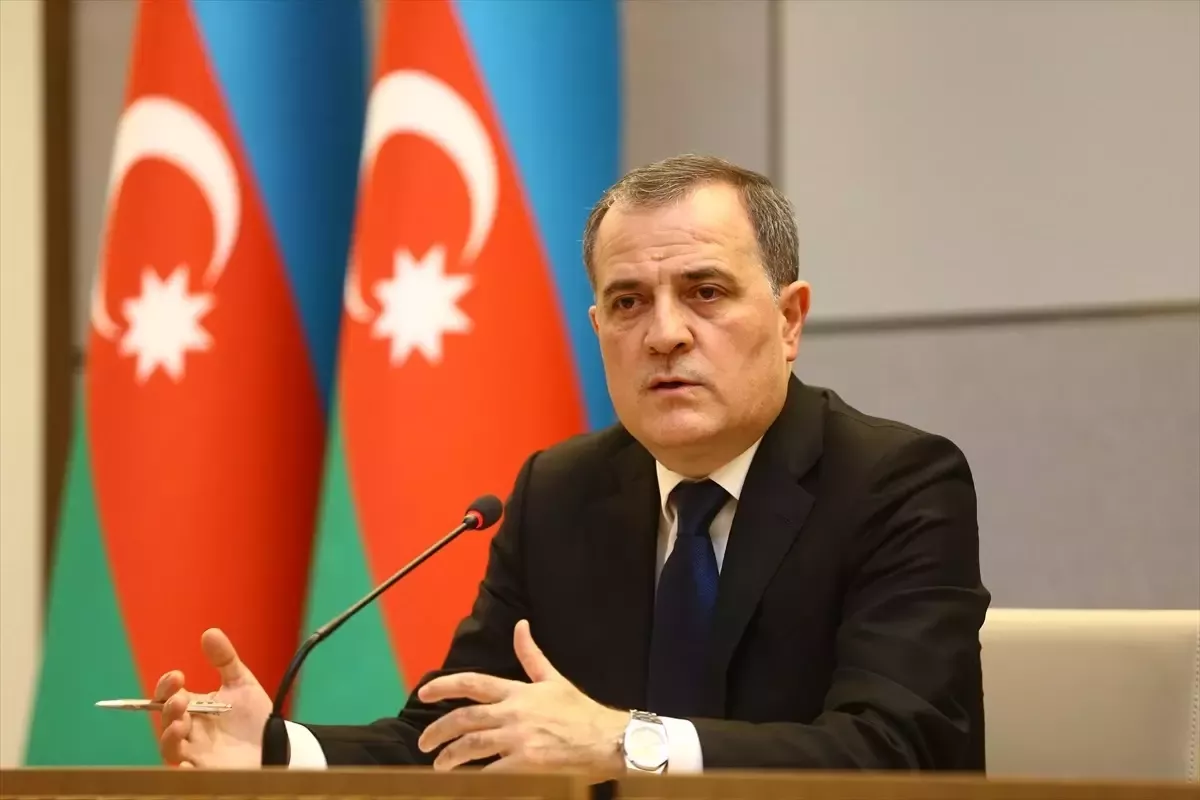
According to him, new political and legal realities have taken shape in the region, the first elements of which began to emerge as early as 2025 and will continue to develop consistently in 2026. In this context, the minister highlighted the importance of ongoing work on border delimitation, which is viewed by the sides as a phased and comprehensive process encompassing the full range of sensitive issues related to border matters.
The foreign minister also recalled that the signing of a peace agreement between Azerbaijan and Armenia is directly linked to Yerevan’s fulfilment of the commitments it has undertaken, including provisions related to regional transport and communication projects. At the same time, in practical terms, he noted that steps to build confidence were recorded throughout the year — ranging from the work of specialised commissions to individual humanitarian and public contacts.
Speaking about regional economic interaction, the minister noted that in 2025, efforts continued to ensure stable and predictable conditions for transit and trade in the region, including along routes passing through neighbouring states, where tariff-related issues were addressed through market mechanisms and dialogue among the interested parties.
Turning to the extra-regional agenda, Jeyhun Bayramov highlighted the intensification of Azerbaijan’s foreign policy engagement in the Middle East, as well as the strengthening of its strategic alliance with Türkiye. At the same time, he noted a marked improvement in the quality of dialogue with the West — both with the United States and the European Union — where contacts are becoming more pragmatic and substantive in nature.
The minister also drew attention to the expansion of Azerbaijan’s humanitarian, energy and economic diplomacy, as well as the consistent development of visa-related and institutional contacts with foreign partners, which collectively contributes to strengthening the country’s international standing.
Caliber.Az also invited foreign political analysts to assess the results of Azerbaijan’s foreign policy activities in 2025.

According to Belarusian political analyst and Francophone studies expert, Doctor of Political Science Borislav Osinchuk, Azerbaijan achieved significant diplomatic breakthroughs in 2025.
“In my view, Azerbaijan’s political course in the western direction proved extremely successful. In the eastern, or conditionally southern, vector, Baku has also undoubtedly registered tangible shifts and progress, which merit separate consideration. However, it was precisely in relations with the United States that Azerbaijan demonstrated a sharp leap forward this year and, in essence, delivered a diplomatic masterclass to many states.
The key point is that in 2025, Baku proved it is pursuing such a strong and self-sufficient foreign policy that it is capable of independently choosing its strategic partners, manoeuvring among various centres of power without falling into dependence on any of them. The joint declaration signed in Washington, which consolidated not only a breakthrough in the peace process with Yerevan but also elevated bilateral relations with the United States to a new level of strategic engagement, is a direct confirmation of this,” the political analyst noted.
According to him, the presence of the United States in the region became possible precisely thanks to Baku’s political will, as the country carefully calculated the right moment to reset its relations with Washington. As a result, Azerbaijan succeeded in building a balanced architecture of interests and power, significantly enhancing regional stability in the South Caucasus.
“The art of this move also lies in the fact that the United States, regardless of domestic political developments — including a potential return of the Democrats to power — is now compelled to engage in an equal and respectful dialogue with Baku. Azerbaijan has become an important regional partner for Washington, and confrontation with Baku does not serve American interests.
The second strong move by Azerbaijan in 2025 was the demonstration of its political authority in dialogue with the European Union, where Brussels is gradually beginning to take into account the rules proposed by Baku. Yes, the process is far from complete, but it is already evident that Azerbaijan has managed to break through in European politics, which in previous years sometimes drifted into overtly anti-Azerbaijani rhetoric. This applies both to the reset of relations with Germany and the gradual restoration of dialogue with France, with the crucial point being that the initiative for rapprochement came from the European countries themselves. In this context, Baku demonstrated extremely subtle diplomatic skill, focusing on building pragmatic, mutually beneficial relations with each European state on an individual basis,” Osinchuk emphasised.

Tajik political analyst Eraj Alimov believes that the results of Azerbaijan’s foreign policy over the past year can, without exaggeration, be described as impressive. Baku has managed to build an active and multivector diplomacy, evident both regionally and globally.
“Today, Baku is perceived as a responsible and reliable partner, capable of contributing to peacekeeping processes,” the expert noted.
Alimov drew attention to the expansion of Azerbaijan’s international presence. In his view, the signing of agreements with several states over the year, the opening of new diplomatic missions, and the restoration of the embassy in Syria after a long hiatus all indicate a purposeful policy aimed at strengthening the country’s foreign policy positions.
“This reflects growing trust and shows that Azerbaijan is seen as a state with a stable and predictable foreign policy line,” he emphasised.
Speaking about multilateral diplomacy, the analyst highlighted Azerbaijan’s active role in the Organisation of Turkic States, the Non-Aligned Movement, the Organisation of Islamic Cooperation, as well as the D-8 format. According to him, Baku’s participation in these structures is not merely formal: Azerbaijan puts forward its own initiatives and consistently develops cooperation with member states.
Alimov also singled out the dynamics of Azerbaijan’s relations with the European Union and international organisations.
“Despite existing disagreements and elements of double standards, Baku maintains a pragmatic dialogue with the EU,” the expert noted.
Turning to the South Caucasus agenda, the Tajik political analyst emphasised that Azerbaijan has made the normalisation of relations with Armenia one of the key directions of its diplomacy.
“Practical steps to build trust — from economic cooperation to civil society contacts and the work of border delimitation commissions — create a foundation for sustainable peace. At the same time, Baku consistently links the signing of a peace agreement to Armenia fulfilling its undertaken commitments,” he stressed.
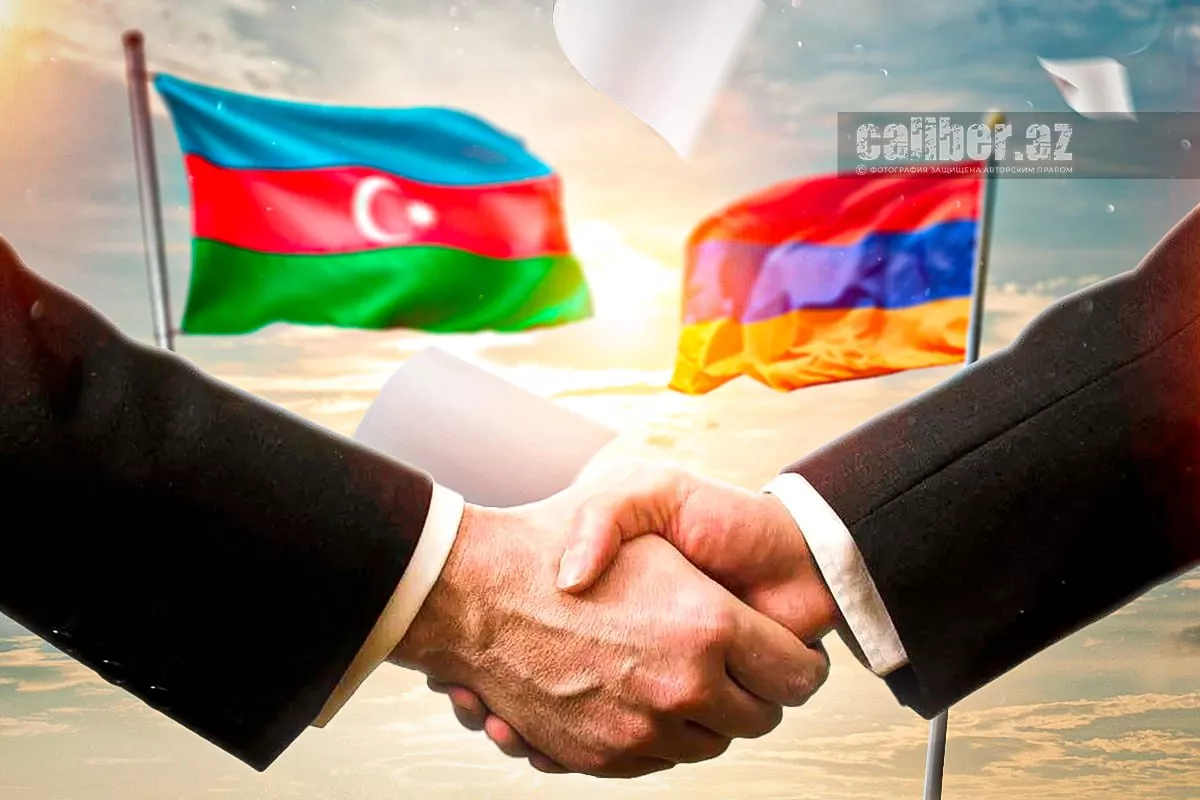
According to Alimov, an important component of Azerbaijan’s foreign policy remains its humanitarian dimension. Aid deliveries to Syria, support for Ukraine, as well as active investment and energy diplomacy, all strengthen the country’s international image.
“Today, Azerbaijan is not only a regional player but also a significant energy partner for a number of states, which directly enhances its political weight,” the analyst noted.
In conclusion, he emphasised that Azerbaijan’s foreign policy demonstrates the ability to adapt to changing global conditions.
“In my view, Baku consistently acts based on national interests, combining principled positions with pragmatism. This, I believe, explains why Azerbaijan’s diplomacy over the past year has produced such noticeable and tangible results,” Eraj Alimov concluded.







 editor@caliber.az
 +994 55 444-88-98
 Азербайджан, Баку, ул. Низами, 203, Af Business House, 5-й этаж