










Neo-Nazism in Europe: Is it time to sound the alarm? Analysis
Belarus, together with Azerbaijan and other partner countries, has spoken out at the OSCE against the rehabilitation of Nazism. In Belarus — one of the initiators of this statement — words are backed by action: the country has established a firm barrier against right-wing extremism.
Crimes with no statute of limitations
On December 5, Azerbaijan, Belarus, Kazakhstan, Kyrgyzstan, Russia, Serbia, Tajikistan, Turkmenistan, and Uzbekistan issued a joint statement at the OSCE Ministerial Council meeting in Vienna, expressing their commitment to countering any manifestations of neo-Nazism.
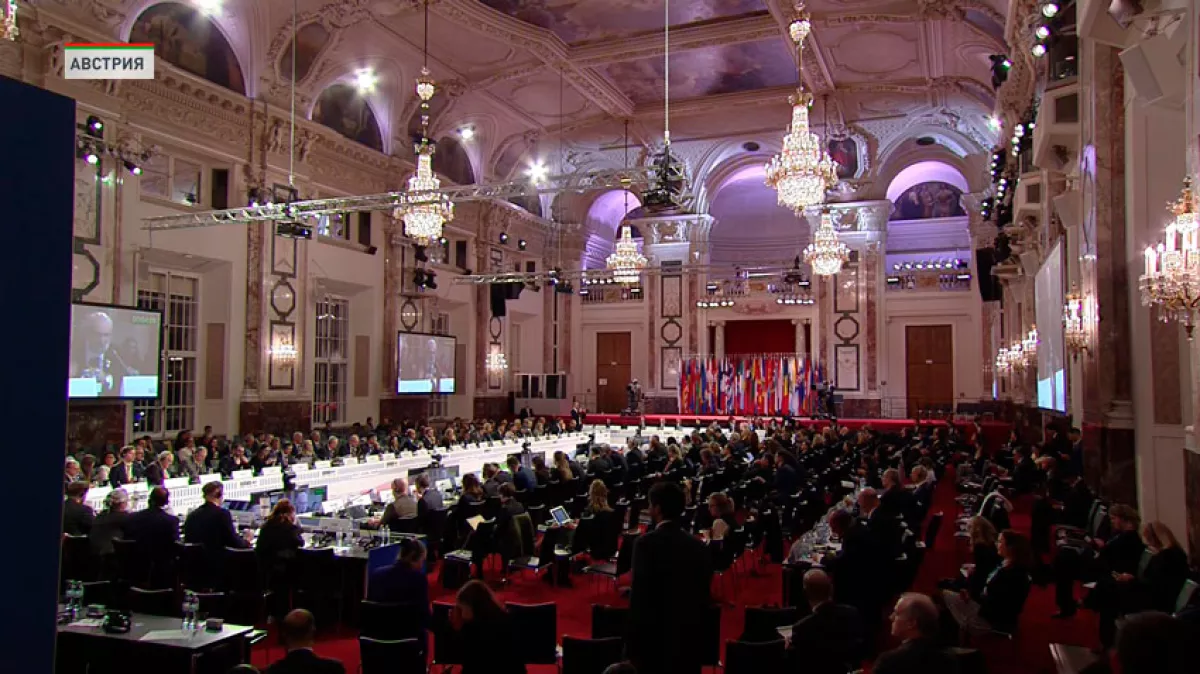
In the year marking the 80th anniversary of the Victory over Nazism in World War II, the foreign ministers of the nine countries called on the OSCE to pay close attention to the growing new threats posed by this hateful ideology. The document expresses concern about the strengthening of various extremist movements and racist or xenophobic ideologies, including neo-Nazism.
Relying on the UN General Assembly resolution adopted on December 17, 2024, on combating the glorification of Nazism, Azerbaijan, Belarus, and the other signatories reaffirmed the inadmissibility of revising the outcomes of World War II or diminishing the contribution of the peoples of the Soviet Union and the liberation movements of European countries in defeating Nazism.
The document emphasises: “[We] express our intention to resolutely suppress activities aimed at glorifying the Nazi movement, rehabilitating former members of the Waffen-SS and their accomplices, and denying the war crimes and crimes against humanity.”
The OSCE leadership is urged to use the full potential of the organisation to counter the spread of ideas of racial superiority, xenophobia, and related forms of intolerance, as well as to provide an appropriate assessment of manifestations of neo-Nazism, the glorification and rehabilitation of Nazis and their collaborators.
European nationalism on the march
There are indeed reasons for alarm — and very serious ones. In recent years, several EU countries that pride themselves on their democracy and political correctness have shown a steady rise in racism and nationalism. In 2022, Germany, Austria, Finland, Denmark, and Belgium were among the leaders in recorded incidents of racial intolerance.
In the same year, the EU Agency for Fundamental Rights conducted a large-scale survey among people of African descent in 13 EU countries. The results dealt a painful blow to the image of a “victorious tolerance”: overall, 45% of respondents had experienced racial discrimination. In Germany, 76% of Black participants reported instances of racism, while in Austria the figure reached 72%. Moreover, xenophobia has been growing rapidly: back in 2016, 52% of respondents in Germany and 51% in Austria reported such experiences.
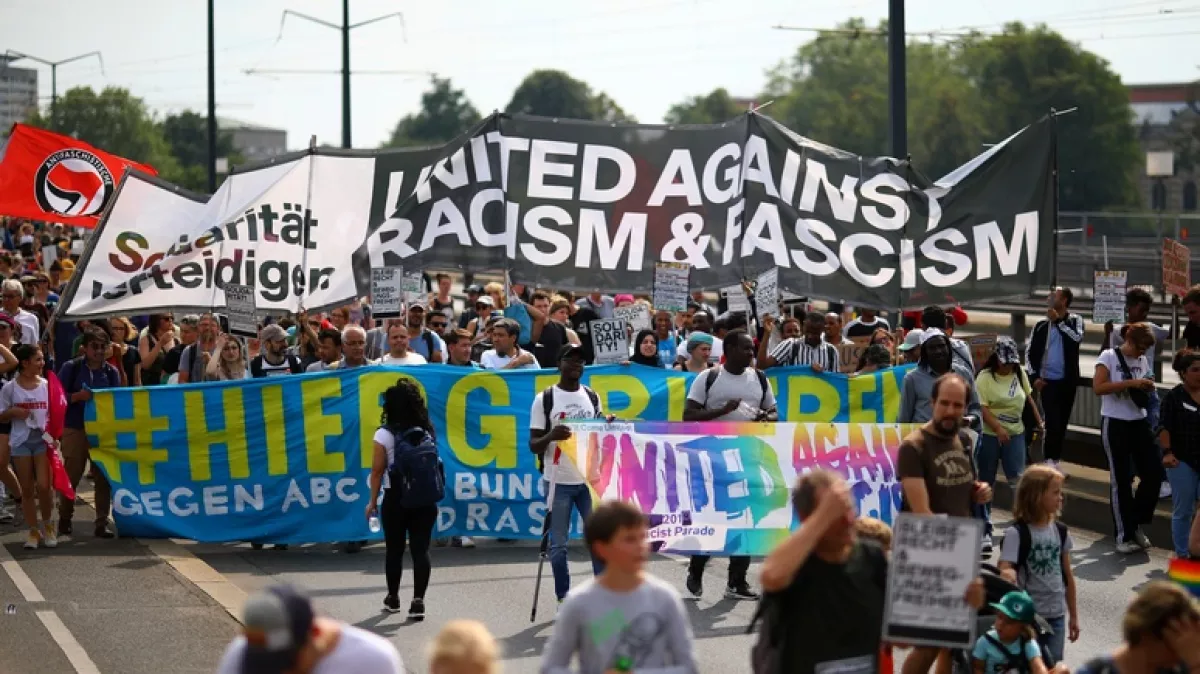
It was also highlighted that 30% of individuals of African origin are employed on temporary contracts — roughly three times higher than the average in Germany.
It is also telling that after 2022, EU-wide institutions virtually stopped publishing large-scale research results on racial discrimination.
Germany provides a characteristic example of how nationalism is taking on institutional forms. The far-right Alternative for Germany (AfD) won 94 seats in the Bundestag in 2017 — the first time since World War II that an ultranationalist party entered the federal parliament. The AfD achieved this breakthrough largely due to government missteps in migration policy, as well as its own shift from a provocative image to a more respectable one.
Today, the AfD has become Germany’s most popular party: as of December 2025, around 26% of voters are ready to support it. At the same time, according to Thomas Haldenwang, President of the Federal Office for the Protection of the Constitution, more than 10,000 of the nearly 40,000 suspected extremists in the country in 2022 were members of the AfD.
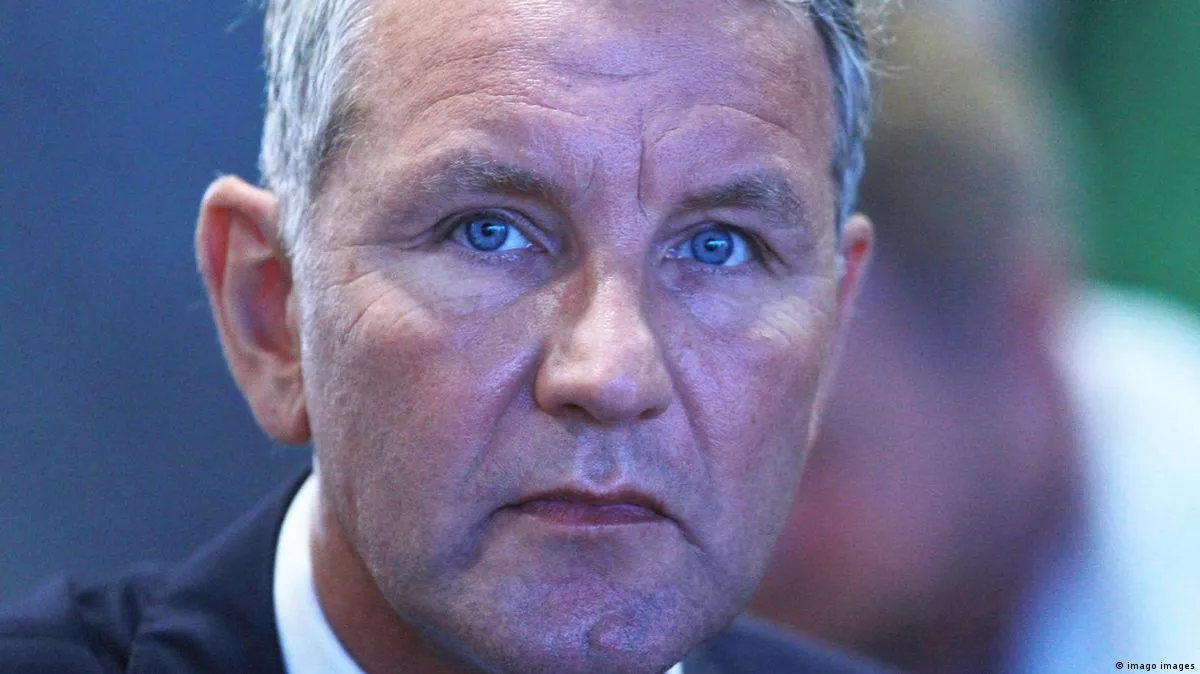
Yet even the “respectable” representatives of this party have repeatedly been involved in scandals. For instance, in January, Björn Höcke, leader of the AfD’s branch in Thuringia, called the Memorial to the Murdered Jews of Europe in central Berlin a “monument of disgrace.”
Right-wing extremism in Germany has long penetrated state institutions. Hundreds of German police employees over the years have been investigated for links to far-right groups or for committing right-wing extremist offences. A particularly high-profile case was the December 2022 exposure of a conspiracy by supporters of the so-called Reichsbürger movement, led by a 71-year-old Frankfurt businessman, the self-proclaimed “prince” Heinrich XIII von Reuss.
By March 2023, 63 people had been arrested in connection with the case. The alleged conspirators included former servicemen of the elite Special Forces Command (KSK), active-duty Bundeswehr officers, former police officers, and even a sitting judge. Searches uncovered firearms and lists containing the names of politicians and journalists who were potential targets. The arrested individuals were charged with forming a terrorist organisation and planning a government overthrow.
Even more radical political structures openly promoting nationalism continue to operate in Germany. Despite the disappearance of the Islamophobic PEGIDA movement from the public stage, the Homeland Party (formerly the National Democratic Party of Germany — considered by many experts to be the ideological heir of the NSDAP), the DIE RECHTE (“The Right”) party, the monarchist “Free Saxons” movement, and several other organisations remain active. Violent right-wing extremist groups go underground or disguise themselves as legal associations — including martial arts clubs and “cultural” communities.
The rise of nationalism in Germany — a country that unleashed two world wars — is particularly alarming, especially against the backdrop of its officially promoted policies of multiculturalism and tolerance.
Far-right factions already hold more than 15% of the seats in the current European Parliament. In the 2024 elections, the extreme right nearly doubled its results compared to 2019 and received three to four times more votes than in the 2014 and 2009 elections. Over the past two years, Europe has seen an almost explosive growth of nationalist sentiment, driven in large part by the severe consequences of the neoliberal elite’s dominance in the EU’s economy and politics.
Attempts at the de facto rehabilitation of the Third Reich have also continued in the West. Some revisionists shift the responsibility for starting World War II onto the Soviet Union, while others blame the United Kingdom, the United States, or even a mythical “international Zionist conspiracy.”
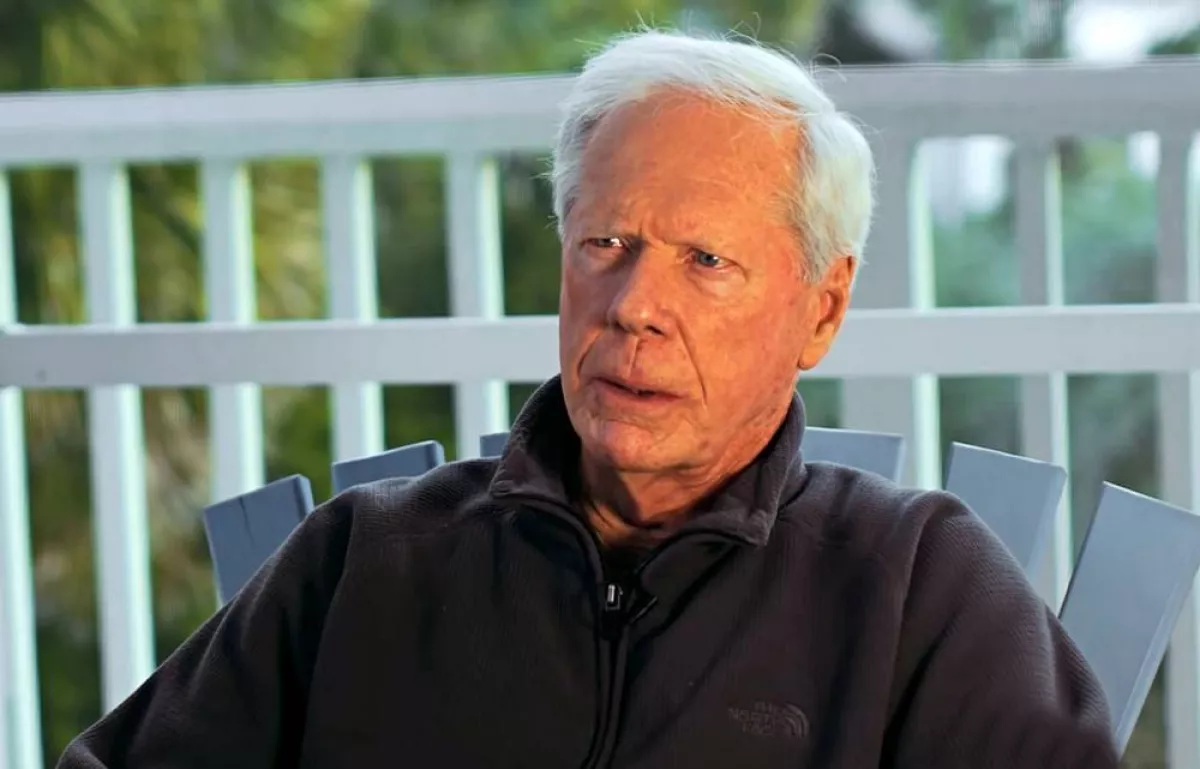
A telling example is Paul Craig Roberts, who claimed: “Hitler’s program consisted of reuniting Germany. Hitler’s demands were fair and realistic… Thus, Britain bears responsibility for the Second World War, first because of its foolish interference in the German-Polish negotiations, and second because of its declaration of war on Germany.”
Meanwhile, the existing international order is based precisely on the consensus reached after World War II. Any attempt to dismantle this foundation is a direct path to chaos and new global conflicts.
Belarus against Nazism
In the early 1990s, in the young independent Belarus, Belarusian nationalists also attempted to revise recent history. For example, Gauleiter Wilhelm Kube, executed by Minsk underground fighters in 1943, was portrayed as a “friend of the Belarusian people.” However, with Alexander Lukashenko’s rise to power, attempts to rehabilitate Nazism were increasingly firmly suppressed.
During the turbulent 1990s, the youth subculture of “skinhead” (White Power) also arrived in Belarus from the West. These neo-Nazi youth groups promoted hatred toward people from the Caucasus and other non-Slavic nationalities.
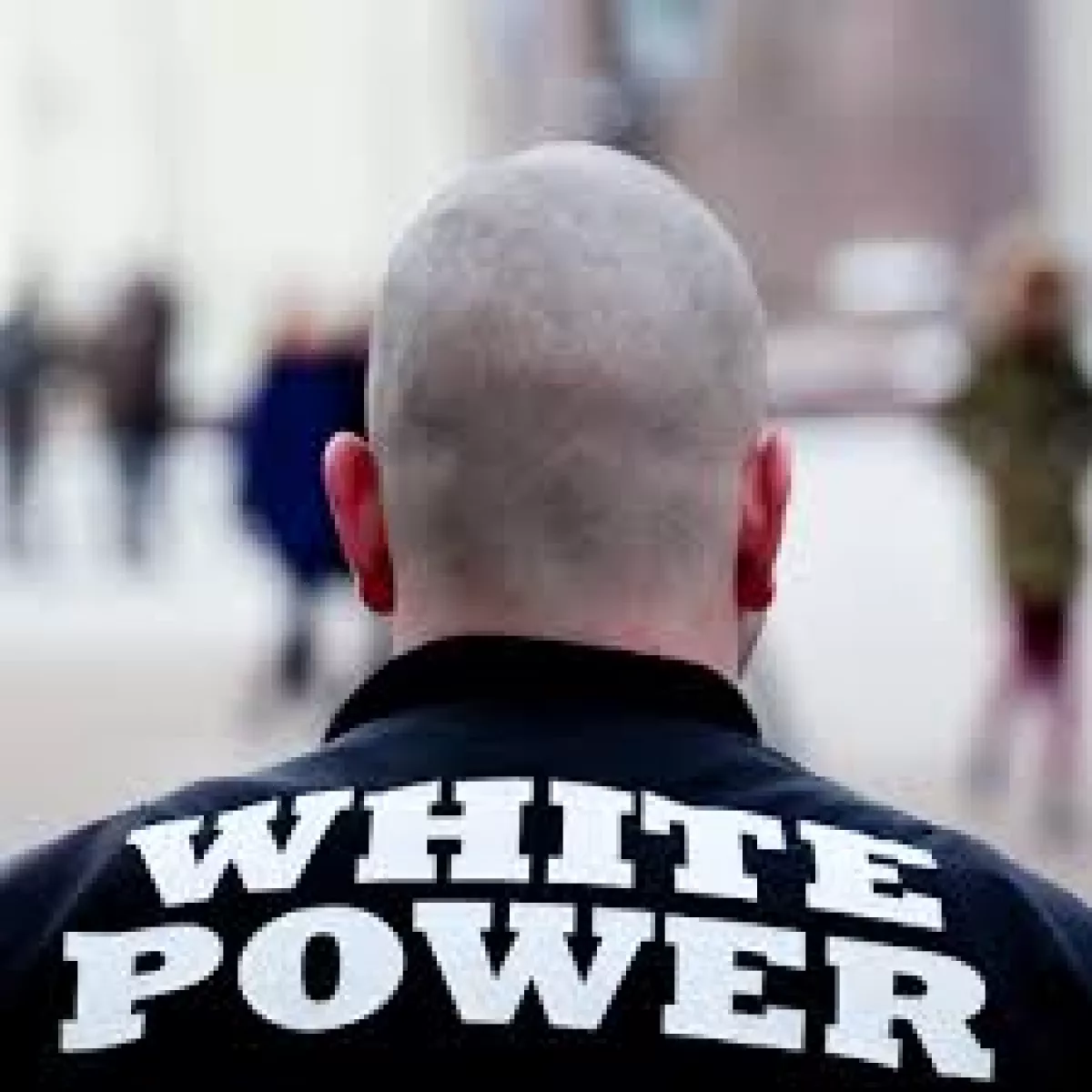
Such xenophobic views often overlapped with the ideology of the Belarusian opposition, which fueled hostility toward other former Soviet republics. Belarusian nationalists also established their own far-right organisations, including the White Legion, Right Alliance, and the Belarusian Party of Freedom. For a time, the Russian neo-Nazi organisation Russian National Unity also attempted to gain a foothold in Belarus.
Initially, Belarusian law enforcement tended to view skinheads and similar groups as simply a youth subculture. However, after 2014, any manifestations of right-wing radicalism began to be prosecuted. In 2014, only seven protocols were drawn up under Article 17.10 of the Code of Administrative Offences regarding Nazi symbols, but by 2016 this number had risen to 50. That same year, 181 participants in neo-Nazi groups were held criminally responsible for various offences.
In 2020, the law “On Countering Extremism” was amended to include criminal liability for the rehabilitation of Nazism.
During the 2020 presidential elections, the destructive opposition attempted to actively involve radical youth movements, including football ultras, in mass street riots. Today, however, as a result of the operational and preventive work of the Belarusian KGB, the Main Directorate for Combating Organised Crime and Corruption (GUBOPiK) of the Ministry of Internal Affairs, and other agencies, right-wing extremist and nationalist movements have virtually disappeared from the public scene in Belarus. Any attempts to form new far-right groups are promptly suppressed.
For example, members of the groups “Pert” and “Dukh Rusi” were detained after committing a series of violent crimes in Mozyr motivated by national and social hatred. In total, they carried out 30 attacks. They had created a social media community with several hundred users and posted videos of their assaults with knives and bats on innocent people.
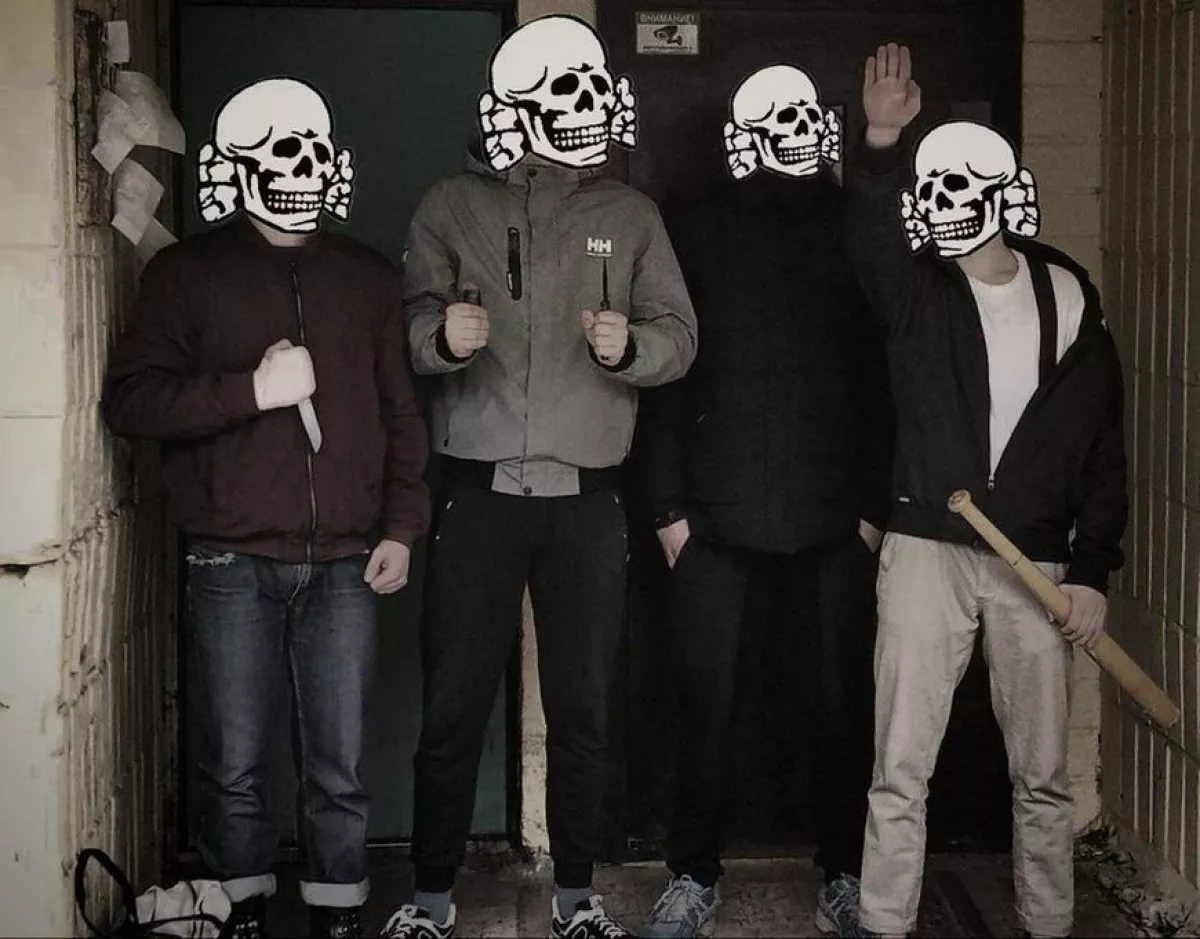
There were also plans to set fire to military enlistment offices and carry out other similar actions. According to correspondence, the group’s coordinators aimed ultimately at “fighting the current government,” attempting through these violent acts to destabilise the country. However, all extremists were soon arrested, and 34 criminal cases were initiated. In May 2025, eight defendants were sentenced to prison terms ranging from 3 years to 6 years and 9 months, though, on the occasion of the 80th anniversary of the Victory, some of the convicted individuals received sentence reductions under amnesty.
Schools and universities in Belarus actively conduct educational and awareness-raising activities, with patriotic youth organisations playing a major role. Although, unfortunately, formal approaches and occasional lapses sometimes still leave their mark. For instance, the egregious actions of right-wing extremists in Mozyr in May 2025 became the subject of discussion by a field commission on juvenile affairs from the Gomel Regional Executive Committee.
Overall, however, the situation among the youth has significantly improved in recent years.
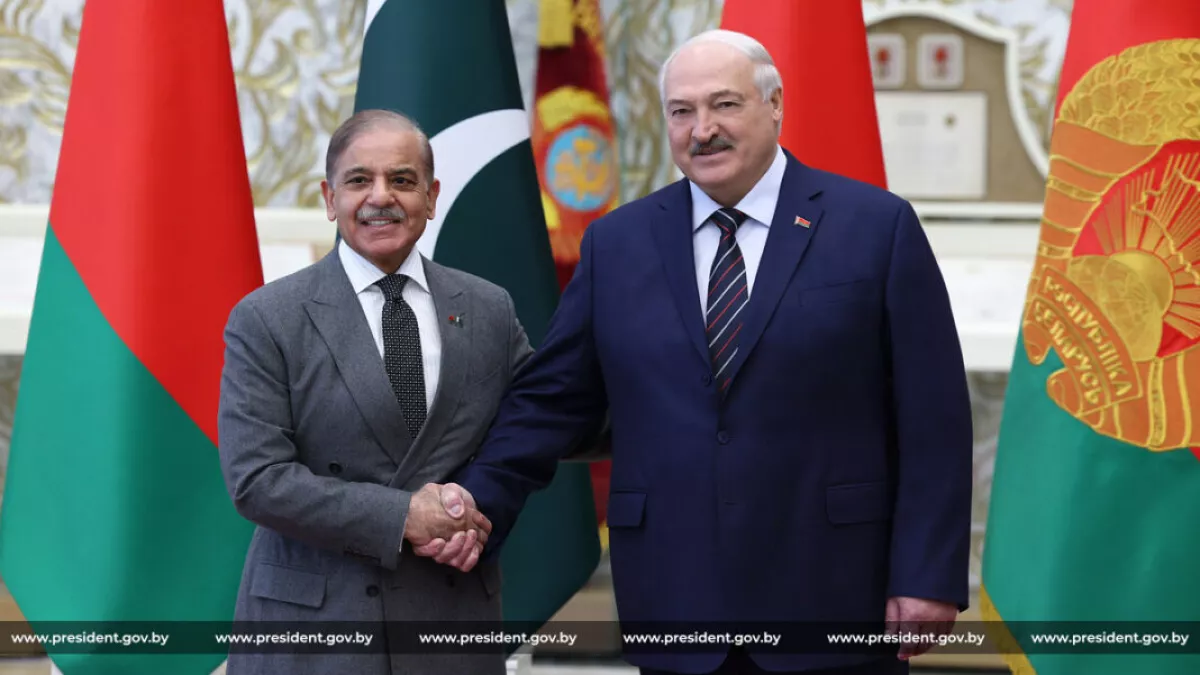
During a visit to Belarus in April 2025, Pakistani Prime Minister Shehbaz Sharif discussed the work of Pakistani specialists in the country. Foreign opposition resources immediately began to incite Islamophobia. Nationalist elements within the republic also became more active, but after a warning from the Ministry of Internal Affairs, all such provocations ceased immediately.
Today, Belarus has 83,000 foreign workers operating peacefully, without any notable conflicts or incidents.







 editor@caliber.az
 +994 55 444-88-98
 Азербайджан, Баку, ул. Низами, 203, Af Business House, 5-й этаж