










Opposition mobilised: stirring tensions around Georgia Article by Vladimir Tskhvediani
On March 31, 2026, the anniversary of the 1991 referendum in which the population of Georgia voted for the country’s independence, the radical Opposition Alliance announced the start of a so-called “national mobilisation campaign.” The opposition expects this campaign to last for two months. A symbolic culmination is planned for May 26 — on this day in Tbilisi, the radical opposition intends to hold a mass rally in honour of Georgia’s Independence Day.
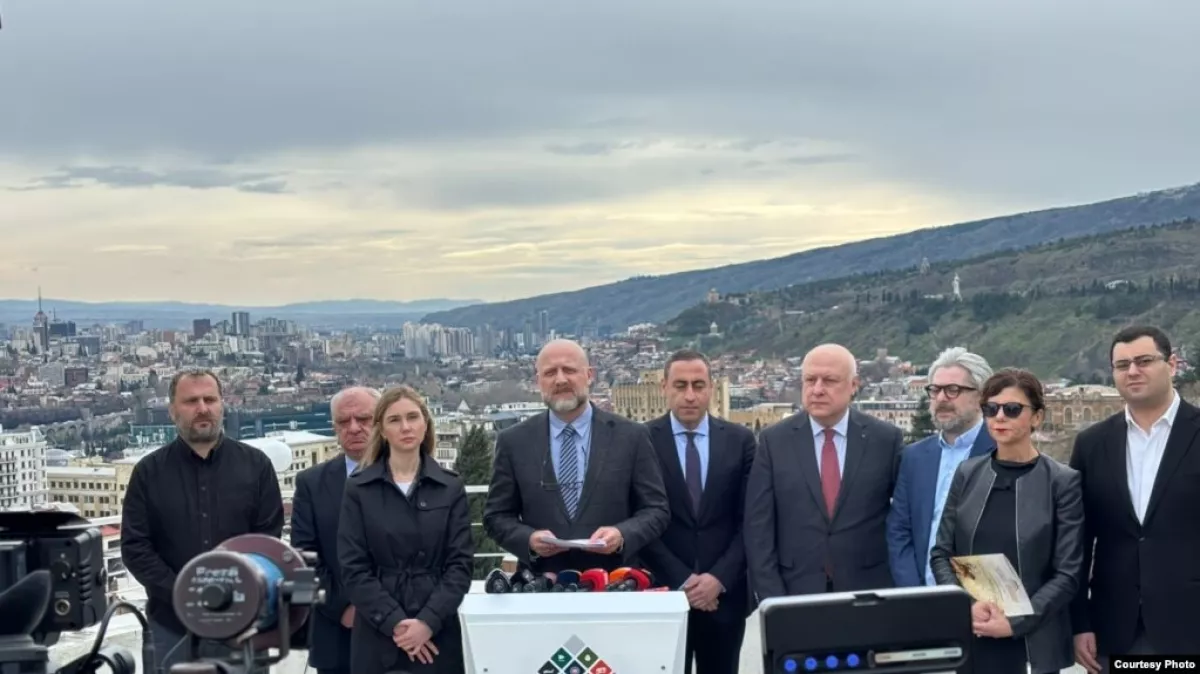
However, far more than on a “national mobilisation,” the opposition leaders today are counting on external support. The European Union, which in 2024–2025 effectively oversaw attempts to organise a “Maidan” and a coup in Georgia, has recently provided the Georgian “pro-European” opposition with little substantial assistance, limiting itself mainly to rhetorical support. In this context, the opposition is placing its main bet on the United States.
The Opposition Alliance intends to present the U.S. with a “plan for a change of power,” which is, in fact, a scenario for a coup d’état. Meanwhile, in the coming years (until 2028), no elections are expected in Georgia, and even in the case of early elections, the level of support for the opposition has significantly declined, which substantially limits its chances of coming to power through democratic means.

“A visit to the United States is scheduled. Before that, members of the Opposition Alliance will visit Europe. We will travel to the United States for one reason – to present our plan on how we intend to change the government, defeat Russia’s ally regime in Georgia and how the free world prevails in the South Caucasus,” said Tamara Chergoleishvili, leader of the Federalists Party.
At the same time, in the United States, there is effectively a process of “resetting” relations with the current Georgian government. Evidence of this was the phone conversation between Georgian Prime Minister Irakli Kobakhidze and U.S. Secretary of State Marco Rubio.
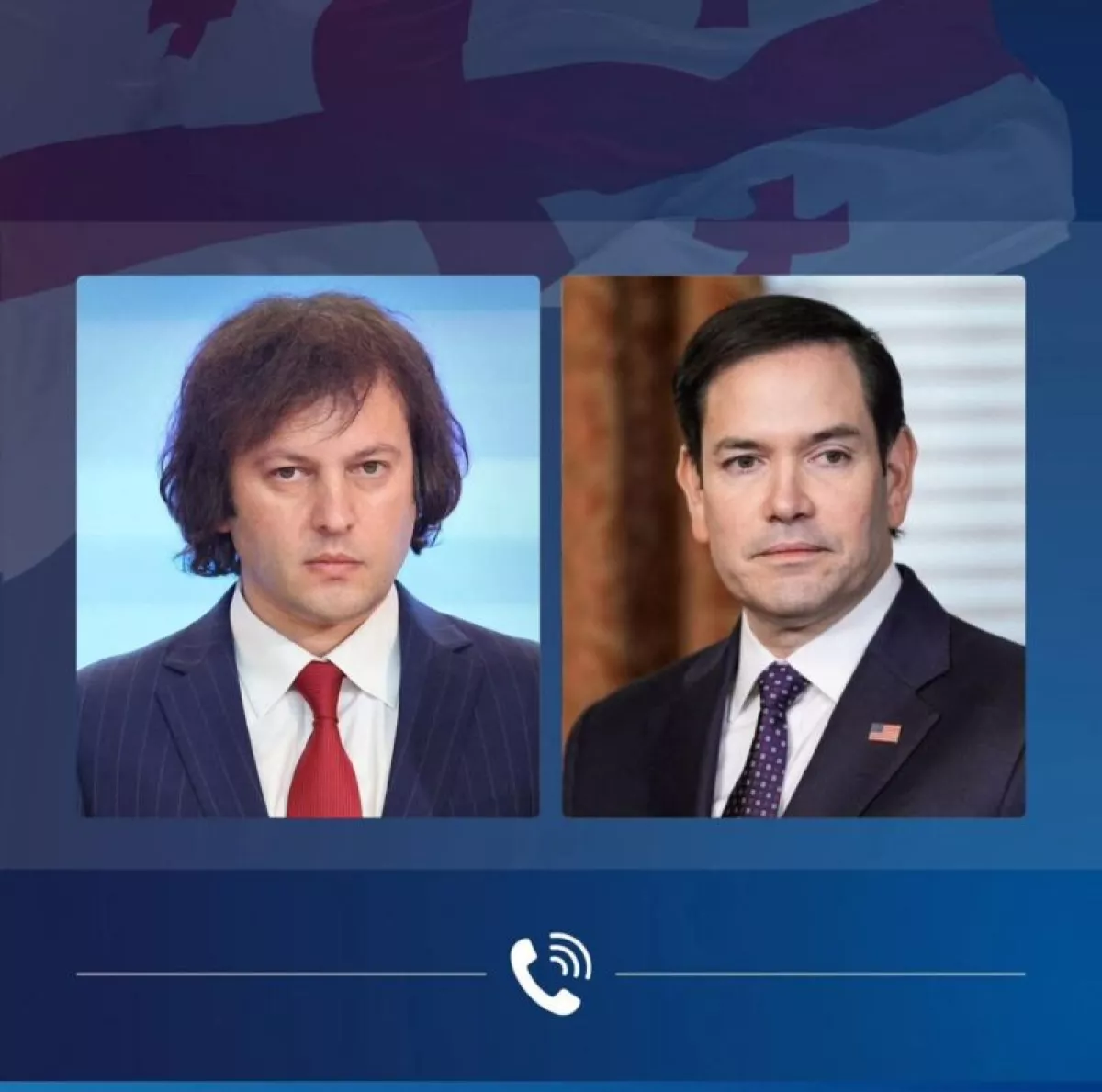
Commenting on the call, Irakli Kobakhidze noted that the parties discussed strengthening bilateral relations, regional stability issues, and the development of transport infrastructure.
According to opposition representatives, the ruling Georgian Dream Party is unable to restore full relations with the U.S. As Tamara Chergoleishvili stated, the Rubio–Kobakhidze conversation was driven primarily by regional developments rather than a bilateral agenda and likely concerned the situation around Iran and the overall regional environment.
Georgian Parliament First Vice-Speaker Gia Volski, in turn, believes that the development of cooperation between the Georgian government and the United States “causes hysteria among the opposition,” which gives these processes distorted interpretations.
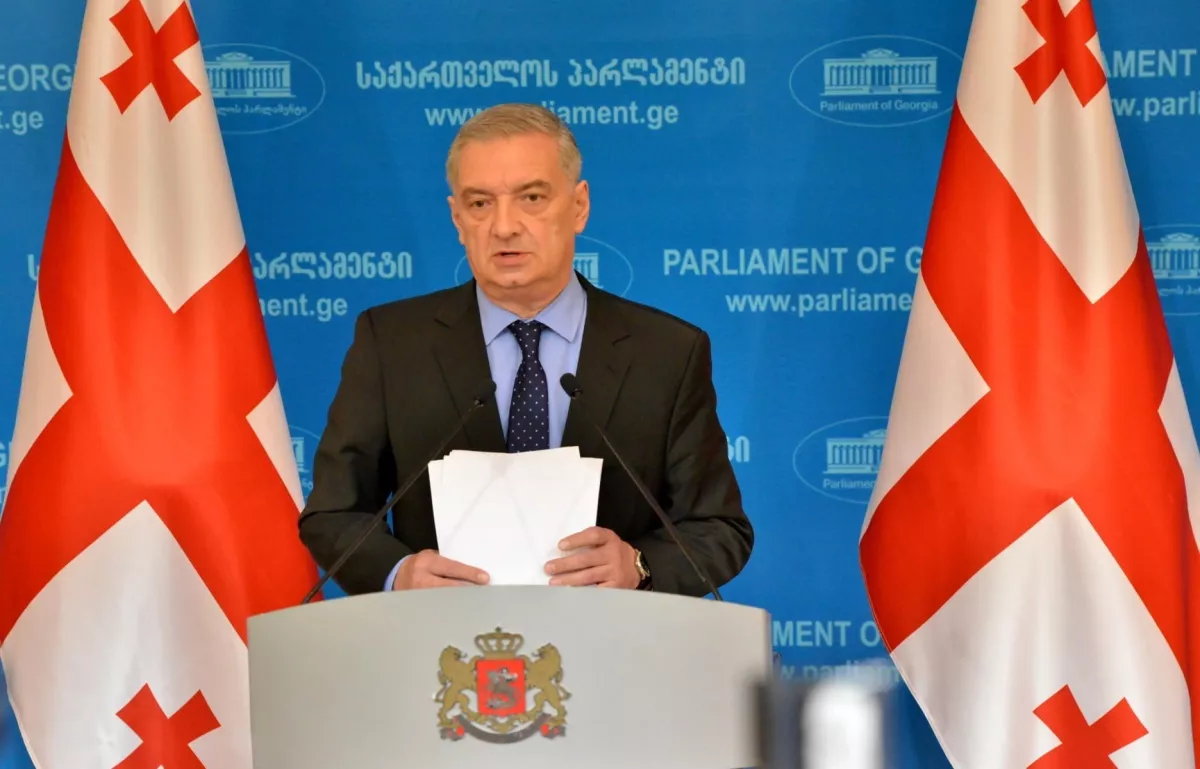
“This is unfortunate, as it highlights that there is a large group of people within the country without a homeland, who try to use any issue to achieve their dark goals. When something positive happens, it is distorted and interpreted out of context. They don’t even know what it is about. Overall, the discussion concerns the region, its security, and the Black Sea. Naturally, regional security is inseparable from Middle Eastern issues. If the conversation took place, it means that two allies have restored the business relations that were inherent to them… We would like a faster pace, but we understand the state of the world, and in this context, the role and responsibility of the United States are clear,” Gia Volski stated.
Georgia, in developing its relations with the United States, like other countries in the South Caucasus, seeks not to be directly drawn into military escalation in the Middle East. However, according to the authorities, the radical Georgian opposition is doing everything possible to make that happen.
On the eve of the current war in the Middle East, when protests against the ruling authorities were taking place in Iranian cities, the Georgian opposition not only openly supported them but, according to available reports, involved Iranian migrants carrying Pahlavi dynasty flags in their demonstrations. Why this was done and how it could affect the domestic political situation in Georgia has not been explained by opposition leaders. Meanwhile, it is obvious that such scenes from the streets of Tbilisi could have irritated the authorities in Tehran.
Today, opposition media outlets, on the one hand, have sharply intensified anti-Iranian rhetoric, portraying the Georgian Dream government not only as “pro-Russian” but also as “under Iranian influence.” On the other hand, they focus attention on any episodes of military cooperation between the U.S. and Georgia, and also “recall” the overflights of American military aircraft through the country’s territory.
Clearly, in the current extremely complex geopolitical situation, external powers—whether Washington or Brussels—will not support the opposition and ensure its rise to power unconditionally. The leaders of the radical opposition, it seems, are counting on a kind of “deal to sell Georgia”: an external power grants them authority, and in return, the country is drawn into someone else’s war.
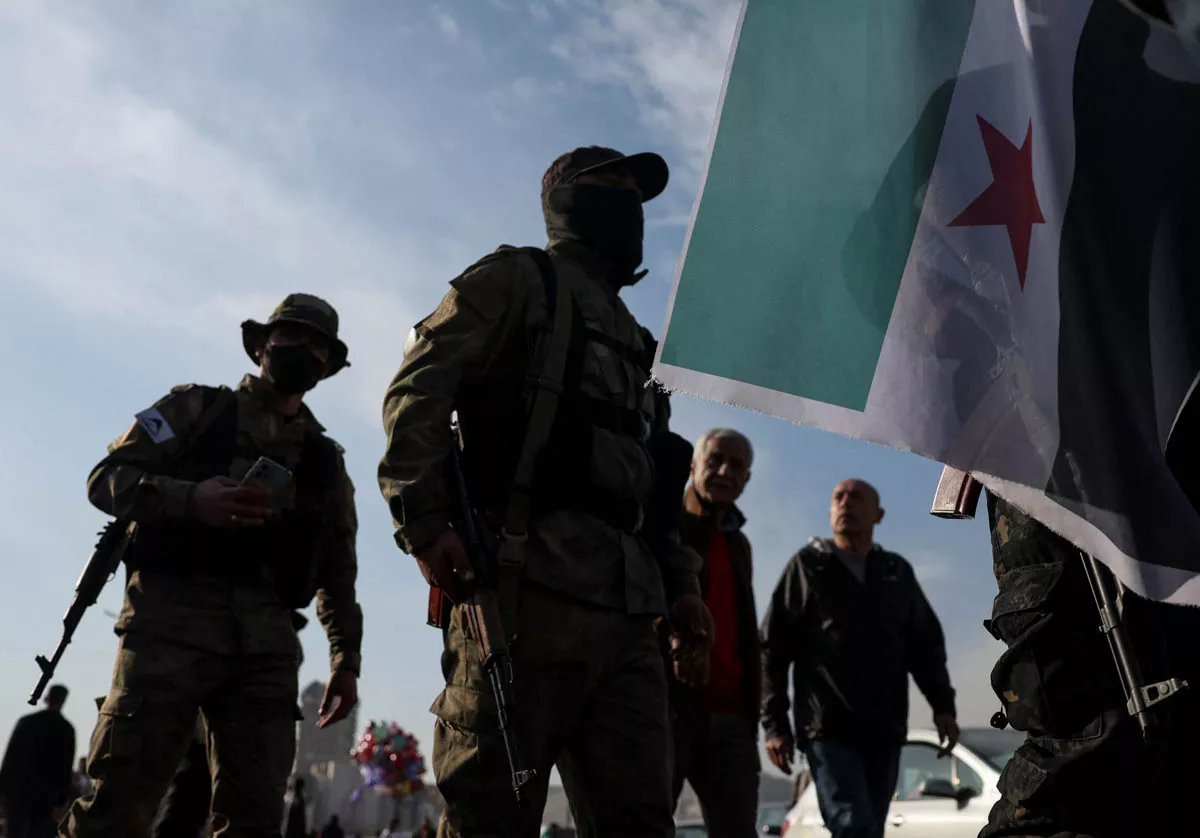
Attempts to involve Georgia in the Ukrainian conflict and open a “second front” in 2022–2025 failed. Now, the opposition’s “hopes,” apparently, are linked to the war surrounding Iran. Since the United States plays a key role in this conflict, the opposition is effectively trying to offer Georgia as a “disposable geopolitical asset.”
At the same time, the very volatility of the geopolitical situation forces the Georgian government to exercise maximum caution. It bears responsibility not only for its own country and citizens but also, to some extent, for the stability of transport and communication routes for other countries in the South Caucasus and Central Asia. In the context of protracted conflicts in Ukraine and around Iran, the Middle Corridor passing through Georgia has effectively become the only reliable channel connecting the region to the outside world.
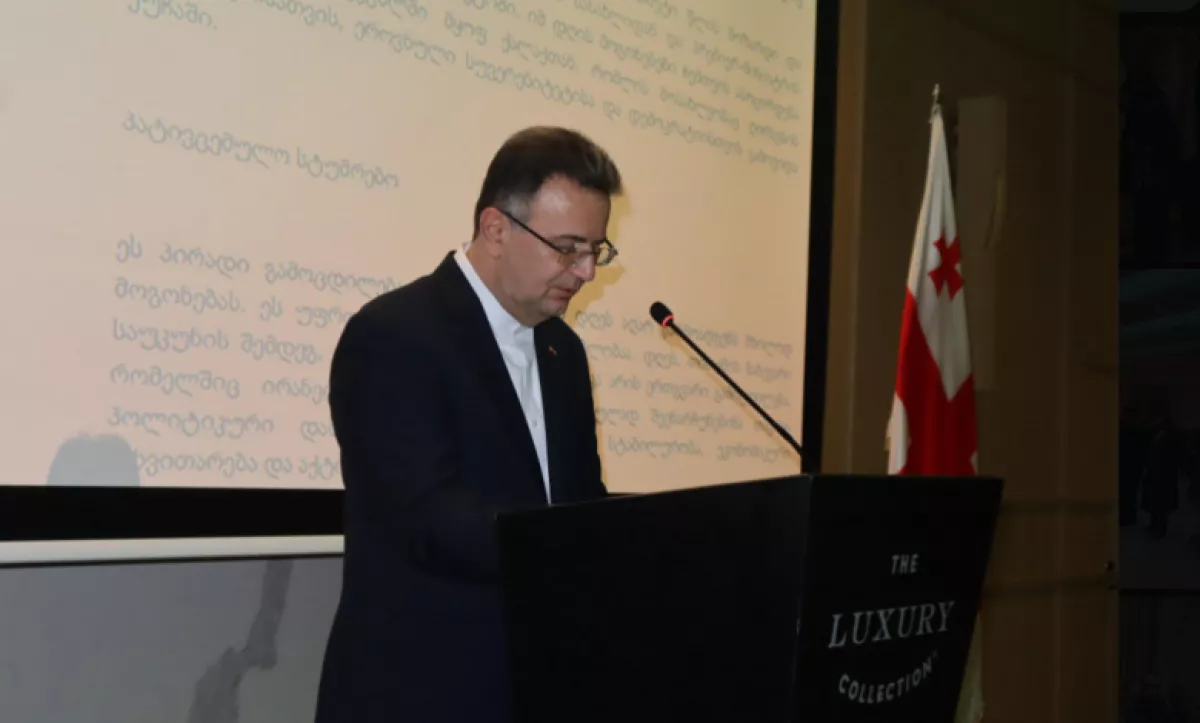
The very real threat to these transport and communication routes was highlighted in a social media post in Georgian by the Ambassador of the Islamic Republic of Iran to Tbilisi, Ali Moujani, published following reports of the conversation between the U.S. Secretary of State and the Georgian prime minister. In his statement, the Iranian diplomat effectively warned of the risks associated with supporting U.S. military operations for small countries.
“No one can ignore one fact about Donald Trump and American policy: when some countries—whether inadvertently or hastily—cede their space and territory to external adventurers, the cost of this will sooner or later be borne by the country itself. Today, the signs are evident: delays on export routes, capital outflow, and growing public anxiety over the consequences of a draining war, as well as the risks of escalation, including the threat of nuclear weapon use by America—all of this confronts decision-makers in small countries,” wrote the Iranian ambassador.
By Vladimir Tskhvediani, Georgia, exclusively for Caliber.Az







 editor@caliber.az
 +994 55 444-88-98
 Азербайджан, Баку, ул. Низами, 203, Af Business House, 5-й этаж