










Plan-20: Zelenskyy’s blueprint for ending the war From compromise to containment
The 20-point “basic document on ending the war” released by Ukrainian President Volodymyr Zelenskyy has become one of the most actively discussed topics, not only within Ukraine but around the world, as the Russia–Ukraine war continues to exert a profound influence on the balance of power across a vast geopolitical space.
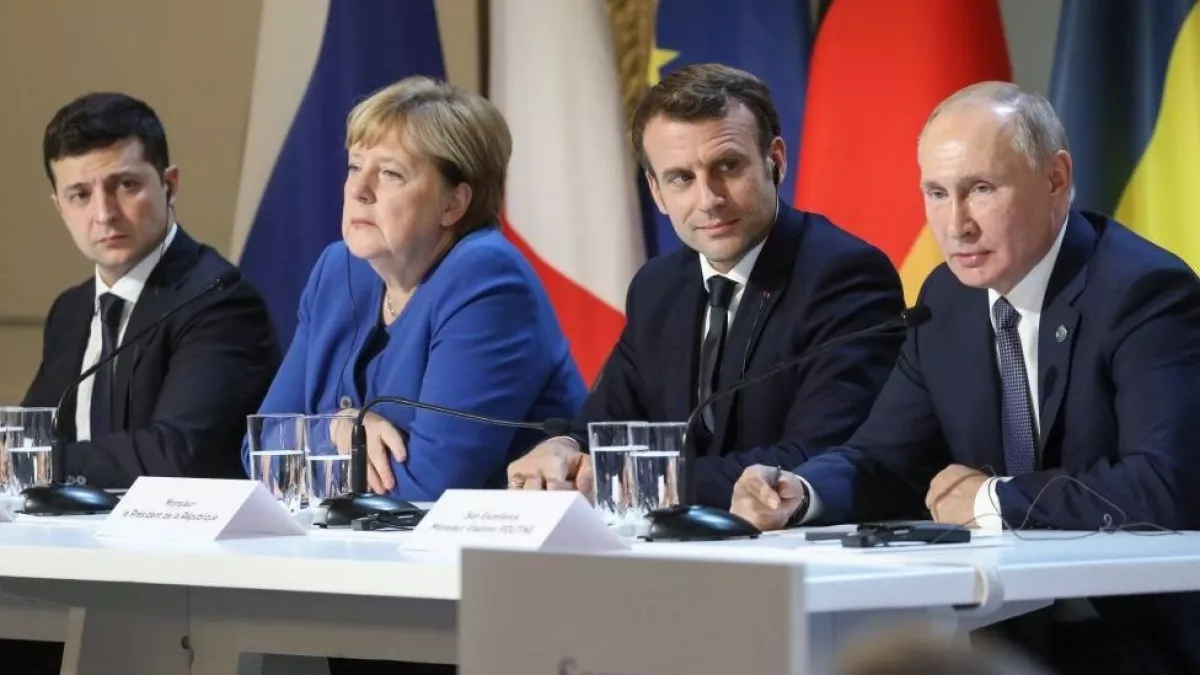
Notably, the leaders of Ukraine and Russia, Volodymyr Zelenskyy and Vladimir Putin, have met only once—at the Normandy Format summit in Paris. To be precise, the leaders of the four countries—Ukraine, Russia, Germany, and France—held a meeting at the Élysée Palace on December 9, 2019, during which Zelenskyy, Putin, Merkel, and Macron first conducted joint negotiations.
Later, the presidents of Ukraine and Russia met with their delegations behind closed doors, followed by a one-on-one discussion between Putin and Zelenskyy, and the session concluded with a joint press conference. At that time, important issues such as a ceasefire in Donbas and the withdrawal of Russian troops, an “all-for-all” prisoner exchange, and gas agreements were discussed. However, no compromise was reached then.
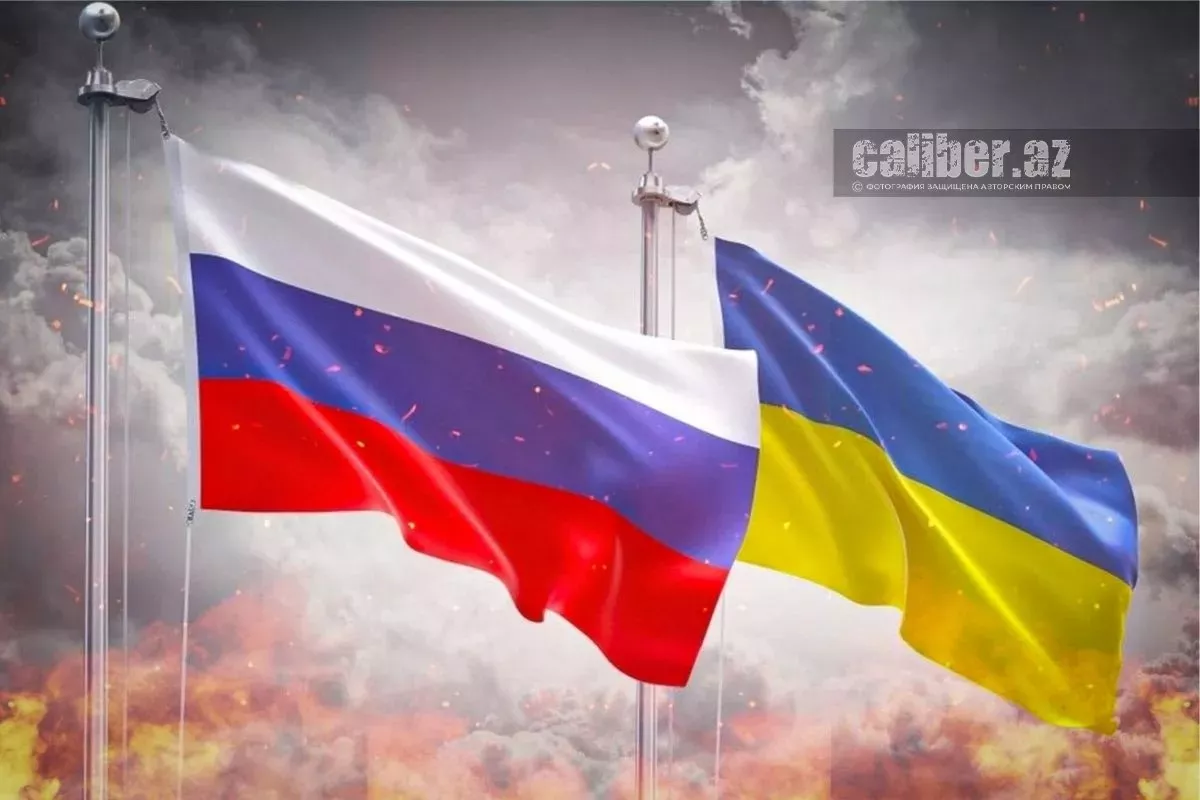
The Ukrainian public has now been presented with a concentrated reflection of the transformation of Ukraine’s negotiating position over six years—from cautious, compromise-driven dialogue in Paris in 2019 to a firmly established security architecture based on international guarantees, military deterrence, and political-economic integration with the West.
Comparing the current “20-Point Plan” with what was discussed in talks in the French capital, as well as with the provisions of the Istanbul Communiqué of March 2022, reveals a key development: Ukraine has moved from a logic of de-escalation to a logic of preventing renewed aggression at all costs. It is important, however, to recognise that the “Normandy Summit” in Paris took place in a fundamentally different context—Ukraine was not yet engaged in a full-scale war.
In 2019, issues of sovereignty, security guarantees, or membership in the EU or NATO were not matters of negotiation. On the contrary, Kyiv at that time demonstrated a willingness to be flexible, hoping that a gradual reduction of tensions would lead to a sustainable peace. During that period, Russia was perceived by Ukraine as a problematic, yet still negotiable, partner. Paris 2019 was based on the assumption that the conflict could be “frozen” and eventually politically resolved. None of this proved successful.
In February 2022, Russia launched a full-scale military invasion of Ukraine, and in March of the same year, the second—and far more dramatic—phase of the negotiation process took place in Istanbul. At that time, the Russian army was positioned near Kyiv, and the Ukrainian side was negotiating under conditions of existential threat. The Istanbul Communiqué presented to the Russian side then contained fundamentally different compromises: Ukraine’s neutral status, renunciation of NATO membership, limitation of the size of the Ukrainian Armed Forces, international security guarantees without a clear mechanism for automatic military response, and a deferred decision on the territorial issue.
The primary goal of the negotiations in Istanbul was to stop the war immediately, even at the cost of strategic concessions. Ukraine operated under the assumption that security guarantees could be ensured through political and diplomatic means, and that Russia, having received Ukraine’s neutrality, would abandon further aggression. As subsequent events have shown, this scenario proved illusory.
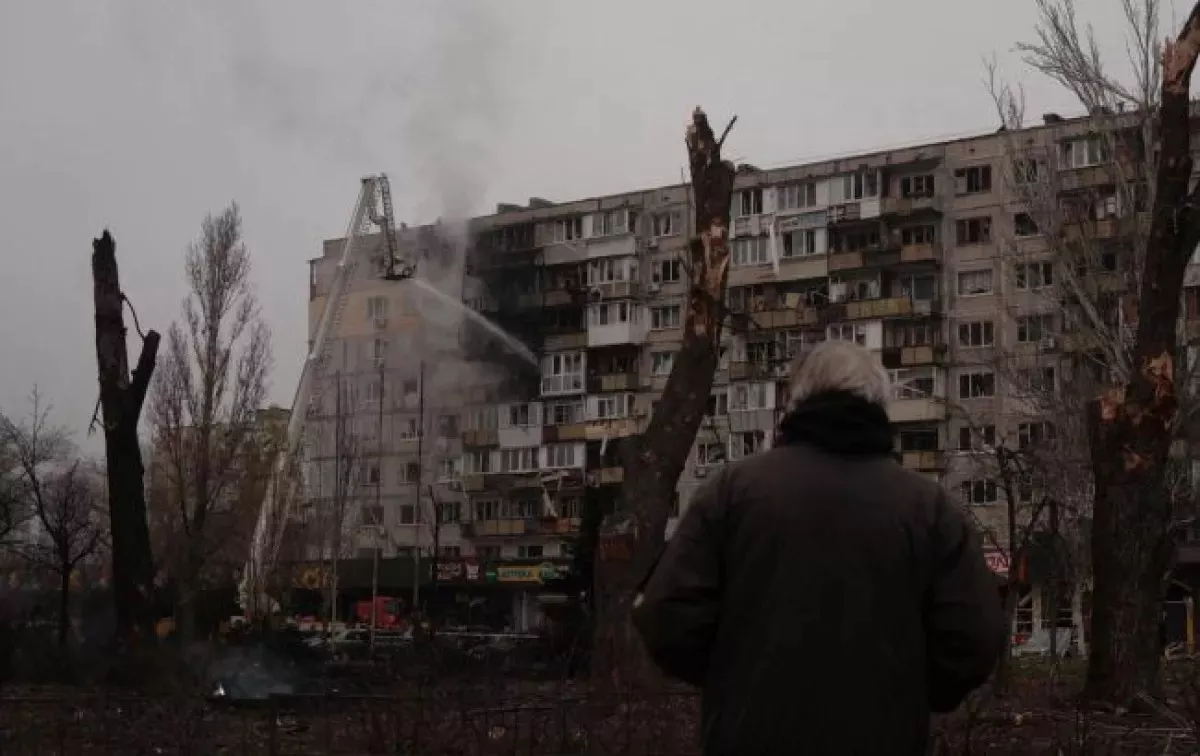
The war continues, and Ukraine keeps losing more and more territory. Meanwhile, Ukraine’s energy infrastructure is almost completely destroyed, and in Kyiv and other regions, there is no electricity for 12–14 hours a day. Considering the ongoing Russian attacks and the intensifying cold, with nighttime temperatures dropping to minus 5°C, the situation is becoming increasingly critical.
Against this backdrop, Zelenskyy has announced the 20-point “basic document on ending the war.” Essentially, this is a blueprint for a post-war order that takes into account the experiences of 2014, 2019, and 2022. For instance, while in 2019 the issue of security guarantees for Ukraine along the lines of NATO’s Article 5 was not raised at all, and in 2022 it was discussed only vaguely, today the Ukrainian side demands a direct military response from the West in the event of renewed Russian aggression.
Moreover, the current figure of 800,000 personnel in the Ukrainian Armed Forces during peacetime, as indicated by Zelenskyy, is a direct rejection of the Istanbul proposals to limit the army. Notably, for the first time in a document presented by the Ukrainian president, there is an explicit commitment for Ukraine to join the EU on a specified date—something that was not even discussed in Paris in 2019.
Regarding the territorial issue, while the Paris summit emphasised a “special status for Donbas” and the Istanbul talks focused on deferring decisions on territorial disputes, the current proposals suggest either fixing the contact line or implementing complex mechanisms (such as a special economic zone or a referendum), but without unilateral concessions. Finally, concerning international oversight of key facilities: for obvious reasons, the Zaporizhzhia nuclear power plant did not feature in 2019, whereas today Kyiv is only willing to discuss a scenario in which the U.S. plays a decisive role as a guarantor of the irreversibility of decisions.
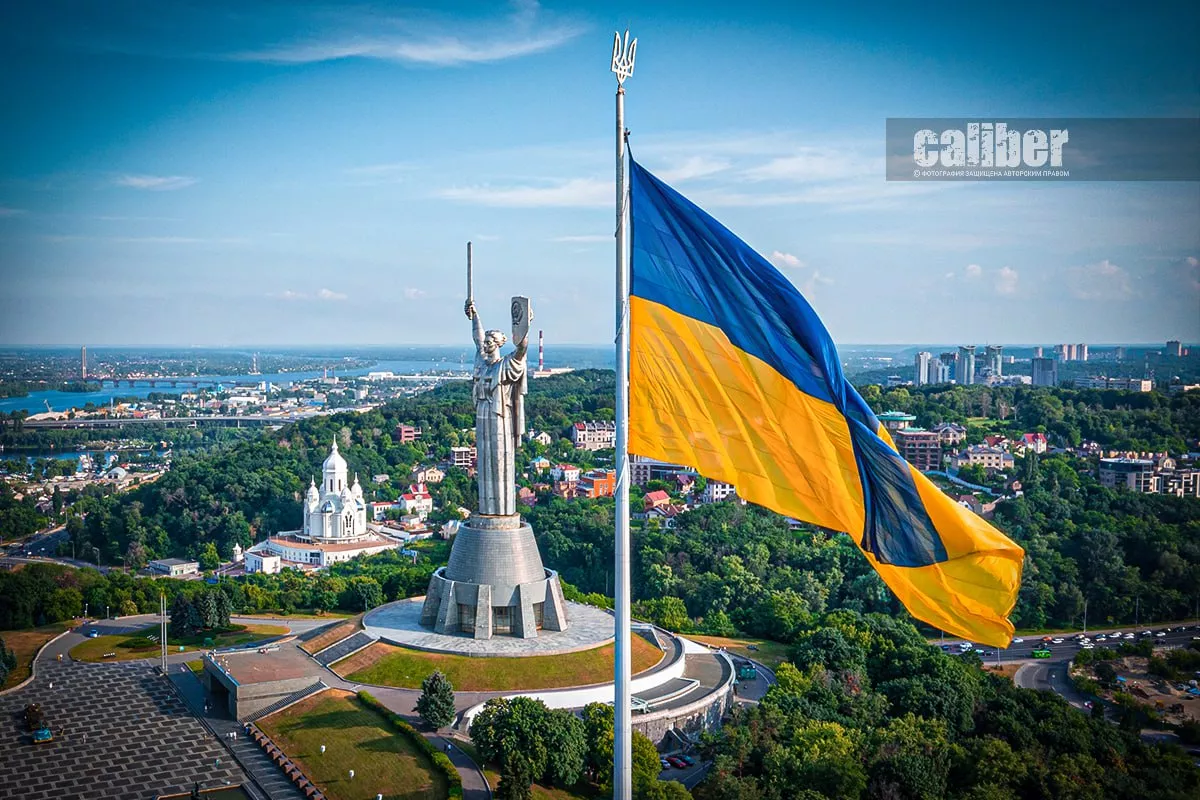
Clearly, the main change is the disappearance of trust as a category. In Paris, Ukraine operated on the assumption that an agreement was possible; in Istanbul, the focus was on buying time. In Ukraine’s “Plan-20,” Russia is viewed solely as a source of threat, whose behaviour must be constrained by external mechanisms of control and coercion. Even the point about a Peace Council headed by U.S. President Donald Trump reflects this new philosophy: Ukraine no longer relies on the “goodwill” of the parties, but only on the balance of power and external pressure.
Undoubtedly, the evolution of Volodymyr Zelenskyy’s position is not a matter of personal transformation, but a reflection of Ukraine’s historical experience: from an intention to negotiate to an intention to insure itself, from compromise to a system of checks and balances. If Paris 2019 was an attempt to “patch up” the old world, and Istanbul 2022 was about surviving its collapse, then “Plan-20” is a blueprint for a new order in which Ukraine is not a buffer zone but a full-fledged security actor in Europe—with the crucial caveat that Russia must agree to this plan, which, as it stands, remains a major obstacle.







 editor@caliber.az
 +994 55 444-88-98
 Азербайджан, Баку, ул. Низами, 203, Af Business House, 5-й этаж