










Rafales for New Delhi: how will Islamabad respond? Inside India’s growing arms race
India’s Defence Council has approved a major deal to procure 114 French-made Rafale fighter jets worth approximately $40 billion. However, the final decision still requires approval from Prime Minister Narendra Modi.
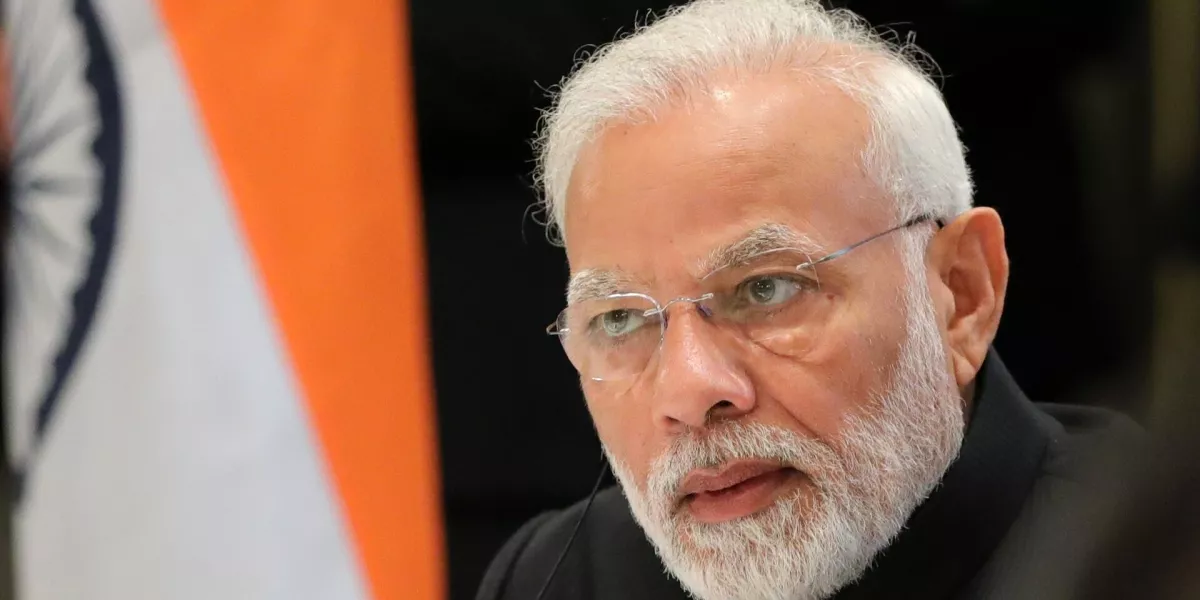
The Indian Armed Forces already operate 28 combat aircraft of this type. In addition, 26 Rafales in a specialised carrier-based variant have been ordered for India’s aircraft carriers.
It appears that India intends to become the largest operator of this weapons system. In New Delhi, the deal has already been described as the “mega-contract of all time.” The Rafales are expected to form the backbone of the Indian Air Force. Of the 114 aircraft, 90 will be manufactured on Indian territory.
In their latest versions, the Rafale fighters are among the most expensive combat aircraft in the world. Moreover, during the most recent armed confrontation between India and Pakistan, the Indian Air Force suffered losses, raising questions about the Rafales. Why, then, has India — despite its close cooperation with the United States in defence and foreign policy — chosen to place this order with France?
One of the key reasons is New Delhi’s reluctance — shared by many other countries — to rely entirely on the United States in its defence policy. India is a major arms importer; its principal suppliers are France, Russia, Israel, the United States, and the United Kingdom. Amid its strategic rivalry with China, whose military and economic power continues to grow, New Delhi has been drawing closer to Washington. The country is a member of the Quadrilateral Security Dialogue (Quad), which also includes Australia, the United States, and Japan.
Nevertheless, India chose to conclude this mega arms deal with France — and not only because the necessary infrastructure for operating the Rafales has already been established.
U.S. foreign policy and its arms export control practices have caused frustration among many partners. Washington is capable of suspending or terminating weapons supplies, as happened with Türkiye, which was removed from the F-35 fifth-generation fighter jet programme. Ankara was not spared despite having invested $1.5 billion in the project; the decision followed Türkiye’s purchase of Russian S-400 air defence systems.
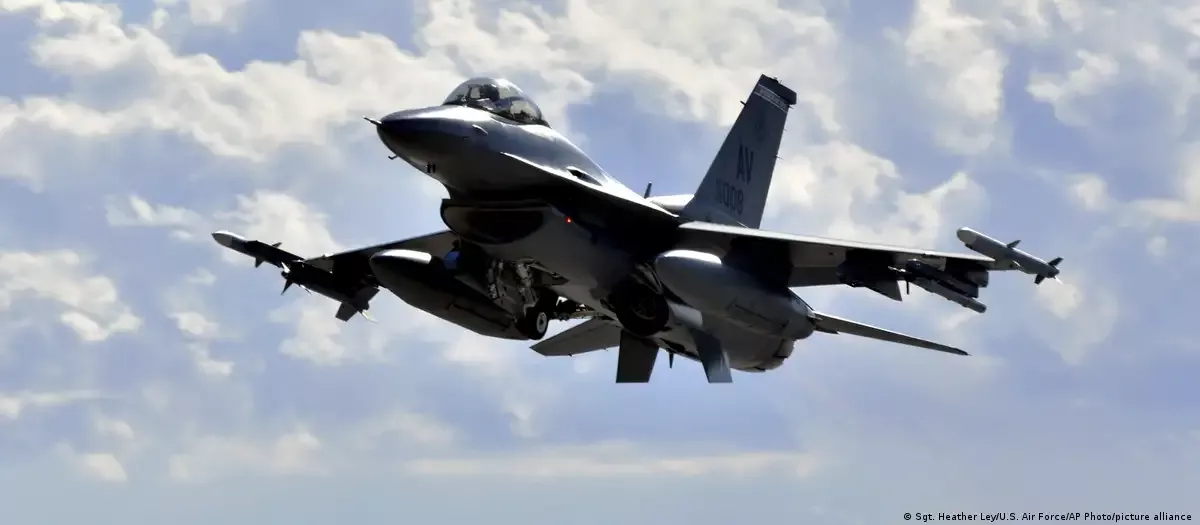
The deal to acquire another advanced 4+ generation aircraft — the F-16 Block 70 — under which Türkiye intended to obtain 120 jets worth $23 billion, was debated in Washington for several years. Approval was eventually granted; however, Ankara has yet to proceed with the purchases, hoping instead to regain access to the F-35 programme.
The United States has also discussed potential F-35 deliveries to Saudi Arabia and the United Arab Emirates. Yet even if a positive decision is made, the aircraft would likely be supplied in a configuration with less capable equipment than the version delivered to Israel, in order to preserve the qualitative military edge of Washington’s strategic ally over Arab states. In the most favourable scenario, Türkiye could face similar restrictions, which is why it is accelerating the development of its own fifth-generation fighter.
American policy — beginning with the administration of Barack Obama — has increasingly been perceived as overly ambiguous and inconsistent. At times, Washington has moved towards rapprochement with Iran and lifted sanctions in exchange for limits on its nuclear programme; at other times, it has unilaterally withdrawn from agreements and reimposed sanctions, as occurred under Donald Trump in 2018. Periodically, threats of military strikes are voiced, only to be followed by statements expressing readiness for negotiations.
The United States at times reaffirms its commitments to defend NATO allies, yet at other moments publicly discusses the possibility of reducing its role within the Alliance. Periodic signals about a potential drawdown of the American military presence in South Korea, Japan, and the Middle East are widely perceived as a weakening of security guarantees.
As a result, Washington’s policy is increasingly viewed as unstable. Importantly, this trend did not begin with Donald Trump; elements of strategic ambiguity were already evident under the administrations of Barack Obama and Joseph Biden.
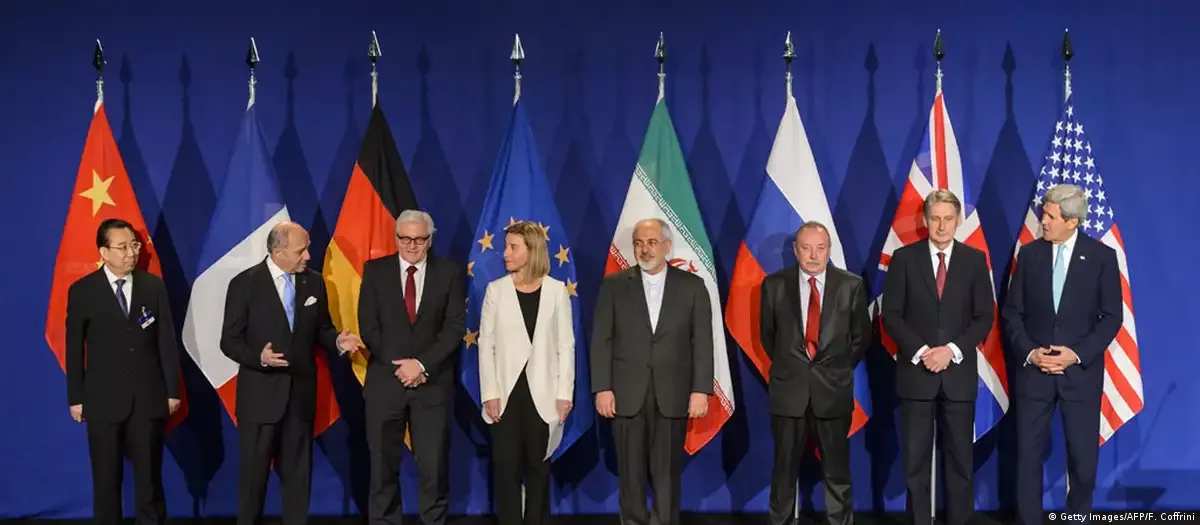
When the Obama administration concluded the Joint Comprehensive Plan of Action (JCPOA) with Iran in 2015 and secured partial sanctions relief in exchange for restrictions on Tehran’s nuclear programme, this came as a shock to the Arab states of the Persian Gulf — long-standing U.S. partners. In the region, the agreement was widely interpreted as a strategic rapprochement between Washington and the Islamic Republic, which many Gulf countries regard as their principal adversary.
In 2019, during Donald Trump’s first presidential term, the United States refrained from a direct military response following the attack on Saudi oil facilities, specifically the strikes on Saudi Aramco infrastructure. This was likewise perceived as a signal of Washington’s limited willingness to directly defend its partners.
Regarding Qatar, any reference to its “bombardment by Israel in 2025” would require clarification and reliable sourcing, as such claims need careful verification. That said, Qatar holds the status of a Major Non-NATO Ally of the United States and hosts the largest American military base in the Middle East, Al Udeid Air Base. Doha’s influence in Washington has traditionally been significant, including through substantial investment commitments.
Under these circumstances, the question inevitably arises: how reliable are American security guarantees?
In the current environment, the United States is gradually stepping back from its role as the “world’s policeman.” While it remains an exceptionally powerful state, perceptions of its reliability as a security guarantor have weakened in many regions. Without unconditional confidence in the American “umbrella,” regional powers have begun restructuring their foreign and defence policies, prioritising diversified partnerships. This, in turn, is accelerating the formation of new military-political and economic configurations.
The decline of American influence is not only the result of the campaigns in Iraq and Afghanistan, nor solely due to perceptions of strategic inconsistency. Internal crises also play a significant role. Political polarisation, high-profile scandals (including the Jeffrey Epstein case), rising national debt, tariff disputes and trade wars that increase uncertainty for businesses, social tensions, and the growing gap between rich and poor all undermine the country’s internal resilience. It is difficult to pursue an active global policy amid such domestic turbulence — and even more difficult to act as a global guarantor of security.
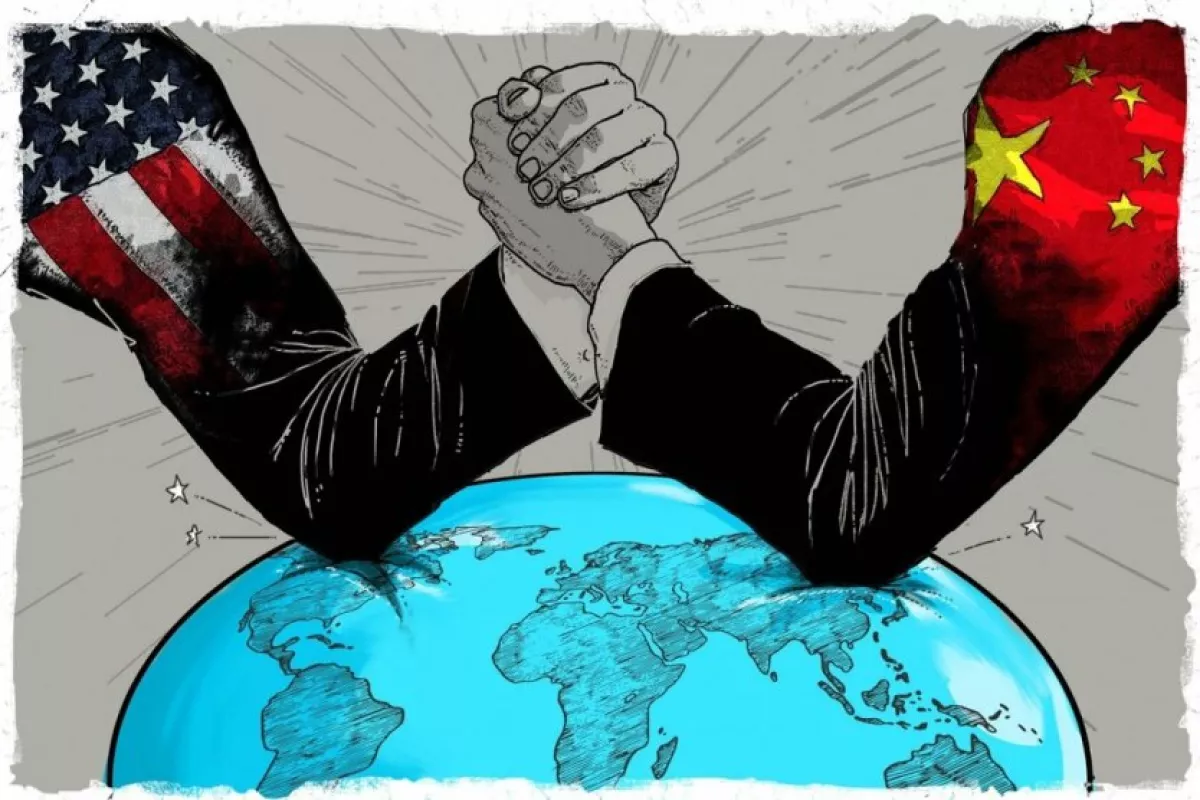
Finally, a new superpower has emerged in East Asia — China, posing a major economic and political challenge to the United States. This development has expanded the room for manoeuvre for many states, allowing them to balance between the two centres of power.
However, India’s options for such manoeuvring are more limited. China is India’s direct geopolitical rival due to their long shared border and ongoing territorial disputes.
According to some experts, the rivalry between India and China could become one of the key factors shaping international dynamics in the 21st century.
The weakening of U.S. influence has created a kind of vacuum into which regional powers have begun to move. This, in turn, has intensified competition among them, led to the diversification of regional defence policies, and spurred the formation of new political-economic and military-political configurations.
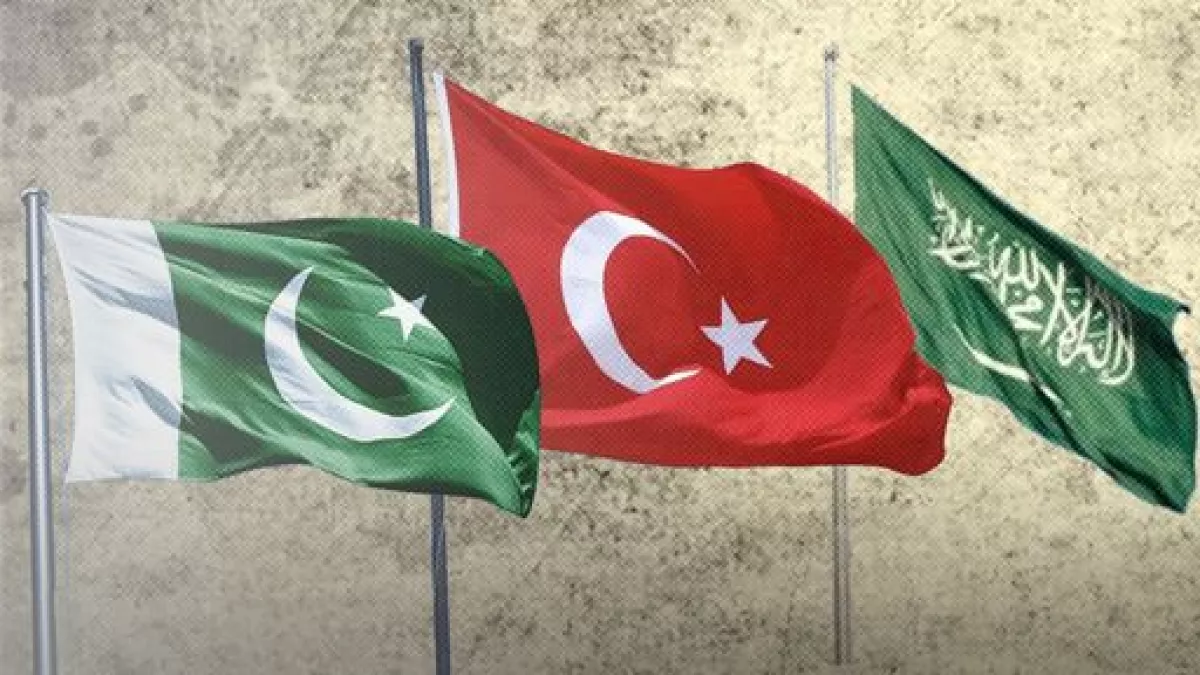
Saudi Arabia has strengthened its defence cooperation with Pakistan while simultaneously moving closer to Türkiye. Against this backdrop, experts occasionally discuss the possibility of forming an informal “Muslim NATO,” although for now this is more about coordinating interests than establishing a fully fledged military-political bloc.
India — a long-standing rival of Pakistan — has significantly deepened its partnership with Israel and is also developing ties with the United Arab Emirates. Experts are discussing broader frameworks of cooperation, including potential links with Ethiopia. At the same time, Israel is building defence and energy cooperation with Greece and Cyprus — countries that have complex relations with Türkiye.
In East Asia, Japan and South Korea are strengthening military coordination aimed at containing China. In theory, India could increasingly join these frameworks over time, given its strategic rivalry with Beijing.
The world is becoming more multipolar and complex in its architecture. States are forming new blocs and partnerships, seeking both to enhance their own security and to strengthen their position relative to competitors.
Arms procurement is a key element of this strategy. Countries aim to minimise dependence on a single supplier, especially in strategically sensitive areas of defence. Relying solely on the unpredictable foreign policy of one power is considered a significant risk.
Türkiye is actively expanding its arms exports: supplying drones to Saudi Arabia, building naval vessels for Pakistan, developing its own fifth-generation fighter, and striving to create a self-sufficient defence ecosystem. Nevertheless, the Turkish defence industry still relies on a number of foreign components.
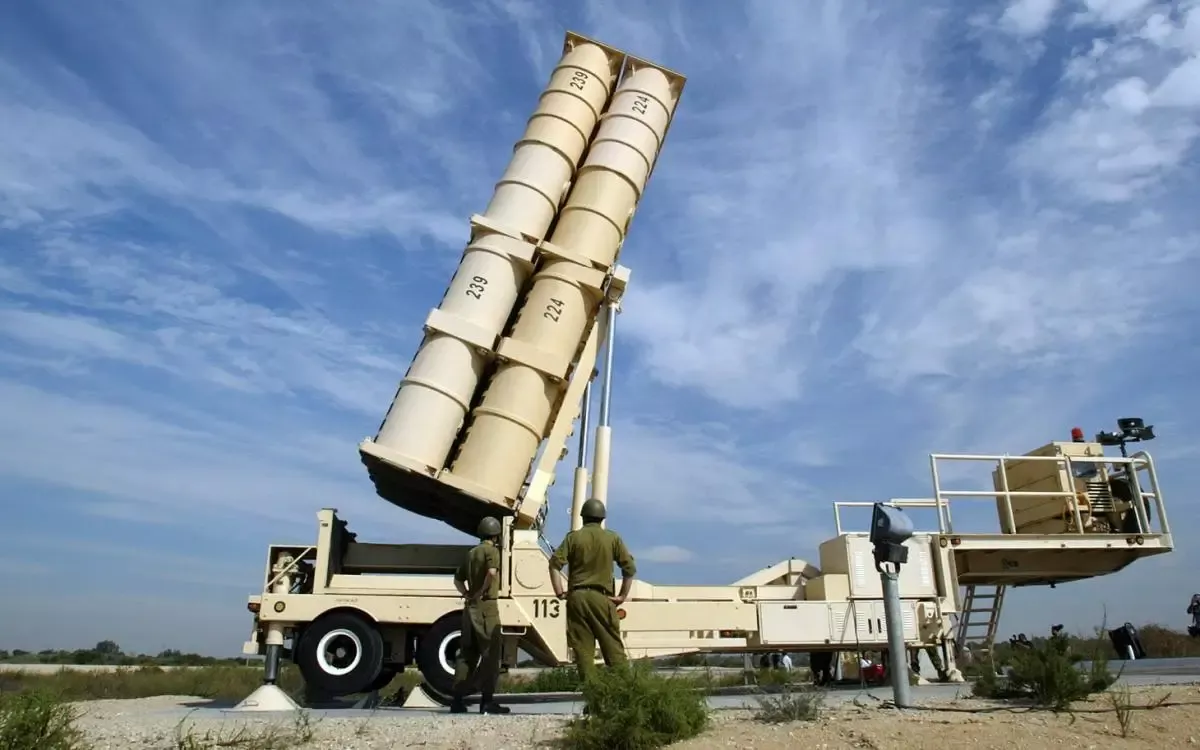
Israel follows a different model. Its defence industry is deeply integrated with American technologies while simultaneously producing highly effective weapon systems — particularly in the field of air and missile defence. These systems are capable of significantly influencing the regional balance of power, for example, if supplied to countries in the Eastern Mediterranean.
Specialising in precision weaponry, Israel exports these systems to a wide range of countries, including India, with a significant share of contracts going to European states.
In this context, India — which has previously purchased large batches of weapons from France — is increasing its orders from Paris. At the same time, it continues to procure arms from the United States, Russia, and Israel, building a highly diversified model of defence procurement.
The question of how Pakistan will respond remains open. The formation of such blocs is almost inevitably accompanied by an arms race.







 editor@caliber.az
 +994 55 444-88-98
 Азербайджан, Баку, ул. Низами, 203, Af Business House, 5-й этаж