










The confident rise of Azerbaijan on the global stage From Davos to Munich
The 62nd Munich Security Conference became a historical reality. Its most notable feature was taking place against the backdrop of intense geopolitical turbulence. This was reflected in the pre-opening report by the conference organisers, titled “Under Destruction,” whose leitmotif was an attempt to blame the Trump administration for all “geopolitical sins.” At the same time, the document noted that the current historical phase marks the end of the American “security umbrella” for Europe.
Had the political leaders of the European continent, during the U.S. presidential campaign, not blindly supported Biden-Harris but instead paid attention to the provisions of the Trump programme, they would have been better prepared for the current structure of the geopolitical moment. Rather than blaming Trump today, they could have been shaping, together with new actors, the finer nuances of the global puzzle. Azerbaijan demonstrates this approach: its president, Ilham Aliyev, received an expected invitation from the organisers of the Munich Conference.
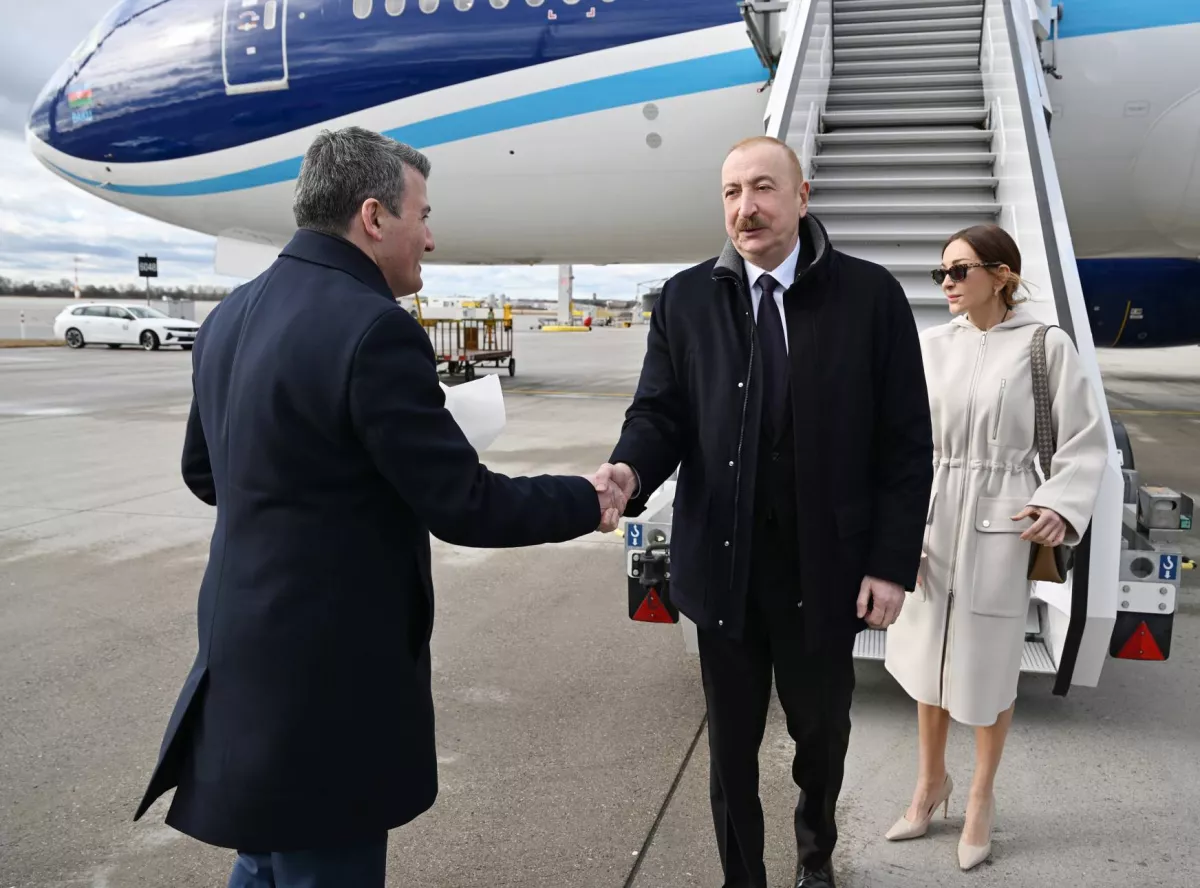
Thus, the beginning of 2026 clearly demonstrates the growing international stature of the Republic of Azerbaijan. Following its highly active participation at the Economic Forum in Davos, the head of state will be one of the prominent guests in Munich. Between these two cities, Baku finds its place, where President Ilham Aliyev and J.D. Vance signed a historic Charter on strategic partnership.
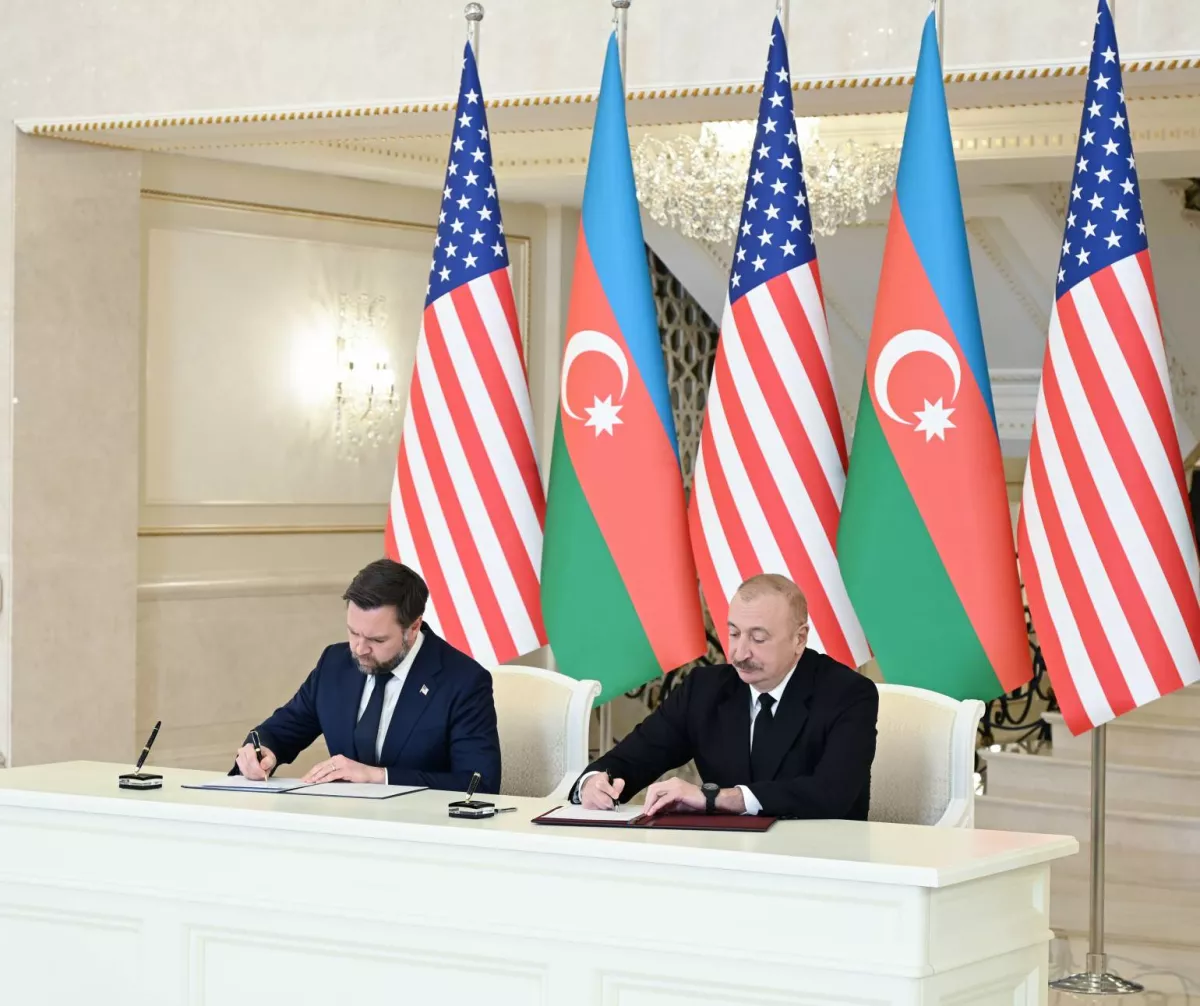
All of these events are immensely significant, not only in relation to Azerbaijan but also in the broader context of global geopolitics. Baku is confidently shaping key elements of the global agenda, which allows us to view certain points of the Munich report in a different light.
Indeed, the country’s leader has repeatedly emphasised that the world will no longer be the same, calling the UN a relic and highlighting the unwillingness of those who shaped the current international legal system to abide by it. As President Aliyev revealed in interviews with Azerbaijani television channels in Munich, the disregard for these principles has made reliance on international law insufficient for resolving one’s problems—a fact confirmed by Azerbaijan’s own example. Consequently, the notion of “the emergence of a new world order, or a new system of intergovernmental relations” has become highly relevant. In this regard, U.S. President Donald Trump assumed responsibility by initiating the creation of a Board of Peace.
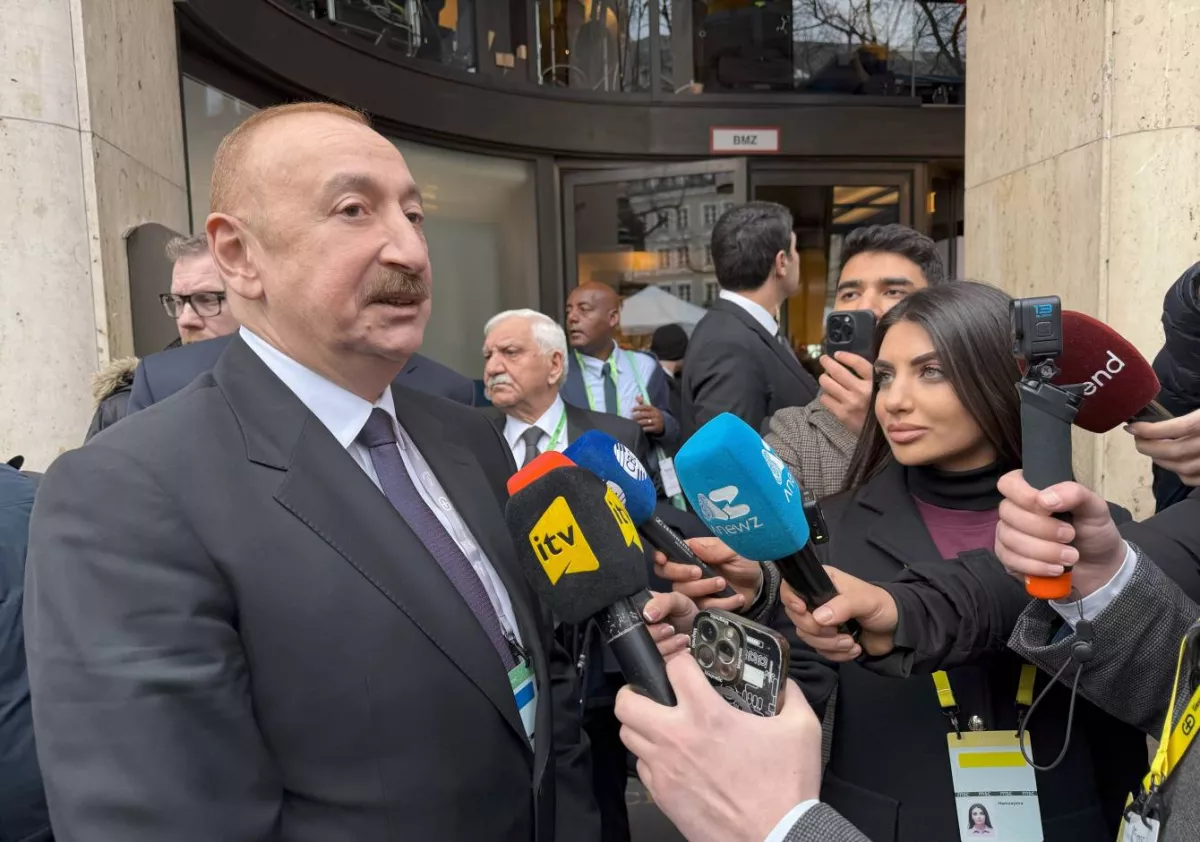
In other words, the country’s leader specified that the violation of international law by major powers began long before Donald Trump returned to the Oval Office. To illustrate this, one might ask: wasn’t it those who love to call themselves the “cradle of democracy” or the “blooming garden of liberalism” who welcomed Karabakh separatists into their high offices, presenting them as the “legitimate leaders” of puppet “republics”? Weren’t it Western politicians who made illegal visits to the lands of Azerbaijan occupied by Armenian aggressors? Didn’t they fail to condemn attacks by Armenian armed forces on peaceful Azerbaijani cities? Or is it not they who continue to ignore the mine threats faced by Azerbaijan?
Azerbaijan has stood almost alone as a defender of the weak and oppressed, helping them resist neocolonialism. Moreover, during the COVID-19 pandemic, Baku highlighted the issue of vaccine nationalism, and during COP29, it brought attention to the challenges of small island states, working to foster understanding between the Global North and Global South.
And where was the UN during all this? The question is rhetorical, as President Aliyev pointed out yesterday: the organisation is paralysed. This underscores the significance of the Board of Peace, reminding us that a “new world order should not mean that ‘whoever is stronger is right’” and supporting the creation of new mechanisms for a more civilised global order.
At the same time, it is worth recalling that, despite all anti-Azerbaijani insinuations from external forces, Azerbaijan has become the only country in the world to fully and completely restore its territorial integrity and sovereignty after World War II, in full accordance with all norms and principles of international law. Today, and looking to the future, Baku—having achieved a brilliant victory on the battlefield in the Patriotic War—also confidently advances in the pursuit of peace, not only within the region but beyond its borders. Just a few days ago, Vance noted that “ President Aliyev deserves a great amount of credit” for the peace agreement with Armenia.
On the eve of the Munich Conference, the head of state emphasised that this was his first participation as the leader of a country that had achieved peace. In this context, “our messages, as always, are very open and clear: cooperation, peace, partnership.” The subtlety lies in the fact that the current global agenda is being shaped not only by “Azerbaijan’s growing role in security” but also by economic development, energy security, transport connectivity, and artificial intelligence.
With this peaceful geopolitical track record, President Ilham Aliyev has already held important bilateral meetings on the sidelines of the Munich Conference and is set to speak in the panel discussion titled “Open Corridor Policy? Deepening Trans-Caspian Cooperation.” The significance of this panel is underlined by its participants, which include, alongside the head of state, European Commission Enlargement Commissioner Marta Kos, as well as Wang Huiyao—the founder and president of the Center for China and Globalization, former State Counselor of the People's Republic of China—moderated by Helga Maria Schmid, Ambassador for Global Affairs, President of the European Institute of Peace, and Vice President of the Council of the Munich Security Conference Foundation.
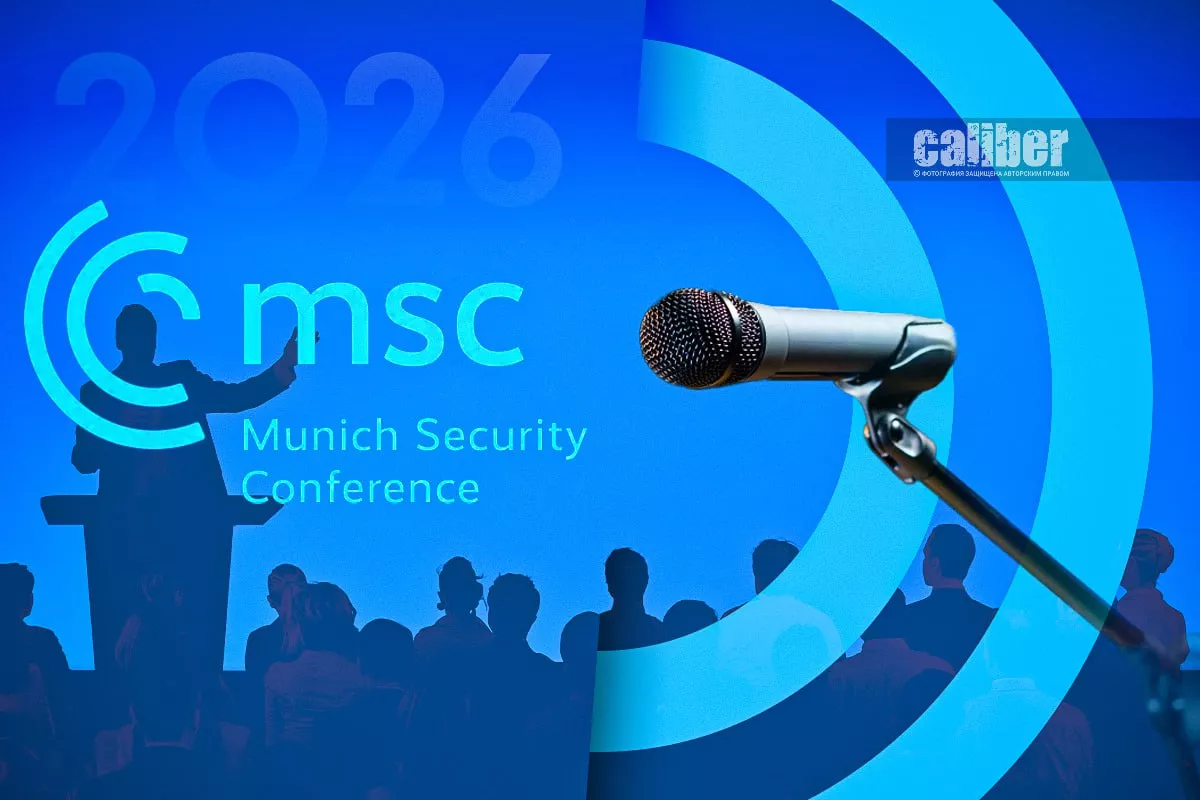
The key message here is that even in the context of “corridors and routes,” Baku’s constructive and peace-oriented approach stands out. As President Aliyev stated, with the strengthening of Azerbaijan’s capacities—being an initiator of energy, transport, electricity, and fibre-optic corridors—the country is adding new elements to the existing “connectivity concept.” Within the framework of transit transport, the special role of the Zangezur Corridor is particularly highlighted.
Once again, this is constructive action through the lens of peacefulness, especially since, in the words of the country’s leader, the scope goes far beyond corridors and transport routes. Azerbaijan’s relevance extends both to the East and the West. Moreover, as President Aliyev has stated, by securing its own safety and sovereignty through its own efforts, the country’s international standing has grown significantly.
It is clear, then, just how pivotal Azerbaijan’s role will be at Munich 2026. At this historical moment, the world is almost devoid of states that do not merely pay lip service to peacefulness but actively demonstrate it. Indeed, one could say the country even “nobly exports” this commitment—a peace-oriented approach that, in essence, should help propel the world forward.
P.S. Regarding the signing of a peace treaty with Armenia, in President Ilham Aliyev’s words, the sooner our geographic neighbours remove territorial claims against Azerbaijan from their Constitution, the sooner the treaty will be signed.







 editor@caliber.az
 +994 55 444-88-98
 Азербайджан, Баку, ул. Низами, 203, Af Business House, 5-й этаж