










“Trump Corollary” and the Monroe Doctrine Why the US is betting on Venezuela
The U.S. military operation in Venezuela is one of the most high-profile global events of the early days of 2026. After all, the fate of a country of nearly 30 million people is at stake, and it is perfectly clear that if a concrete leader and a functioning government do not emerge soon, the republic—already in dire economic and social conditions—risks falling into fragmentation and civil war.
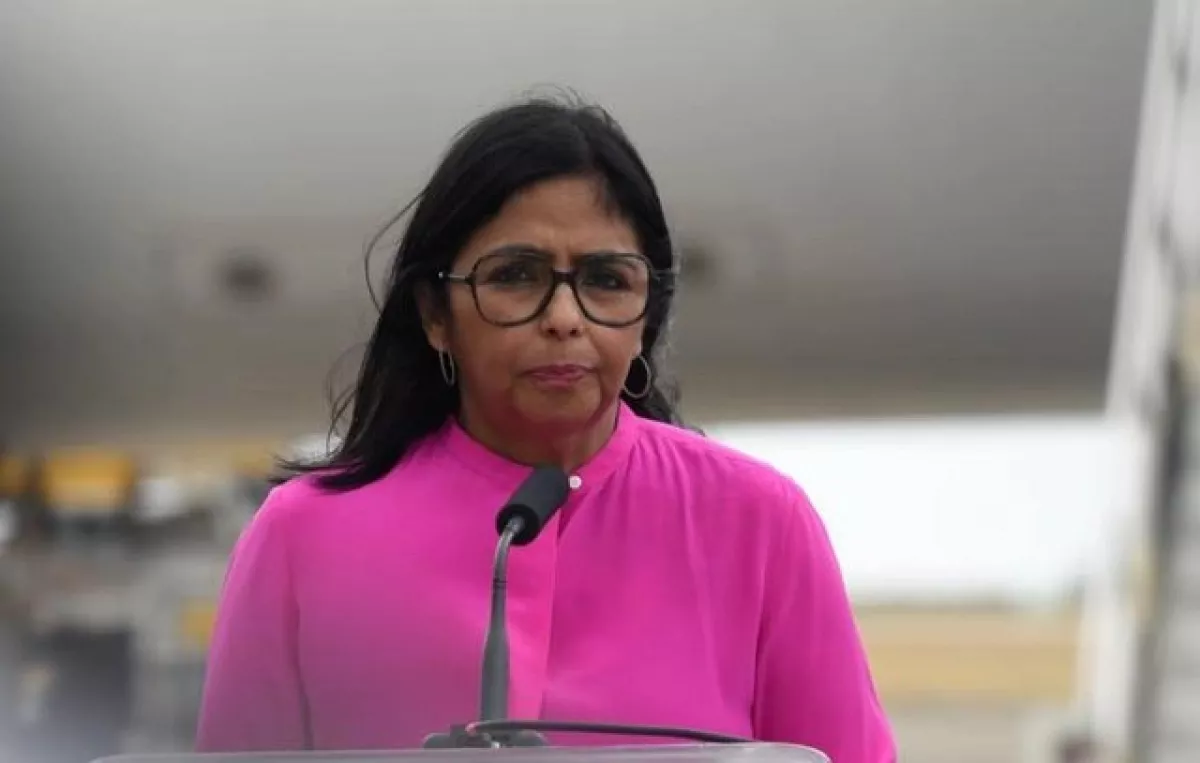
Currently, acting head of state, Vice President Delcy Rodríguez, contrary to her previous statements, has already expressed a willingness to cooperate with U.S. authorities and reaffirmed Caracas’s commitment to “peace and peaceful coexistence.”
But what do foreign political analysts and experts think about the situation in Venezuela and its future? Specialists on Latin America and international relations shared their views on this issue with Caliber.Az.

Magomed Kodzoev, PhD in Political Science and Senior Research Fellow at the Institute of Latin America of the Russian Academy of Sciences, noted that the U.S.–Venezuela conflict has been developing over several years.
“In the early 2000s, relations were quite constructive and businesslike, despite Hugo Chávez’s repeated sharp attacks on George W. Bush. The tightening of U.S. policy toward Venezuela began during Barack Obama’s presidency, with economic sanctions introduced and attempts at diplomatic isolation. To a large extent, what we are seeing today is a consequence of these developments. However, the decisive factor was probably the shift in U.S. global priorities under the current administration.
Trump made significant adjustments to Washington’s foreign policy. Whereas previously the White House aimed to be a defender of the established world order—based on rules and, importantly, institutions—the current U.S. president rejects that logic. He is a proponent of offensive realism, according to which the world is an anarchic structure of competing states, and national interest takes precedence, while principles of equal partnership, shared values, and so on are sidelined. Under these conditions, Latin America once again becomes a ‘backyard,’ a zone of critical importance to U.S. national security. This brings the United States back to the almost forgotten principles of the Monroe Doctrine—more precisely, not its original version, but the so-called ‘Roosevelt Corollary,’ when it became a truly powerful tool of U.S. hegemony in the region.
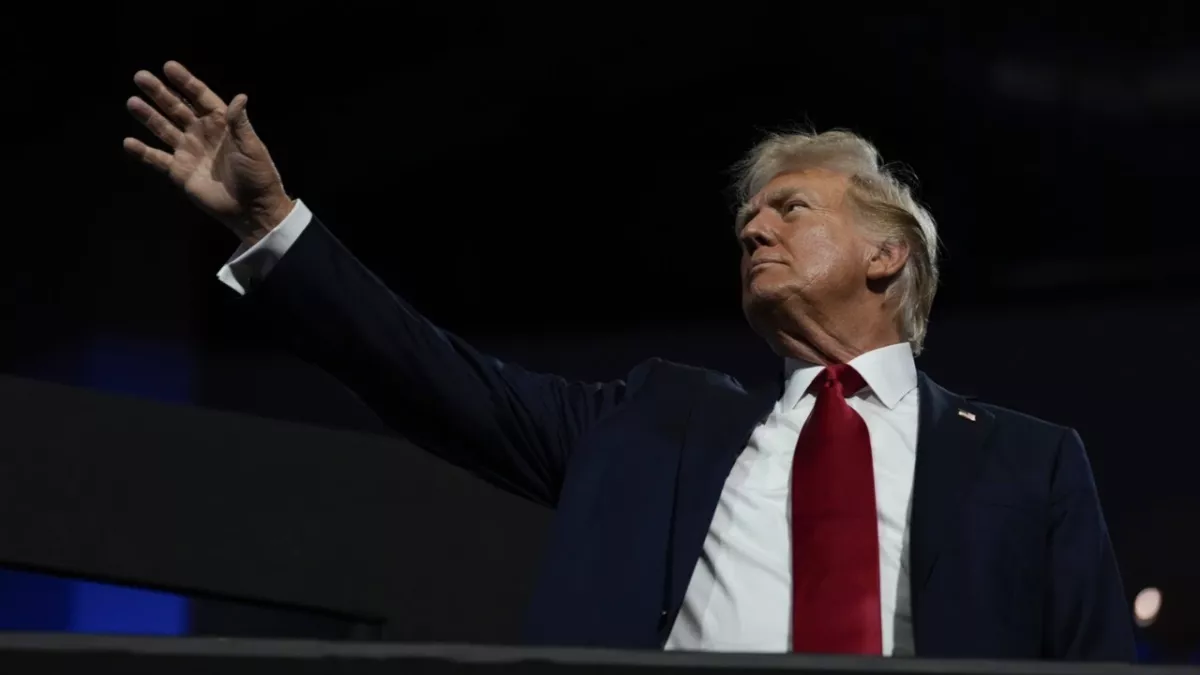
And it is no coincidence that the term ‘Trump Corollary’ to the Monroe Doctrine was introduced in the latest National Security Strategy, adopted at the end of 2025. Washington is fully aware that Venezuela is a strategically important point requiring special attention and control, especially in light of intensifying global rivalries. This, perhaps, is the main reason behind what we are seeing in U.S.–Caracas relations,” the political analyst stated.
He added that it should be kept in mind that, in the eyes of the United States, Latin America is not a single, indivisible entity. Venezuela belongs to the near region—the most important part of Latin America in geostrategic terms. Further south—in Brazil, Argentina, Bolivia, or Chile—the U.S. can hardly act with the same confidence as it does with Caracas or Havana. Nevertheless, U.S. actions in Venezuela send a clear signal to the entire Western Hemisphere, creating an entirely new geopolitical reality.
“If we talk about the near future of Venezuela, judging by several statements from Trump, he intends to establish full control over the country. Exactly how the White House plans to achieve this remains unclear. Acting President Delcy Rodríguez, in theory, should continue the policies of her predecessor, as she is a member of his team. At the same time, seemingly responding to Trump’s call for engagement with the U.S., Rodríguez has reached out to Washington, emphasising that Venezuela ‘reaffirms its commitment to peace and peaceful coexistence.’ So, a dialogue with the country’s authorities is already underway.
However, the fact that all of North America and part of South America have become the main priorities of U.S. foreign policy at this stage is already an accomplished reality. What Secretary of State Rubio (an ethnic Cuban whose political career has been largely built on criticism of Cuba and Venezuela) predicted has come true: U.S. foreign policy is returning to its region—Latin America,” Kodzoev emphasised.
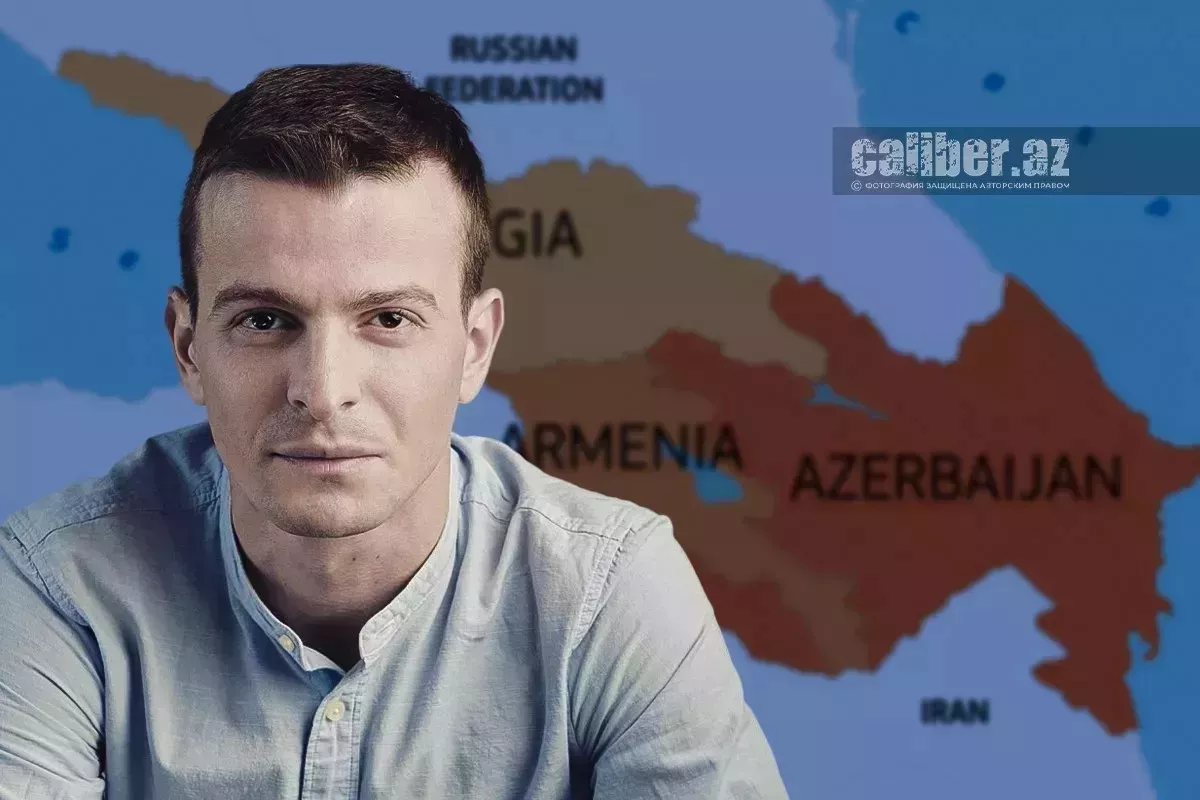
Meanwhile, according to Georgian international relations expert Grigory Gogua, the actions of the Trump administration in Venezuela and U.S. policy in South America more broadly are aimed at reviving the “Monroe Doctrine.”
“Over the past decades, the expansion of American hegemony in the Middle East, Central Asia, the Asia-Pacific region, and other parts of the world has produced the opposite effect—it has rendered U.S. foreign policy ineffective. The state and its ambitions have proven very costly for the self-appointed arbiters of global justice. After operations in Afghanistan and Iraq, and the fight against global terrorism, it became clear that the U.S. found itself in an unprofitable and disadvantageous position.
Implementing the ‘Monroe Doctrine’ implies restoring control over areas of direct American influence—Latin American countries—utilising South American resources in the interests of the U.S., and thereby expanding its strategy of containing China. For example, if American oil companies become producers of Venezuelan oil, this would effectively halve global oil prices in the coming years, with potentially catastrophic consequences for the Russian budget and for other countries as well.
So what exactly has happened in Venezuela? There is a suggestion that, in exchange for bringing Venezuela into its sphere of influence, the U.S. has effectively ceded the Ukraine issue to Russia. However, if Russia fails to resolve it within a year, its economy—and, consequently, its political system—will no longer be able to withstand such shocks.
It seems likely that the Venezuelan issue was settled with Russia even before Maduro’s arrest. If not, the world could edge closer to an even more dangerous point, given the growing threat of nuclear war. It is also possible that Moscow, caught in a deadlock due to the looming cheap oil crisis, could at least deploy a tactical nuclear missile at a decisive stage of the prolonged war against Ukraine,” Gogua concluded.







 editor@caliber.az
 +994 55 444-88-98
 Азербайджан, Баку, ул. Низами, 203, Af Business House, 5-й этаж