










Türkiye's recent air raids in Iraq highlight the existing security gap Competing strategies
On December 25, 2023, Turkish forces conducted new air strikes in northern Iraq and destroyed 16 targets of the outlawed Kurdistan Workers' Party (PKK). According to the Defense Ministry, the operations were conducted in the Metina, Gara, Hakurk, Qandil and Asos regions. As a result of intensive air raids, Turkish Armed Forces have hit 71 sites allegedly linked to Kurdish groups in Syria and northern Iraq in retaliation for the deaths of 12 Turkish soldiers in Iraq last week.
Moreover, Defence Minister Yasar Guler also said on Sunday that 30 PKK militants had been neutralized in an area of northern Iraq where Turkiye carries out cross-border operations, bringing the total number of militants killed since the weekend to 56. In the last ten years, Turkish forces regularly carried out strikes in neighbouring Iraq as part of its offensive against PKK militants based there. These operations have been heavily commented on and mediatized, particularly those conducted in Syria that led to Turkey cementing its influence in the north of the country.
Indeed, in the last three years, the Turkish army seems to be progressively cementing its presence within the territory of its Iraqi neighbour. Ankara’s pretext for these operations has some justification; the PKK presence in the KRI has been real since the 1980s. However, the PKK has not lost its ability to launch attacks inside Turkiye, but it has limited its activities to self-defence.
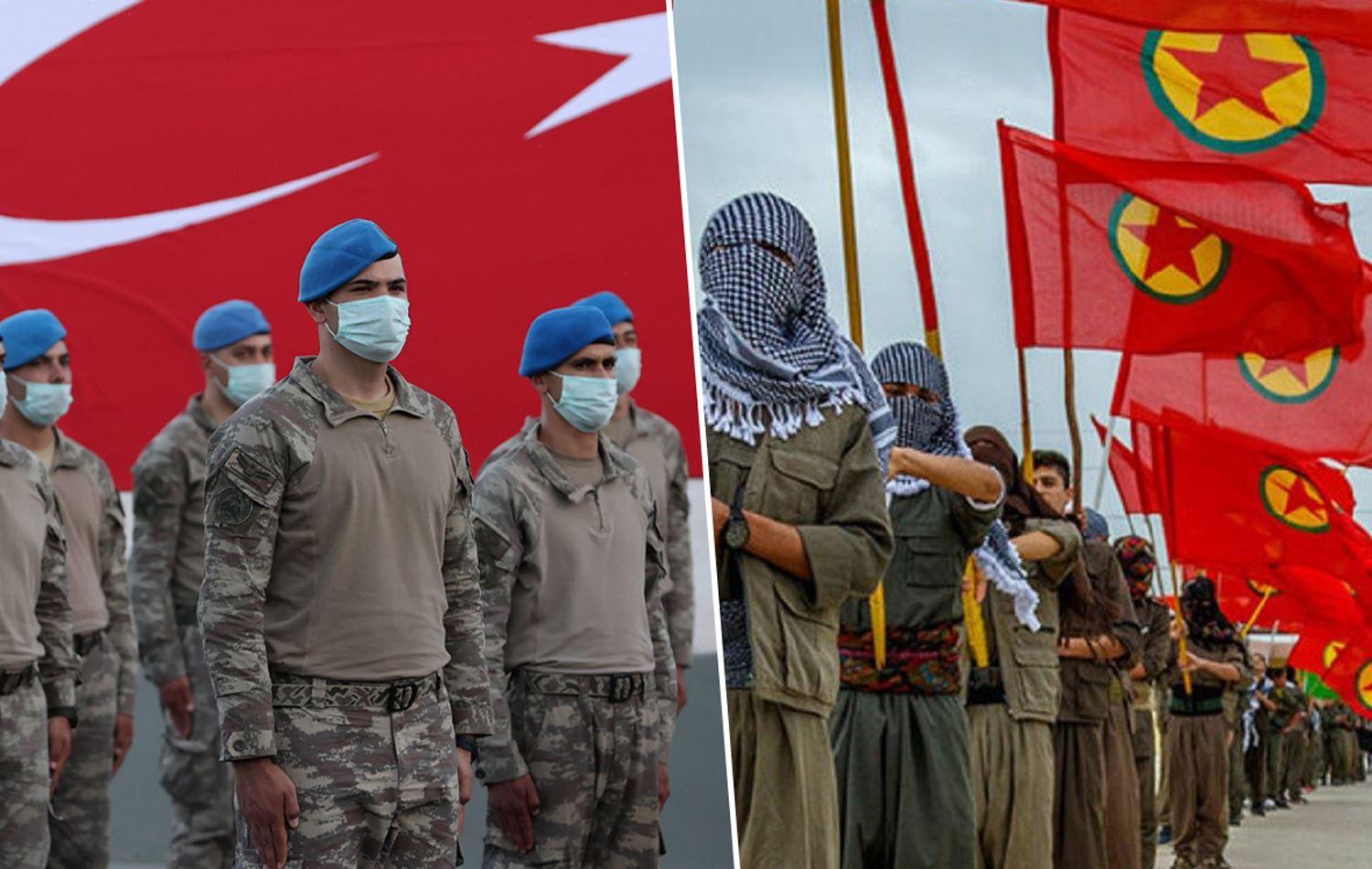
The expansion policy in Iraq is part of Turkiye's regional aims that have been taking shape since 2018. In Iraq, Ankara aims to sever the land connection between the Kurdish militias in northern Iraq and northern Syria, thus halting their logistical and military support of one another. In line with it, in 2020, Ankara reached an agreement with Baghdad to remove the PKK elements from the northern territories, though unsuccessfully.
Nevertheless, the PKK is not the only problem of Türkiye in the region, as Iranian-backed Shia militant groups also pose a real threat to regional security. Iran traditionally apprehends Iraq as its own sphere of influence and does not tolerate attempts of external actors to meddle in that area. Therefore, Ankara and Tehran maintain a muted rivalry with frequent indirect military confrontations in the region.
Unlike Iran, Türkiye’s increasing economic role in Iraq is another factor that, albeit not directly related to Iran’s threat perception, has contributed to growing concerns. For example, Turkish companies have invested in hundreds of construction and infrastructure projects, including energy, water, and petrochemical industries, in various Iraqi cities.
Iran is also worried that Turkiye may take advantage of its geographical location at the juncture of Eastern Europe and West Asia to monopolize transit routes to neighbouring regions.
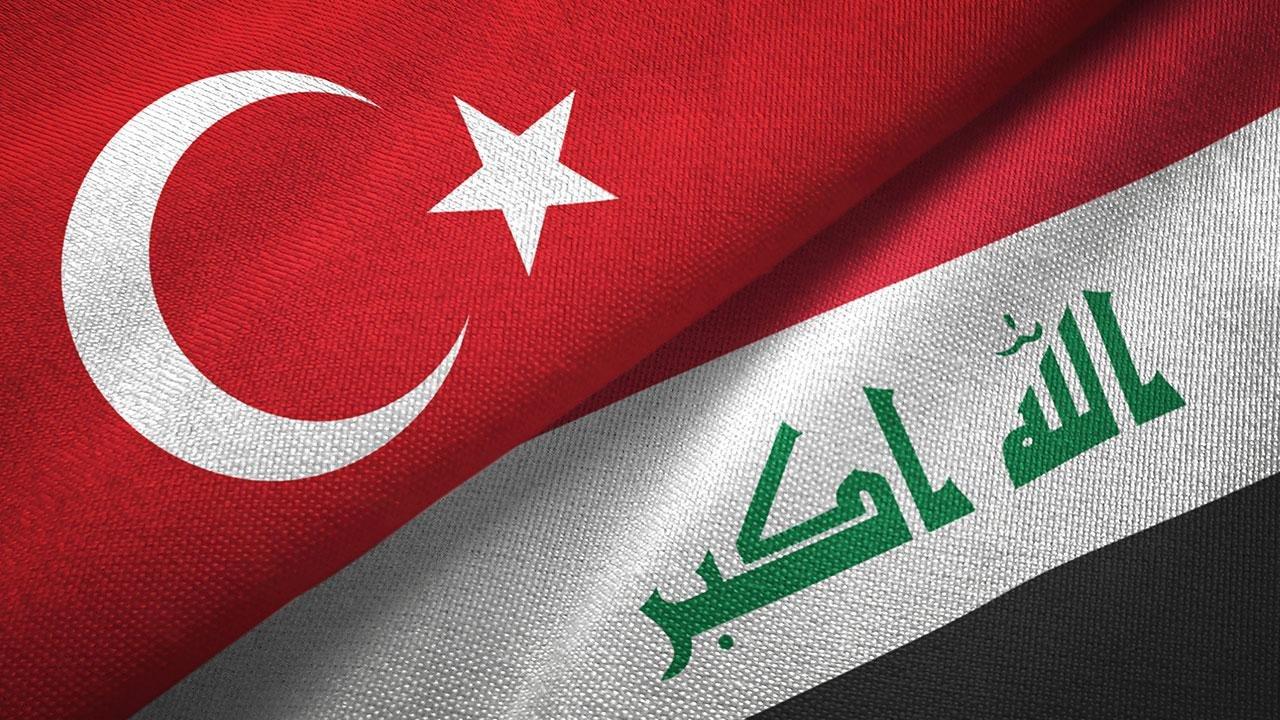
In this context, Türkiye represents Iraq’s most direct gateway to European markets; a great deal of truck traffic crosses through the border post at Habur. In addition, two oil pipelines traverse Turkish territory en route to Mediterranean oil terminals at Ceyhan.
Despite limited positive outcomes, Ankara’s policy toward Iraq remains unchanged unless the PKK strongholds in this area are entirely destroyed. However, considering the risks of deep penetration into Iraq, Ankara will unlikely extend the geographical scope of future operations, limiting it to some non-urban regions.
In addition, to minimize future casualties, Ankara will keep supporting and training ethnic Turkmen tribes as proxy forces to confront the Kurdish and Shia militias in northern Iraq. Surprisingly, the current Iraqi government supports the constant Turkish bombardment of the Yazidi areas, targeting local forces loyal to the PKK. Baghdad views the Kurdish militia as a potential source of threat to fragile domestic security and Iran's endless interference.
Furthermore, Ankara and Tehran's perceptions regarding Kurdish activities in Iraq and Syria perfectly match, which paves the way for a deeper security partnership. This explains Iran's restraint position in the wake of Türkiye’s most recent air raid in northern Iraq against the PKK and its affiliations. Iran also does not tolerate Kurdish militant activism, considering the sizeable Kurdish minority residing in Iran.







 editor@caliber.az
 +994 55 444-88-98
 Азербайджан, Баку, ул. Низами, 203, Af Business House, 5-й этаж