










Revolution cancelled: US adjusts its Georgia policy From pressure to pragmatism
A reset in U.S.–Georgia relations appears to be underway, as several recent developments suggest. In particular, a session of the U.S. Congress Helsinki Commission, scheduled for January 28, 2026, to discuss “Georgian Dream’s escalating crackdown on dissent,” was formally cancelled “due to weather-related closures.”
However, the weather did not prevent a delegation of U.S. Congress staff from arriving in Tbilisi on the same day, January 28, 2026, to meet with Georgia’s Foreign Minister, Maka Botchorishvili.
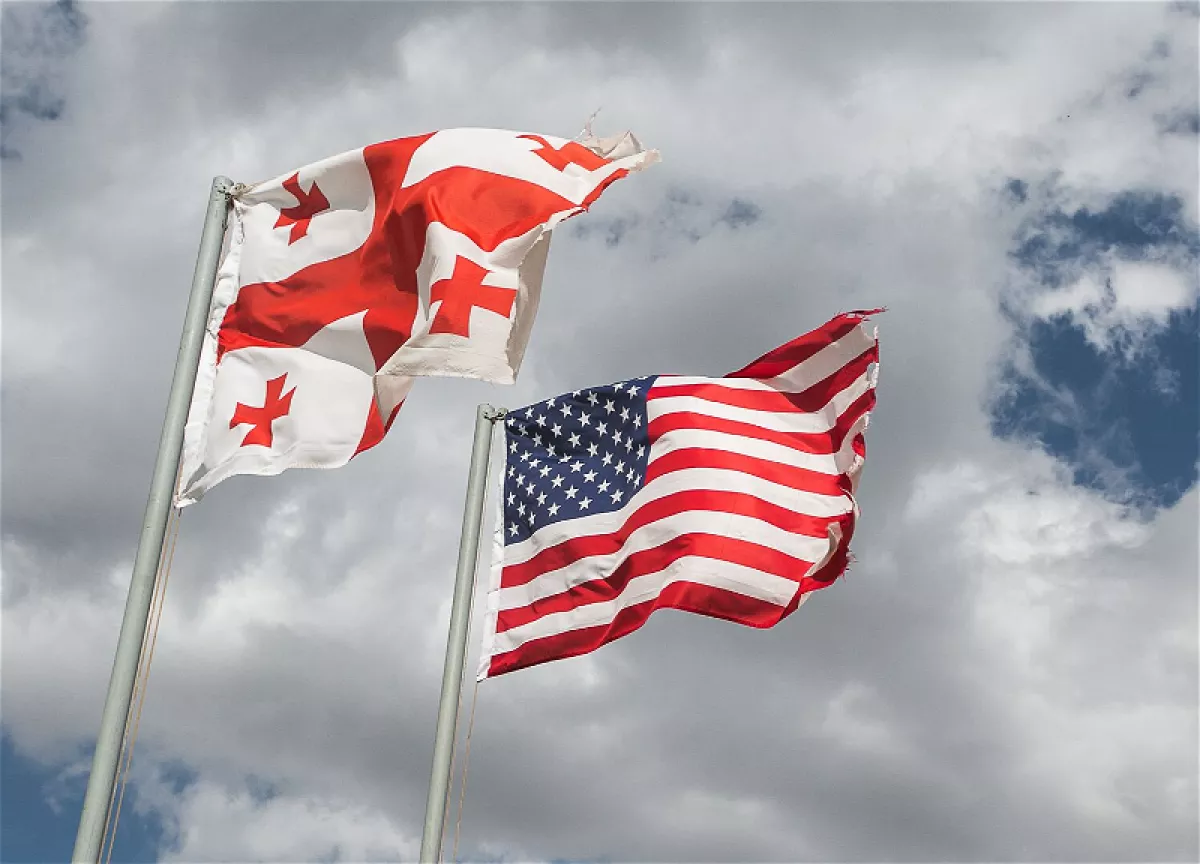
“Members of the delegation reaffirmed the United States’ unequivocal bipartisan support for Georgia’s sovereignty and territorial integrity, noting in particular the active role of the U.S. Congress in this regard. During the discussions, the delegation also underscored Georgia’s role in both global and regional political and security matters.The Minister for Foreign Affairs reiterated Georgia’s desire and readiness to reboot relations with the United States and to renew the strategic partnership between the two countries,” the Georgian Foreign Ministry said in a statement.
Special attention during the meeting was paid to Georgia’s role as a regional hub, including discussion of the transport potential of the Middle Corridor. The U.S. congressional staff delegation also met with the head of the government administration, Levan Zhorzholiani, as well as with representatives of pro-Western opposition parties.
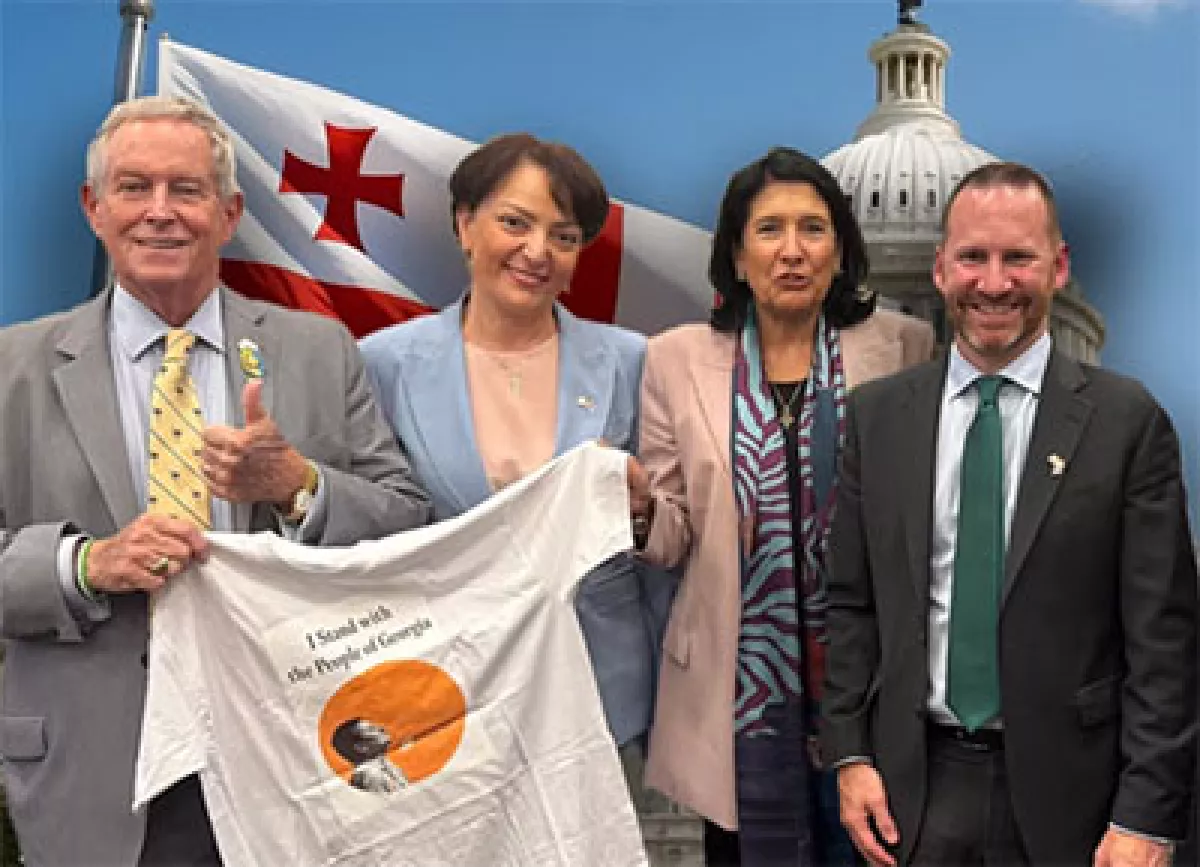
In September 2025, the U.S. Congress Helsinki Commission held hearings on Georgia under the pointed title From Partner to Problem: Georgia’s Anti-American Turn. The session featured representatives of Georgia’s pro-Western opposition, including former president Salome Zourabichvili. The speakers argued for the adoption of the MEGOBARI Act — legislation proposing sanctions against members of the Georgian government — and called for a sweeping reassessment of U.S.–Georgia relations, including a review of all assistance programs.
During the current visit by the U.S. congressional staff delegation, however, the focus shifted to restoring relations between Georgia and the United States. On the eve of the trip, representatives of the Georgian opposition had expressed hope that the Helsinki Commission event cancelled on January 28, 2026, as well as the suspended process of advancing the MEGOBARI Act, would be resumed.
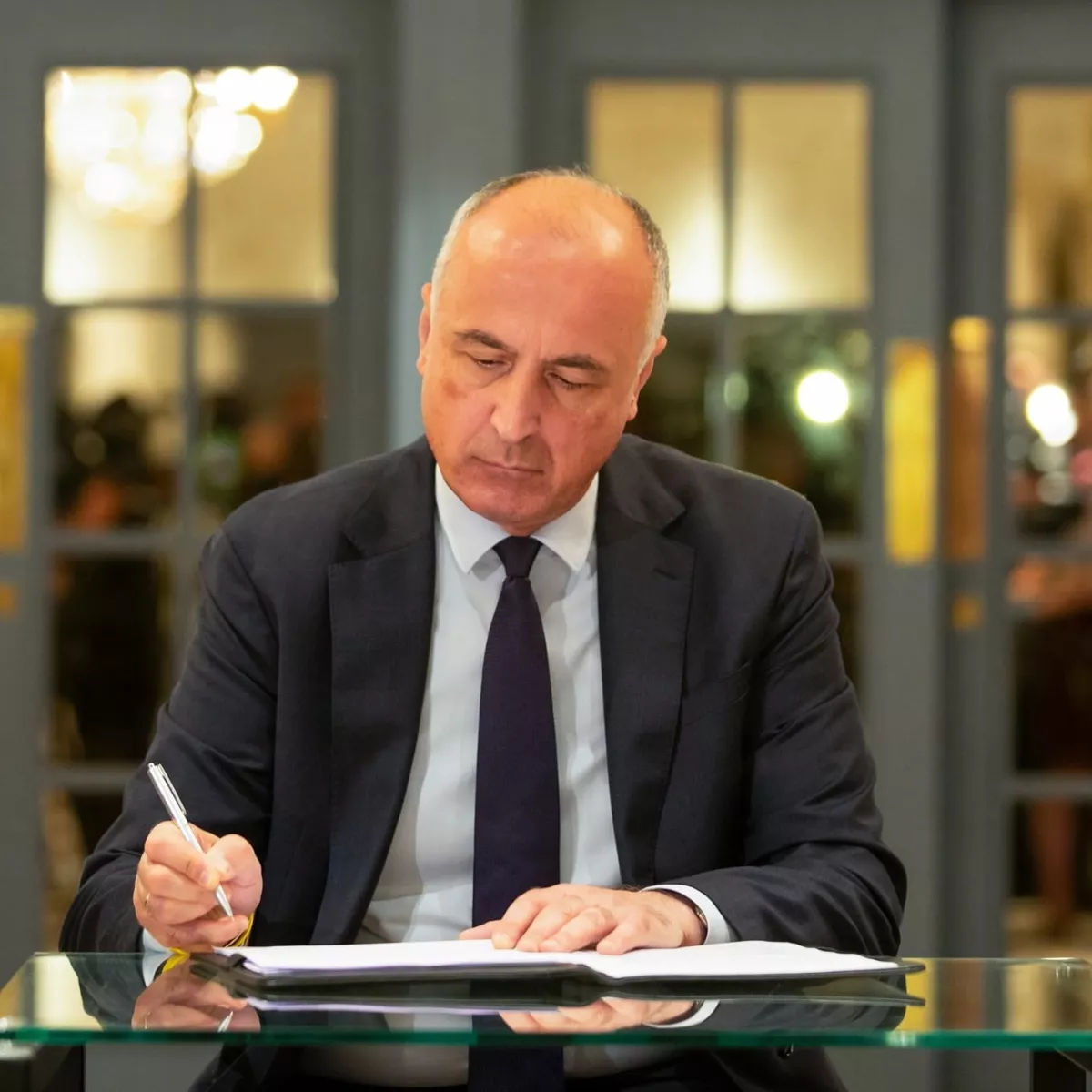
Yet according to opposition figures, discussions with the U.S. delegation centered not on the much-cited “Georgian Dream’s crackdown,” but rather on the importance of the Middle Corridor and the so-called “Trump Route” for Georgia. This was stated by Badri Japaridze, one of the leaders of the opposition party Lelo — Strong Georgia, who emphasized growing U.S. interest in Georgia.
Thus, forces interested in rebuilding constructive relations between Washington and Tbilisi appear to have overcome the momentum of a policy aimed at backing a “revolution” and a change of power in Georgia — a course set in motion under the Biden administration. Until recently, however, significant inertia remained in the United States in support of what was described as the Georgian opposition’s “revolutionary struggle.”
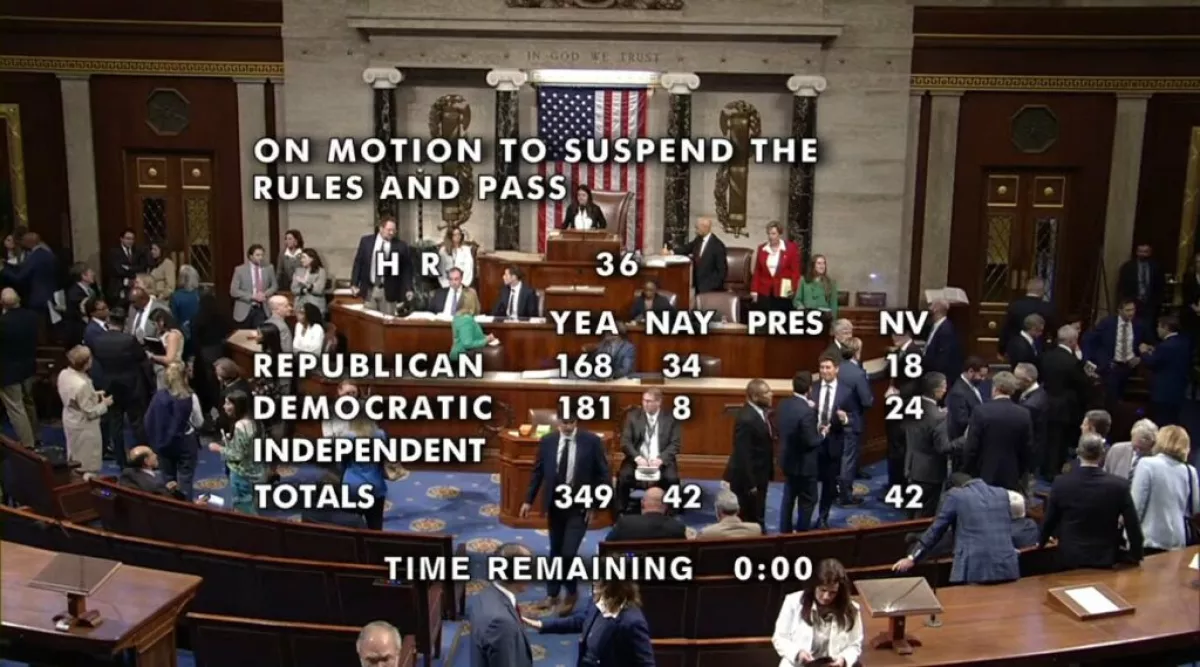
Notably, even after Donald Trump’s election as president, on May 6, 2025, the U.S. House of Representatives voted in favor of the MEGOBARI Act, legislation directed against the ruling Georgian Dream party. Its fast-track advancement in 2025 was ultimately blocked by Republican Senator Markwayne Mullin. According to The Hill, he also succeeded in persuading Senate Majority Leader John Thune in August 2025 to remove the MEGOBARI Act from the National Defense Authorization Act (NDAA) package.
In response, an information campaign was launched through several media outlets, including The Hill, targeting Senator Markwayne Mullin and his Republican backer, oil magnate Steve Nicandros, accusing them of supporting the Georgian Dream and obstructing the passage of the MEGOBARI Act. Yet, as recent developments indicate, opponents of the current Georgian government in the U.S. were ultimately unable to reverse the overall trend.
The White House administration has little interest in a “revolution” in Georgia, which could complicate the advancement of American interests in the region and delay the implementation of the “Trump Route“ project. There are indications that the U.S. congressional apparatus conveyed a clear “recommendation” to Georgia’s pro-Western opposition to scale back its “revolutionary struggle” and instead focus on supporting U.S.–Georgia cooperation within the framework of the Middle Corridor and the “Trump Route” project.
By Vladimir Tskhvediani, Georgia, exclusively for Caliber.Az







 editor@caliber.az
 +994 55 444-88-98
 Азербайджан, Баку, ул. Низами, 203, Af Business House, 5-й этаж