










Endless Russia–Ukraine negotiation marathon Abu Dhabi talks and Donbas as a fault line
The United States is actively pushing for a resolution to the Russian-Ukrainian conflict, serving as a key mediator in this highly complex process, as reflected in the frequent meetings between American officials and the leaders of Russia and Ukraine at various levels.
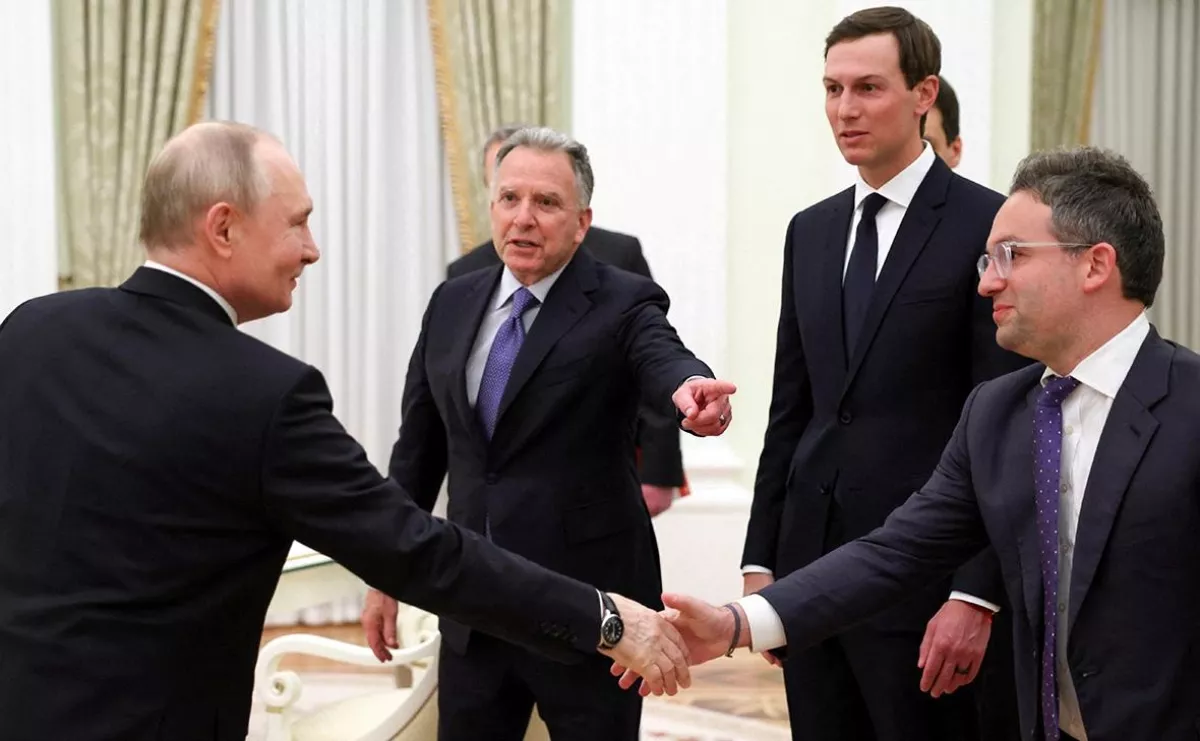
A clear example of this was last week’s meetings in Moscow, where Vladimir Putin met with U.S. Presidential aide Steve Witkoff, Federal Acquisition Service (FAS) Commissioner Josh Gruenbaum, and Donald Trump’s son-in-law Jared Kushner. Despite Washington’s hopes, the talks yielded no concrete results. Notably, ahead of the meeting, the U.S. president had remarked that soon there would be another conflict resolved with his involvement.
Following the three-hour closed-door session in Moscow, it was decided to continue negotiations in Abu Dhabi (UAE) with Kyiv’s participation. No press statements were issued, and no documents were signed. Only Russian Presidential aide Yuri Ushakov, who attended the meeting, reported that the sides had discussed Ukraine and territorial issues and had agreed to maintain ongoing contacts. He also noted that the American delegation shared with Putin their assessment of the recent meeting between the U.S. President and Volodymyr Zelenskyy.
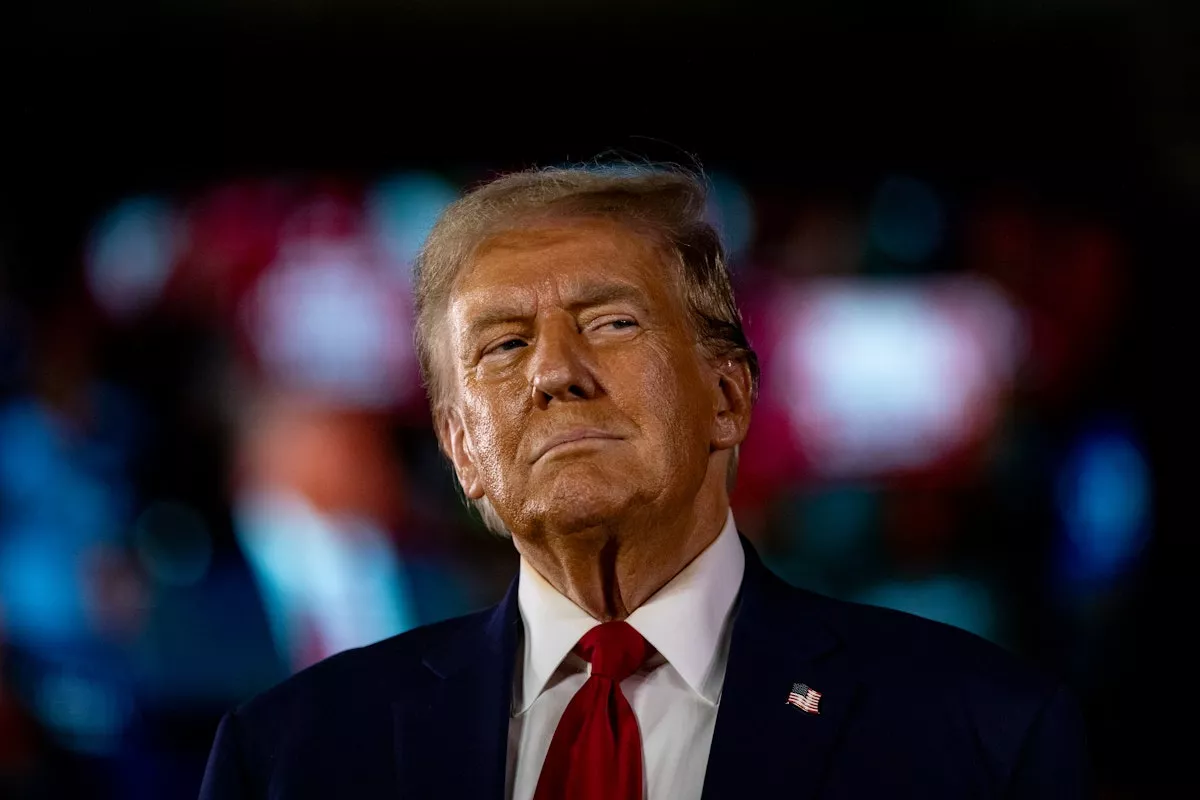
In Davos, Donald Trump told reporters that the president of Ukraine had expressed his readiness to sign a peace agreement, while noting that, according to the Ukrainian side, the Russian president also wants the conflict to end.
“People know the parameters. It's not like, you know, we're discussing things that have been discussed for six or seven months, and he [Volodymyr Zelenskyy] came, and he said he wants to make a deal because I wasn't necessarily sure,” the U.S. President told journalists, adding that both Russia and Ukraine are making concessions to resolve the conflict.
However, the three-way meeting in Abu Dhabi did not live up to the U.S. president’s optimism. Judging by the limited media information, the parties did not reach an agreement on the key issues on the agenda. The main outcome was simply establishing direct contact between the sides, after which the delegations dispersed to coordinate their positions and potentially return to the negotiating table.
First of all, it can be assumed that Washington employed all available levers of pressure on each side in an effort to break the stalemate in the negotiations. Most likely, in Abu Dhabi, the U.S. raised the issue of a ceasefire on Ukrainian territory— a move hardly surprising, given that Trump held several discussions on the topic on the sidelines of the World Economic Forum in Davos.
The second point is that the Russian side in the UAE likely demanded that Ukraine withdraw its forces from Donbas. This aligns with statements made by Russian Presidential Press Secretary Dmitry Peskov, who emphasised that “Ukraine and its armed forces must leave the Donbas. They must be withdrawn. This is a very important condition.”
Earlier, the Russian leader expressed a similar stance. “Russia will end the war in Ukraine only if the Ukrainian army withdraws from Donbas. Only then will hostilities cease. If they do not withdraw, we will achieve this by military means,” Vladimir Putin said in November 2025 during a press conference following his visit to Bishkek.
At the same time, the Ukrainian president has repeatedly emphasised that the Armed Forces of Ukraine will not leave Donbas. Zelenskyy reaffirmed this position during his visit to Lithuania: “Kyiv’s stance on the withdrawal of troops from Donbas remains unchanged. Our position on our territory and Ukraine’s territorial integrity—which must be respected—will not be repeated. Everyone knows our position.”

Ultimately, the negotiations in the UAE yielded no positive results. However, interestingly, The New York Times reported that American and Ukrainian negotiators discussed the possibility of deploying neutral forces to Donbas as peacekeepers or creating a demilitarised zone. Whether this insider information reflects reality will likely become clear after subsequent meetings between the parties. At this stage, unfortunately, it must be acknowledged that the prospect of ending the Russian-Ukrainian conflict remains highly uncertain.







 editor@caliber.az
 +994 55 444-88-98
 Азербайджан, Баку, ул. Низами, 203, Af Business House, 5-й этаж