










US, TRIPP, and the battle for influence in the South Caucasus Georgia’s role under the spotlight
In February 2026, U.S. Vice President J.D. Vance is scheduled to visit Azerbaijan and Armenia, but not Georgia. Against this backdrop, Georgia’s pro-Western opposition and its foreign backers have launched a new campaign of criticism against the ruling Georgian Dream party. The focus is primarily on claims that, due to the policies of the Georgian authorities, the Trump administration “has lost interest” in Georgia.
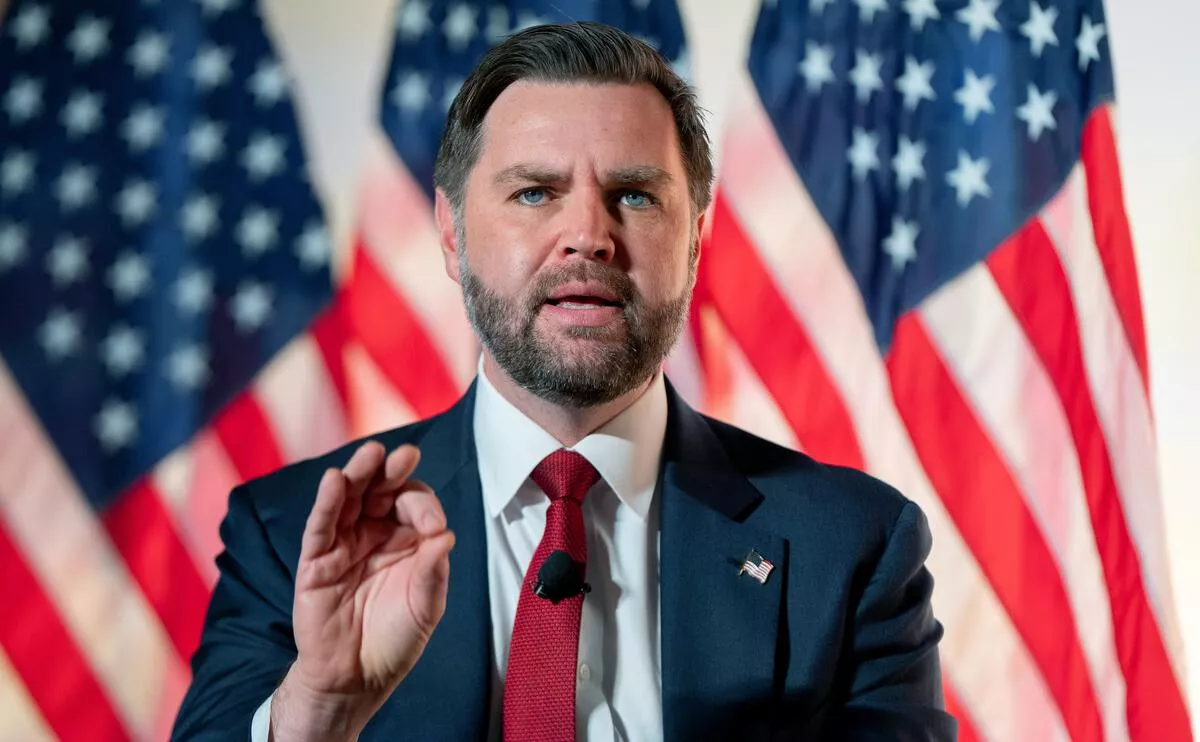
Meanwhile, Vice President Vance’s visit is primarily aimed at strengthening the “Trump Route for International Peace and Prosperity” (TRIPP) project. Georgian Prime Minister Irakli Kobakhidze rightly pointed out that Vance’s tour of Armenia and Azerbaijan is connected to discussions on the TRIPP route and the Zangezur Corridor, which makes Georgia’s absence from the itinerary quite logical. Importantly, the Trump administration had already, quietly and without much public attention, last year, included Georgia in the TRIPP project.

On November 18, 2025, Jonathan Askonas, senior advisor at the U.S. State Department, visited Georgia to discuss ways the country could support the TRIPP project.
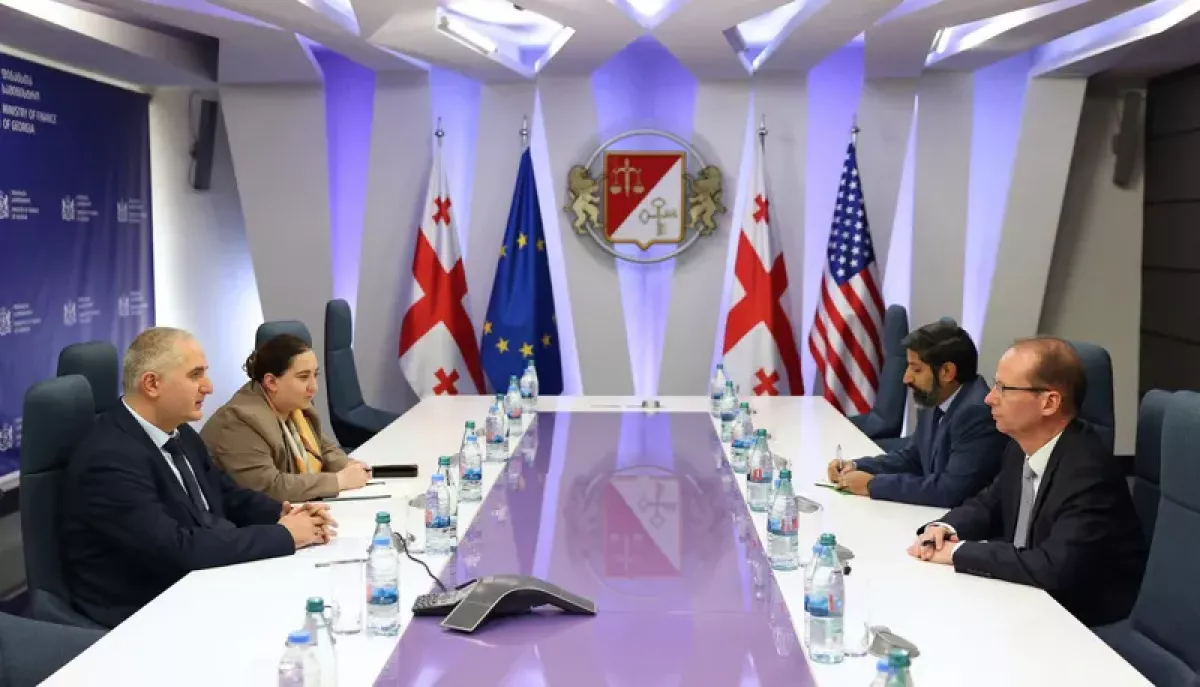
A week later, on November 26, U.S. Ambassador Alan Purcell met with Georgian Finance Minister Lasha Khutsishvili to explore Georgia’s role in advancing the initiative.
Yet a more fundamental question arises: how would the United States have reacted regarding the Zangezur Corridor if the forces within Georgia—and beyond—who are now so vocal about the supposed decline of U.S. interest in the country, had gained the upper hand? What if they had orchestrated a “Maidan-style” coup, plunging Georgia into political chaos, or even opened a “second front” against the Russian Federation? The answer is clear. Such a scenario would have jeopardised not only transit along the Middle Corridor but also indefinitely delayed the unblocking of communications through Zangezur.
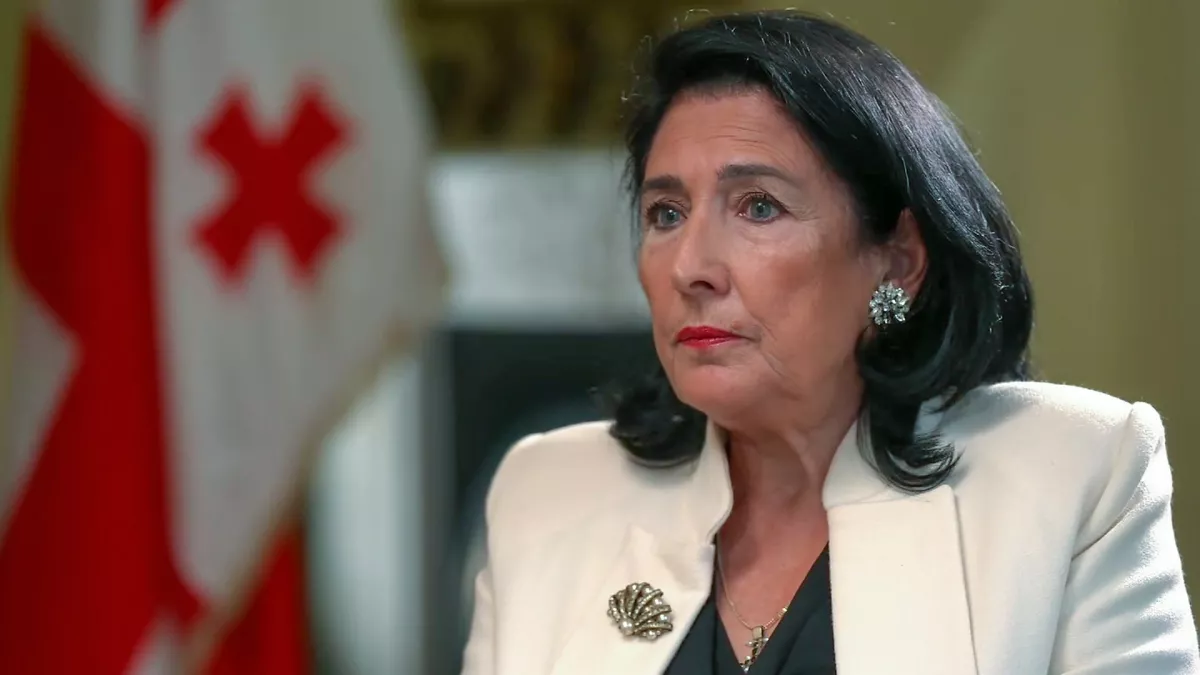
The French authorities, who had consistently supported attempts at a “Maidan” in Tbilisi and effectively backed Salome Zourabichvili, the leader of Georgia’s radical opposition, were firmly opposed to the opening of the Zangezur Corridor. Many staunch opponents of Donald Trump within the U.S. Democratic Party—some of whom had repeatedly and openly supported the separatist project in Azerbaijan’s Karabakh region—were also against the corridor’s opening.
For now, these anti-Trump forces in the United States have refrained from openly expressing their opposition to the TRIPP. To do so would effectively amount to supporting war and instability in the region—a label that the Democratic Party’s representatives today have no interest in carrying.
However, these forces’ determination to undermine the peace process and block the opening of key transport routes in the South Caucasus has not disappeared. As a result, new attempts are being made to complicate the regional situation—particularly through Georgia and by destabilising the country’s domestic political environment.
Many Georgian politicians are well aware that anti-Trump forces within the United States remain quite influential. For example, Tbilisi Mayor Kakha Kaladze recently openly noted the effective confrontation between U.S. President Donald Trump and the so-called “deep state,” including on issues related to peace settlements in the post-Soviet space.
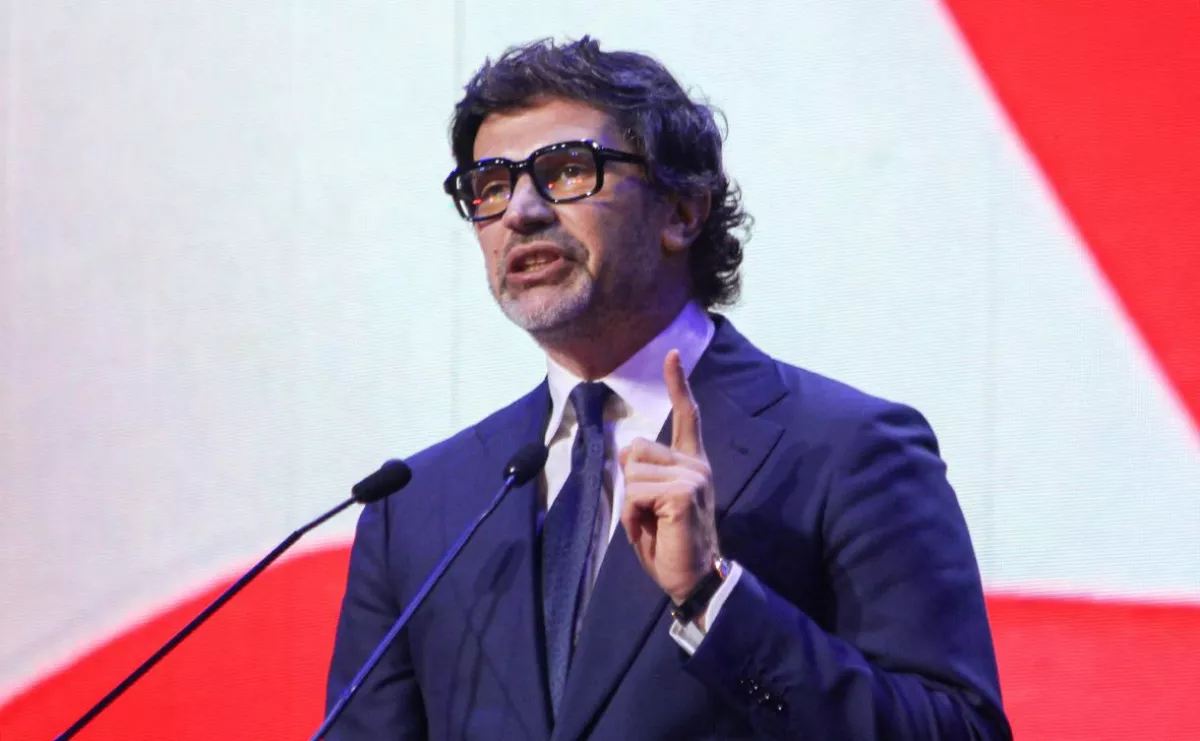
“Trump’s main promise was to end the war in Ukraine. Another key pledge and priority was to defeat the ‘deep state,’ and right now we are in a waiting mode… We support him if he is truly able to achieve these goals… As of today, there is no sign that the war has ended, nor that he has defeated the ‘deep state.’ Neither has happened, so we remain in a state of anticipation,” said Tbilisi Mayor Kakha Kaladze.
Clearly, the Trump administration faces challenges in visibly restoring relations with Georgia’s current government, which had been severely discredited in the eyes of the American public by the previous Biden administration. Kaladze himself noted that during Biden’s presidency, U.S. policy toward Georgia was openly unfair.
Meanwhile, it was precisely because of the Biden administration’s policies that Georgia faced a real risk of being drawn into the Russia–Ukraine war through the opening of a “second front.” At the very beginning of the conflict, after the Georgian authorities effectively refused to facilitate the deployment of Georgian volunteers to the Ukrainian front in March 2022, Ukrainian President Volodymyr Zelenskyy recalled then-Ambassador Ihor Dolhov from Tbilisi.
Following this, the position of Ukraine’s ambassador to Georgia remained vacant for almost four years. During this period, both Georgia’s pro-Western opposition and the official Ukrainian authorities repeatedly criticised the Georgian government for its restrained and pragmatic stance.

However, on January 26, 2026—right in the midst of ongoing negotiations between the Ukrainian and Russian delegations in Abu Dhabi, mediated by the United States— Volodymyr Zelenskyy finally appointed a new ambassador to Georgia. The post went to diplomat Mykhailo Brodovych. This indicates that, amid Donald Trump’s renewed efforts toward a peaceful resolution in Ukraine, the issue of a “second front” and Georgia’s potential involvement in the war against the Russian Federation has, at least temporarily, been removed from the agenda.
Today, Washington is focused on practical work to accelerate the implementation of the “Trump Route,” rather than concentrating on Georgia specifically. Nevertheless, forces that have staked their strategy on endless wars and conflicts in Eurasia continue to attempt to destabilise Georgia, despite its competent and responsible current government. Ongoing attacks on the Georgian leadership are aimed at creating a new focal point of instability in the South Caucasus.
By Vladimir Tskhvediani, Georgia, exclusively for Caliber.Az







 editor@caliber.az
 +994 55 444-88-98
 Азербайджан, Баку, ул. Низами, 203, Af Business House, 5-й этаж