










The hour of reckoning Pashinyan vs. reactionary Armenianism
Global Armenian communities are experiencing turmoil and fragmentation. A notable trend in recent months has been the decline of protest actions within Armenia itself, alongside their intensification abroad. For instance, a large-scale rally titled “We Stand with Etchmiadzin” was recently held in Sochi in support of the Armenian Church. According to Armenian media, “more than 1,500 people gathered at the Surb Sargis Armenian Church in Adler, collectively chanting: ‘No to schism,’ ‘Unity of the Church — Unity of the People,’ ‘Church and People are One,’ ‘Our Catholicos — Garegin II.’” The rally was joined by civic movements such as Descendants of Noah, the Crusaders Liberation Movement, and the Union of Armenians of Kuban. Similar events had previously been organised by various Armenian organisations in Europe and the United States.
Thus, we have reached a point in history marked by a clear divide between Armenians living in Armenia and Armenians who are citizens of other countries. The latter, more so than Armenian citizens, struggle to let go of illusions. This is hardly paradoxical — many of them have not experienced the full hardships of life in Armenia during the confrontation with Azerbaijan, triggered by the occupation of Azerbaijani territories, nor the stagnation of a country that had become a regional outcast.
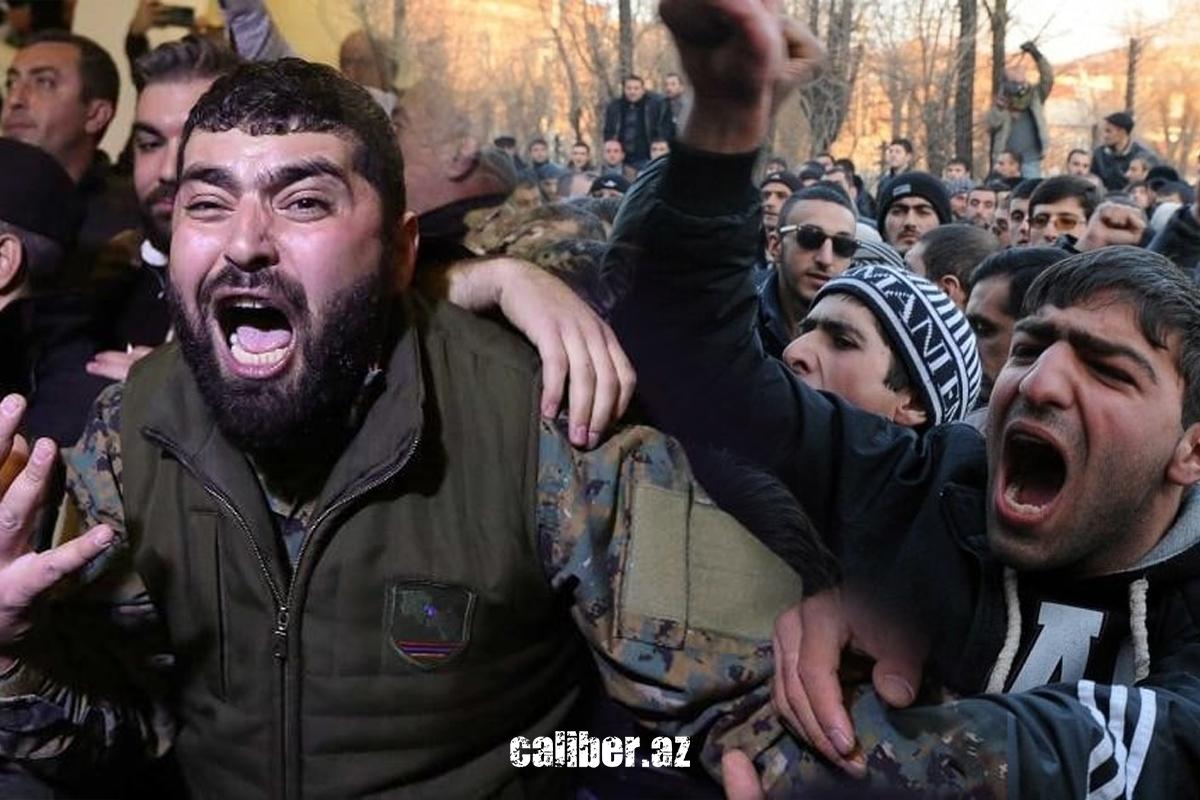
Indeed, we are far from thinking that there are no forces within Armenia itself seeking confrontation with Azerbaijan or attempting to return to the ideas of “miatsum” (unification). Militarised organisations such as VOMA and Yerkrapah are the breeding grounds for these ideas and even more — they serve as bases for training future saboteurs and terrorists. While the sober-minded segment of Armenian society advocates for a reassessment of the nationalist paradigm and the idea of a “real Armenia” promoted by Pashinyan, quiet work is ongoing within VOMA and similar organisations to sustain and cultivate a new wave of hatred towards Azerbaijan and the Azerbaijani people. One can only hope that the Armenian authorities are keeping a close watch on these groups and that, as peace between Baku and Yerevan strengthens, they will be disbanded.
Meanwhile, protests in support of the reactionary clergy led by Garegin II within Armenia itself are becoming increasingly “thin.” Recently, when Pashinyan approached a church in the town of Talin to participate in a liturgy, one local resident played the Azerbaijani song “Noldu Pashinyan” (“Nə oldu, Paşinyan?” literally means “What happened, Pashinyan?” — used to question or mock Armenian Prime Minister Nikol Pashinyan’s policies or outcomes, especially after military defeat - ed.). The organisers of this provocation were counting on it creating a strong public reaction, hoping that masses of Armenians would suddenly recognise the “treacherous” nature of the incumbent prime minister’s policies.
However, all these efforts are ultimately futile. The war and everything associated with it are behind Armenia now. Yes, Pashinyan’s approval rating is not very high, but the ratings of other politicians — including the leaders of the Karabakh clan — and political parties are even lower. Moreover, Pashinyan is gradually rolling out a powerful PR campaign, whose informal symbol has become the heart — the gesture he shows at the end of each of his numerous videos while listening to music.
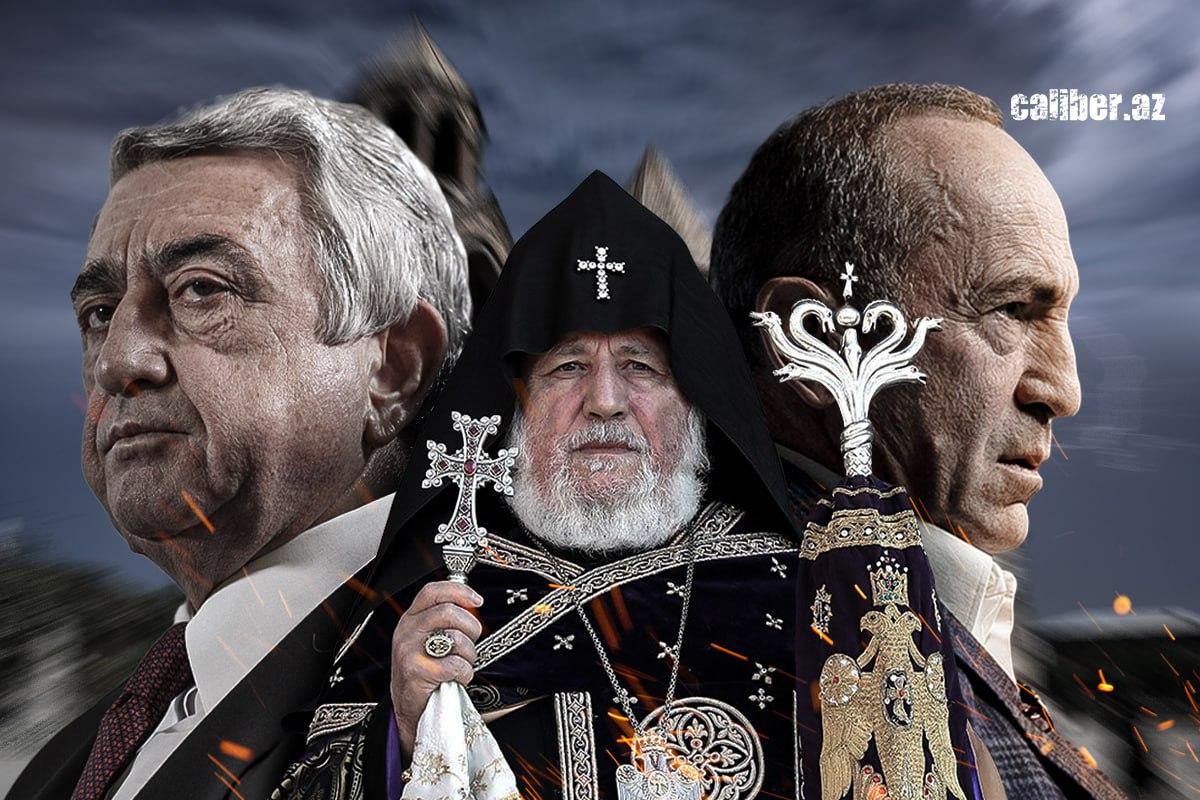
But Pashinyan does not just listen to music; he plays it himself as a drummer in a band. This is also part of the messaging of the PR campaign, clearly intended to convey that the prime minister not only follows the rules but helps set them. How accurately this reflects reality is beyond the scope of this analysis, but it is evident that the current head of government and his team are striving to strengthen Armenia’s sovereignty, free the country from the dictates of global powers, and create the possibility of shaping their own agenda.
Armenia’s fate will be decided in June at the parliamentary elections. The influence of the Armenian diasporas on this process will undoubtedly be destructive, but legally they have little leverage. However, if external actors attempt to alter the situation by force before the elections, that would be a completely different scenario — and the current prime minister must be fully prepared for it.







 editor@caliber.az
 +994 55 444-88-98
 Азербайджан, Баку, ул. Низами, 203, Af Business House, 5-й этаж