










The anatomy of Qatar’s global influence How wealth buys power
A small emirate on the coast of the Persian Gulf has transformed into a modern-day Venice. Qatar’s financial and political power is growing, and its influence knows no bounds. At first glance, it is difficult to understand why it needs this. Qatar is a prosperous state, possessing a colossal gas field and a small population. By exporting gas worth $50 billion annually, the country has amassed mountains of gold, while its military cover is provided by the United States, for whom the emirate is a key ally in the region, as the American military base Al-Udeid is located on its territory.
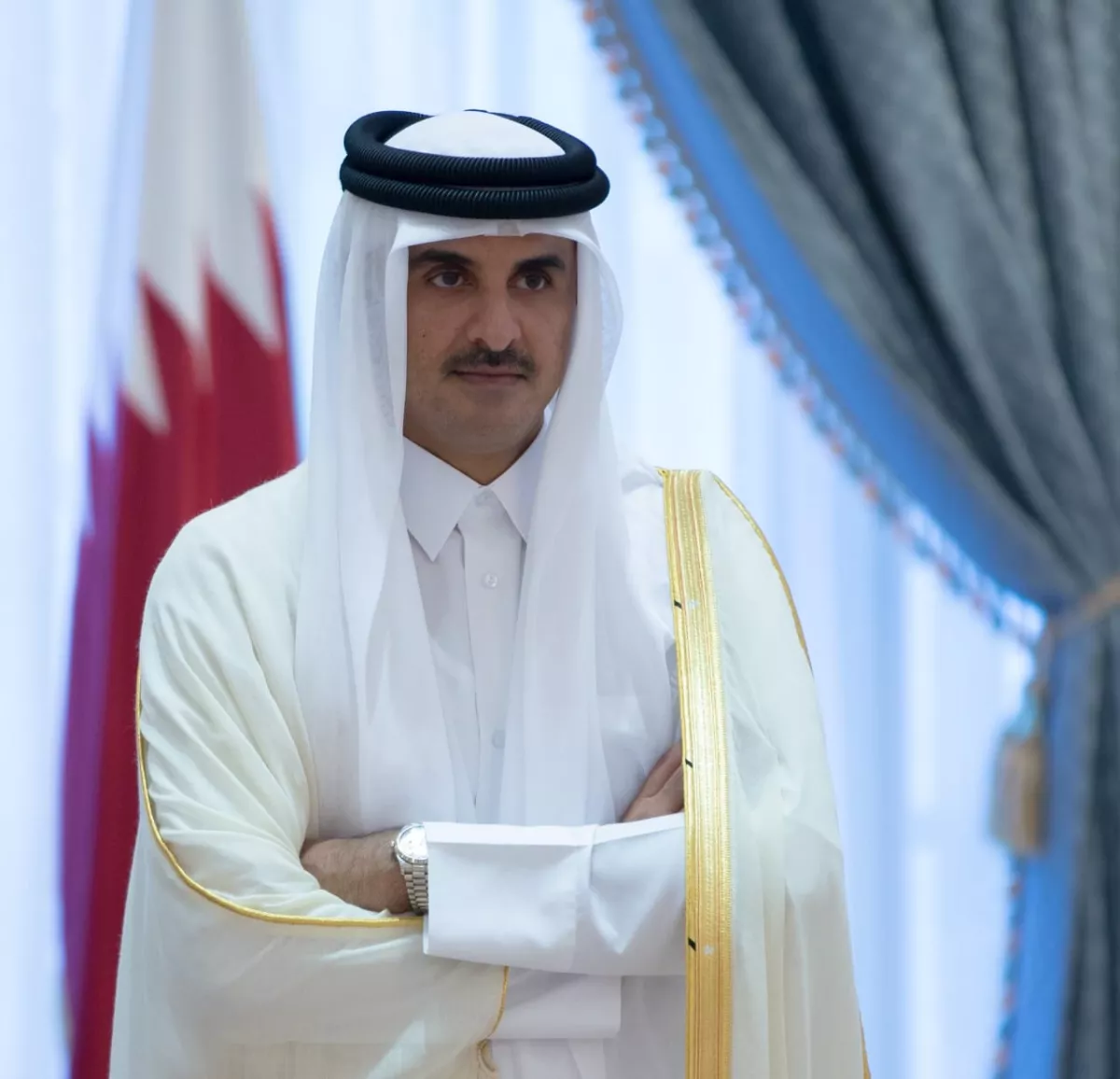
It would seem that Emir Tamim bin Hamad Al Thani (Qatar is an absolute monarchy) and his inner circle could comfortably sit atop their mountains of gold, investing in new projects—from tech companies to steel plants (a major steel complex in Umm Said is already operational)—preparing for a post-oil and post-gas future, and not worrying about anything else.
But no. Qatar is arguably the main “grey cardinal” in the struggle against Israel. Moreover, the state finances various insurgent and other Islamist movements in the Middle East, forms military-political blocs, and actively interferes in American and European politics. The country has created an influential broadcasting company—Al Jazeera—a kind of Arab CNN, whose activities inspire admiration in some and irritation in others. Why does Doha spend so much money on all this?
It’s hard to be a small, delicious candy
The thing is, just sitting on your money and growing your capital through gas revenues alone won’t work. When you are small, militarily weak, and at the same time extremely rich, that can end badly.
In the 1980s and 2000s, the United States acted as the real “protector” of the Middle East, if not the entire planet. Iraq’s invasion of Kuwait under Saddam Hussein ended with the country’s defeat by the international coalition, in which Washington played the leading role. In 2001–2003, following the September 11 attacks, the Americans dealt with Saddam’s regime in Iraq and the Taliban in Afghanistan. It seemed that American protection was more than enough to feel secure.
But then everything went awry. It became clear that the U.S. did not have the financial, intellectual, or military resources to control the Middle East. Strikes by local insurgents proved highly effective, the costs of the ongoing wars in Iraq and Afghanistan exceeded $7 trillion, and when the U.S. entered a recession (2008–2010), it became obvious: this policy was too expensive to sustain. The United States withdrew from Afghanistan, returning it to the Taliban, nearly abandoned Iraq—which fell into the sphere of influence of its adversary, Iran—marking Washington’s largest geopolitical defeat since Vietnam.
Attempts by President Barack Obama to negotiate with Iran through a nuclear deal shocked the Arab countries of the Persian Gulf, who had long relied on the U.S. as their main protector against a dangerous and expansionist Tehran. Donald Trump’s policies were another shock for the Arab monarchies, including Qatar. Perhaps, if Iraq were to attack Kuwait today, Washington might not come to its defense. And then, when Saudi Arabia and the UAE blocked Doha for several years due to disagreements, the United States did not achieve the immediate lifting of the blockade.
In a context where American support is increasingly uncertain, the Gulf countries are seeking to diversify their policies. Qatar is the most prominent example, though not the only one. However, this does not mean abandoning cooperation with the United States, which remains the most influential superpower. On the contrary, this has led to increased investments in the U.S. alongside the adoption of other strategic mechanisms. Gulf countries are simply no longer putting all their eggs in one basket.
Funding Islamist insurgents and regimes
Qatar was involved in supporting the “Arab Spring,” for example, in the uprising in Libya and the overthrow of Gaddafi in 2011, becoming the first country to recognize the new Libyan leadership. The state also supported the Muslim Brotherhood in Egypt, providing financial backing, which was a significant factor in their victory in the 2012 elections. However, the subsequent military coup in 2013 destroyed Qatar’s influence and brought to power a military leadership under Abdel Fattah el-Sisi, aligned with Saudi Arabia and the UAE.
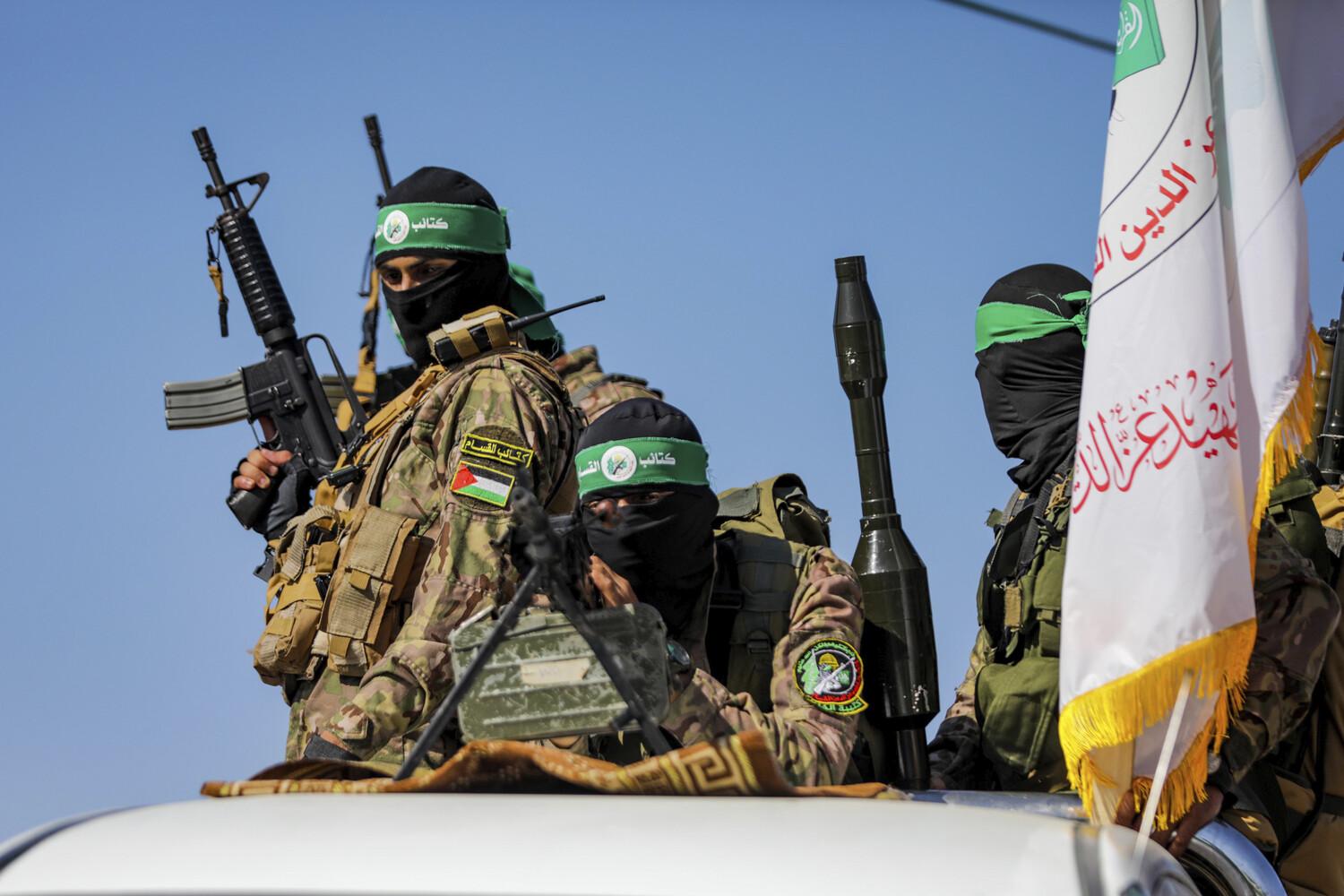
Similarly, after the “Arab Spring,” Qatar supported the formation of the new regime in Tunisia and provided weapons and financial aid to Syrian rebels. Doha also provides financial support to Hamas, which still controls part of the Gaza Strip, although the Qatari authorities deny this. Traditionally very active in the Arab world, the emirate seeks to position itself as a leading power, using several parallel channels of influence.
This policy creates levers to expand influence across the Greater Middle East while allowing the emirate to play the role of mediator. You pour money into the Muslim Brotherhood and Hamas—suddenly, you are an influential player: some politicians hate you, others court you, but all of them need you for negotiations. The U.S. wants a ceasefire in Gaza or the release of an American citizen held by Hamas? Excellent—Qatar is right there, serving as an indispensable mediator.
Alliance with Türkiye
Doha closely coordinates its actions in the Middle East with Türkiye. The latter has provided Qatar with military assistance and stationed troops on its territory, protecting it from powerful neighbors. In return, Qatar invests billions in Turkish industry.
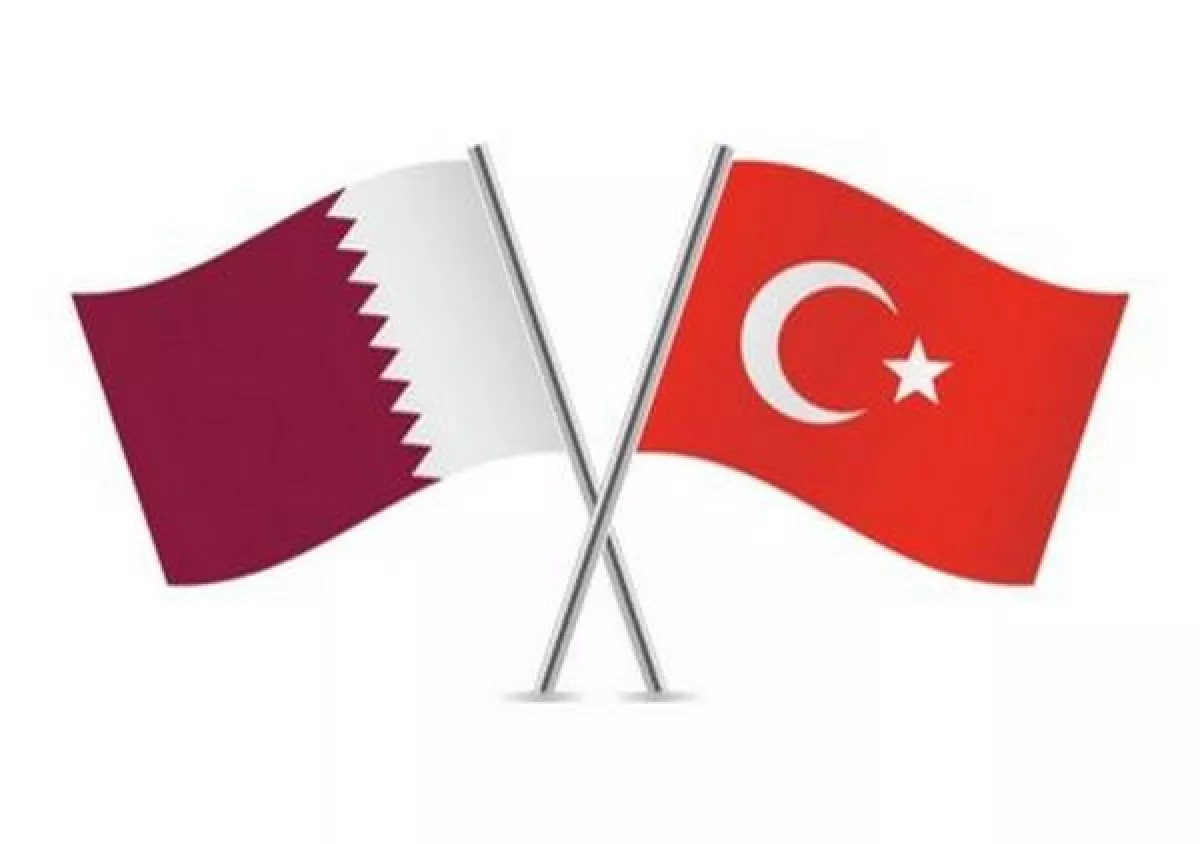
It is the Turkish-Qatari bloc that stands behind the victory of the Hayat Tahrir al-Sham (HTS) rebels, who defeated Bashar al-Assad’s forces and captured Damascus in December 2025. Turkish-Qatari cooperation has continued since then: Ankara provides weapons and military advisers to President Ahmed al-Sharaa, while Qatar pays the salaries of Syrian officials.
Big money — big politics
Israeli analyst Michael Milshtein examines Qatar’s multi-layered influence on the policies of Western countries, at the heart of which is the Qatar Investment Authority (QIA)—an investment fund valued at $526 billion. Through it, Doha invests in and exercises partial control over Heathrow Airport and Rolls-Royce in the United Kingdom, Deutsche Bank in Germany, and a number of major companies in France. The economic arm is also active in Israel, for example through investments in high-tech companies, the purchase of shares in Phoenix (including via the investment fund of Jared Kushner, son-in-law of the U.S. president), and by signing a diamond trade agreement in 2021.
Qatari investments are not only a way to generate profit but also an opportunity to expand influence. In this case, politics and economics are inseparable. Recently, the well-known American researcher Daniel Pipes gave an extensive interview to the Italian magazine L’Informale, in which he discussed the connections between Qatar, the U.S., and Israel. The publication asked him the following question:
"The Qatar Investment Authority purchased the Park Lane Hotel in New York City from Steve Witkoff, a real estate investor, for $623 million. Now President Trump’s envoy, Witkoff praised Qatar in a recent interview with Tucker Carlson: “They’re good, decent people. What they want is a mediation that’s effective, that gets to a peace goal. And why? Because they’re a small nation and they want to be acknowledged as a peacemaker. … you have to trust the Qataris. … God bless them.” Do you see a connection between the purchase and the compliments?"
In response, Pipes said: "I sure do. I grudgingly admire the remarkable talent of Qatar’s leaders. They turned a lot of natural gas and a country of about 300,000 nationals (or about half of 1 percent of Italy’s population) into a powerhouse in many different areas – education, media, sports, the arts, aviation, security – and have acquired influence at the highest levels in the most unexpected circles, including American Jewry and Jerusalem. Consider: probably not a single one U.S. Middle East hand even heard of Steve Witkoff before the November 2024 elections but the Qataris found him and already in August 2023 bought that hotel from him in a sweetheart deal. As I say, they are remarkable."
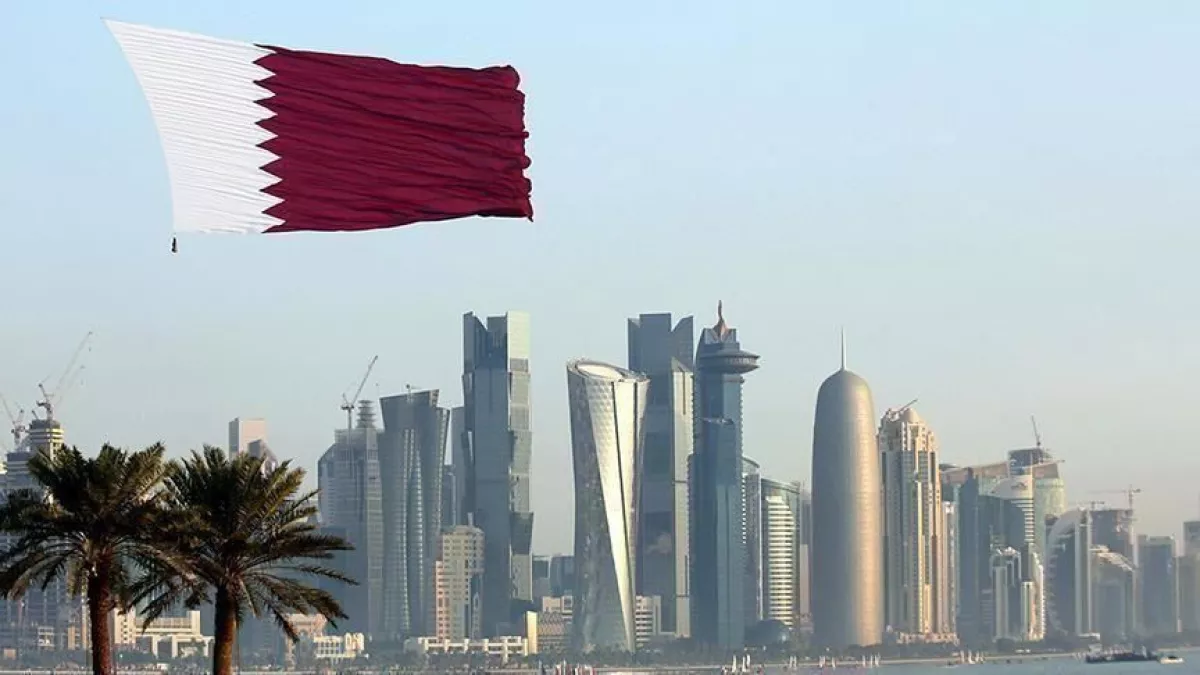
Qatar’s investments and gas supplies are geopolitical weapons. Milshtein notes that, despite numerous scandals, the emirate has never faced international ostracism, except for a temporary Arab boycott. Former U.S. Secretary of State Blinken described the Qataris as playing a “constructive role” and as “America’s eyes in Afghanistan”; his successor Rubio called them “a trustworthy partner”; and Witkoff praised their decency (which was reflected in their purchase of a luxury Manhattan hotel in which he partially owned). The emirate unhesitatingly uses economic ties and leverage. For example, it threatened to cut gas supplies to Europe. “We’re not playing games,” emphasised Qatar’s Minister of Energy.
The “Qatargate” scandal revealed Doha’s financial transfers to members of the European Parliament to secure votes favourable to the country. The lobby of major European airlines (ENAA) alerted EU transport authorities over suspicions of corruption related to an aviation deal between Qatar and the European Union. Qatar’s financial machinery also directs significant funds to U.S. lawmakers: in 2018 alone, 59 members of Congress received donations from Doha, Milshtein notes.
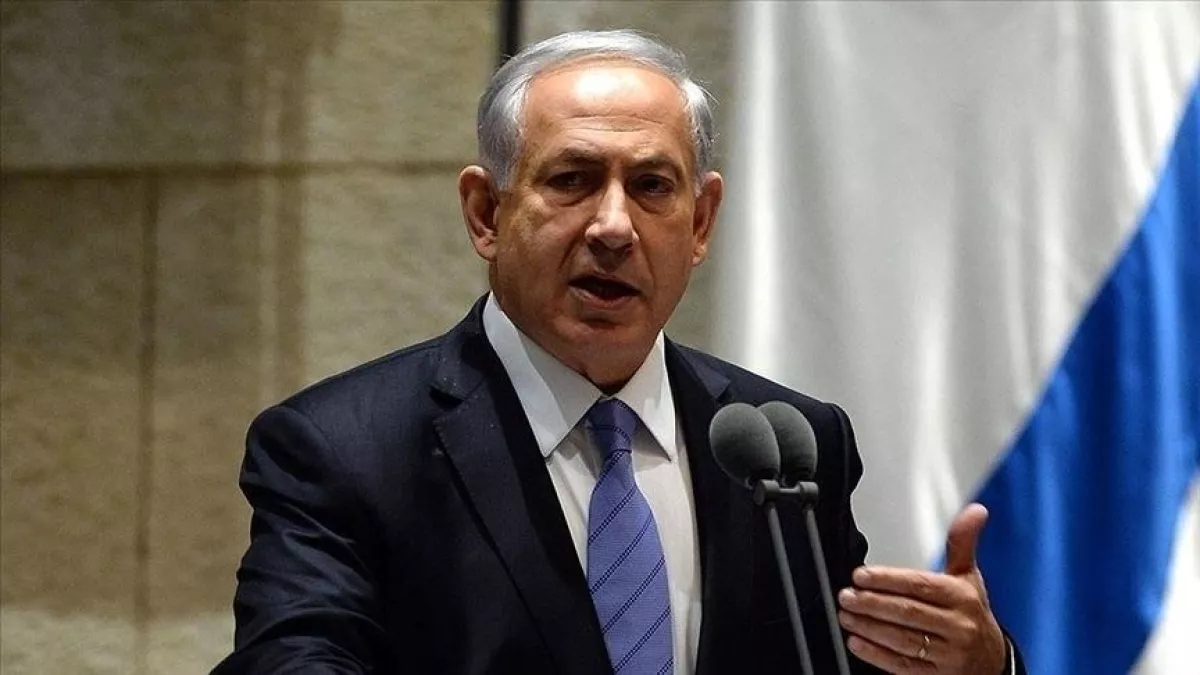
However, if you think that the Israeli leadership has escaped Qatari influence, that would be a big mistake. One of the most high-profile scandals in the country is linked to the arrests of key staff members in Prime Minister Benjamin Netanyahu’s office by Shin Bet. The officials are accused of receiving money from Qatar to promote the emirate’s policies.
"Netanyahu praises Qatar for the same reasons as Witkoff praises Hamas," notes Pipes, "in pursuit of a deal. Further, Americans shills for Qatar push him toward Doha: ‘Qatar is crucial for Israel’s security and existence. Israel won’t be able to survive without cooperating with Qatar’ an unnamed American told the chief Jerusalem Post editor.”
Does this mean that Netanyahu or the Israeli government served Qatar’s interests? Probably not. Israeli cabinet policy is influenced by many factors, including the confrontation with Hamas, one of whose sponsors is Doha. Netanyahu and other members of the ruling coalition also have many influential friends, wealthy businessmen, and oligarchs. Yet the emirate could influence certain decisions if it applied significant effort.
Influence on academic circles
Another important area of Qatari activity is groups that influence academic circles worldwide, primarily in the United States. According to publicly available sources, Qatar invested around $4.7 billion in American scientific and educational institutions between 2001 and 2021, becoming their largest foreign sponsor. One can recall what happened on the campuses of Columbia and other universities after the Gaza war began: anti-Zionist demonstrations and widespread support for the population of the Gaza Strip, which was subjected to Israeli bombings. Of course, this is not solely the work of Qataris, as even the Jewish community in the U.S. is deeply divided regarding its stance on Israel in connection with the war in Gaza. Nevertheless, Qatari influence on these events can be observed.
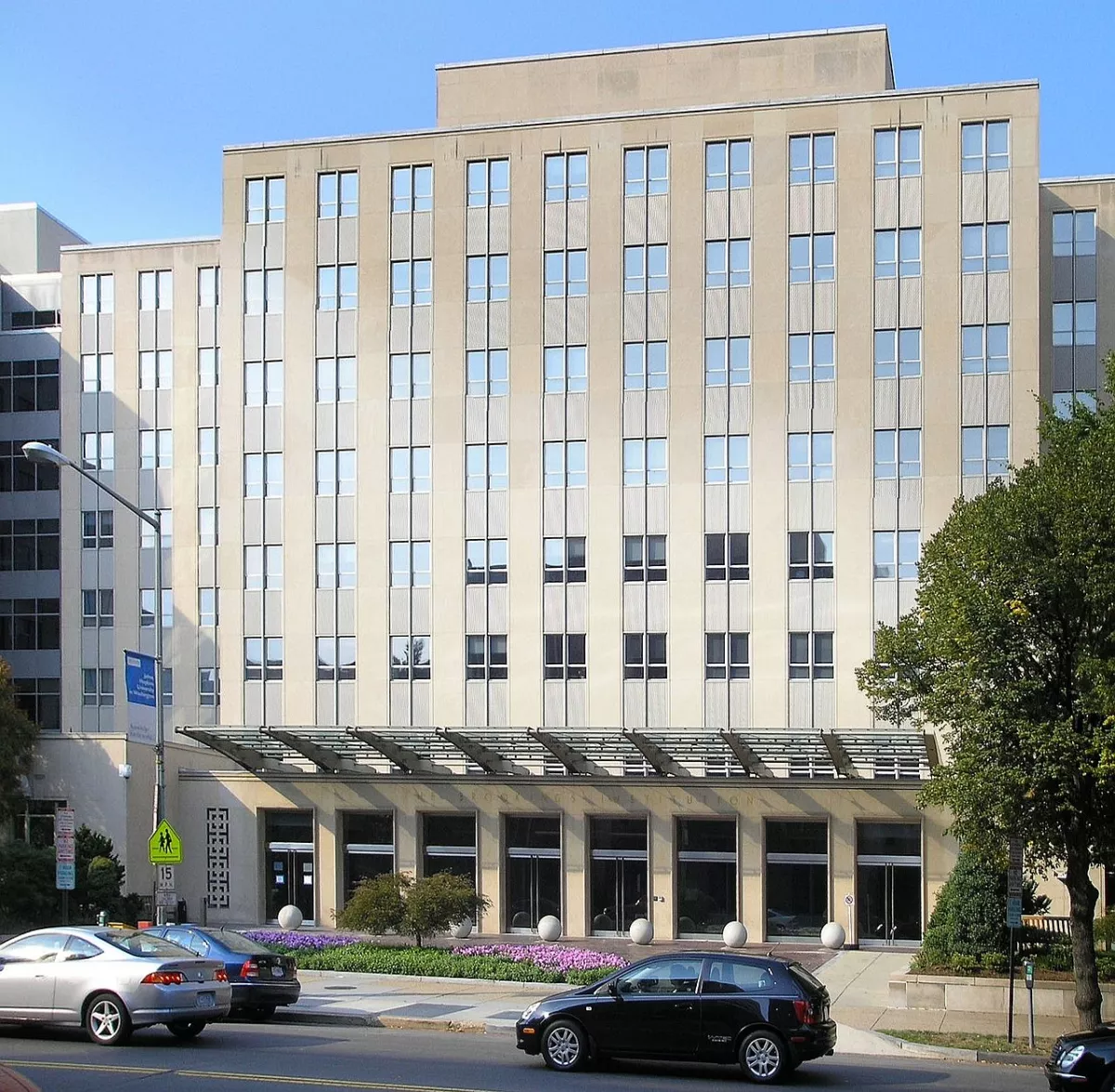
In addition, influential Washington think tanks regularly appear on the list of recipients of Qatari funding, with Doha serving as one of the financial sources for those institutions that provide foreign policy recommendations to leading politicians. Thus, in 2022 it became known that the president of the Brookings Institution, General John Allen, was under investigation for secretly lobbying Qatar’s interests; he allegedly received more than $1 million for this. Israeli experts are also of interest to Qatar. “In December 2023, after I published a policy paper outlining the recommended approach to Qatar following October 7, a Qatari official contacted me in an attempt to argue that the content was inaccurate and to encourage a more favorable tone in future publications,” reports Israeli Gulf affairs expert Dr. Moran Zaga.
Media and social networks
Another branch of Qatar’s influence manifests itself in the media sphere. In addition to Al Jazeera, Qatar finances popular publications in London and sponsors a number of individuals who shape public opinion. As for social media, suspicions have recently emerged that Doha was behind the spread of reports about Egypt’s increased military presence in the Sinai Peninsula and the growing likelihood of a conflict between Cairo and Israel over developments in Gaza—reports that caused alarm in Israel. According to some experts, this may have been linked to pressure exerted by the emirate on the U.S. and Israel to exclude Egypt from mediation efforts on Gaza and to strengthen Qatar’s own role in this arena.
Rivalry with Israel
When Israeli and American analysts discuss Qatari influence, despite their criticism, they often struggle to conceal a sense of admiration. Indeed, Qatar has become a Middle Eastern Venice. The analogy is not entirely precise, of course: Qatar lacks the mechanisms of self-governance embodied by early Venice’s powerful popular assemblies of craftsmen, as well as the brilliant Renaissance culture of later Venice that was ahead of its time. Yet the subtle and meticulously calculated intrigues of the Qataris, resting on what appear to be inexhaustible financial resources, know no boundaries—much like those of the Venetians.
Qatar’s political weight has become enormous, yet it remains insufficient to fully protect the country. Its influence over the U.S. administration is still weaker than that of Israel. One can point here to the Israeli Air Force strike on a villa in Doha where Hamas representatives were meeting on September 9, 2025. The operation, codenamed “Summit of Fire,” involved 15 Israeli fighter jets using heavy bombs.
And although Trump later compelled the Israeli prime minister to issue a public apology to the Emir of Qatar, this had little practical effect. Almost immediately afterward, the United States provided Israel with yet another arms package—3,000 units of the latest armoured vehicles—worth $6 billion. And this was merely the cherry on top, added to other packages amounting to tens of billions of dollars, including supplies of ultra-modern combat aircraft, air defence systems, and more.
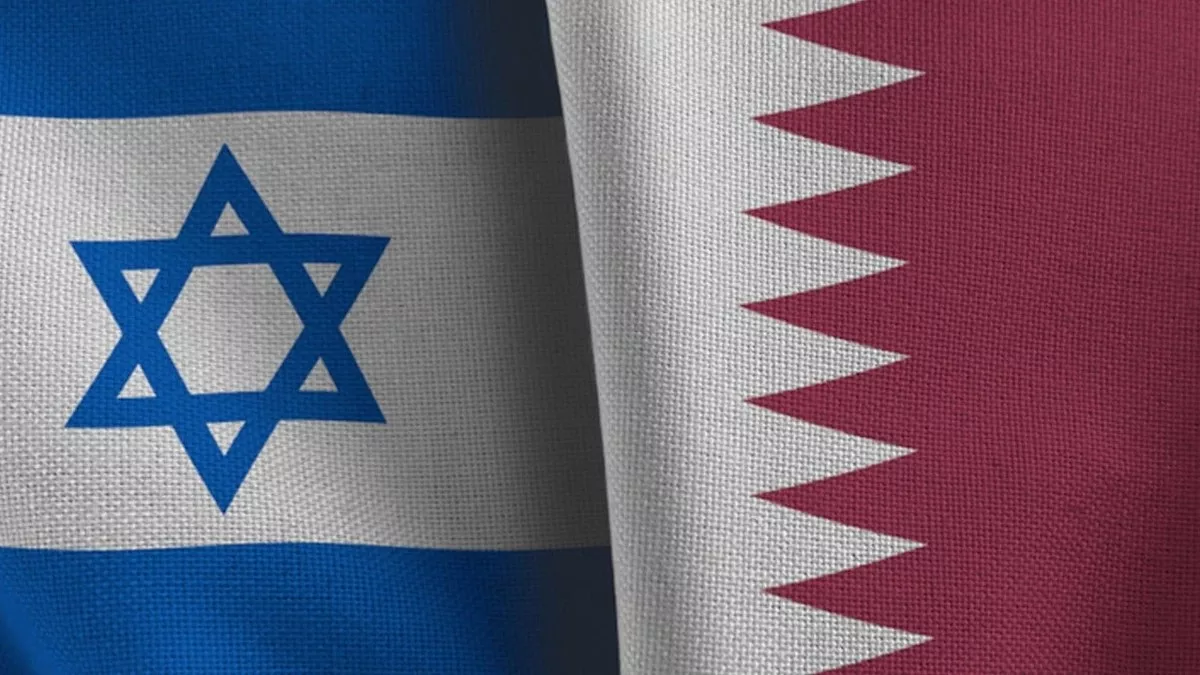
Thus, it becomes clear that it is not Qatar but Israel that wields dominant influence over the Washington administration in Middle Eastern affairs. The United States has armed Israel to such an extent with cutting-edge weaponry and granted it such political latitude that it has effectively acquired the right to reshape the region to suit its own needs.
How will Qatar respond? Most likely by increasing investments in the United States and Europe, aimed at strengthening its influence at the court of the American “king” and among European elites. In addition, Doha will seek closer cooperation and coordination on security matters with Türkiye and Saudi Arabia, both of which are also concerned about the growing influence of Israel.
At present, Türkiye, Saudi Arabia, and Pakistan are building an economic and military-political bloc to protect themselves from unexpected shocks, to contain Israel, and to reduce the costs of Washington’s unpredictable policies. Will Qatar become part of this “Muslim NATO”? Moreover, Saudi Arabia could emerge as a partner of the emirate in terms of long-term influence over American political institutions and universities. In short, Israeli–Qatari competition will continue, and its outcome remains uncertain. The fate of the Middle East is at stake—and this is a long game.







 editor@caliber.az
 +994 55 444-88-98
 Азербайджан, Баку, ул. Низами, 203, Af Business House, 5-й этаж