










A war by proxy Foreigners on the frontlines, Ukrainians in Europe?
“Stupidity is also a gift of God, but one mustn't misuse it.” This aphorism perfectly captures the “loud” statement by the commander of a Ukrainian Armed Forces intelligence unit, Denis Yaroslavsky, who claimed that the General Staff of the Ukrainian Armed Forces is “considering” the idea of mobilising foreigners holding residency permits in Ukraine—a proposal reportedly supported by “many” members of parliament.
According to him, over 100,000 non-residents of conscription age live in Ukraine, and they could be recruited for a six-month contract service. “If you want to start a business in Ukraine, raise a family, or go out to restaurants, you must first prove that in times of national crisis, you will defend the country alongside Ukrainians. Only then do you have the right to apply for citizenship or a residence permit,” he said. He also added that if, as a result of the military’s “attention” to foreigners, half of them leave the country, “it’s no big deal.”
However, Mr. Denis did not clarify in his openly foolish statement for whom exactly it would be “no big deal.” Nor did he name a single Ukrainian MP who has openly supported recruiting foreign residents with Ukrainian residence permits into the Armed Forces. In fact, neither the General Staff of the Ukrainian Armed Forces nor any other officials have made any statements along these lines.
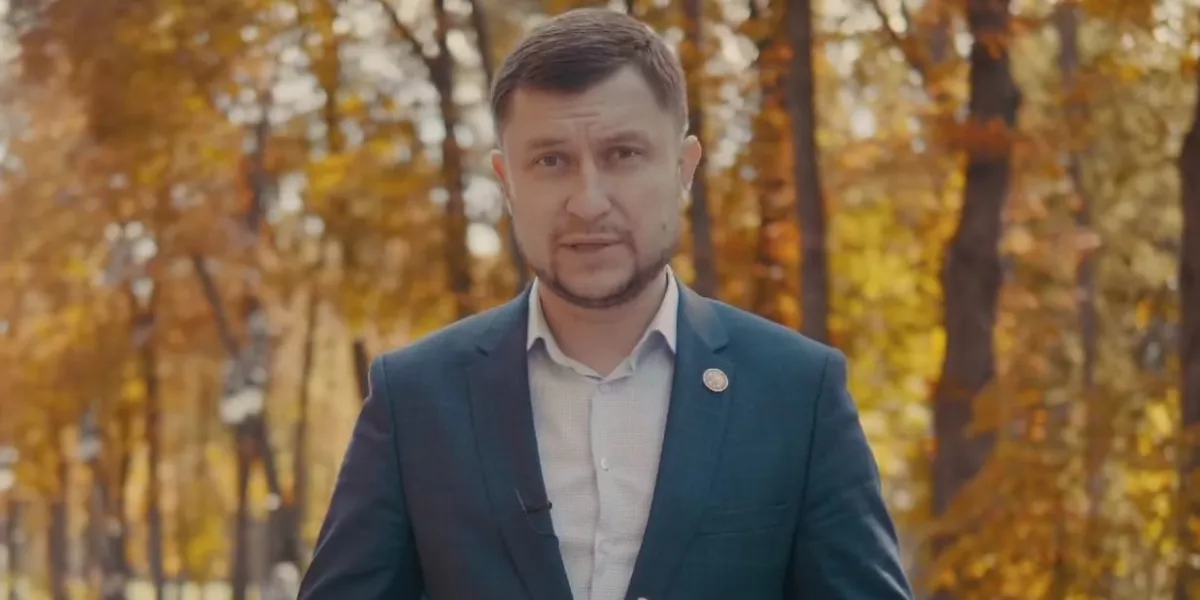
Having lived in Ukraine for many years, I can say that Mr. Yaroslavsky likely decided to make public what had previously been private conversations—over drinks or in the kitchen—with fellow officers or colleagues from his former job. He graduated from Kharkiv National University of Internal Affairs, where he studied law and investigative work, and he rose quickly through the ranks: starting as an investigator, he eventually became head of the Obukhiv District Police Department in Kyiv Oblast.
In June 2017, Yaroslavsky was detained on suspicion of kidnapping a businessman. According to investigators, he and a group of police officers abducted the entrepreneur and demanded a ransom of $200,000. Denis denied the allegations, claiming they were retaliation for his anti-corruption efforts. He was released on bail, but the case dragged on for years and remains a blot on his record.
Beyond this criminal episode, Yaroslavsky is also a failed politician: both of his attempts to win a seat in the Kharkiv City Council ended in defeat. Yet he seems undeterred, actively cultivating on social media the image of a “dancer under fire.” He is likely betting on the post-war period, when he might try to “market” himself to voters as an alternative to Kharkiv’s current political and financial elites.
However, as the saying goes, every coin has a flip side. By presenting himself as a Ukrainian patriot, Yaroslavsky—whether deliberately or out of sheer short-sightedness—has also played the role of a Russian nationalist. After all, it is often Russian nationalists who advocate using foreign citizens and migrant workers as “cannon fodder.” Yaroslavsky’s reasoning mirrors that of Russia’s imperialists: foreigners, he suggests, should show gratitude for the right to live in the country by taking up arms on the front lines.
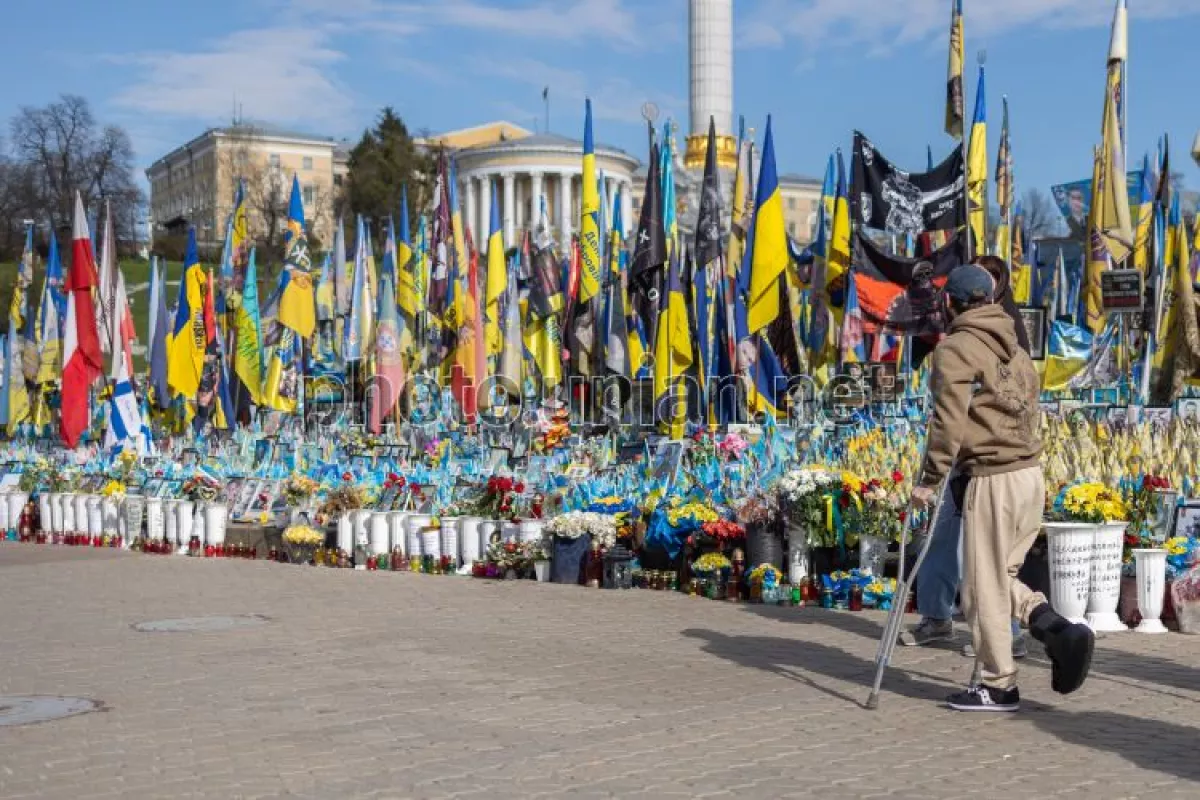
At the same time, he chose to overlook the fact that many foreign citizens—even those without residence permits—have fought, and continue to fight, in the ranks of the Ukrainian Armed Forces. Anyone can see this at Maidan Nezalezhnosti (Independence Square) in Kyiv, where flags from numerous countries stand in memory of the foreigners who gave their lives for Ukraine’s freedom.
Mr. Denis also conveniently ignored the large number of Ukrainian men of conscription age who are living comfortably abroad, many showing little concern for the fate of their blood-soaked homeland. And this is far from an empty claim.
Speaking on Novyny.Live, Serhii Nahorniak, a member of parliament from the Servant of the People faction, stated that over the past six months alone, more than half a million young people have left the country. He also noted that when you arrive in Warsaw and call a taxi, the drivers are almost all Ukrainians: “Today, Warsaw and Kyiv differ only in the presence or absence of light and warmth. The number of Ukrainians in Warsaw is enormous. In almost every restaurant, café, store—or when you call a taxi—every second driver is Ukrainian. And these are all young people.”

A similar situation exists in other European countries. Estimates—both official and unofficial—vary, but in any case, we are talking about millions of Ukrainian men who have chosen not to fight for their homeland and instead relocate abroad. Moreover, this trend is taking on the character of a mass exodus: news regularly emerges of groups of Ukrainians attempting to leave the country by bribing their way out.
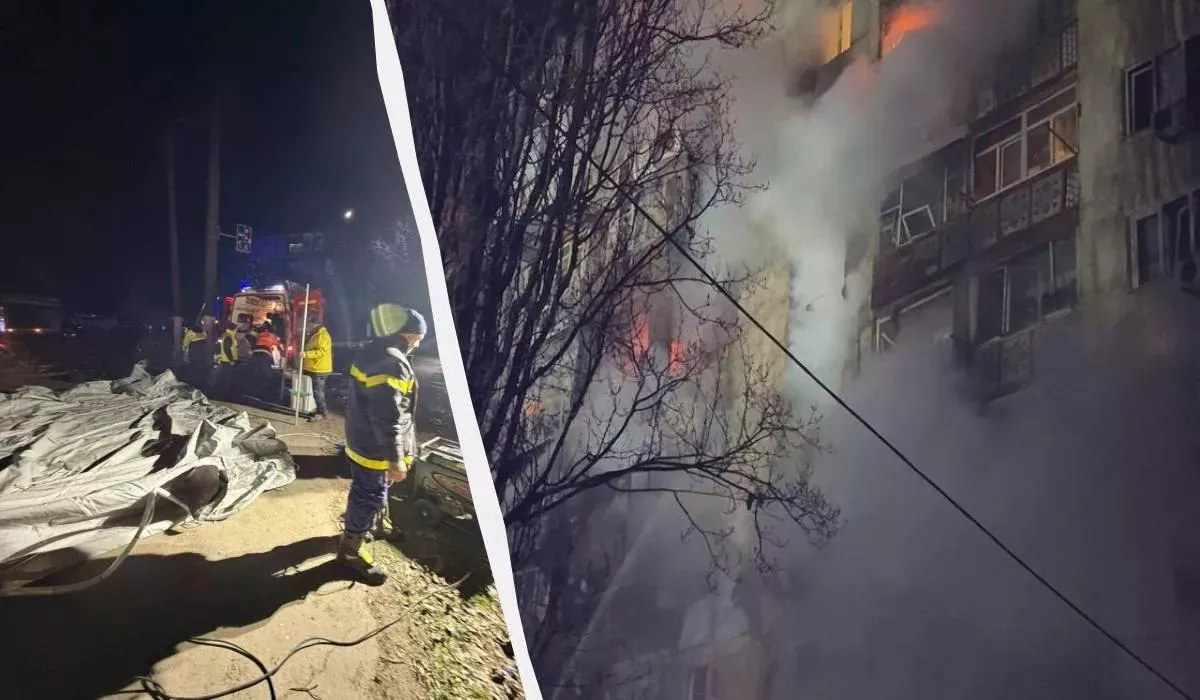
Against this backdrop, Denis Yaroslavsky’s attempt to portray foreign residents with Ukrainian residence permits as “indebted” to Ukraine appears utterly absurd. For starters, despite having the option to return to their own countries, they choose to stay alongside Ukrainians during this difficult time—working, paying taxes, shopping in stores, and renting apartments. In short, they are spending money, which is especially important now as the Ukrainian economy teeters on the brink. Alongside the Ukrainian citizens who remain in the country, non-residents of conscription age face daily risks of becoming victims of the next missile strike, living in apartments and homes without electricity, water, gas, or heat.
However, after Yaroslavsky’s statements, which clearly carry a nationalist undertone, all 100,000 of these foreign citizens may very well decide to leave Ukrainian territory, feeling disrespected or pressured. And what would that accomplish? Would it bring Ukraine any closer to victory or help Ukrainian businesses and the economy? I believe the exact opposite would happen. Moreover, if they share the reasons for their departure in their home countries, the statement by the commander of the Ukrainian Armed Forces’ intelligence unit could well go down in Ukrainian history as a prime example of abusing a “gift from God,” leaving Ukraine with yet another blow to its image.







 editor@caliber.az
 +994 55 444-88-98
 Азербайджан, Баку, ул. Низами, 203, Af Business House, 5-й этаж