










US National Security Strategy in action Venezuela as a starting point?
The lightning-fast U.S. military operation in Venezuela has, to some extent, further divided an already volatile international arena. Leaders of several countries and international organisations condemned Washington’s actions, calling for de-escalation; others expressed only cautious concern, while some voiced support for the American administration’s move.
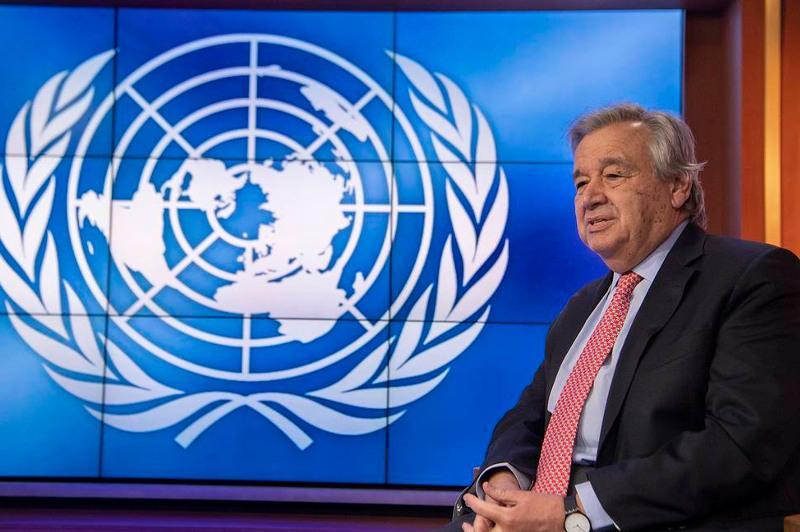
The United Nations’ response is particularly noteworthy. The U.S. has been a full member of the UN since its founding in 1945 and remains a permanent member of the Security Council, holding veto power. Yet UN Secretary-General António Guterres described the U.S. operation as a violation of international law and warned that it could have potentially alarming consequences for the region.
“Independently of the situation in Venezuela, these developments constitute a dangerous precedent,” he said, urging all parties to engage in comprehensive dialogue fully respecting human rights and the rule of law.
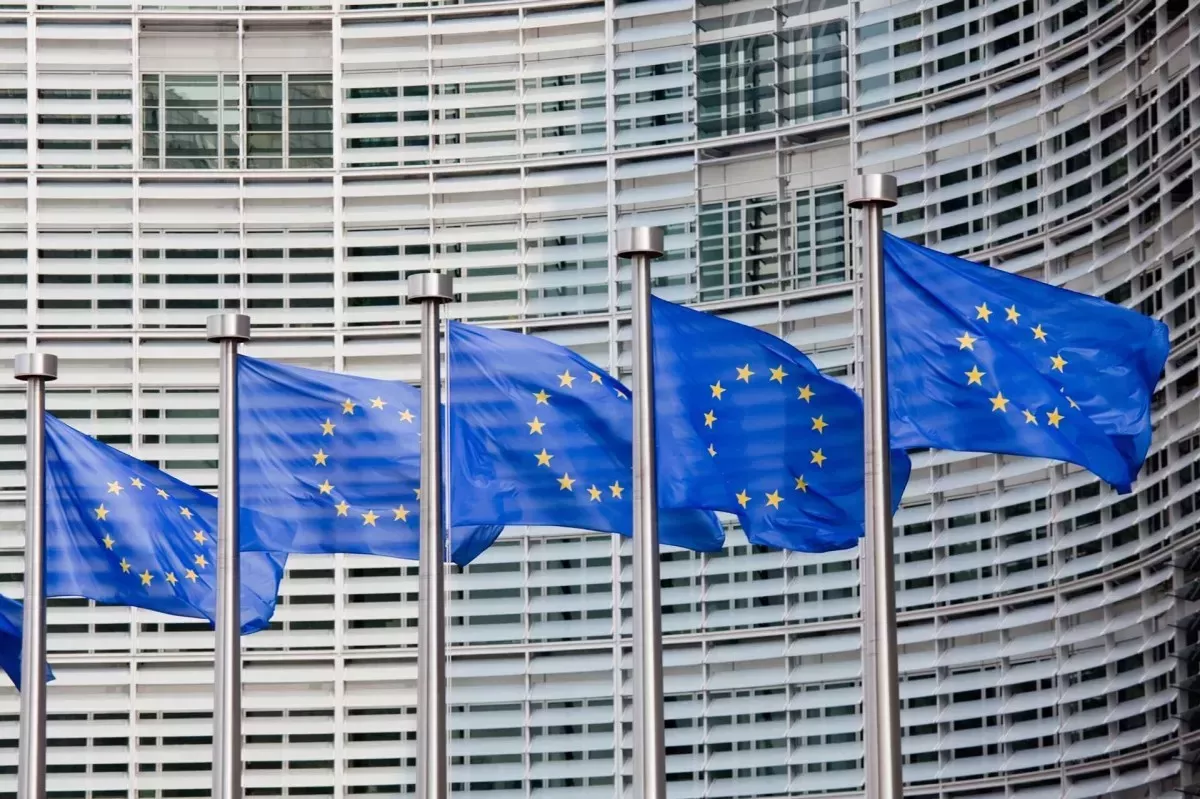
The European Union also responded to the situation in Venezuela. European Commission President Ursula von der Leyen did not directly criticise Washington’s actions but noted that the EU is closely monitoring developments in the Latin American country.
“We stand by the people of Venezuela and support a peaceful and democratic transition. Any solution must respect international law and the UN Charter,” she wrote on X, adding that EU citizens in Venezuela can expect full support.
European Council President António Costa expressed a similar position, calling for de-escalation and a resolution of the situation fully in line with international law and the principles enshrined in the UN Charter. “The European Union will continue to support a peaceful, democratic, and inclusive solution in Venezuela,” he said.
Notably, globally, the strongest criticism of Donald Trump’s policy came primarily from three countries: Russia, China, and Iran.
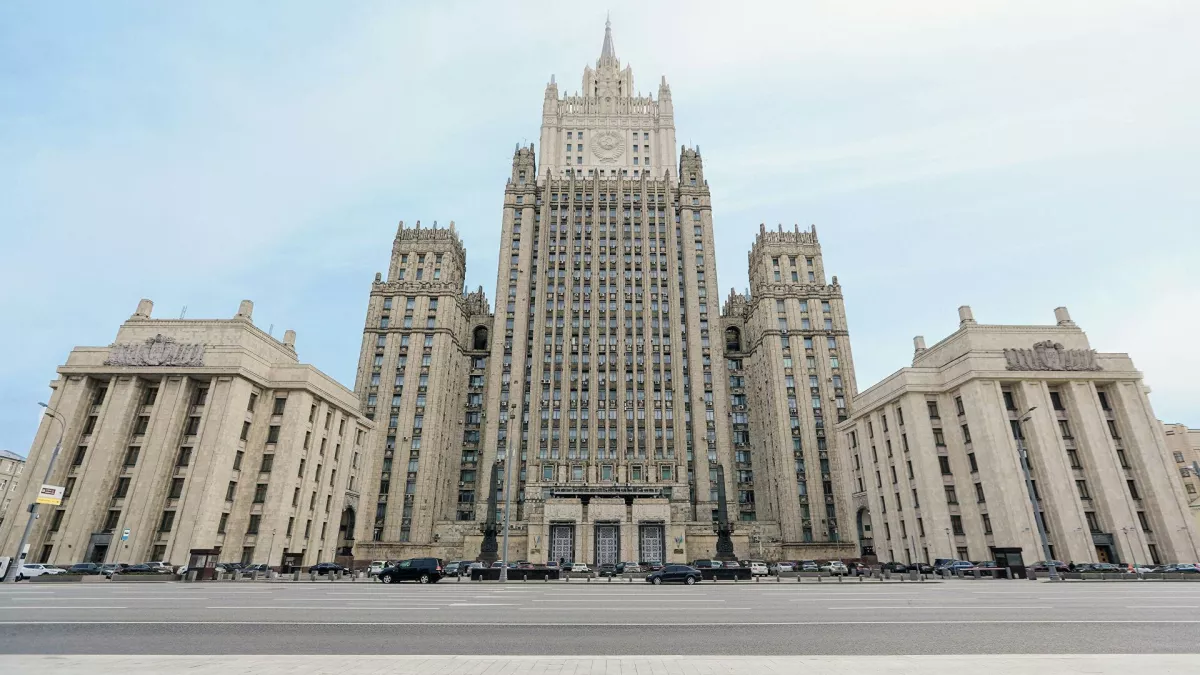
The Russian Ministry of Foreign Affairs called the U.S. actions “an act of armed aggression against Venezuela,” urging that further escalation be prevented and emphasising the need to seek a solution through dialogue: “Venezuela must be guaranteed the right to determine its own destiny without any destructive, let alone military, external interference.”
Meanwhile, China’s Ministry of Foreign Affairs strongly condemned the use of force by the United States against a sovereign state and its president.
“Such hegemonistic actions by the U.S. seriously violate international law and Venezuela’s sovereignty, and threaten peace and security in Latin America and the Caribbean. China firmly opposes this,” the ministry said in a statement.
Iranian Foreign Minister Abbas Araghchi went even further, describing the incident as “an act of state terrorism” and condemning the United States: “The Ministry of Foreign Affairs of Iran strongly condemns the U.S. military attack on Venezuela and the blatant violation of the country’s territorial integrity and sovereignty.”
Official Ankara also expressed its position, stating that it is ready to make any constructive contribution to resolving the crisis in Venezuela within the framework of international law.
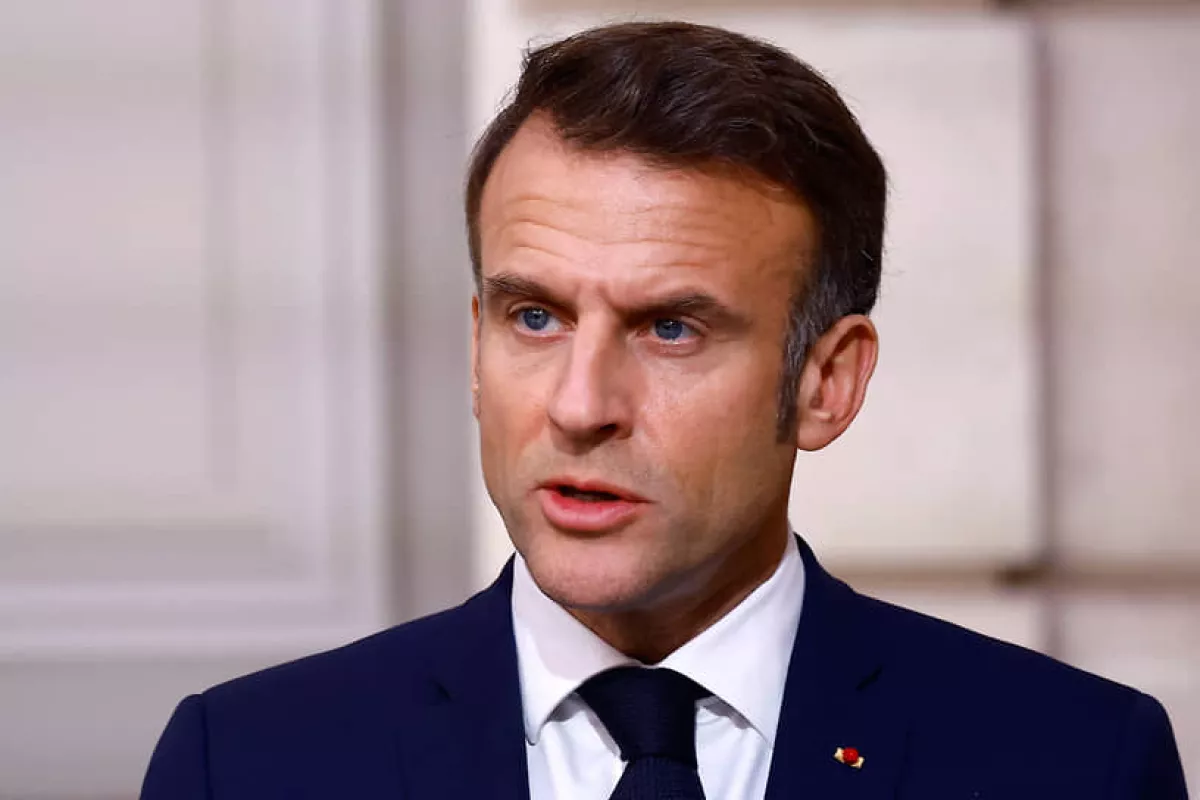
French President Emmanuel Macron stated that Paris does not approve of the methods employed by the United States during the operation to capture Venezuela’s president, as announced at a briefing in the Élysée Palace by government spokesperson Maud Bregeon. However, the French leader considers Maduro’s removal from power “good news,” despite his criticism of the operation’s methods.
UK Prime Minister Keir Starmer said that Britain would discuss the “developing situation” in Venezuela with its American partners, noting that London will “shed no tears” over the fall of Maduro’s regime.
Italian Prime Minister Giorgia Meloni emphasised that the U.S. military actions in Venezuela were “legal” and “defensive.” Israel also welcomed the operation, stating that Washington acted as “a leader of the free world.”
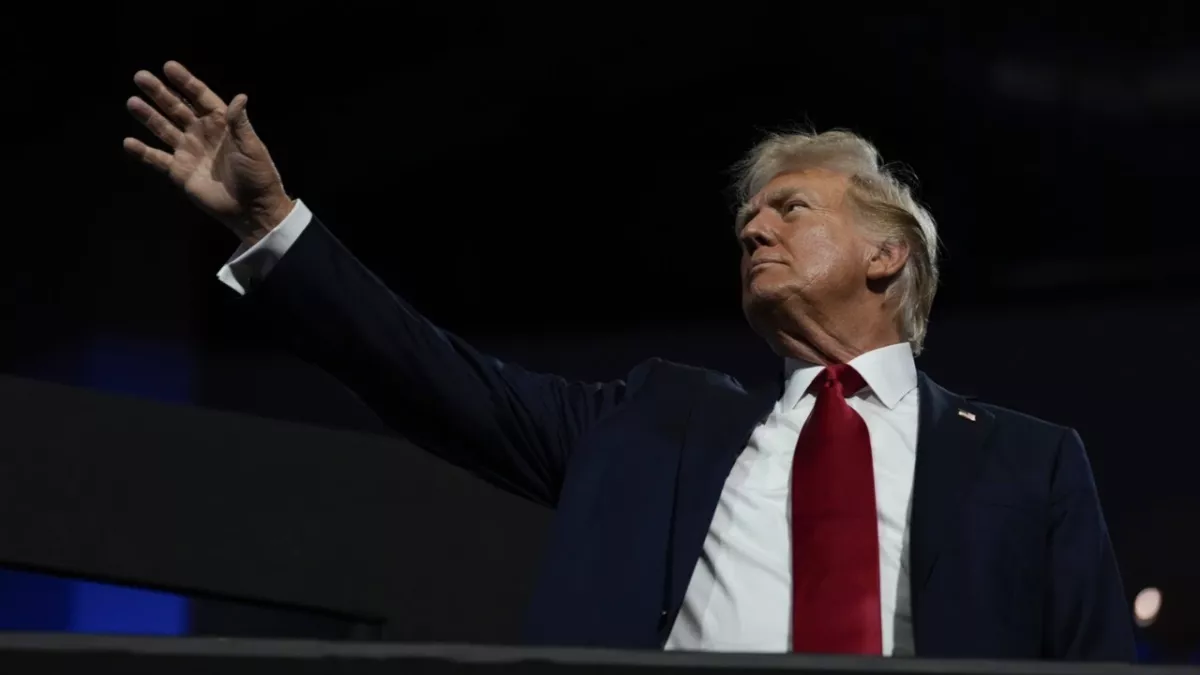
However, it can be argued that the reaction of the international community, regardless of its tone, is not a decisive factor for the United States, since—quite obviously—Washington has already predetermined its next steps in global politics. The military operation in Venezuela clearly demonstrated that the U.S. has begun a broad implementation of its National Security Strategy.
This strategically significant document is programmatic in nature and defines how the United States will use all aspects of its power—diplomatic, economic, military, and intelligence—to protect its interests. In essence, the Venezuelan operation showed that a large-scale process aimed at asserting American leadership in the Western Hemisphere, and beyond, has already been set in motion.
This is directly reflected in statements made by President Donald Trump regarding other countries. For example, following Venezuela, he did not rule out a similar scenario for Colombia.
“Colombia is very sick too, run by a sick man who likes making cocaine and selling it to the United States. And he's not going to be doing it very long,” the White House chief said aboard Air Force One.
Answering a question about whether this implies a possible operation against Colombia, Trump said, “It sounds good to me.” Speaking about Mexico, he again linked the country’s situation to the drug trafficking problem and suggested that the U.S. could increase pressure on Mexican authorities if progress in combating drug supplies is not made.
Earlier, Donald Trump also commented on the situation in Iran, where anti-government protests continue. According to him, the United States is closely monitoring events and is prepared to respond forcefully in case of violent suppression of demonstrations: “If they start killing people like they have in the past, I think they're going to get hit very hard by the United States.”
The issue of Greenland also did not escape the American president’s attention. Against the backdrop of discussions about the military operation and the capture of Nicolás Maduro, Trump stated that Venezuela might not be the last country for American intervention.
“We need Greenland,” the White House chief said, adding that the island is necessary for U.S. defence.
In the context of advancing American interests in the region, Trump also made statements regarding Ukraine: “We just hope that Russia and Ukraine get it settled. Amen. You know, it's costing us nothing. In fact, we make money because, unlike Biden, Biden gave $350 billion, gave it away. Now, I got a lot of it back because we did a rare earth deal, going into rare earth. And we're going to get a lot of that money back—maybe all of the money, maybe more than all of the money.”
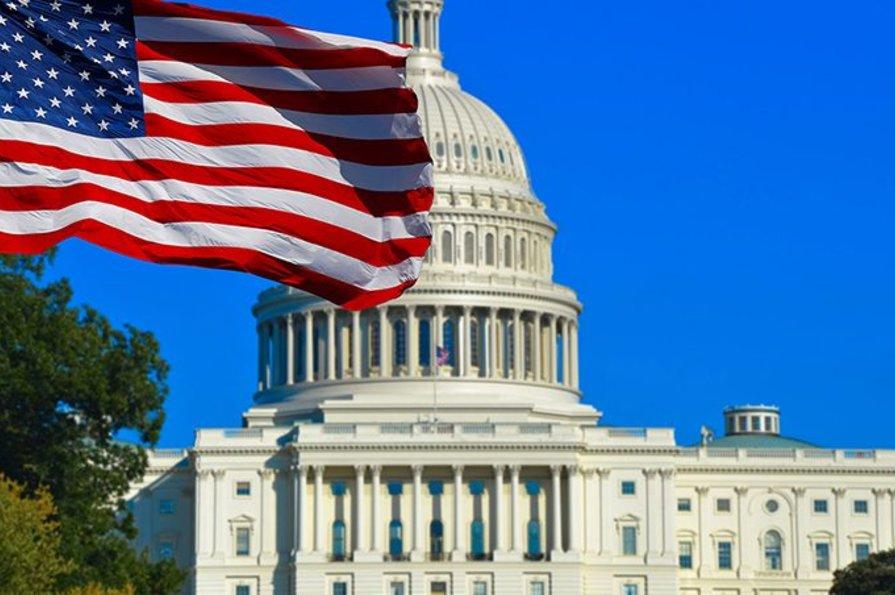
Thus, it can be stated with confidence that the actions and statements of the U.S. president are consistent with the Monroe Doctrine, built around the slogan “America for Americans,” which laid the foundation for American dominance in the Western Hemisphere. This logic also aligns with Donald Trump’s key promise to “Make America Great Again.”
However, as with everything, there is also a reverse side to the coin. The main question is how acceptable such an approach and state strategy are to Americans themselves. For example, the results of a recent YouGov poll show that U.S. society is divided in its assessment of the operation in Venezuela. According to the survey, 34% of respondents believe it will lead to an improvement in the situation in the country, while 35% expect negative consequences; 9% think the developments will have no noticeable impact, and 22% found it difficult to give an assessment.
At the same time, the views of supporters of the two leading parties diverged sharply. Thus, 54% of surveyed Democrats are convinced that U.S. actions will worsen the situation in Venezuela, while 66% of Republicans, by contrast, expect positive outcomes.
This survey reflects the opinions of only 1,000 respondents and therefore cannot be considered decisive for the country as a whole. The final answer to the question, “How satisfied is American society with the policies of the current White House administration?”, will be given at the midterm elections scheduled for November 3, 2026. Whether “America will be great again” under Donald Trump’s leadership will ultimately be decided by the American electorate— and in the not-too-distant future.







 editor@caliber.az
 +994 55 444-88-98
 Азербайджан, Баку, ул. Низами, 203, Af Business House, 5-й этаж