










Zelenskyy’s Gordian Knot Elections and referendum in Ukraine
Presidential elections and a referendum on a peace agreement with Russia are currently hot topics in Ukrainian public discourse and among the establishment, and they are also attracting attention from global media.
Recently, the influential Financial Times, citing Ukrainian and European officials, reported that Volodymyr Zelenskyy intends to announce a plan to hold presidential elections and a referendum on February 24 — the fourth anniversary of the start of Russia’s full-scale war against Ukraine.
However, during an online interaction with journalists, the President of Ukraine denied the FT report, stating literally: “This is the first time I’ve heard about the intention to announce on the 24th [of February 2026]. I probably heard it for the first time from the Financial Times. Now I’m hearing it for the second time from you. Secondly, I have spoken many times about the elections, we will proceed with the elections when we receive reliable security guarantees.”
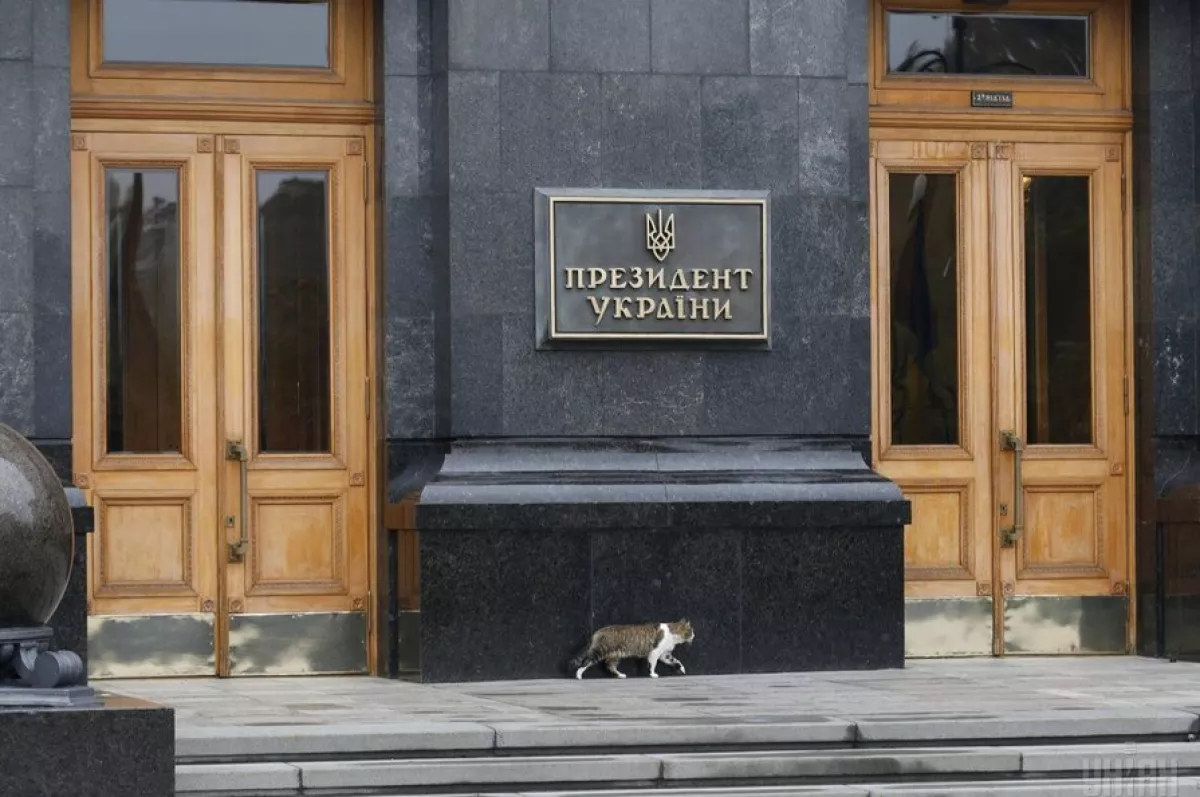
The Office of the President of Ukraine also responded to the Financial Times report, noting that it is not opposed to holding a vote, but that Ukraine must first secure guarantees of safety. Meanwhile, commenting on the issue, Olha Aivazovska, a member of the Verkhovna Rada’s group preparing for elections, stated that the start of the electoral campaign is possible at the earliest six months after the lifting of martial law in the country.
"Work in groups to develop legislation for the first post-war elections continues, but there is an understanding that a minimum of six months must pass from the end of martial law to the start of the campaign," she wrote on Facebook.
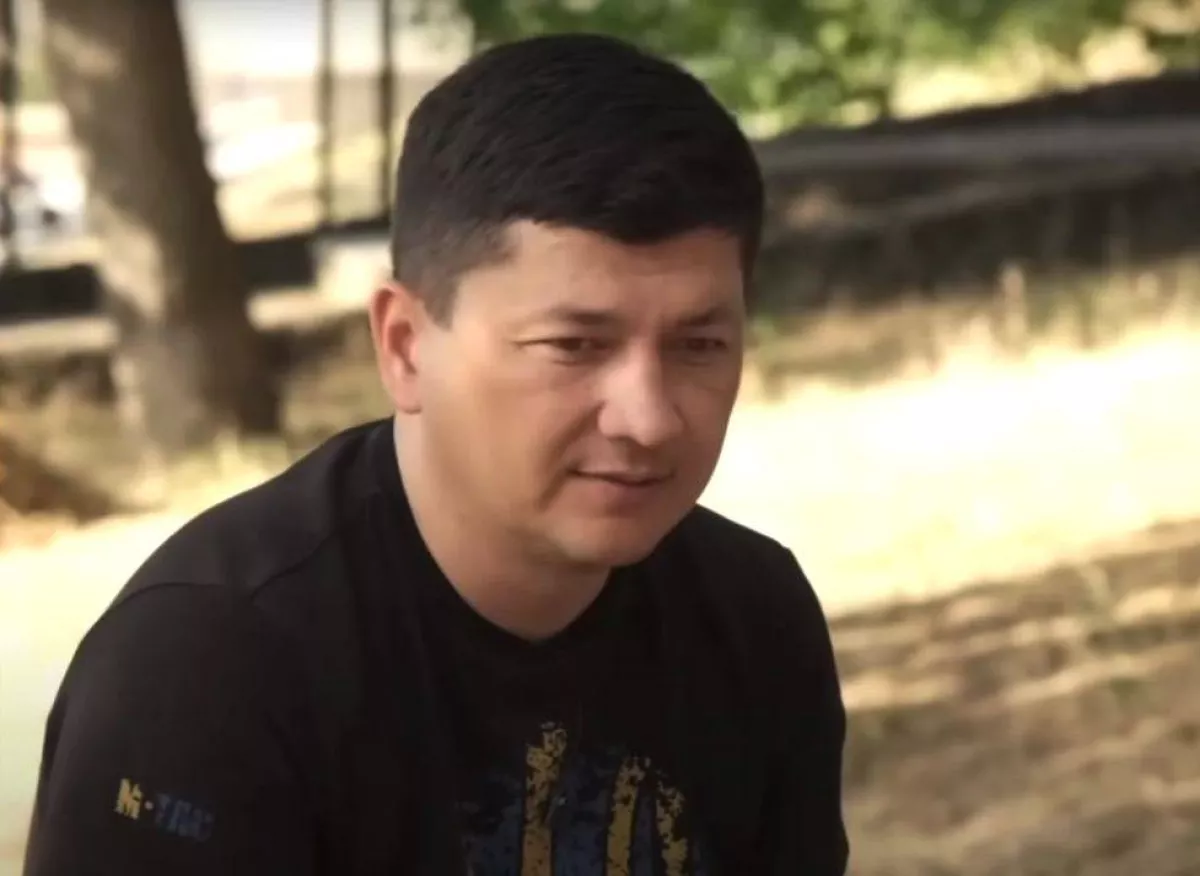
At the same time, amid this parade of denials, the head of the Mykolaiv Regional Military Administration, Vitalii Kim — widely regarded as a long-time ally of Volodymyr Zelenskyy and known never to speak without coordination with the Bankova backers— told the American publication Newsweek that the incumbent president has the highest chances of winning the presidential elections after the war, “to focus on reforms he had planned before Russia launched its full-scale invasion.”
Frankly, in light of the continuous flow of reports about the shocking scale of corruption involving Zelenskyy’s inner circle, Kim’s remarks about Zelensky’s “unfinished mission” appear at the very least grotesque. Moreover, both the head of the Mykolaiv administration, the President’s Office, Aivazovska, and Zelenskyy himself conveniently “forgot” about his previous promise to serve only one presidential term. This inevitably leads us to some very obvious conclusions.
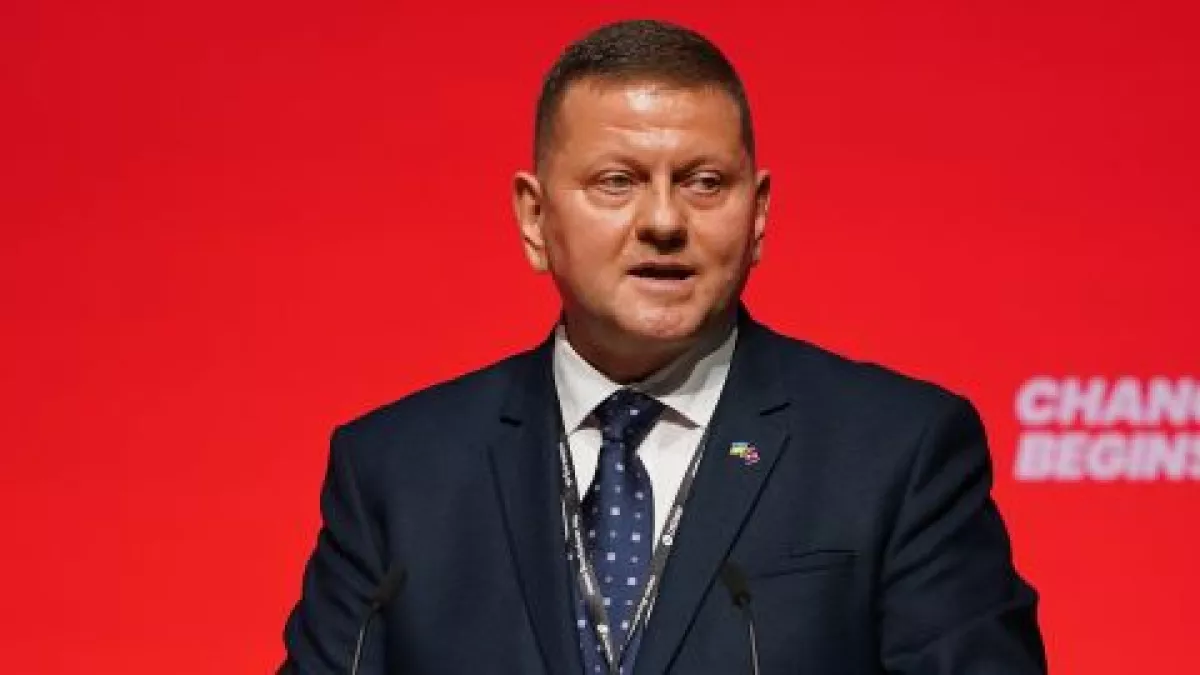
Notable in the discussion on elections and a referendum is a post by former Ukrainian MP and popular blogger Boryslav Bereza, published on his Facebook page. He drew attention to the fact that Financial Times, in its report, cites sources from the Office of the President of Ukraine — “the very same sources who previously claimed that Zelenskyy had decided to dismiss Commander-in-Chief Zaluzhnyi, strip the powers of NABU and SAP, and warned about many other developments that ultimately happened, even though at the time no one wanted to believe it.”
The blogger further rightly points out that the Bankova administration will not confirm preparations for the elections: “If anyone has already forgotten, even when Zelenskyy informed Zaluzhny of his dismissal, he sent his press secretary, Nikiforov, into the public space, who lied, claiming that no one was dismissing Zaluzhnyi. And just a week later, the official decree was issued. Forgotten? Let me remind you. Zelenskyy and his team — Yermak, Mindich, Bakanov, Shefir, and other members of this organised criminal group — fully understand what will happen to them and their assets if they lose power, and therefore will do everything to hold onto it.
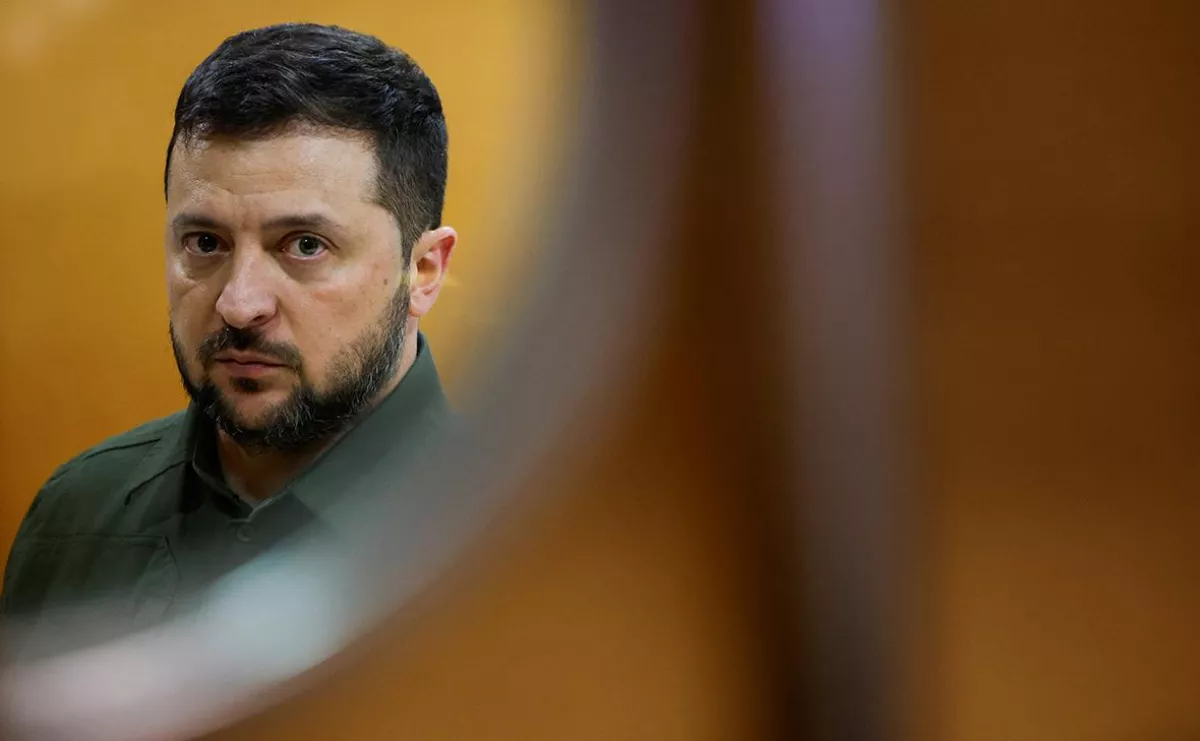
All polls show that, despite his wild desire to win, Zelenskyy is losing to all the frontrunners. Therefore, he has only two ways to secure victory — electronic voting or snap elections. In the first scenario, it would be possible to ‘fabricate’ 146%; in the second, the advantage lies in the fact that the others simply won’t have time to prepare and launch their campaigns. On the side of the authorities, there would be administrative resources, security forces, and money that was previously ‘Mindiched’ and ‘Bakanoved.’ All our partners are firmly against electronic voting in Ukraine. Therefore, the second option remains the only one in which Zelenskyy retains even the faintest chance of engineering a victory for himself,” wrote Bereza.
He also emphasised that the lack of signed agreements does not bother anyone in the President’s Office, since “Zelenskyy took on behind-the-scenes commitments regarding withdrawal from Donbas, but is looking for a way to save face.”
“That is why he needs a referendum. What to do if people massively vote against withdrawing troops from Donbas? Zelenskyy’s team does not know. Because the plan is simple — go through with it and claim that Zelenskyy himself voted against it, but the people overwhelmingly voted ‘for,’ and therefore he will be forced to uphold the will of the people, albeit very reluctantly. The showman is once again thinking not about Ukraine, but only about his own future and power.”
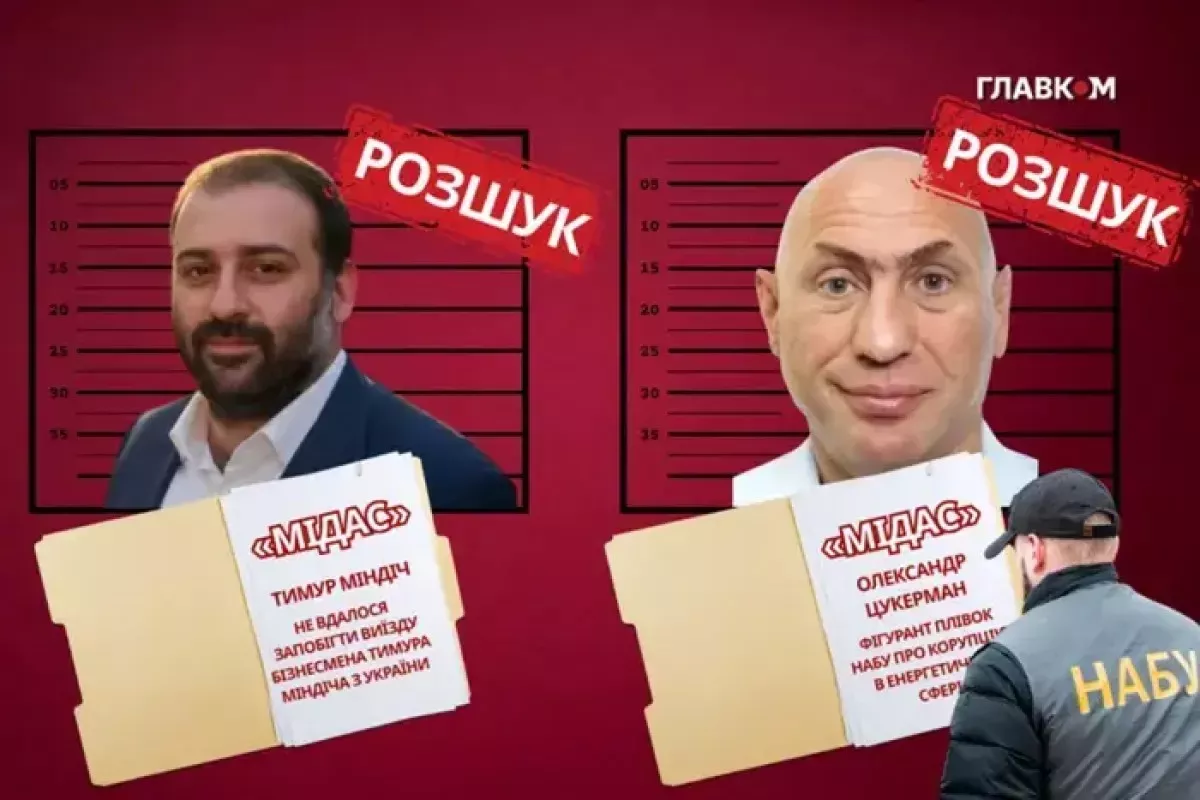
Meanwhile, Member of Parliament Geo Leros, formerly part of the Servant of the People faction, speaking in parliament, stated that the country has been divided into two parts by former Head of the President’s Office Andriy Yermak and the President himself:
“Zelenskyy has a certain Mr. Mindich, on whom he recorded all his assets and everything he amassed. Mr. Yermak has a certain oligarch, Maksym Krypa… Mr. President, I have a specific question for you. In 2019, you said that if anyone in your circle was involved in corruption, you would resign.”
The MP also noted that “the entire President’s Office is rotten through and through with corruption. Yermak secretly meets with Zelenskyy’s advisers and ambassadors — deciding how to smooth over the issue with Mindich. Mr. President, what more proof do you need to resign?”
Questions of this kind are increasingly being raised in Ukraine, louder and more frequently, which allows one to speculate about what the election results might be, regardless of when the vote actually takes place.







 editor@caliber.az
 +994 55 444-88-98
 Азербайджан, Баку, ул. Низами, 203, Af Business House, 5-й этаж