










A shield of cracked glass The EU’s fatal bet on Macron
The new U.S. National Security Strategy, which has sent shockwaves through all of Europe, appears to have prompted European officials to make hasty decisions on matters related to EU defence.
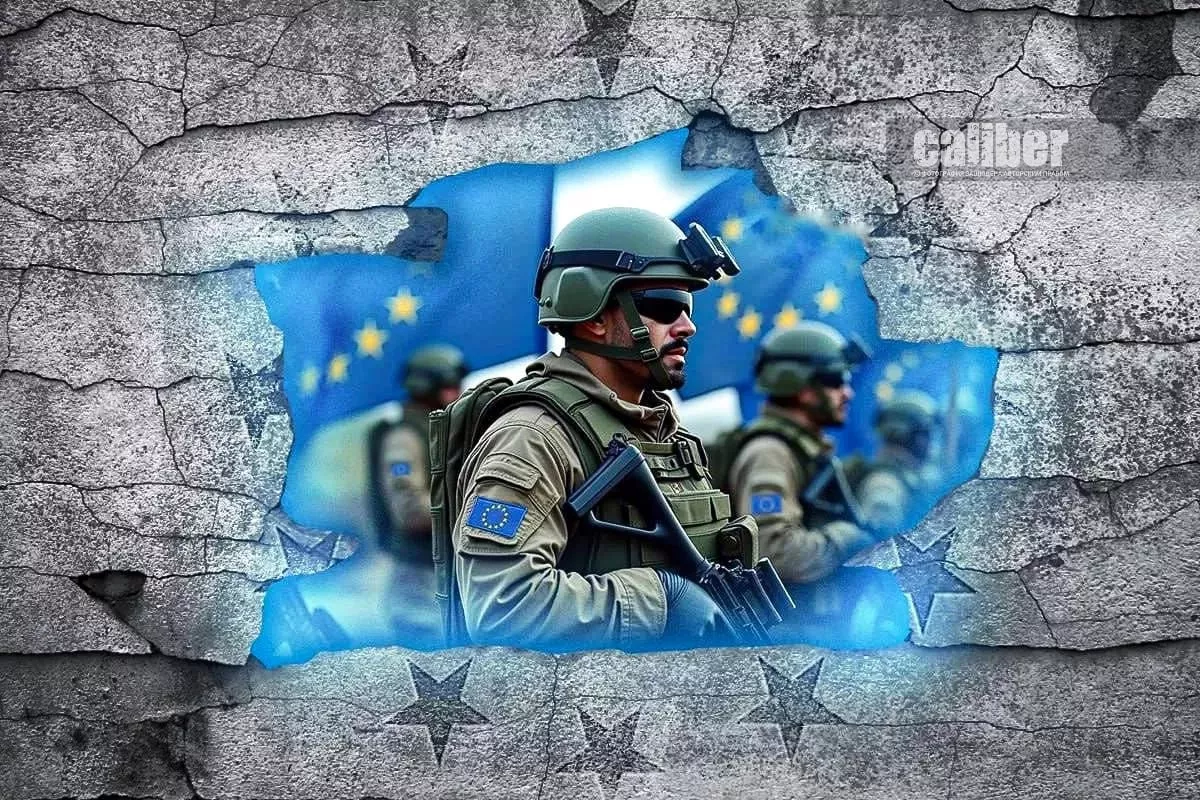
In particular, the authoritative newspaper Politico, citing European diplomats, writes that against the backdrop of the weakening role of the United States in ensuring European security, France could become the new political and military centre of Europe. The authors note that Paris possesses nuclear weapons and, according to sources, is preparing for a possible confrontation with Russia “in the next three to four years.”
In these circumstances, the French Republic is seen as a potential leader in European defence. “We need Macron to take the initiative [on European defense], who else is going to do it if not France?” an unnamed European diplomat told the publication.
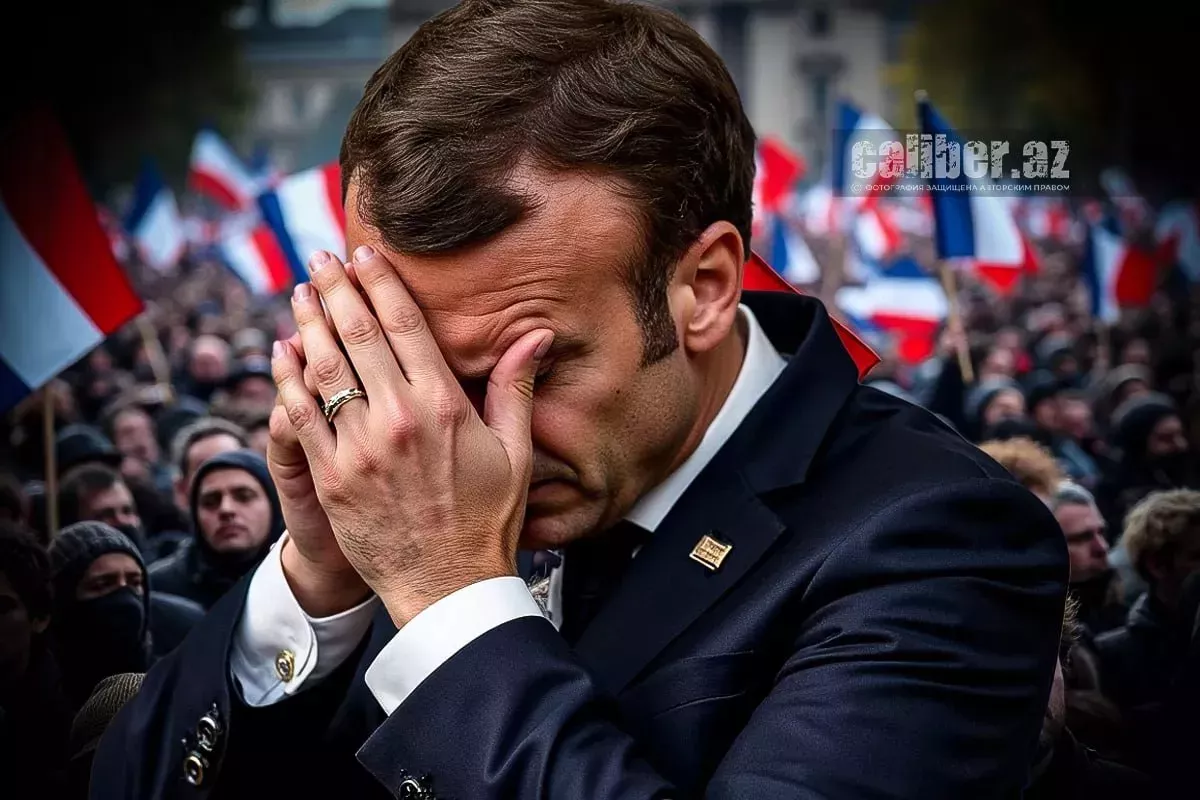
However, in our view, the European Union risks making a grave strategic mistake by placing its security hopes on Macron’s France. This concern is not unfounded and is supported by several compelling arguments and facts that call into question both Macron’s domestic and foreign policies—whose popularity has been sharply declining. In November, Politico, citing a survey by the Verian Group, reported on this downturn.
The survey highlighted that the current French president is the most unpopular in France in the past 50 years. Conducted among 1,000 respondents and published in Le Figaro, the Verian Group study showed Macron’s approval rating at just 11%—the lowest ever recorded by the firm. Other polling organisations have reported similar findings, confirming a significant drop in support for the head of the Fifth Republic.
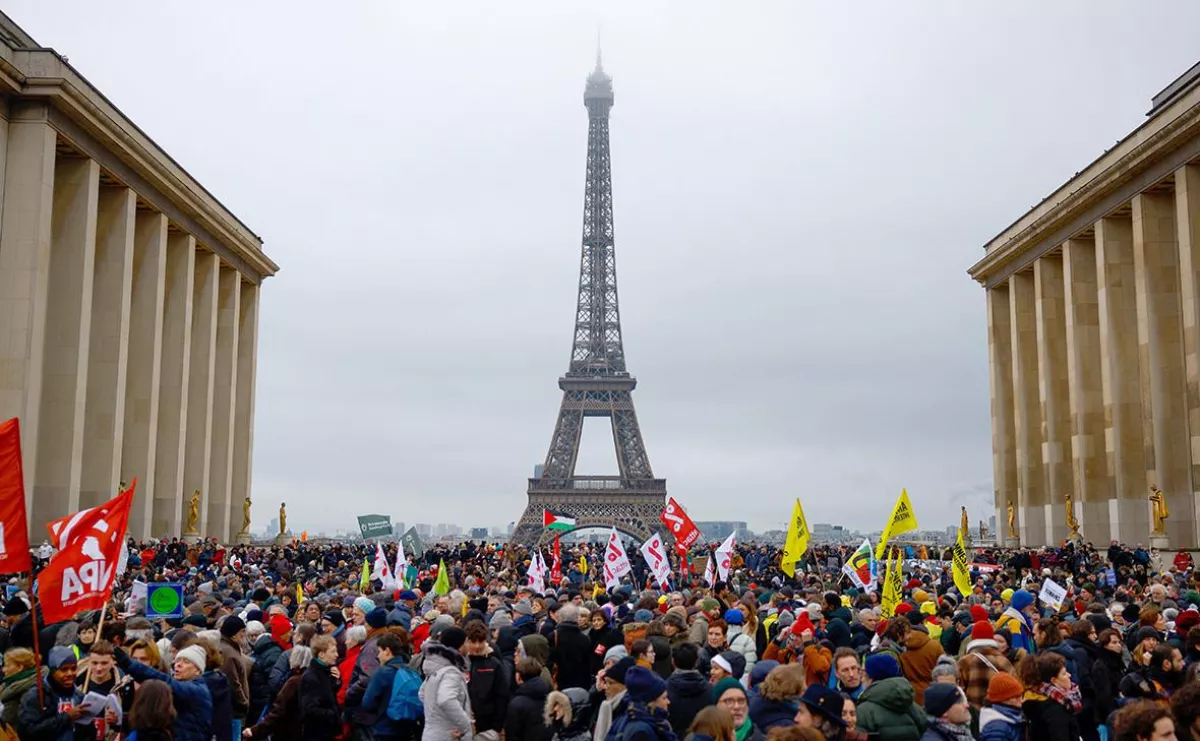
As is well known, the vast majority of French citizens lost trust in Macron after he definitively approved a reform raising the retirement age from 61 to 64. This triggered a wave of large-scale protests across the country—more than a million people took to the streets of French cities, and clashes broke out between demonstrators and the police in Paris. As a result, this Macron-led move has long been remembered by the French as one of the most disastrous steps in his domestic policy.
Macron’s reputation was further damaged by ineffective monetary and fiscal policies, which led to rising inflation in the Republic. In addition, the country’s public debt has now exceeded €3.4 trillion, amounting to 115.6% of GDP. Taken together, these serious missteps in domestic policy have plunged the country into a state of severe political turbulence.
Special attention should also be paid to Paris’s neocolonial policy, driven by Macron’s imperial ambitions, which has repeatedly ended in crushing failures on the African continent. After French troops withdrew from Mali, Niger, and Burkina Faso, the Élysée Palace began reducing its military presence in Senegal and Chad, thereby losing influence in Africa. Macron’s France also failed in its attempts to assert influence in the South Caucasus and to interfere in Azerbaijan’s internal affairs. Following the signing of the Washington agreements between Baku and Yerevan, Macron’s ambitions in the South Caucasus suffered a definitive collapse.
We believe that these facts—highlighting serious failures in both domestic and foreign policy—provide ample reason for the EU to question the choice of the Fifth Republic as the guarantor of European security.
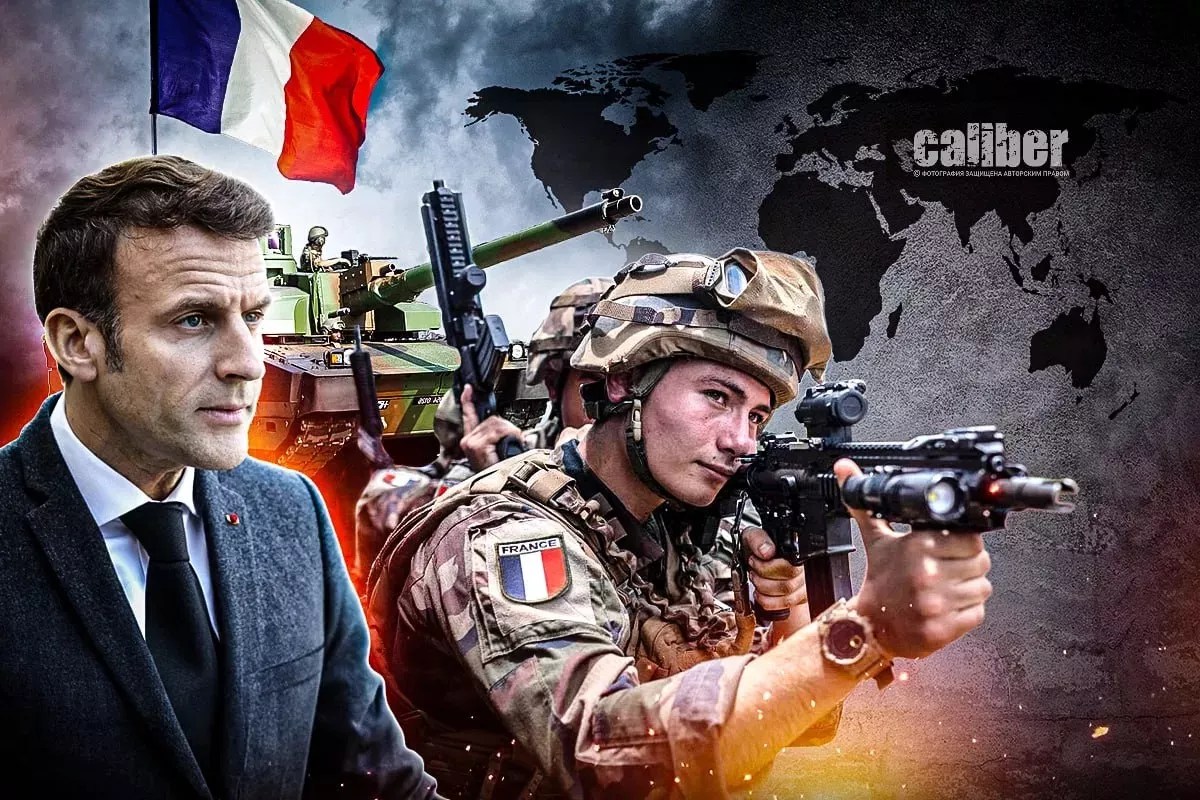
As for the European diplomats’ speculations about a potential confrontation between France and Russia in the near future, these appear highly questionable. We believe that, despite the EU’s intense ideological and diplomatic pressure on Russia over the war in Ukraine, Macron lacks the political capacity to launch a large-scale military campaign against the Russian Federation.
In conclusion, we would like to recall an event that took place in October of this year. On the 19th of that month, a robbery occurred at the Louvre in Paris. Around 9:30 a.m., half an hour after opening, criminals entered the Apollo Gallery through a window. Among other works of art, the gallery houses the royal jewels. The thieves smashed two display cases and stole eight pieces of jewellery valued at €88 million. Here, one cannot help but ask: “How can a state that fails to provide adequate security for a museum safeguarding the treasures of world civilisation ensure the safety and defence of all Europe?” In our view, the answer to this question is obvious.







 editor@caliber.az
 +994 55 444-88-98
 Азербайджан, Баку, ул. Низами, 203, Af Business House, 5-й этаж