










Aliyev in Slovakia, Pashinyan in Germany and another Ukrainian deadlock Caliber.Az weekly review
The editorial team of Caliber.Az presents the latest edition of the programme Events with Murad Abiyev.
Azerbaijan–Armenia
President of Azerbaijan Ilham Aliyev paid an official visit to Slovakia, where he held talks with the country’s President Peter Pellegrini and Prime Minister Robert Fico. The discussions focused on expanding supplies of Azerbaijani gas to Slovakia, developing transport and logistics as well as defence cooperation, high technologies, and the implementation of projects aimed at the restoration of Azerbaijan’s liberated territories. It is worth recalling that a “smart village” project is already being implemented in the Aghdam district by Slovak companies.
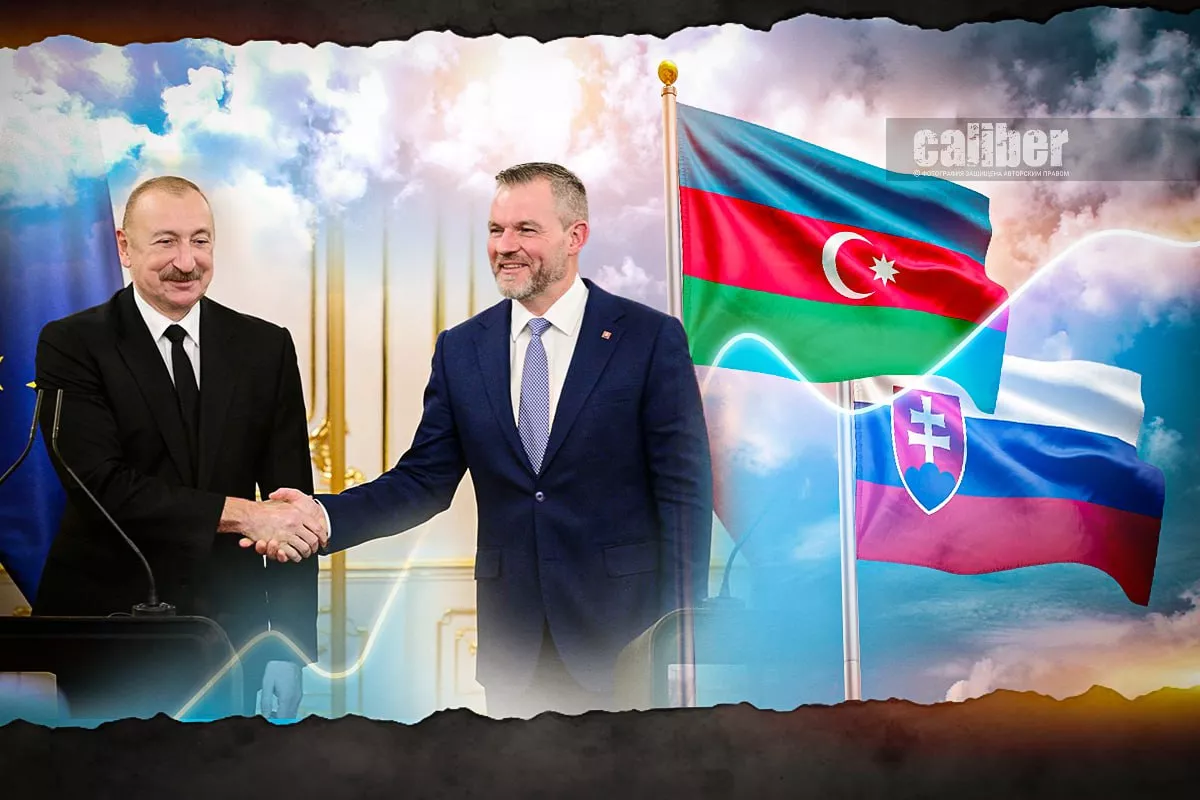
The agreements reached fully correspond to the spirit of the strategic partnership between the two countries. It should be recalled that in May last year, during Prime Minister Robert Fico’s official visit to Baku, the sides signed a Declaration on Strategic Partnership between Azerbaijan and Slovakia.
Meanwhile, Armenian Prime Minister Nikol Pashinyan visited Germany. The main outcome of the trip was the signing of a Joint Declaration on the Strategic Agenda of Bilateral Partnership, which sets out priority areas of cooperation in the economy, energy, digitalisation, education and the humanitarian sphere.
If this visit is viewed in the broader context of Armenia’s cooperation with the EU, as well as the recently signed new strategic partnership agenda between them, one important point stands out. The first EU country Pashinyan visited after concluding the agenda with the EU was not France, but Germany. In this sense, the visit also symbolises a redistribution of European influence: Germany, relying on economic pragmatism and a measured diplomatic approach, is gradually taking the initiative from France in the South Caucasus.
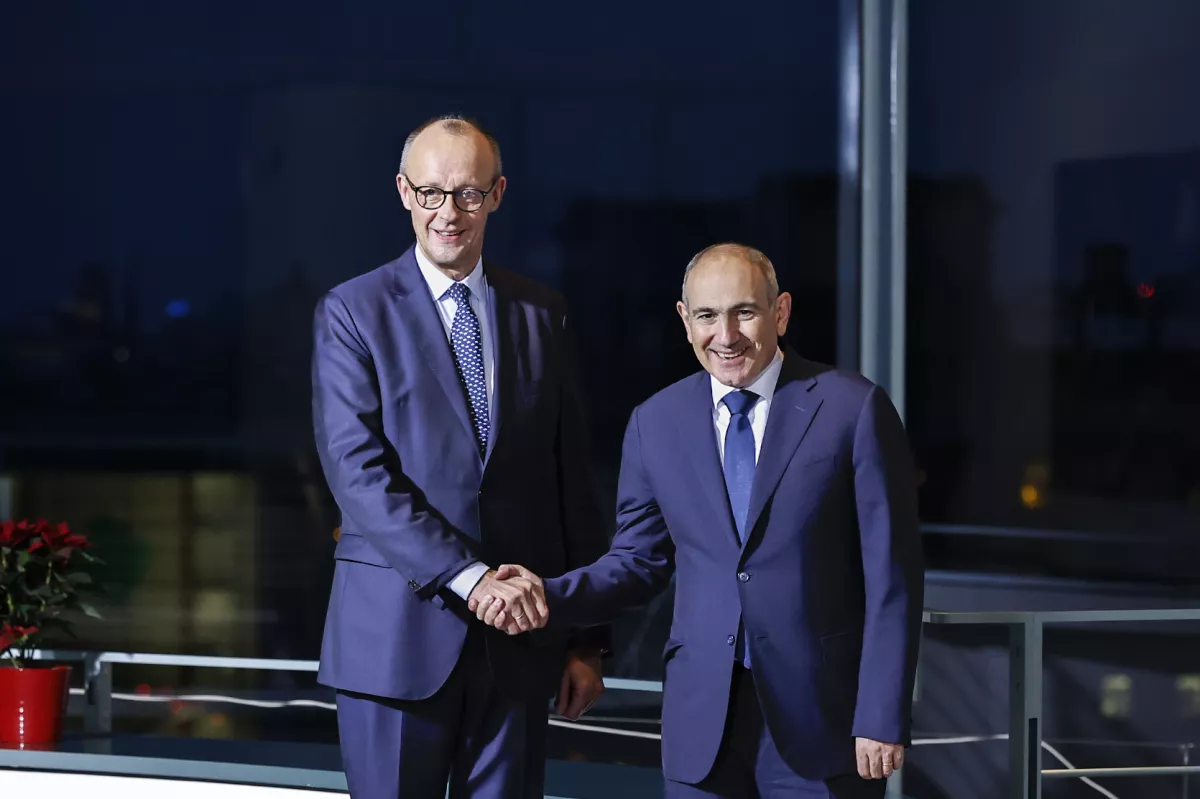
For Armenia, placing its bet on Berlin represents an attempt to adapt to a new reality in which concrete economic projects and issues of stability matter more than symbolic political support.
Overall, the visit can be assessed positively for the South Caucasus as a whole, especially given that, on the eve of Pashinyan’s trip to Germany, Chancellor Merz held a phone conversation with President Aliyev. This can be seen as a symbolic assurance that the German–Armenian talks were not directed against Azerbaijan.
Ukraine–Russia
Developments over the past week may not have brought full clarity to the settlement of the Russian–Ukrainian conflict, but they have helped to outline its contours. The new US National Security Strategy published back on December 4 also leaves little room for speculation about Washington’s position. The White House does not view Russia as an adversary and seeks to achieve strategic stability between Russia and Europe.
In this context, it becomes absolutely clear that whatever tactical elements of pressure may be applied to Russia, America’s pressure on Ukraine to make peace will be significantly stronger.
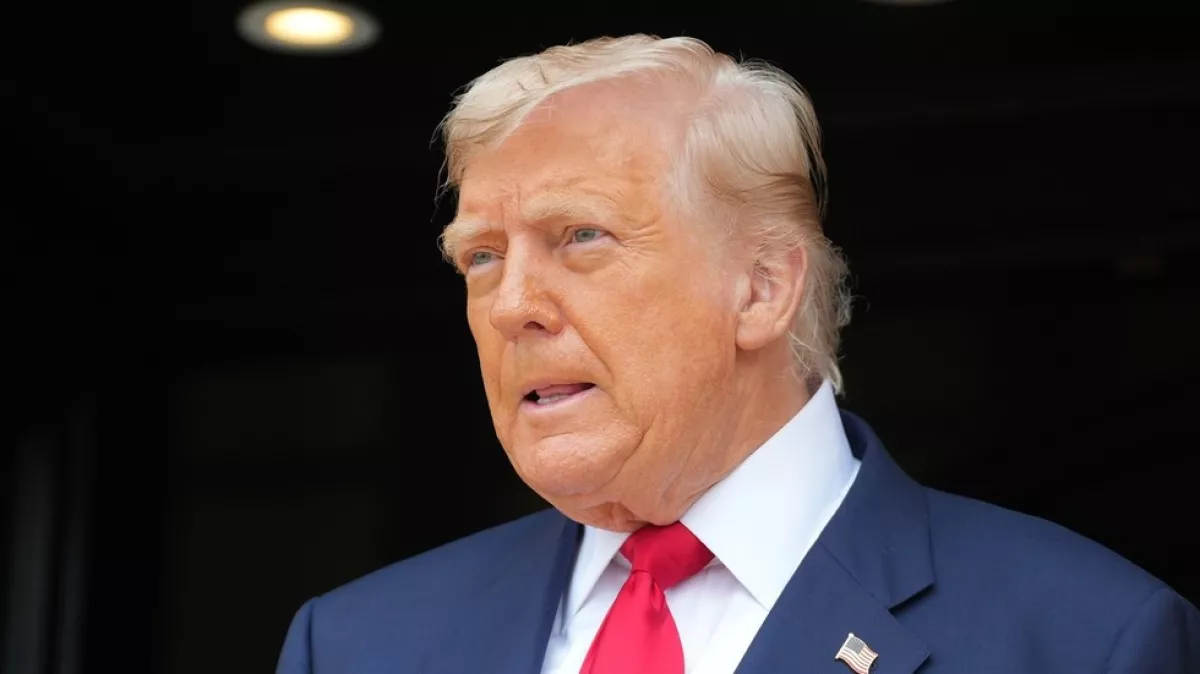
In an interview with Politico, Trump delivered yet another round of bleak assessments about Europe’s fate, effectively firing a political “coup de grâce” and leaving no room for discussion about military support for Ukraine. Not content with that, Trump once again demonstrated his stance by expressing personal irritation with the Ukrainian president, saying that he should finally read the latest version of the American peace plan. And finally, most concretely, the US president called on Kyiv to hold presidential elections.
For his part, Zelenskyy, seasoned by bitter experience, chose not to argue with Trump and agreed to hold elections, while attaching a number of conditions. In particular, he quite rightly stated that a ceasefire is necessary in order to conduct elections.
In this sense, Moscow has been left facing a dilemma. It wants to sign not a ceasefire, but a peace agreement; at the same time, it does not want to sign peace with Zelenskyy, whom it considers illegitimate. However, for Zelenskyy to step down, or for him to become legitimate in Moscow’s eyes, elections must be held — and elections require a ceasefire, not a peace treaty. This creates a vicious circle, the way out of which Moscow most likely sees only in the form of an internal upheaval in Kyiv.
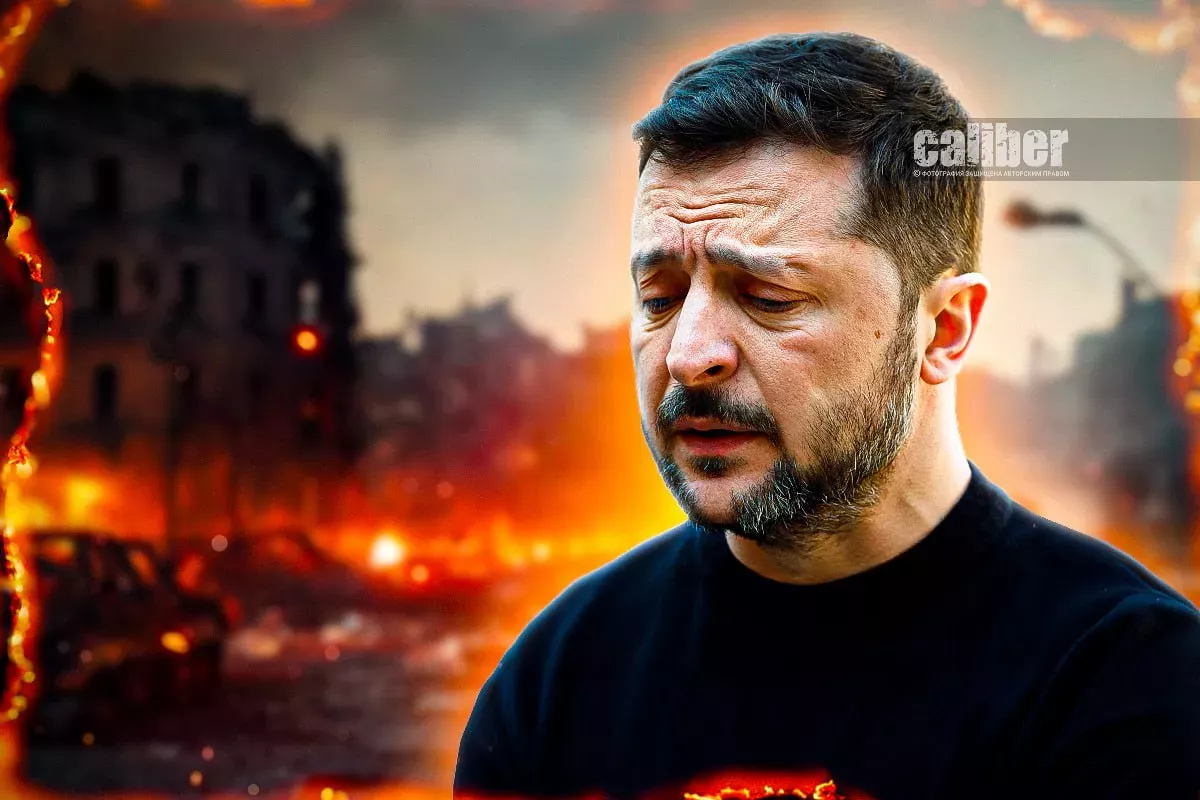
On the other hand, there are certain red lines that Washington intends to uphold, and these include preserving stability in Ukraine and preventing internal chaos. In my view, Trump does not want a Ukraine that has defeated Russia, but he also does not want a defeated, crushed and fragmented Ukraine. A reasonably strong Ukraine is one of the elements needed to build the very strategic stability between Europe and Russia that Trump is seeking. Zelenskyy understands this well and is trying to buy time while steering Trump towards a decision on Donbas that would be favourable for Kyiv.
At a press conference on December 11, Zelenskyy confirmed that Ukraine had handed Washington a new version of its peace plan consisting of 20 points. At the same time, he said that Moscow’s key demand — the transfer of the entire Donbas under Russian control — remains unacceptable for Kyiv. Meanwhile, officials in Kyiv have spoken about the possibility of a mutual withdrawal of forces to equal distances.
Be that as it may, in my view the most likely scenario in the near term is the continuation of military operations by Russia, with the aim of reaching the administrative borders of Donetsk region.







 editor@caliber.az
 +994 55 444-88-98
 Азербайджан, Баку, ул. Низами, 203, Af Business House, 5-й этаж