










Armenia between the EU and Russia The big game – high stakes
Recent developments in Armenia’s foreign policy indicate that the country’s authorities are actively pursuing the establishment of balanced relations with various states, including those on opposing sides of international divides, and this approach is beginning to take concrete shape.
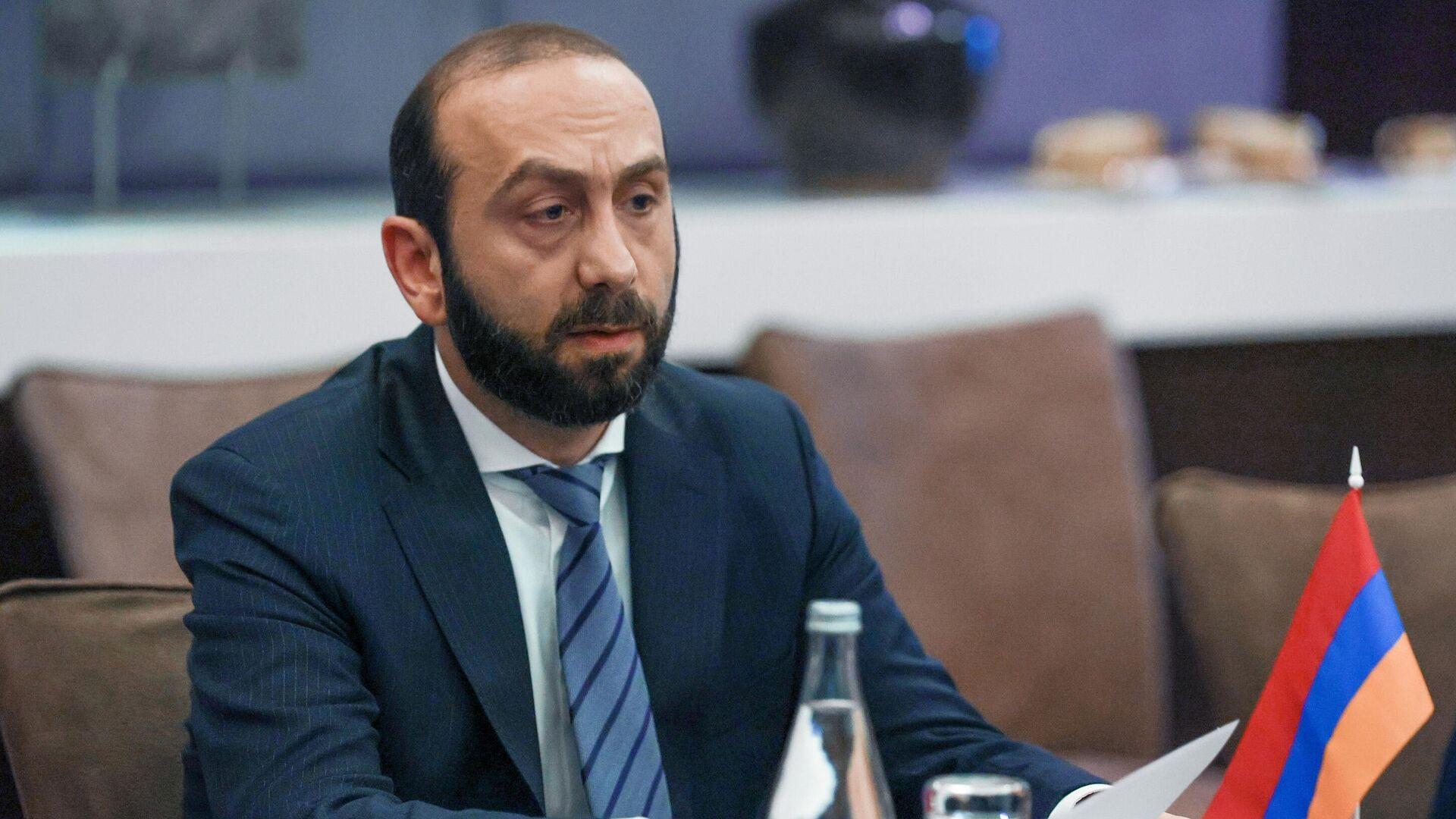
This is particularly evident from the outcomes of the 6th meeting of the Armenia–EU Partnership Council held in Brussels, where the document “Strategic Agenda for the Armenia–EU Partnership” was signed. In this context, Armenia’s Foreign Minister Ararat Mirzoyan remarked in his speech:
“…We adopted a new Armenia–EU Strategic Agenda, which complements the Comprehensive and Enhanced Partnership Agreement (CEPA) and elevates our partnership agenda to a strategic level.”
Thus, it can be stated that relations between the European Union and Armenia have entered a new phase, characterised by greater ambition and closer cooperation, as reflected in the encouraging statements of senior European officials. For instance, the EU High Representative for Foreign Affairs and Security Policy, Kaja Kallas, noted on her X microblog that the adoption of the new Armenia–EU agenda reflects a desire for closer collaboration in numerous areas—from the rule of law and economic development to cooperation on visa liberalisation and security.
It is also worth noting that financial aspects were not overlooked. At a briefing with Mirzoyan and EU Commissioner for Enlargement Marta Kos, Kallas announced that the European Union will provide Yerevan with €15 million, which, she said, will be directed “towards sustaining peace and a more resilient Armenia. This will fund a variety of initiatives, including demining training and equipment.”
In this light, the elevation of EU–Armenia relations to a new level of strategic partnership at this stage can be seen as a sign of Brussels’ carefully considered policy.
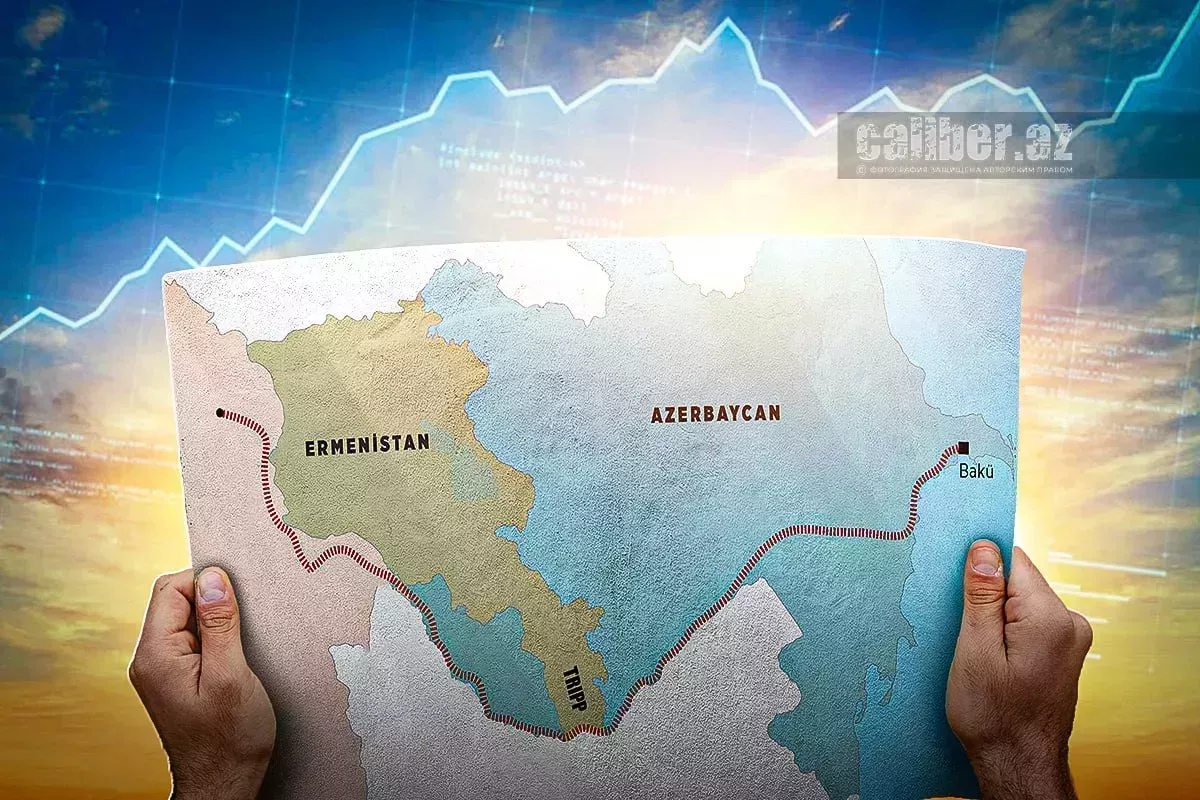
In this context, it is also worth noting the EU’s interest in the Zangezur corridor, the implementation of which was agreed upon in Washington on August 8 this year. In particular, the EU Commissioner for Enlargement, Marta Kos, pointed out that the European Union is in talks with the United States, Azerbaijan, and Türkiye regarding the possibility of its participation in the Trump Route (TRIPP) project. She clarified that the discussions concern not only the approximately 42-kilometre section but also the entire infrastructure needed to ensure connectivity in both eastern and western directions.
Notably, in October this year, the EU Ambassador to Armenia, Vassilis Maragos, also commented on TRIPP, stating that the EU is ready to invest in the Trump Route project and emphasising that the Union intends to support any infrastructure initiatives in the region. The European diplomat also highlighted the financial dimension, recalling the EU’s material commitments made in 2021, amounting to around €2.5–2.6 billion. These investments have already been directed towards several projects, including the construction of the Sisian–Kajaran highway. Funding comes from the EU budget, loans provided to the Armenian government, and contributions from partners under the Europe Team programme.
However, despite the positive picture presented, there is a flip side: Yerevan’s pro-Western course implies a further distancing from Eurasian integration projects under Moscow’s moderation, a point that both Russia and the EU periodically emphasise.
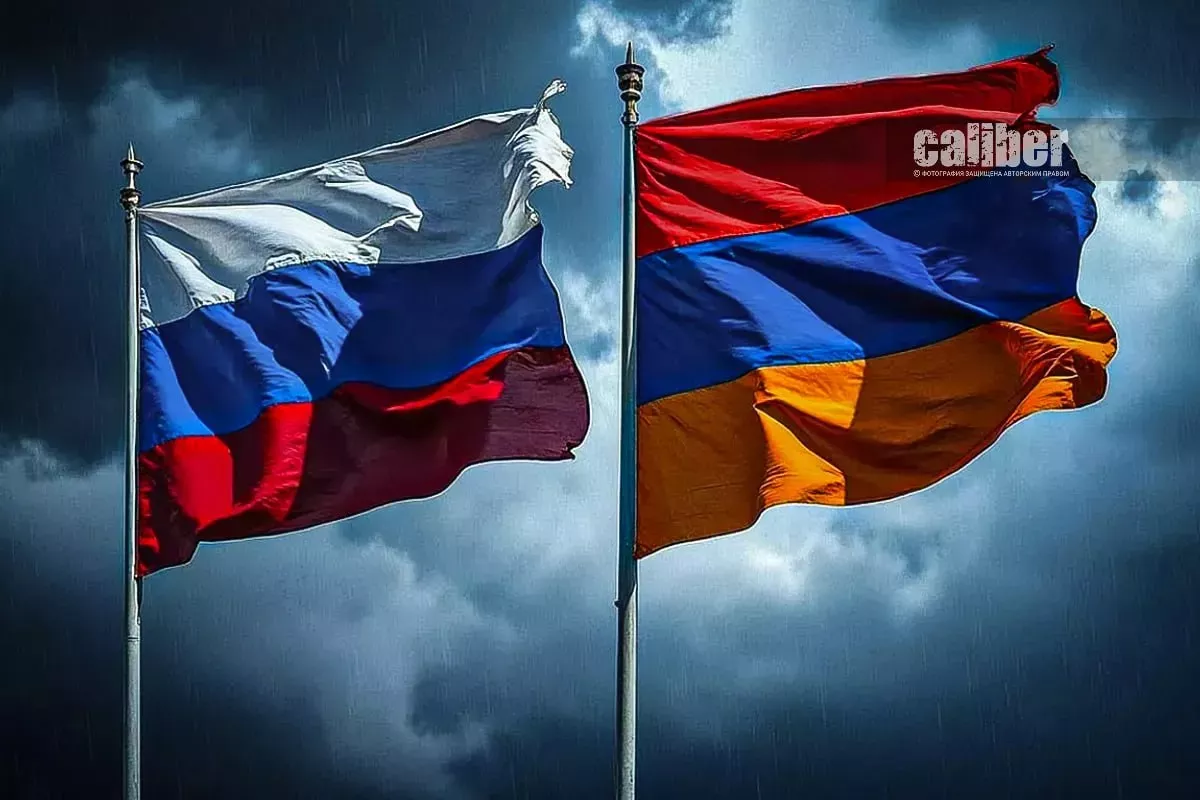
In particular, Moscow has repeatedly stated that Armenia cannot simultaneously belong to both the Eurasian Economic Union (EAEU) and the European Union. Notably, Russian Deputy Prime Minister Alexey Overchuk emphasised in categorical terms that Armenia’s rapprochement with the EU would inevitably lead to a rupture in relations with Russia due to the incompatibility of fundamental principles. In addition, Russia has repeatedly warned its former outpost in the South Caucasus at the highest levels about the “consequences” of a shift in foreign policy orientation, citing Ukraine as an example.
The European Union, for its part, also does not wish to see its political rival, Russia, assert influence in the South Caucasus, as was stated in Brussels.
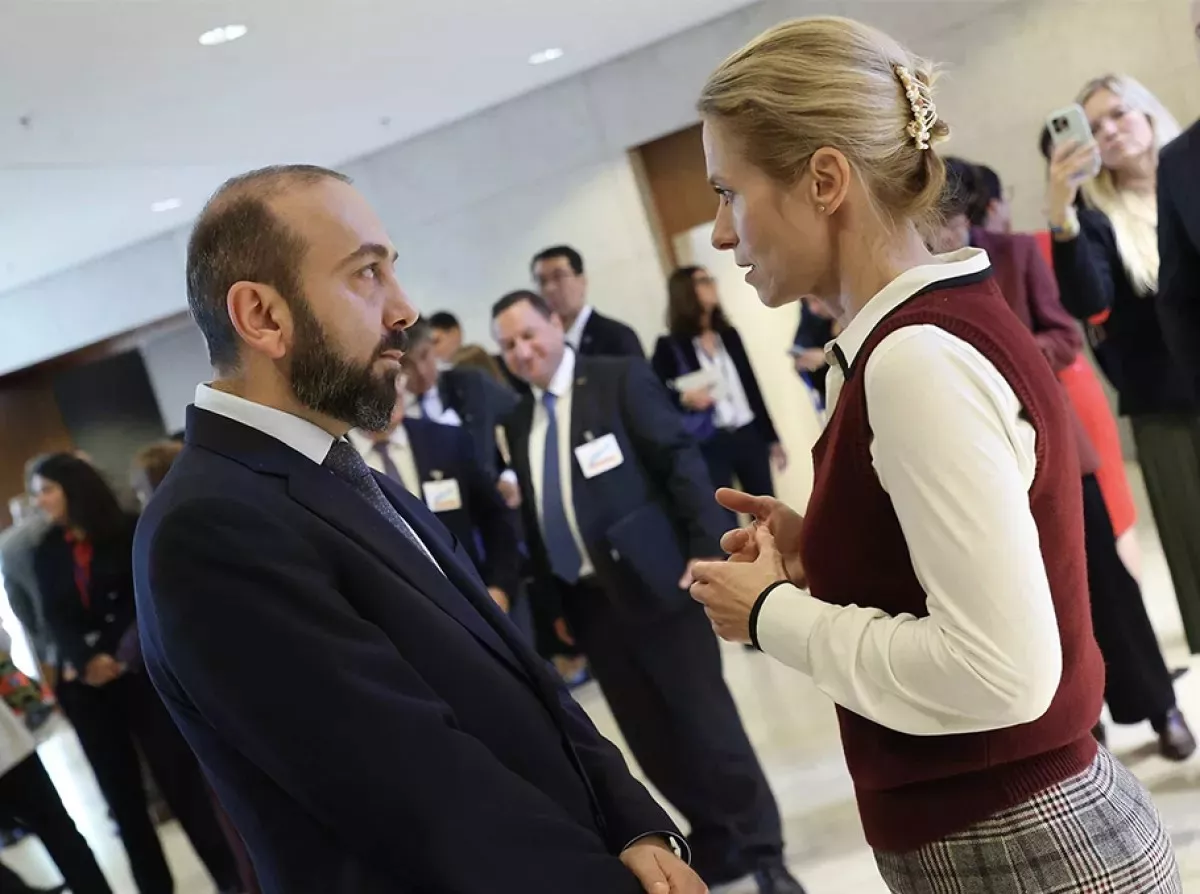
EU High Representative Kaja Kallas called on Armenia to join the “difficult sanctions” imposed by the EU on Russia:
"The world order is clearly changing, and that's why the strategic alignment of the common foreign and security policy for our partners is extremely important with whom you really are. Right now,I mean, also Armenia's alignment is 37%. So yes, the sanctions that we have put on Russia are, of course, difficult, but we also ask this from our partner countries because we all want this war to end."
Meanwhile, Commissioner Marta Kos effectively promised Yerevan support in countering hybrid threats: "The European Union (EU) will support Armenia in countering potential hybrid threats ahead of the parliamentary elections scheduled for the summer of 2026, as well as in strengthening cybersecurity."
It is not difficult to understand to whom this statement is directed.
Thus, taking all of the above into account, the conclusion is clear: Yerevan must recognise that each side pursues its own interests, so as not to turn the South Caucasus into a battleground for “rival friends.”







 editor@caliber.az
 +994 55 444-88-98
 Азербайджан, Баку, ул. Низами, 203, Af Business House, 5-й этаж