










Armenia–Türkiye border and the new regional reality Is Yerevan ending Russia’s influence?
A review of recent developments and statements by Armenian officials suggests that the country’s leadership is moving to fully end Russia’s military presence on its territory.
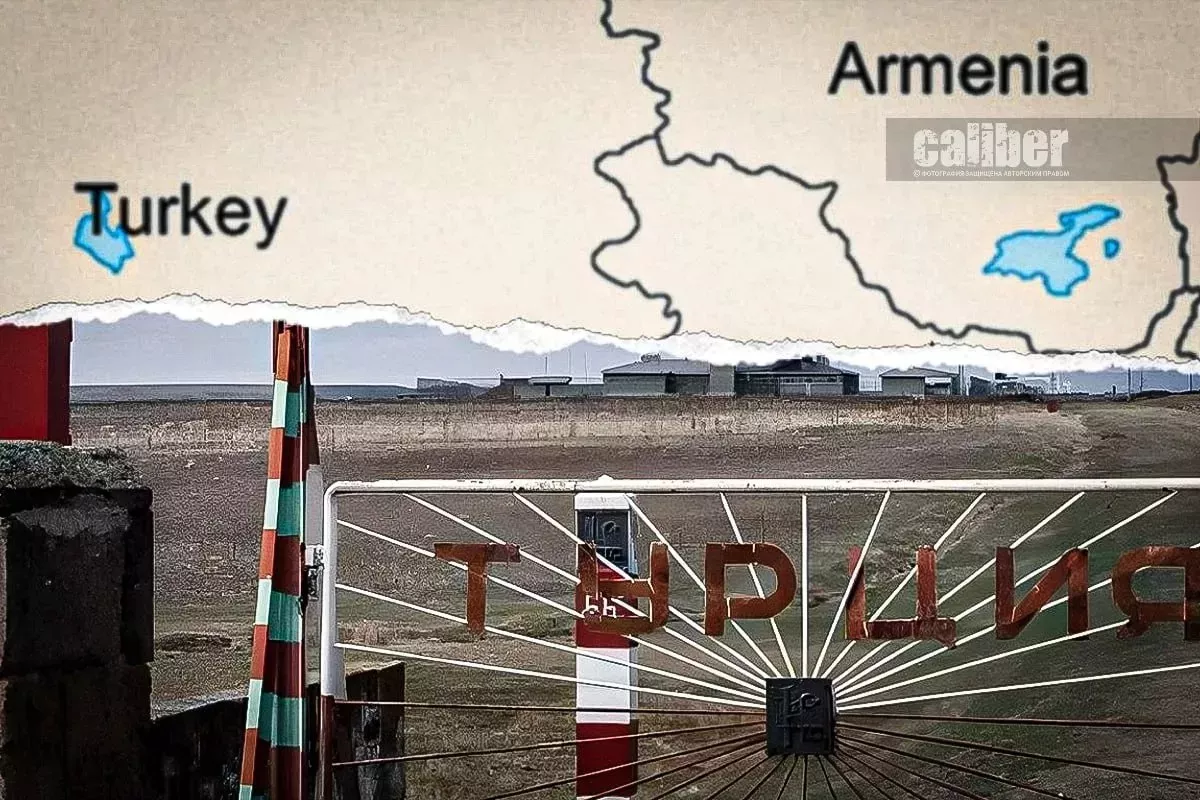
Armenian media recently reported that the government has decided to withdraw Russian border guards from the Akhurik outpost on the border with Türkiye. A flagpole has already been installed at the site, signalling the formal transition.
The withdrawal of Russian border guards is a key turning point in Armenia–Russia relations. This move is part of a broader process that began in the summer of 2024. In July of that year, at Armenia’s request, Russian border guards left Zvartnots International Airport after more than 30 years of service. The handover protocol was signed by Armenia’s Border Troops Commander Edgar Hunanyan and the head of the FSB Border Directorate in Armenia, Lieutenant General Roman Golubitsky.
Undoubtedly, against the backdrop of Yerevan’s active rapprochement with the West, this move by the Armenian authorities sends a decidedly uncomfortable signal to the Kremlin. It seems likely that Moscow will seek every possible avenue to preserve its, albeit considerably weakened, influence in Armenia. For instance, Russia has recently expressed interest in joining the TRIPP project—a section of the Zangezur Corridor passing through Armenian territory—indicating that Moscow not only wants to remain an active participant in key political processes in the South Caucasus but also aims to secure economic benefits alongside the United States and other interested actors. This represents the first key point.
The second aspect of this development is equally noteworthy. Considering Türkiye’s recent activity, including the commencement of construction near the Margara checkpoint, it cannot be ruled out that the withdrawal of Russian border guards from the Akhurik outpost is linked to plans to reopen the Armenia–Türkiye border. Indirect confirmation of this comes from Armenian media reports indicating that a technical assessment of the railway line toward Türkiye is currently underway.
In this context, following the historic meeting between the leaders of Azerbaijan and Armenia at the “Number One Office in the World,” certain conditions have emerged for normalising Armenia–Türkiye relations. Official Yerevan has recently been actively advancing the initiative to reopen the border between the two countries.
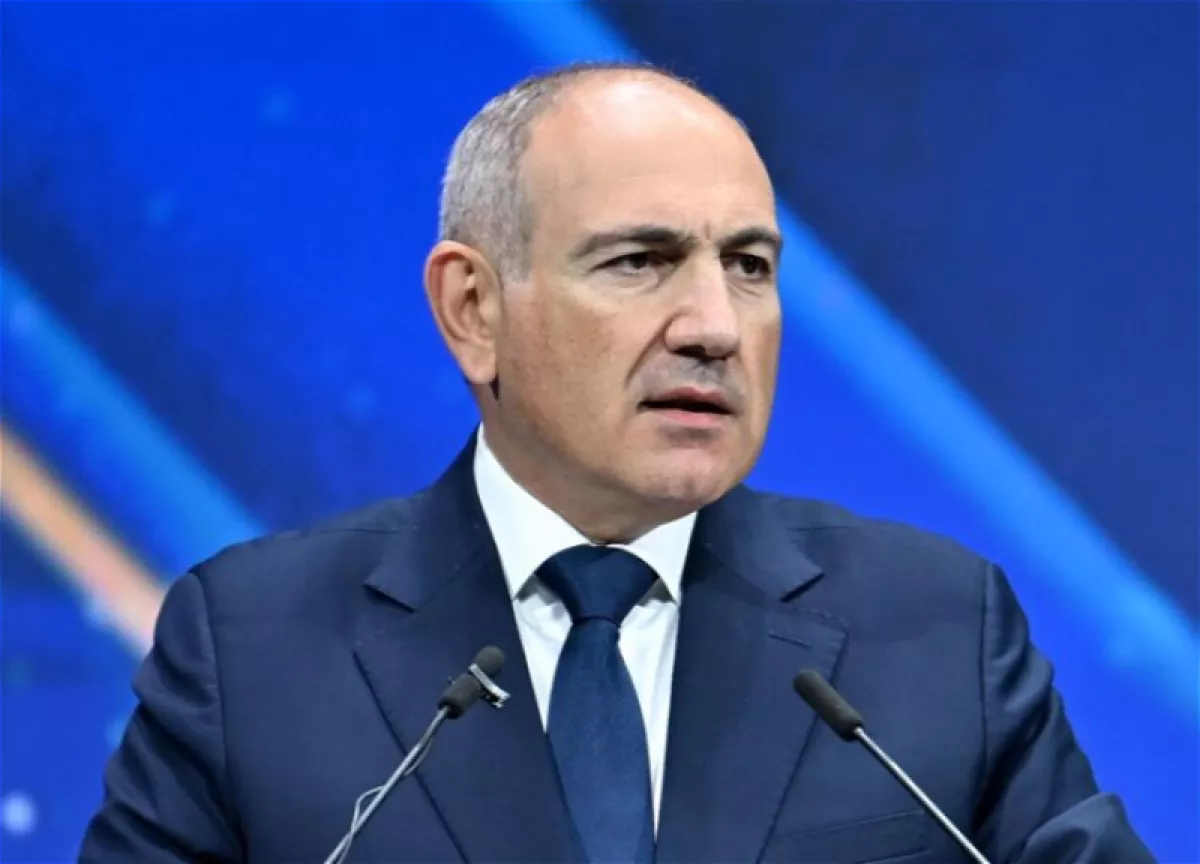
For example, Prime Minister Nikol Pashinyan, at the 5th “Silk Road” Forum in Tbilisi, spoke about the potential opening of the Armenia–Türkiye border in the near future and stated that Yerevan is ready to facilitate bilateral transit: “Starting today, we are ready to ensure the transit of goods from Türkiye to Azerbaijan and from Azerbaijan to Türkiye through Armenian territory.”
Pashinyan also indicated during the “Leadership at the Crossroads” forum at the 8th Paris Peace Forum in October of last year that establishing diplomatic relations with Türkiye and opening the border is only a matter of time.
“I think it will happen. How quickly is another matter. I think we are approaching the moment when we will have full diplomatic relations, open borders, economic and political cooperation, and we will be normal neighbours. I am confident that this moment is approaching, but I don't know exactly when,” he said.
He expressed similar sentiments in December 2025 during his visit to the German Council on Foreign Relations in Berlin as part of his trip to Germany.
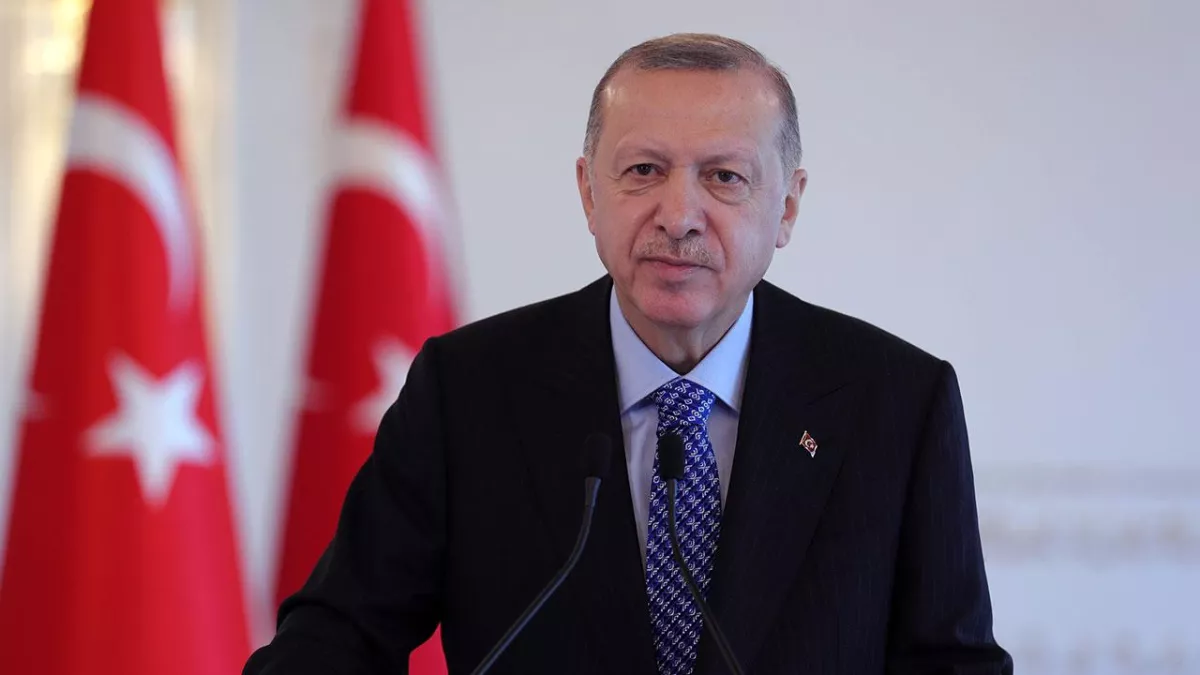
However, one crucial factor should not be overlooked. As repeatedly stressed by the President of Türkiye, Recep Tayyip Erdoğan, the reopening of the Armenia–Türkiye border can only be realised once Yerevan and Baku sign a peace agreement.
This position was recently reaffirmed by Türkiye’s Foreign Minister, Hakan Fidan, during a parliamentary commission session on plans and budgets. He stated: “If Türkiye normalises relations with Armenia before a peace agreement is concluded, Yerevan will lose a key incentive to complete negotiations with Baku. And we do not want a frozen conflict in the South Caucasus.”
In this way, the Turkish top diplomat sent a clear message to the Armenian leadership: the government in Yerevan must meet Baku’s core demand—amending the Armenian constitution, which still contains territorial claims on Azerbaijani lands.

In conclusion, it can be inferred that Armenia, while asserting its sovereignty through closer ties with the West and the gradual reduction of Russian influence, must now make even greater efforts to finalise a peace agreement with Azerbaijan. Such a development would not only pave the way for the reopening of borders and transit routes but also provide stability and security in the South Caucasus—a foundation widely recognised as essential for regional economic prosperity.







 editor@caliber.az
 +994 55 444-88-98
 Азербайджан, Баку, ул. Низами, 203, Af Business House, 5-й этаж