










Azerbaijan delivers verdicts over Karabakh occupation Justice in defiance of pressure
Today, on February 5, the Baku Military Court announced the verdicts in a case that will go down in history not only for Azerbaijan but also for modern jurisprudence in the field of war crimes and crimes against humanity.
Armenian citizens Araik Harutyunyan, Levon Mnatsakanyan, David Manukyan, Davit Ishkhanyan, and David Babayan were sentenced to life imprisonment. Arkadi Ghukasyan and Bako Sahakyan, taking their age into account, were sentenced to 20 years in prison; Madat Babayan and Melikset Pashayan received 19 years each; Garik Martirosyan was sentenced to 18 years; David Allahverdyan and Levon Balayan received 16 years each; and Vasili Beglaryan, Gurgen Stepanyan, and Erik Ghazaryan were sentenced to 15 years in prison.
The court found them guilty of crimes against peace and humanity, war crimes—including the planning and waging of an aggressive war—genocide, violations of the laws and customs of war, as well as terrorism, financing of terrorism, and the violent seizure and unlawful retention of power. Yet behind these legal formulations lies something far more significant: the completion of a thirty-year cycle in which Azerbaijan has travelled the path from a country subjected to aggression to a state that has restored not only its territorial integrity, but justice in its fullest sense.
Modern history offers examples in which conflicts have ended with the victory of one side or with political compromises formalised in agreements. It also records cases where international tribunals or special courts examined the crimes of war criminals only after the international community had intervened in the settlement process. What is virtually unknown, however, are instances in which a state, acting on its own and without relying on international actors, has not only restored sovereignty over territories liberated from occupation, but has also carried the process through to genuine judicial prosecution of specific individuals responsible for crimes against its people. Azerbaijan has done precisely this, and that is the uniqueness of the moment we are witnessing.
When the President of Azerbaijan, Ilham Aliyev, even before the start of the Patriotic War, expressed confidence that sooner or later those who committed the Khojaly genocide would face justice and receive due punishment, and that the blood of our martyrs would be avenged, some around the world perceived these words as rhetoric—inevitable in the context of an unresolved conflict. Political leaders often make promises to their people, especially when it comes to justice and retribution for suffering endured. However, the gap between a promise and its fulfilment is usually vast, and history abounds with cases where justice was sacrificed to pragmatism, where perpetrators escaped accountability for the sake of a fragile peace or under pressure from external actors. President Ilham Aliyev stands as a rare example of a leader who not only kept his word, but also built an entire strategy to achieve it—one that unfolded over years and required the consistent overcoming of numerous obstacles.
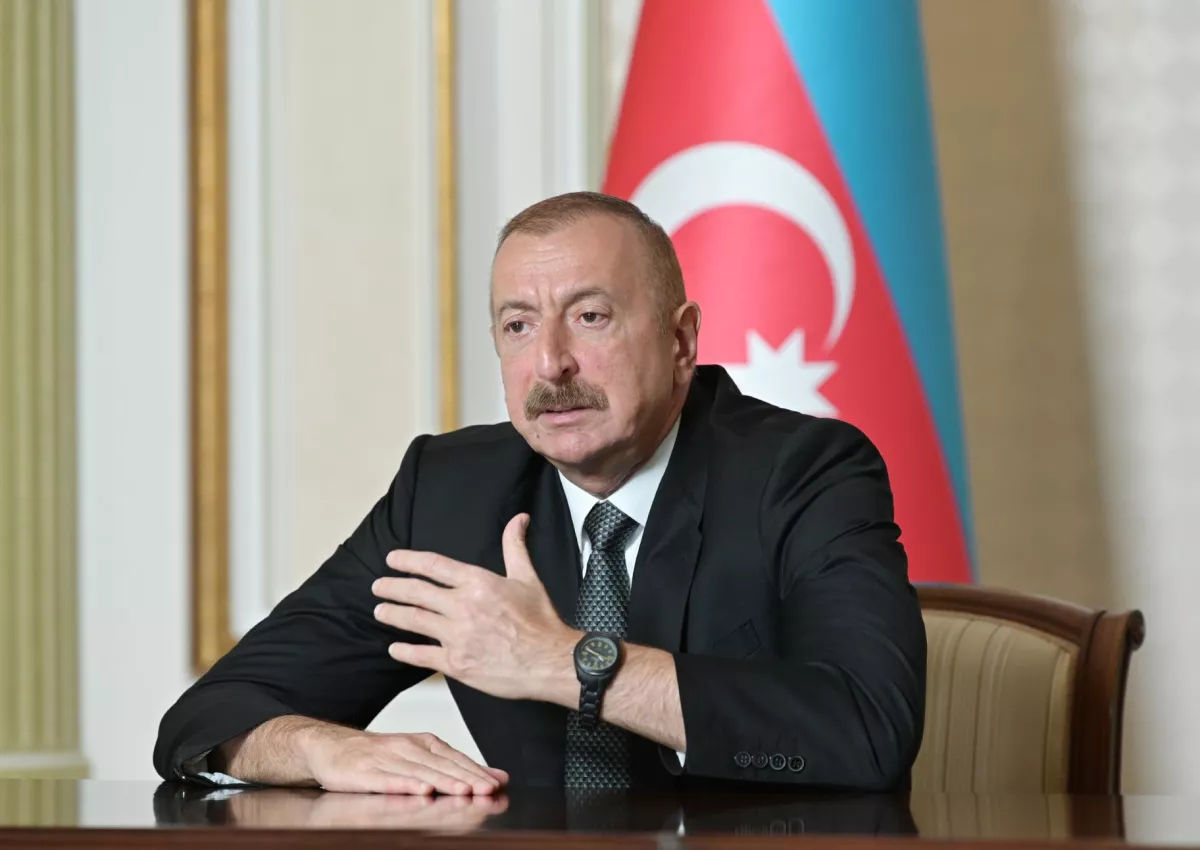
The forty-four days of the Patriotic War in the autumn of 2020 changed the region’s military and political landscape, but they marked only the beginning of the process of restoring justice. The trilateral statement of November 10 formalised a new reality; however, the occupation formally continued, as foreign armed forces remained on Azerbaijani soil. Over the following three years, Baku methodically created the conditions for the full restoration of sovereignty, employing diplomatic instruments wherever possible and resorting to force where diplomacy ran up against the wall of Armenian unwillingness to recognise the new realities. The anti-terrorist operation of September 2023 completed what had not been finished in 2020, and only after that did it become possible to speak of the judicial prosecution of those who had created and sustained the occupation regime for three decades.
The proceedings, which began in January 2025, predictably provoked a reaction in certain Western capitals and human rights organisations from the outset. Accusations were voiced of political motivation, of using justice as an instrument of revenge, and of violations of international norms. The pressure was serious, and for many countries—especially those whose foreign policy is traditionally built around seeking approval from Western partners—this would have been sufficient grounds to retreat or at least soften their stance. Baku did not retreat. The process continued in an open format, with full observance of all procedural norms: the defendants were given access to legal counsel, and testimonies and evidence were presented publicly. It was precisely during this process that what the Azerbaijani side had asserted for all these years—and what the Armenian side had consistently denied—was brought to light.
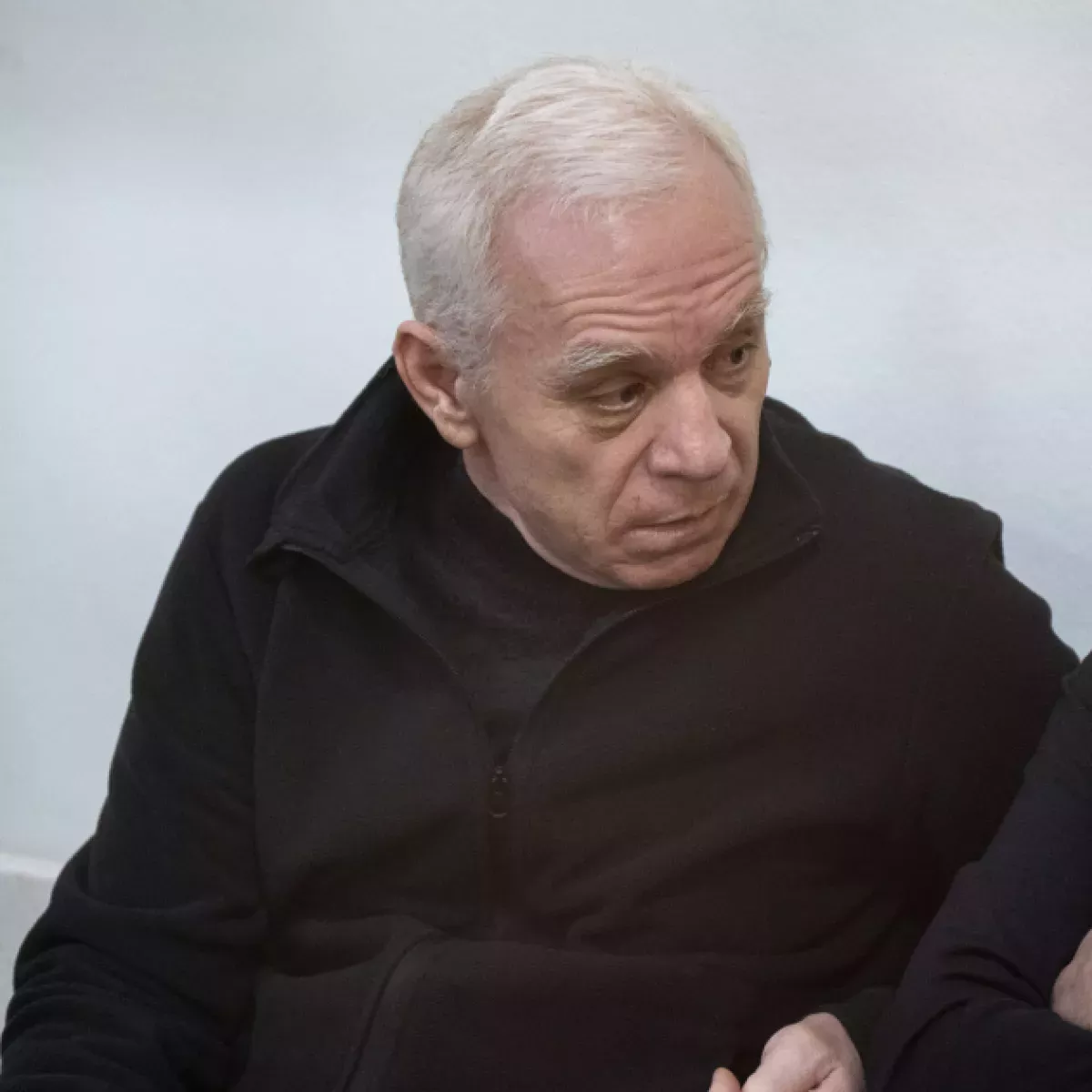
The testimony of Levon Mnatsakanyan became a moment of truth. The former “defence minister” of the Karabakh junta openly acknowledged what Yerevan had long sought to conceal behind the fiction of an independent separatist entity. The so-called “Nagorno-Karabakh army” was never an independent military formation. It was, in fact, the largest unit of the Armenian armed forces: its command staff was appointed in Yerevan, its supply and financing were provided through the Armenian state military budget, and its operations were coordinated by the Armenian General Staff.
In legal terms, this means the direct responsibility of the Republic of Armenia for all actions carried out by these forces in the occupied territories. Not an abstract responsibility for supporting separatists, not indirect involvement in the conflict, but precisely the direct responsibility of an aggressor state for occupation, genocide, urbicide, and ecocide.
This moment is significant not only for Azerbaijani–Armenian relations. It establishes a precedent that may prove relevant to many other conflicts in which one state seeks to disguise its aggression behind the façade of supporting the “self-determination” of some ethnic group on the territory of a neighbour. International law has long developed the concept of state responsibility for aggression, but in the practice of recent decades it has often been blurred through the use of proxy structures—formally independent, yet in reality controlled, supplied, and directed by a patron state. For three decades, Armenia played precisely this game, insisting that Karabakh was an independent entity exercising a right to self-determination. Mnatsakanyan’s testimony completely dismantled that construction.
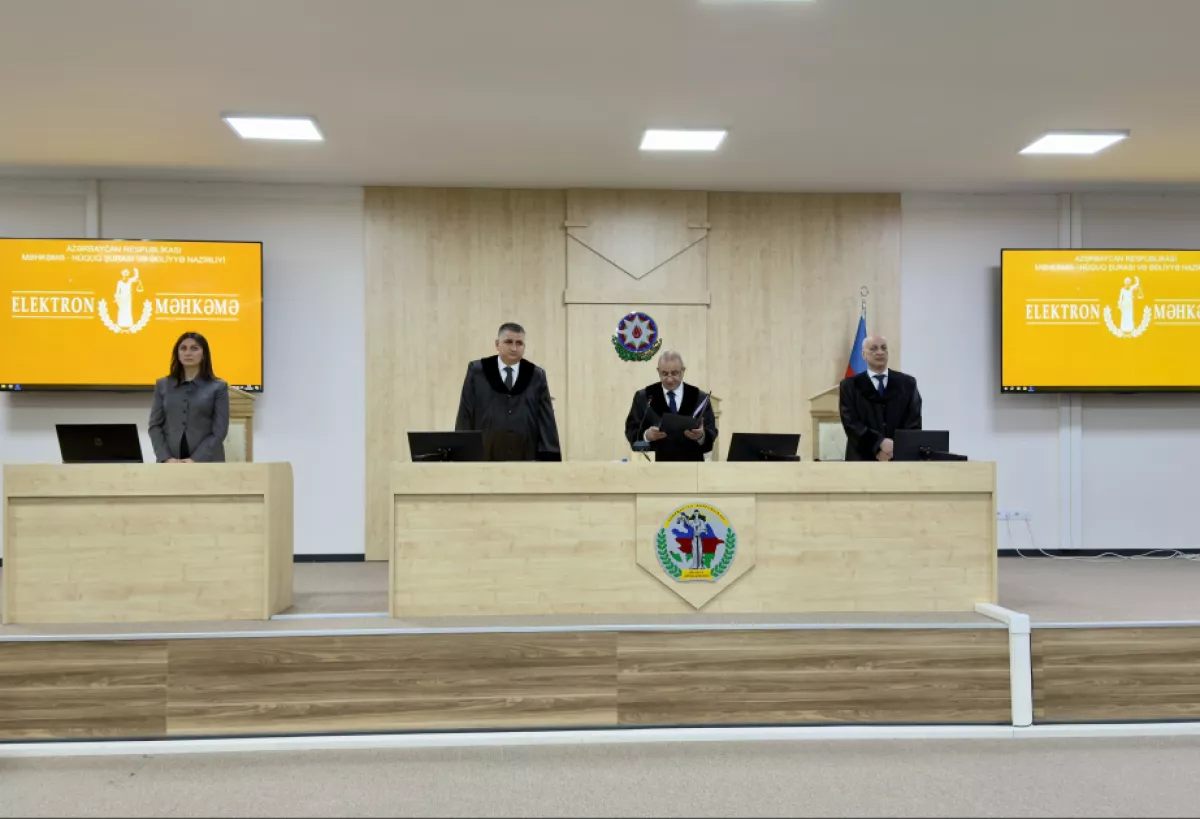
The verdicts delivered close one of the most painful chapters in Azerbaijan’s recent history, but they also open an important discussion about the nature of justice in post-conflict societies. Most contemporary conflicts end not with the complete victory of one side, but with a compromise in which the issue of responsibility for crimes committed is either delegated to international judicial bodies or simply ignored for the sake of achieving a political settlement.
The International Criminal Tribunal for the former Yugoslavia operated for years and handed down sentences to a number of military and political leaders, but this became possible only due to direct NATO intervention and the subsequent international supervision of the region. The Rwandan Tribunal functioned under the auspices of the United Nations after the genocide had already taken place and the international community had grasped the scale of the tragedy. The International Criminal Court in The Hague considers cases referred to it by states parties to the Rome Statute or by the UN Security Council, but its jurisdiction is limited, and the enforcement of its decisions depends on the political will of states.
Azerbaijan found itself in a situation where it could not rely on international justice. Armenia refused to acknowledge its responsibility for the occupation, Western powers for many years preferred to speak of a “conflict between the parties” rather than call things by their proper names, and the OSCE Minsk Group effectively preserved the status quo without making any real efforts to liberate the occupied Azerbaijani territories. Under these circumstances, the only path to justice was to restore control over the territory by its own means and subsequently use the national judicial system to hold the perpetrators accountable. This was precisely the path chosen, and it can now be stated that it has produced results.
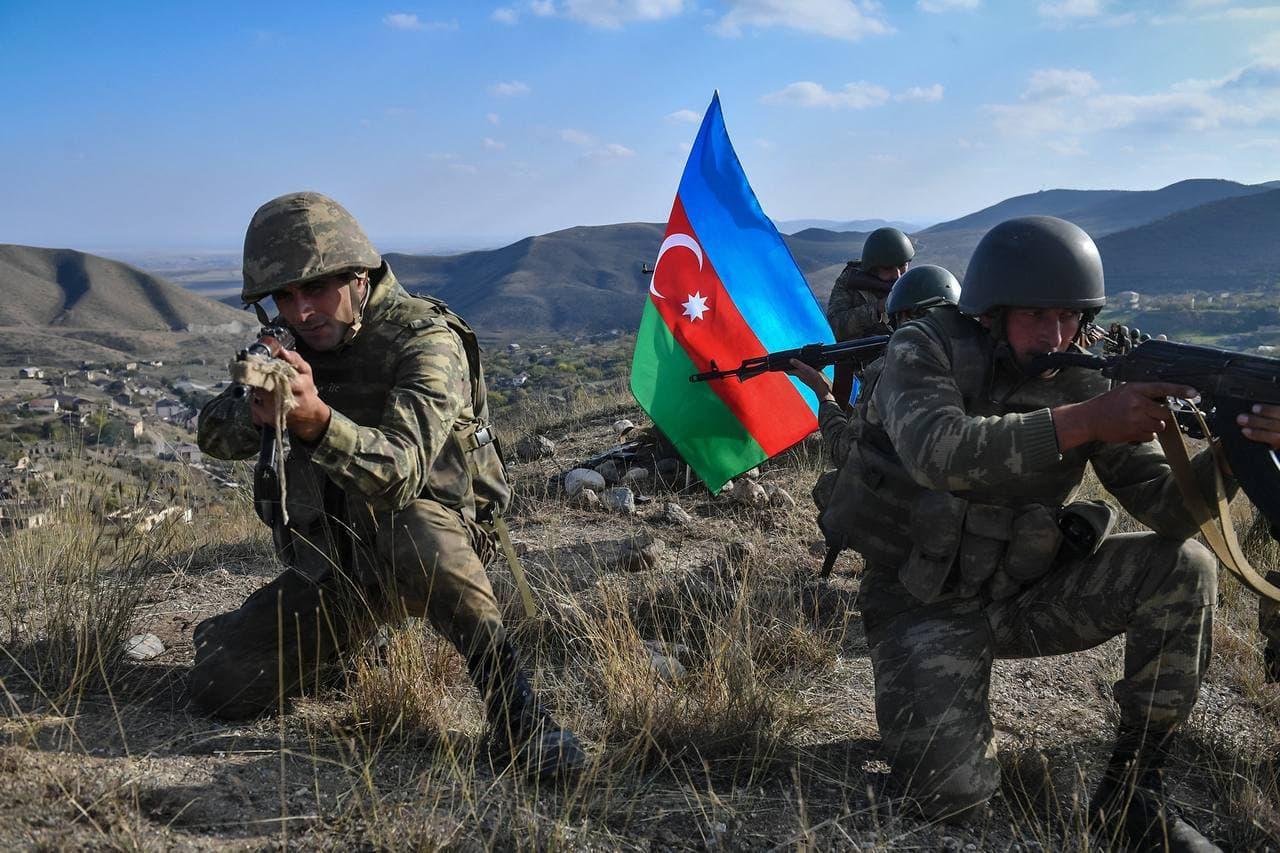
Critics may argue that a national court cannot be impartial. This argument would carry weight if the trial had been conducted behind closed doors, without access to legal counsel, and without giving the defendants the opportunity to testify and present their version of events. But the process was open, widely covered by the media, and the defendants had legal representation, with their testimonies duly recorded in the court transcripts. Moreover, it was the defendants’ own statements that confirmed the very facts forming the basis of the charges.
There is also a deeper significance to this process, extending beyond individual court cases. Azerbaijan demonstrates a model in which the restoration of justice is not postponed indefinitely. Baku chose a different path. Peace was achieved, sovereignty restored, yet justice was not sacrificed to pragmatic considerations. Those who gave orders for the deportation of civilians, the destruction of towns and villages, the torture of prisoners, and looting were held accountable. This is not revenge. It is justice, grounded in established facts and legal procedures. And it is precisely this model that should become the norm for resolving conflicts if the international community is truly committed to preventing impunity for war crimes and crimes against humanity.
February 5 will go down in Azerbaijani history as a day of triumph for justice. Not the abstract kind that sounds noble in speeches, but concrete justice, expressed in court verdicts against those who planned, organised, and carried out crimes against the Azerbaijani people. This is the result of years of effort, the political will of the Azerbaijani president, the resilience of the state in the face of external pressure, and the ability to see a complex process through to the end. Azerbaijan has created a model worthy of study—one that may well influence how conflicts are resolved in the future.







 editor@caliber.az
 +994 55 444-88-98
 Азербайджан, Баку, ул. Низами, 203, Af Business House, 5-й этаж