










“Azerbaijan is more popular in Israel than the United Kingdom” British journalist on Caliber.Az
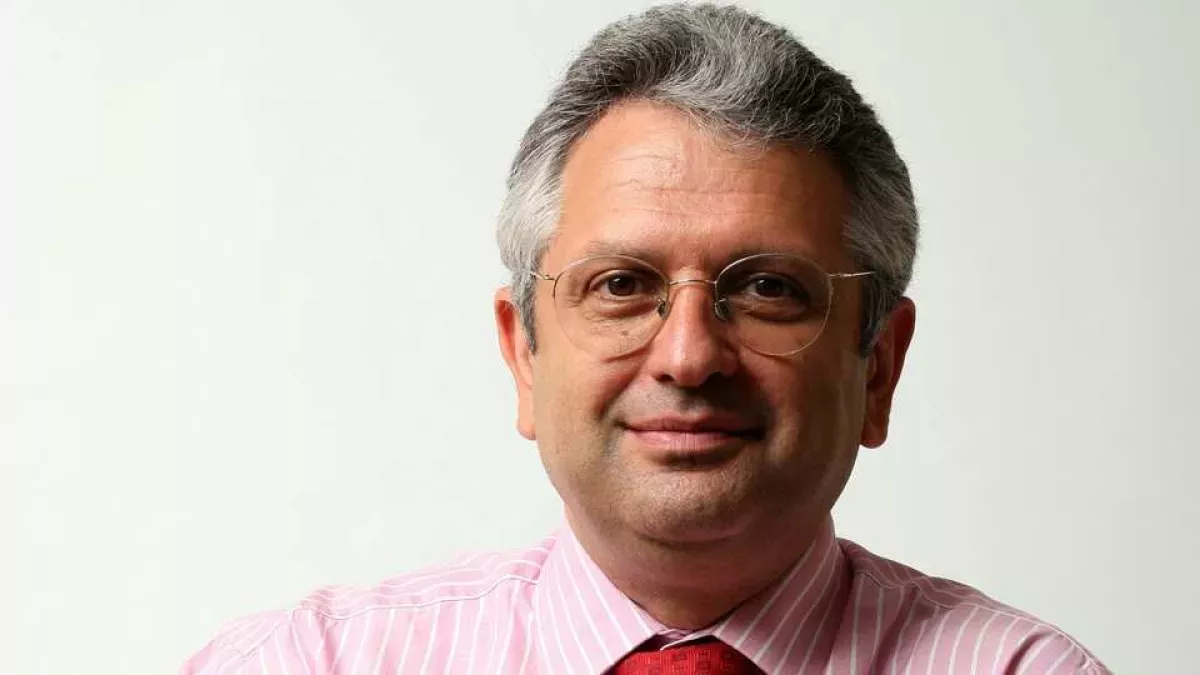
In a candid interview with Caliber.Az, British journalist and political expert Yuriy Goligorsky, former Editor-in-Chief of the BBC World Service for the post-Soviet region, offers a unique perspective on Azerbaijan’s growing geopolitical role and its evolving relations with the United Kingdom. From defence cooperation and joint military R&D to Azerbaijan’s expanding influence in the Middle East, Goligorsky analyses how Baku has positioned itself as a rising power and what this means for London as it navigates an increasingly complex global landscape.
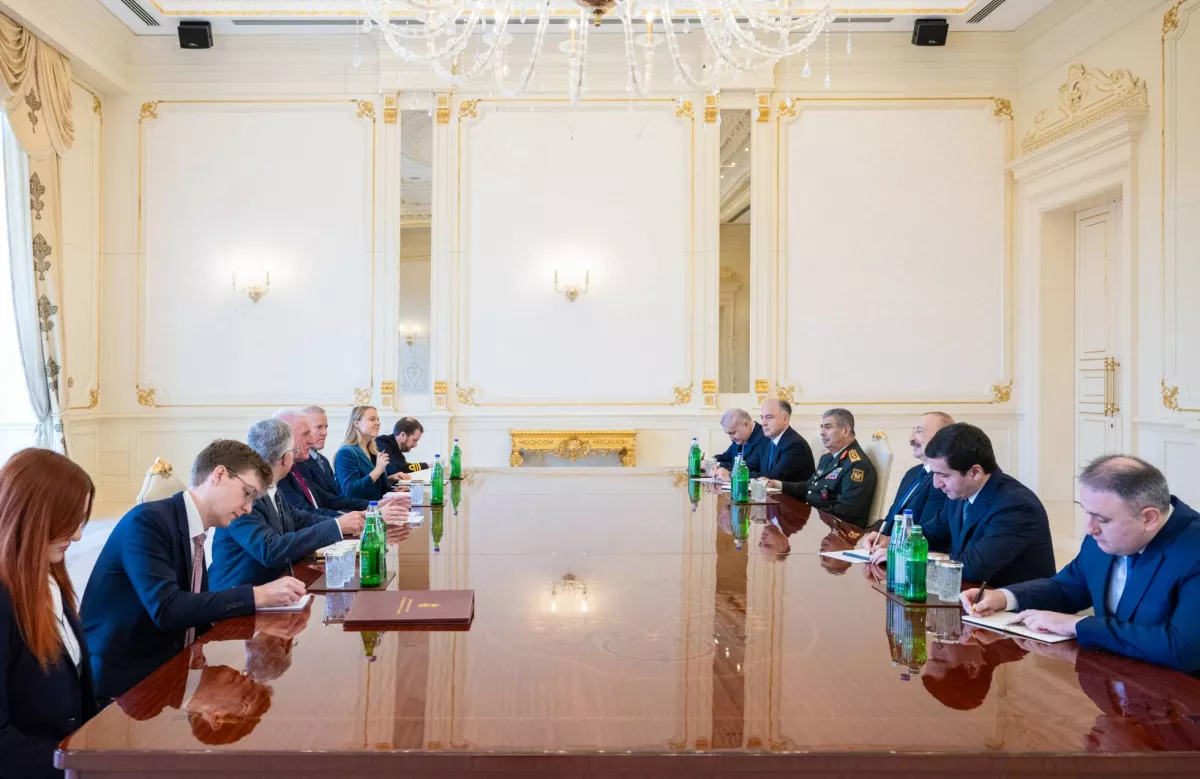
– Recently, Azerbaijani President Ilham Aliyev received the UK Minister of State for Defence, Lord Vernon Coaker. Touching on the friendship- and trust-based relations between the two countries, Lord Vernon Coaker emphasised the UK’s interest in developing bilateral ties within the framework of strategic partnership, noting that security cooperation is likely to become one of the main pillars of UK–Azerbaijan strategic relations. President Ilham Aliyev described the emergence of a new chapter in Baku-London defence cooperation as a “sign of mutual trust.” What can we expect from this new stage in Azerbaijani-British relations? On what is it based, and what might future defence collaboration between Baku and London look like?
– Of course, we were not present at the negotiations and cannot know exactly what was discussed—and that is as it should be. But we can reason based on recent events. This provides a clear idea of the direction in which all states that consider themselves allies are heading. The nature of warfare is changing. Tanks in their current form are becoming a burden. In aviation, the focus is shifting towards drones. Electronic intelligence is playing an increasingly important role. The ability of a country to conduct hybrid warfare is coming to the forefront, and so on…
What does this all mean? A huge emphasis and significant resources will be directed towards research and development of military technologies. Will this be a burden on economies? Not necessarily. Money spent on military R&D often produces substantial “spillover” benefits for the civilian economy. This was the case, for example, when Ronald Reagan announced the “Star Wars” programme. So, I think that the negotiations likely focused on ways to conduct joint scientific and technological research.
Regarding being “for” or “against”… I believe it’s less about being against someone and more about being for—for the interests of Azerbaijan, for the interests of the United Kingdom, for the interests of Western allies. And if someone doesn’t like it, then only in that case is it “against” them.
– Much has changed in the region since the Washington meeting on August 8. The United States plans to invest in the development of the Zangezur Corridor, with budgets and plans already being prepared. Is London planning to participate in this important project, which is reshaping Eurasian geopolitics?
– Absolutely, yes. Moreover, from private conversations with some well-known British politicians, I know that this topic will be actively discussed in the British Parliament next year. One can have any opinion about Donald Trump, but it cannot be denied that fostering mutual understanding between Armenia and Azerbaijan was an achievement of his administration. Peace between Baku and Yerevan suits everyone in the West. It opens significant economic and political prospects—and that is something that should be welcomed.
– Does the United Kingdom have plans to cooperate with Baku in the Middle East, where Azerbaijan is also expanding its influence?
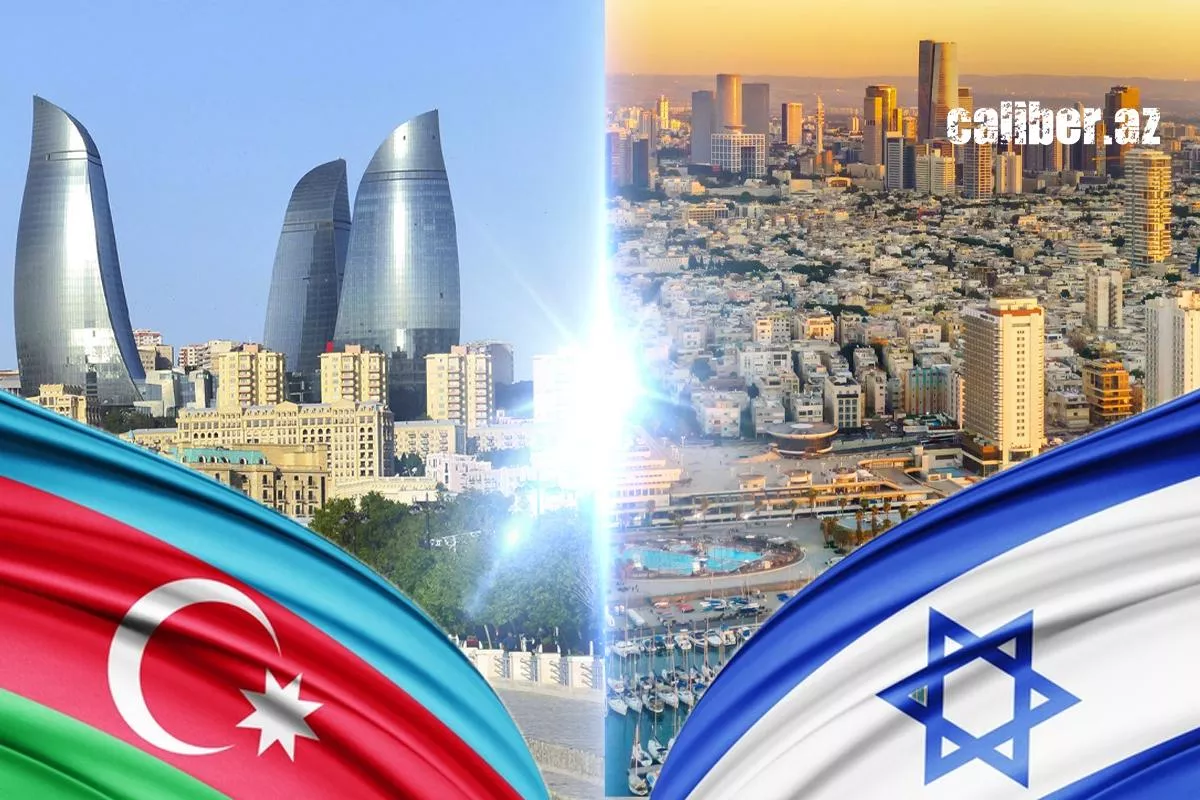
– I’ll share some personal observations from a recent trip to Israel: today, Azerbaijan is many times more popular there than the United Kingdom. A paradox? No—just a fact. How Azerbaijan managed to achieve this is up to you to judge.
When and if a real separation of forces occurs in the Gaza Strip, the Israelis will readily accept Azerbaijan’s role in peacekeeping operations. Are they ready for an expanded role for the United Kingdom? That’s a big question… According to some reports, the Israelis have already refused to share intelligence with London. This happened after the UK recognised the State of Palestine—without clarifying its borders, authority, or institutions.
In other words, Azerbaijan’s role in the Middle East is slowly but steadily growing. London would do well to start observing how Baku is achieving this…
– Clear poles of power are emerging in the world. One pole is undoubtedly the United States, another is China, and some also mention India. Most other players, including the EU, are often considered by analysts as part of the “supporting group.” There is also frequent talk of a Global North vs. Global South divide. Within this framework, where does London fit? How does it perceive this model of political order, and which poles does it align with?
– That’s the most difficult question, because the traditional ally—the United States—is self-isolating; within Europe, there is no unity; China is tempting, but raises a lot of questions; Russia as a partner is postponed to the next generation… So what’s left? The Commonwealth countries and new partners who want and are able to cooperate with London.







 editor@caliber.az
 +994 55 444-88-98
 Азербайджан, Баку, ул. Низами, 203, Af Business House, 5-й этаж