










“Baku has lessons to offer others” Foreign experts on President Aliyev’s messages
Analysts tend to view Azerbaijani President Ilham Aliyev’s interview with local television channels not only as a reflection on domestic and foreign policy priorities, but also as an important message from Baku to the international centres of power.
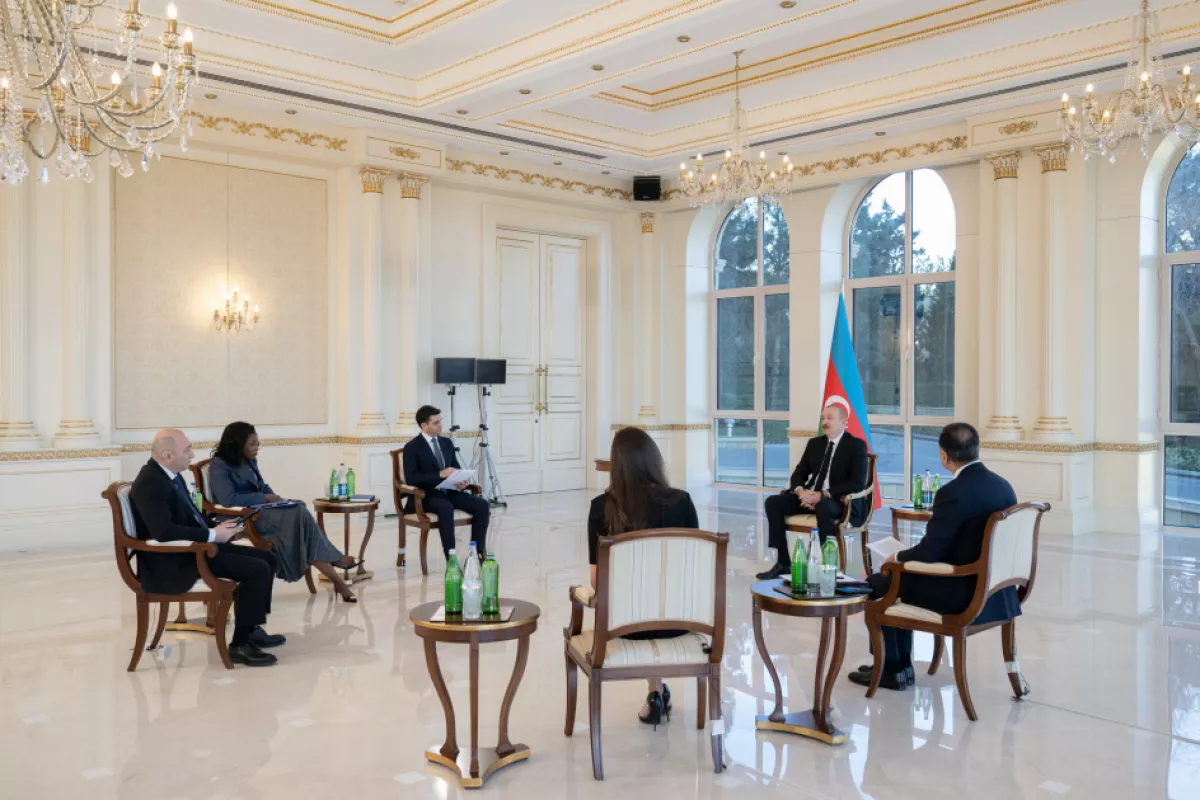
The Azerbaijani president articulated the key directions and priorities of Baku’s political strategy with clarity and consistency. In this context, as Azerbaijan increasingly acts not merely as a participant but as a moderator of major international political processes, Ilham Aliyev’s statements can be seen as defining—both for the region and for the global political landscape as a whole.
What conclusions have foreign analysts and political scientists drawn from the Azerbaijani leader’s remarks? Russian and Georgian experts share their assessments with Caliber.Az.
According to Russian political analyst and publicist Kirill Sitnikov, the Azerbaijani president’s statements contain a crucial element — the so-called “power factor.”
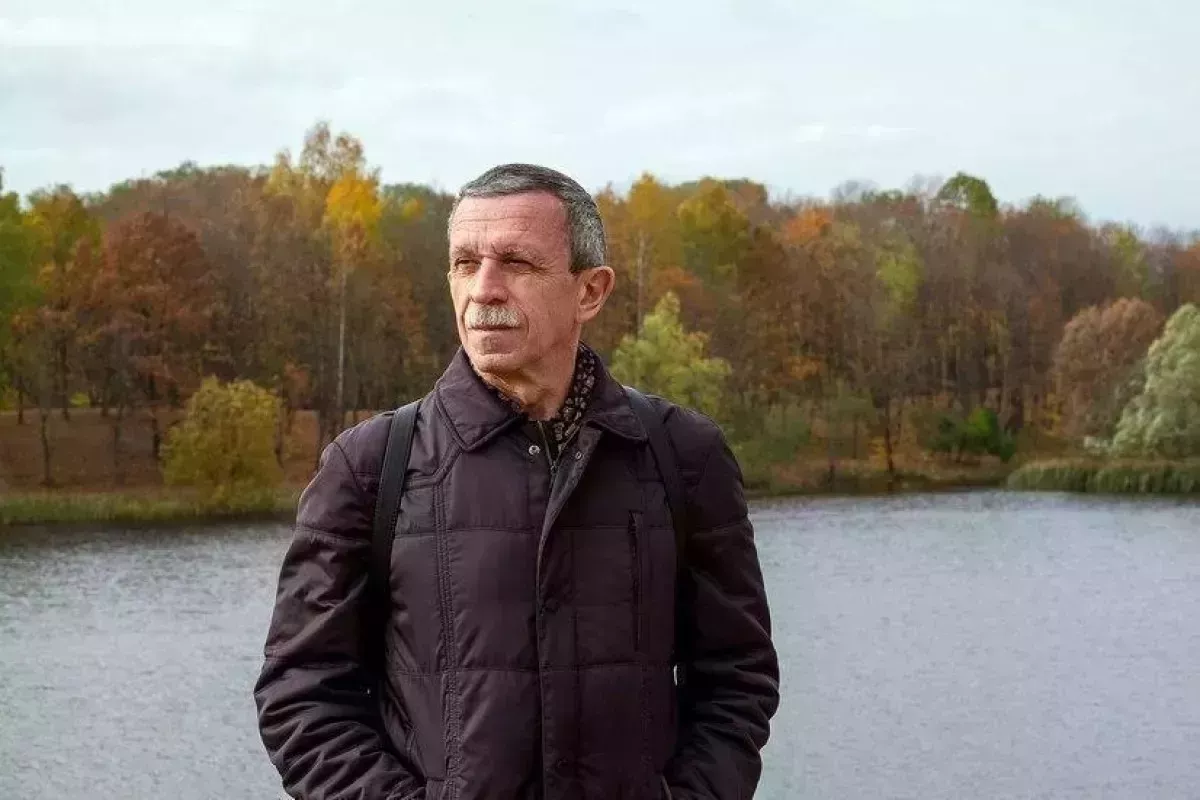
“Ilham Aliyev’s reflections and conclusions, as well as his political posture, clearly reflect the mindset of a leader who has emerged victorious. Diplomacy is essential and irreplaceable, but it is most effective when statements made on international platforms are underpinned by confidence in one’s armed forces and their proven effectiveness on the battlefield. In this sense, Baku indeed has lessons to offer others.
Through its military capabilities, Azerbaijan has corrected unjust and overly ambitious policies previously pursued by major regional actors and has established its own rules of the game—rules aimed exclusively at peace and constructive development. These rules are not destructive in nature and cannot be accused of bias or of containing aggressive or militaristic elements.
Therefore, when Ilham Aliyev speaks confidently in his interview about expanding Azerbaijan’s influence through strategic partnerships with the United States on the one hand and China on the other, this undoubtedly reflects political strength and independence. Not every country can afford such a self-assured balancing act—engaging simultaneously with the collective West and the steadily rising Global South.
The very fact that a major international actor such as the United States is now entering the South Caucasus—and that the president of Azerbaijan explains this new configuration of regional cooperation in his interview—is in itself a further indication of Baku’s political weight. Above all, it reflects the reality that it was Azerbaijan that effectively gave the green light to an expanded U.S. role in the region—something it could just as easily have declined, even if Armenia had actively lobbied for such an outcome. This is a reality that Donald Trump understands perfectly well.
Meanwhile, this development is also the result of Baku’s successful cooperation with two of the most influential actors in the Middle East—Türkiye and Israel—whose positions are likewise of considerable importance to the United States. All of these elements are closely interconnected; there is nothing accidental or superfluous in this configuration.
Accordingly, the second key factor lies in the fact that the United States is entering the region as a strong player engaging with an equally strong counterpart. Had the regional actor been weaker—as in the case of Armenia, for example—the United States might have been replaced by France or another country from the pro-Armenian camp. However, such actors clearly lack the resources required for a sustained geopolitical presence—an increasingly decisive factor for any state pursuing an active foreign policy. The United States possesses these capabilities; France or Germany do not.
Thus, in his interview, Ilham Aliyev once again demonstrated that Baku is capable of independently identifying and choosing its most important regional partners, rather than trading sovereignty for a questionable ‘power factor’ in exchange for foreign presence—as Yerevan has done in the past,” Sitnikov concluded.
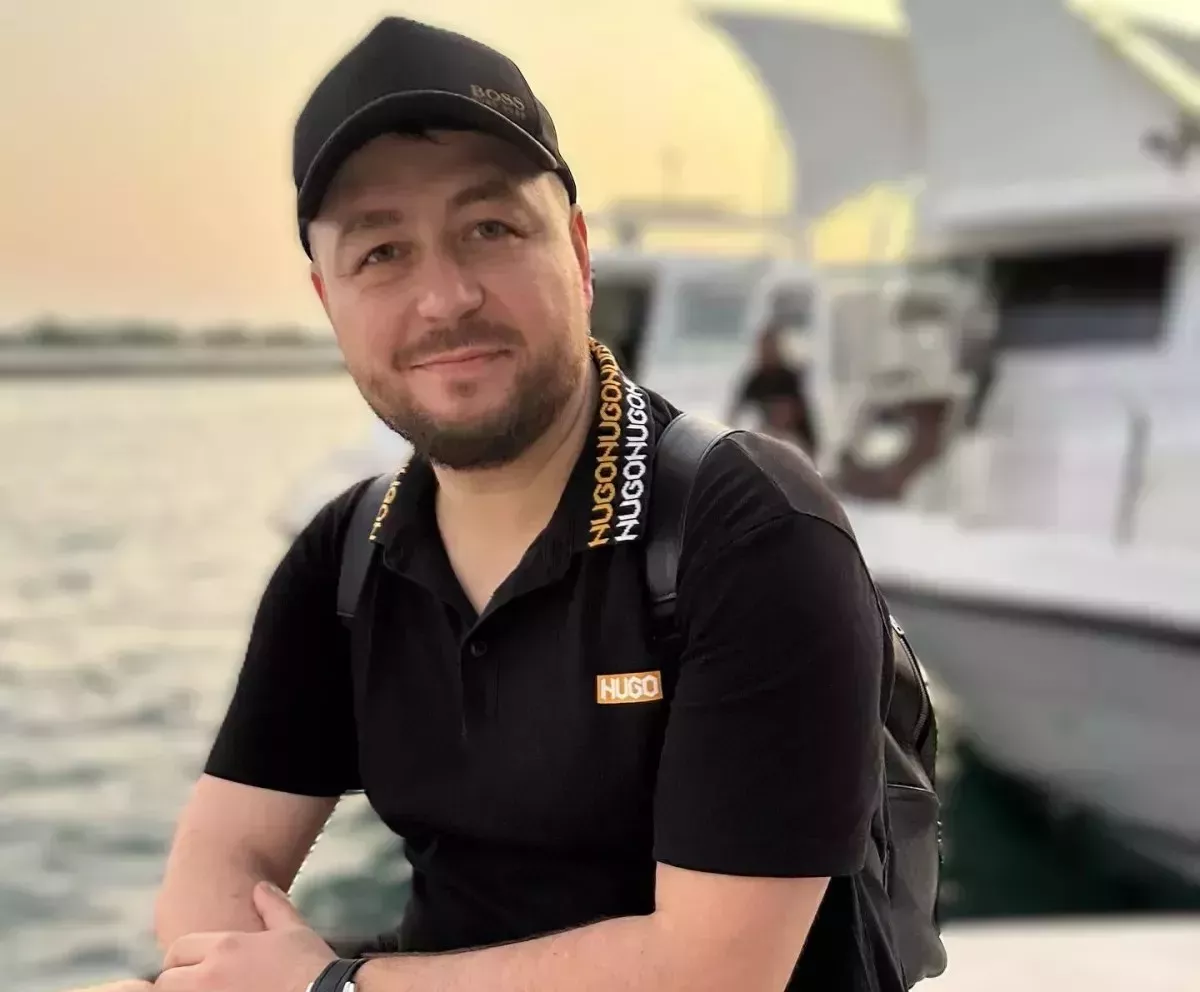
In turn, according to Georgian international relations expert Arkadi Nozadze, one of the key messages from President Aliyev that deserves close attention is his assertion that international law has become ineffective and fundamentally outdated, rendering reliance on it largely futile.
“This conclusion reflects not only a harsh reality, but also a political assessment that Baku has been consistently arriving over time. Azerbaijan is regularly subjected to unjust international pressure, yet it confidently resists it and clearly understands that remaining silent or engaging in polite diplomacy with the European actors — while citing articles of international conventions and resolutions — ultimately works against one’s own interests. Even when you are fully in the right, you may still end up on the losing side.
How has the European Union acted toward Azerbaijan? It is enough to recall how many unfair resolutions Brussels and the European Parliament have directed at Azerbaijan even after Baku liberated its territories from occupation — as if this were some form of ‘occupation’ or even ‘genocide.’ In this sense, Baku has undergone a rigorous political school and is fully entitled to offer lessons to other actors,” Nozadze concluded.







 editor@caliber.az
 +994 55 444-88-98
 Азербайджан, Баку, ул. Низами, 203, Af Business House, 5-й этаж