










Belarus and Lithuania: Between dialogue and deadlock Analysis by Limansky
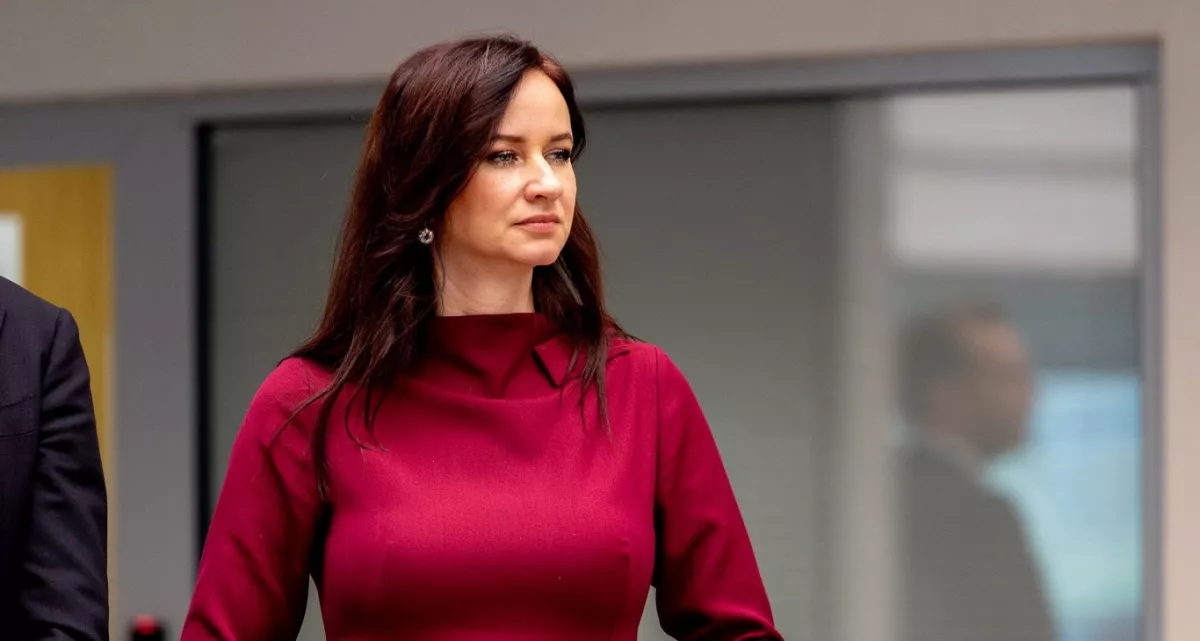
Lithuanian Prime Minister Inga Ruginienė stated that Vilnius could hold an official meeting with the Belarusian side, but at the same time set out a number of conditions. The Belarusian Ministry of Foreign Affairs has issued its response.
Avoiding an equal dialogue
On March 27, the head of the Lithuanian government announced that a meeting between the deputy foreign ministers of Lithuania and Belarus was possible. However, this would only happen if Minsk stopped meteorological balloon flights across the border, returned detained Lithuanian trucks from Belarus without fines, and halted the flow of illegal migrants.
Lithuanian President Gitanas Nausėda, in turn, stated that dialogue is only possible if Belarus shows “neighbourly goodwill.”
On the same day, Belarusian Foreign Ministry spokesperson Ruslan Varankov said that Minsk is ready for a constructive conversation with Lithuania, but without any preconditions.
“Minsk has repeatedly and with utmost clarity stated: we are ready to discuss any problematic issues without any preconditions. This is a fundamental principle that is understood by everyone, including our partners across the ocean, the recent visit of U.S. President’s Special Envoy clearly confirmed this.”
At the same time, according to Varankov, the ultimatum-like demands of the Lithuanian authorities have nothing to do with either neighbourly relations or normal diplomatic practice.
He also pointed out that Belarus has not approached any third parties requesting mediation. Proposals from external partners are their own initiative. In this context, this also refers to the position of Donald Trump’s special envoy on Belarus, to which the author will return later.
The Foreign Ministry spokesperson also noted: “If we are to talk about ‘neighbourly goodwill’, the Lithuanian side currently has accumulated many issues for which Lithuanian society demands answers - from border operations and the ability to visit relatives and tend to the graves of loved ones, to severed business ties with Belarus. We have no intention of solving these issues alone. Especially since they lie within the sphere of Lithuania’s own interests. Their leadership will have to answer to their people for this.”
According to him, this also applies to the Lithuanian side’s unwillingness to start an equal dialogue with Belarus, instead issuing categorical demands.
“Well, the reluctance to resolve these accumulated issues is on their conscience. For our part, openness to constructive dialogue remains,” the Belarusian Foreign Ministry representative added.
As is known, the United States has fully lifted sanctions on Belaruskali. However, this is not enough: exporting Belarusian potassium to America also requires the unblocking of Lithuanian ports.
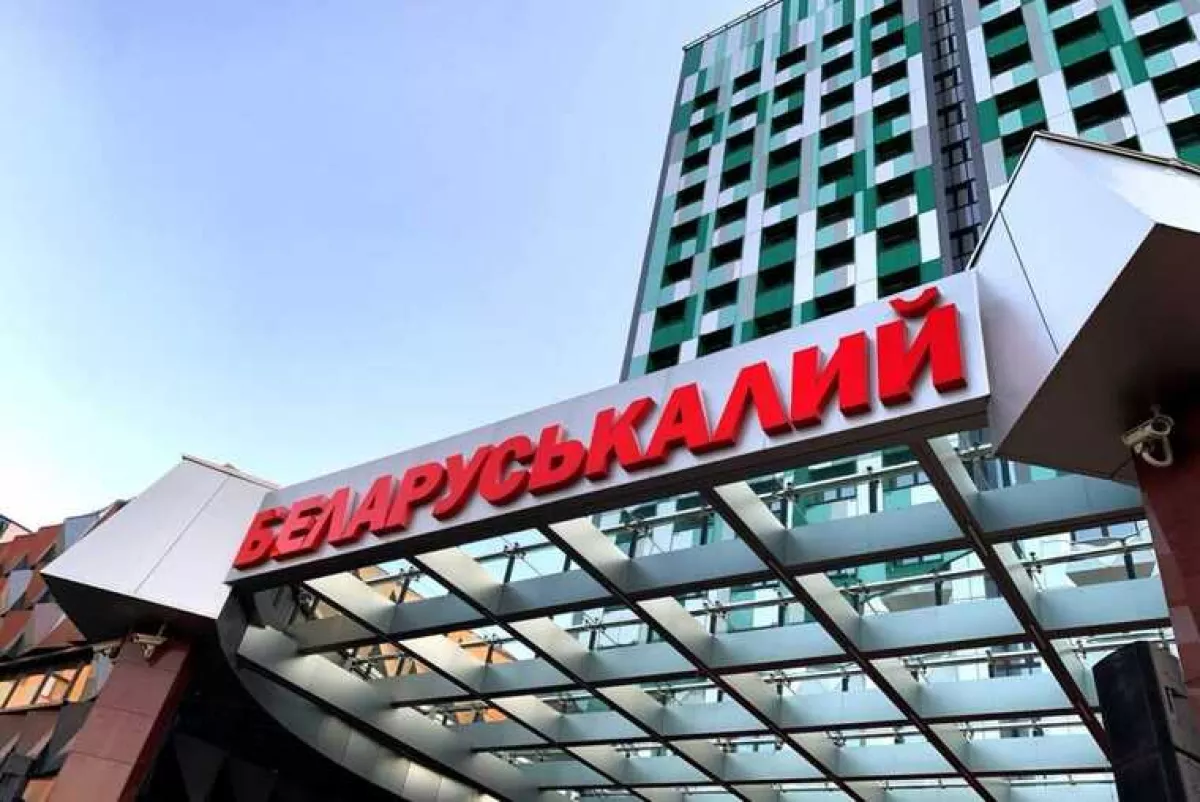
According to some reports, it was precisely the issue of resuming the export of potash fertilisers that Donald Trump’s special envoy John Coale discussed on March 19 with the Lithuanian prime minister before negotiations with Alexander Lukashenko. Inga Ruginienė herself denies that this topic was discussed. According to her, the conversation with the American envoy concerned Belarusian meteorological balloons, Lithuanian trucks, and illegal migrants — that is, the very demands that were soon presented to Minsk as preconditions for an official meeting.
The most rigid stance against normalising relations with Belarus is held by the conservative opposition party Homeland Union – Lithuanian Christian Democrats (the Landsbergis). The deputy chairman of the parliamentary Committee on Foreign Affairs, conservative Žygimantas Pavilionis, described the Trump administration’s negotiations with Lukashenko as a “catastrophe for Lithuania.”
“Seeing Americans, champions of freedom, investing in Lukashenko — is dangerous for us,” Pavilionis said. In his view, Belarus is leading the U.S. into dialogue on its own terms. At the same time, he claims that Minsk aims to turn Lithuania into a compliant state, effectively “Hungarizing” it.
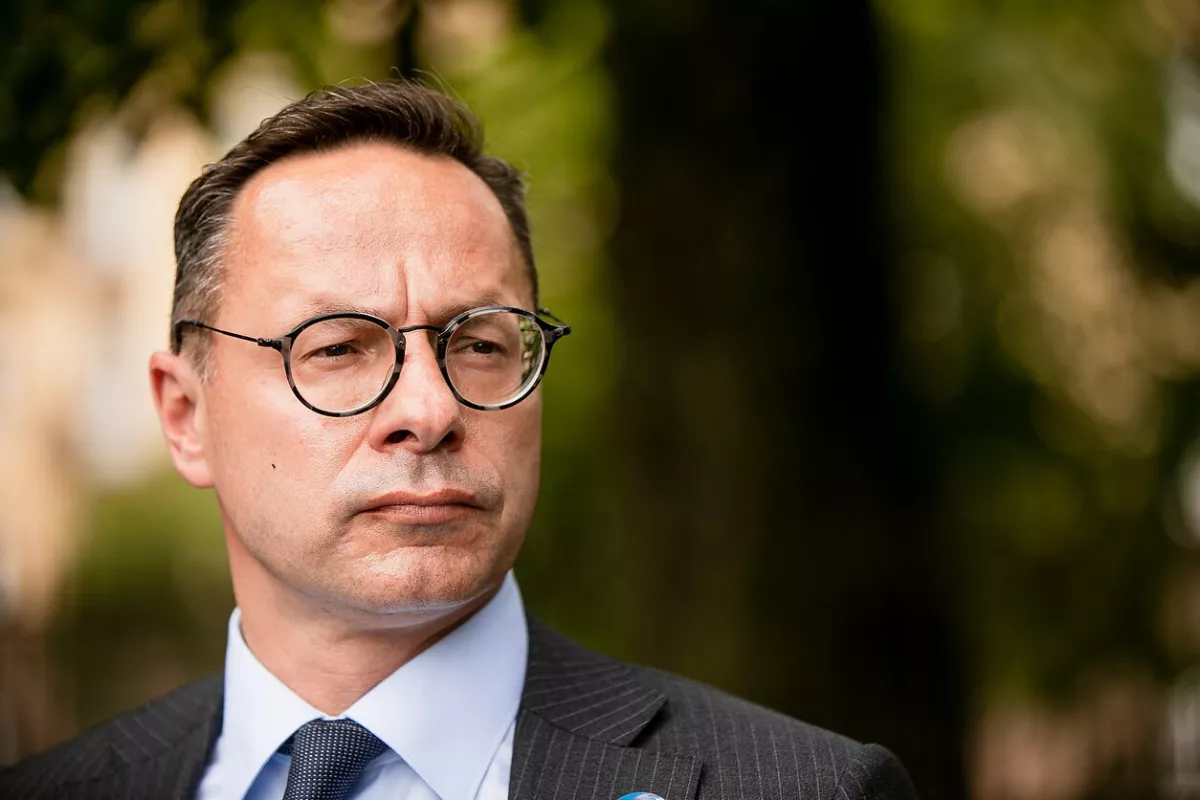
Pavilionis and his party have long been known for their hardline anti-Belarus stance. They were, in particular, among those who obstructed the warming of relations between the U.S. and Belarus during Barack Obama’s presidency and under Secretary of State Hillary Clinton.
On March 23, information also emerged about a UAV falling on Lithuanian territory, allegedly having entered from Belarus. However, it soon became clear that it was actually a Ukrainian drone.
On its part, Belarus took the first step toward Vilnius without any preconditions. Alexander Lukashenko ordered the return of about 2,000 Lithuanian trucks that had remained on Belarusian territory after the border was closed by the Lithuanian side. By March 27, 153 trucks had already crossed the Belarus–Lithuania border. In addition, by the president’s directive, parking fees for Lithuanian carriers were significantly reduced.
On the same day, Lithuania’s chief presidential adviser Deividas Matulionis stated: “We are certainly ready to improve these relations, but systemic changes must occur on the Belarusian side — either toward democratisation, or toward reducing support for the Russian military industry, or possibly greater independence.”
Such rhetoric is not new: similar demands were already voiced in 2024 in response to proposals by the Belarusian Foreign Ministry to begin dialogue. In this case, the framing of the issue in an “either–or” format appears noteworthy: either “democratisation” or distancing from Russia (which, in essence, is equated with moving toward “democracy”).
At the same time, Matulionis expressed concern that Lithuania is allegedly being “drawn into” negotiations with Belarus, which could become a diplomatic “humiliation” for the country. However, it remains unclear what exactly constitutes such a “humiliation.” Belarus has not taken hostile steps toward Lithuania and, unlike Vilnius, has not put forward preconditions. This raises the question: is even the very call for good-neighbourly relations perceived by the current Lithuanian leadership as unacceptable?
The presidential adviser also noted that Lithuania highly values U.S. efforts to secure the release of “political prisoners” and to reduce tensions in the region.
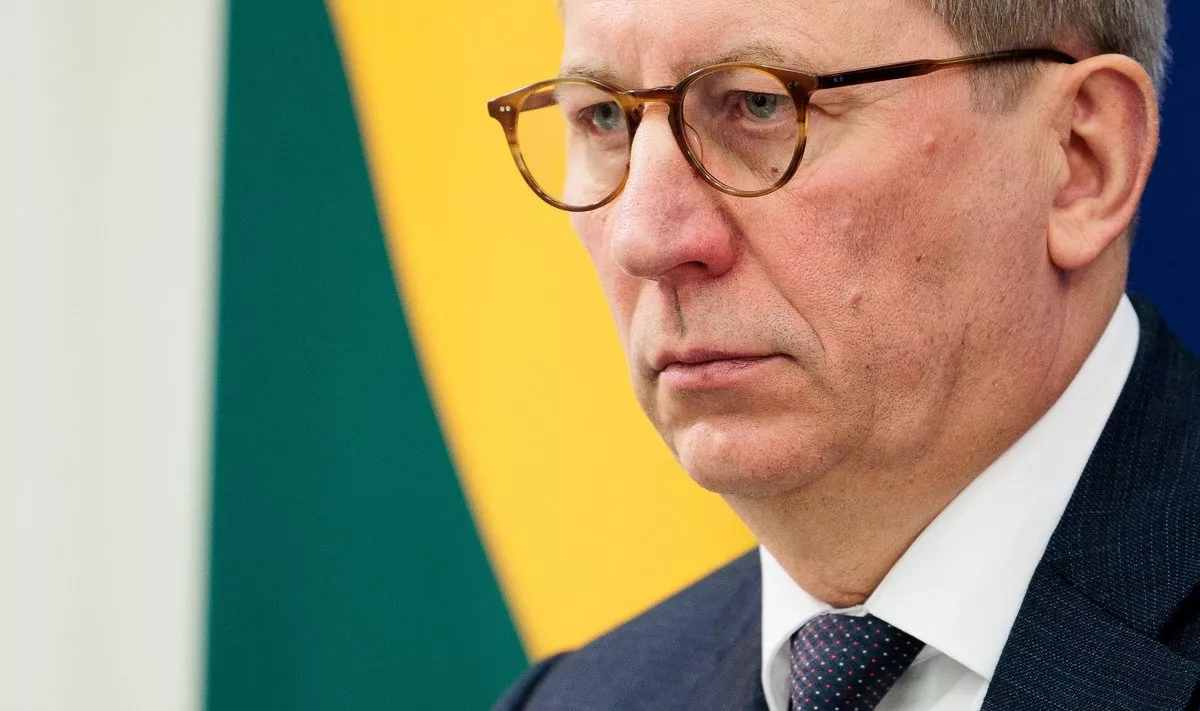
“But dialogue is a somewhat more complex issue. I think we are not yet ready for it…” Matulionis said.
According to him, Vilnius’s position is determined by the general EU line, within which dialogue at a high political level is currently ruled out, and interaction is limited to technical contacts. At the same time, as Matulionis claims, this position is unlikely to change in the near future, since Belarus continues to be viewed as a “security threat.”
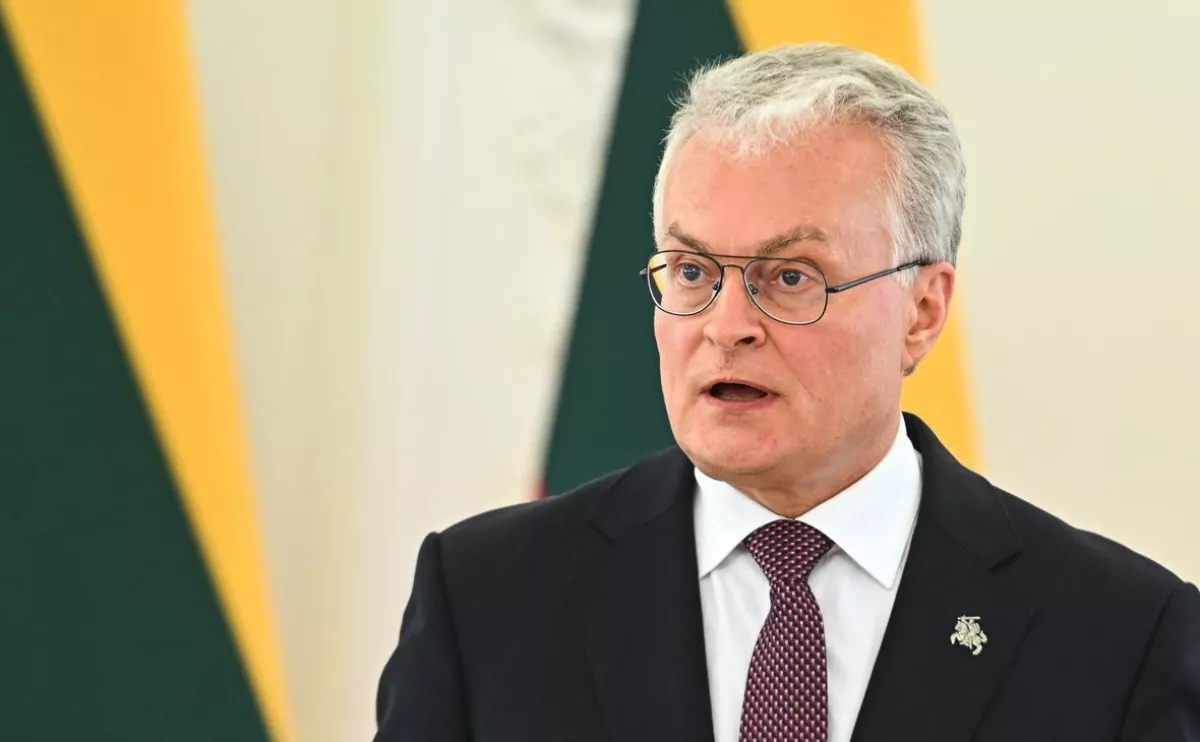
Lithuanian President Gitanas Nausėda also emphasised that the issue of transit of Belarusian fertilisers can be resolved exclusively at the EU level.
At the same time, Lithuania cannot ignore Washington’s position. Under these circumstances, Prime Minister Ruginienė has effectively opted for a compromise: she stated that even if a meeting framed by preconditions takes place, the issue of fertiliser transit will not be discussed, and the meeting itself will be of a technical nature.
However, it is obvious that negotiations at the level of deputy foreign ministers already imply a transition to a higher level of political dialogue.
Opposition hysteria
A discussion on the prospects of restoring relations with Belarus took place on Lithuanian television LRT, featuring Lithuania’s chief presidential adviser Deividas Matulionis and Denis Kuchinsky, an adviser to Belarusian opposition “leader” Sviatlana Tsikhanouskaya.
The Belarusian nationalist and liberal opposition has reacted highly nervously to even cautious attempts at normalisation — essentially on the verge of hysteria.
For instance, debates involving a number of well-known Belarusian opposition figures were held on the German TV channel Deutsche Welle (DW, “German Wave”). Notably, DW is funded by the German state; however, unlike the Belarusian agency BELTA, which in the West is labelled as a government outlet, DW is positioned as a “public broadcaster.”
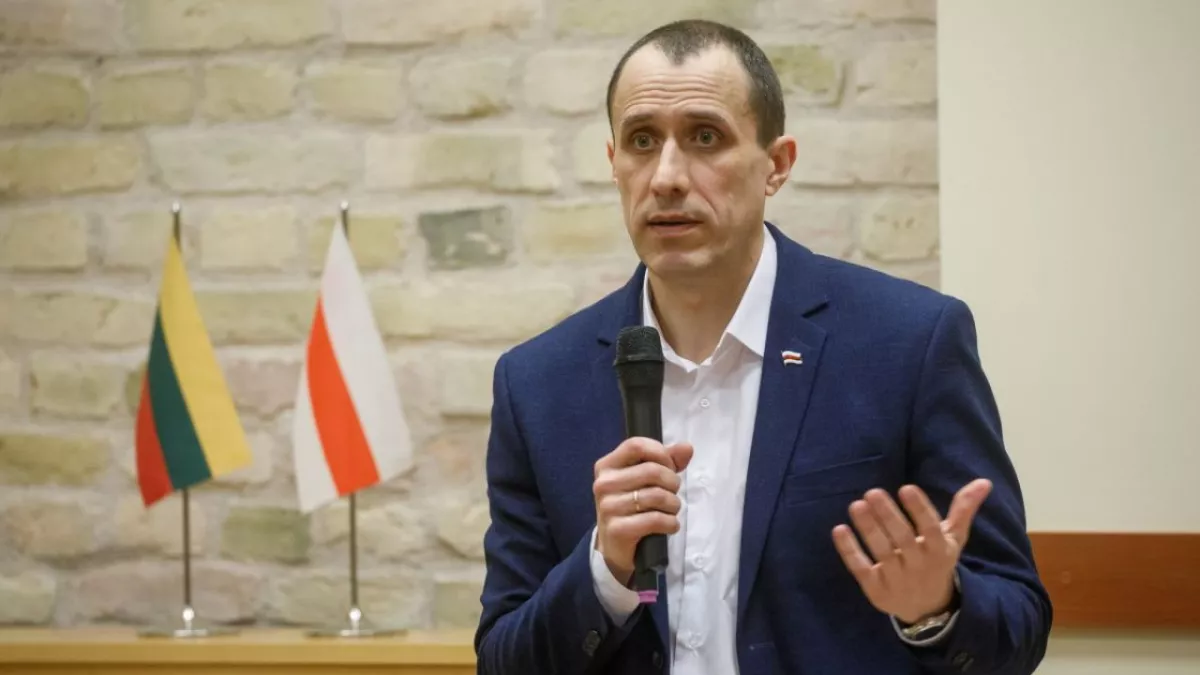
In particular, speaking on Deutsche Welle, recently pardoned far-right politician Pavel Seviarynets stated that Western efforts regarding Belarus can only be successful if the Trump administration plays the role of the “good cop,” while the EU acts as the “bad cop.” At the same time, according to him, the existence of such coordination remains in question. In addition, Seviarynets predicts possible Russian interference in this process.
For his part, “economic expert” Sergey Chaly, who has repeatedly predicted the imminent collapse of the Belarusian economy, is once again trying to convince the audience of his alarmist forecasts.

At the same time, a more restrained position was voiced by Ksenia Lutskina, who was released back in 2024: “The system has a demand for normalisation, and Lithuania also has a demand for normalisation…”
Doves and hawks
The suspension of transit of Belarusian potash fertilisers in 2022 has already cost Lithuania significant sums. A lawsuit has been filed against the Lithuanian state by the company Belaruskali and businessman Igor Khazenberg in a court in The Hague, totalling around €12 billion. At the same time, according to the latest decision, €825,000 has been allocated for legal services alone — a sum that covers only a few months of litigation expenses.
Economic losses for Lithuanian transport companies, as well as for the Port of Klaipėda, remain substantial, with part of its cargo turnover already redirected to other countries.
Against this backdrop, a number of Lithuanian politicians and business representatives adhere to a different position toward Belarus, one that differs from the “hawkish” line.
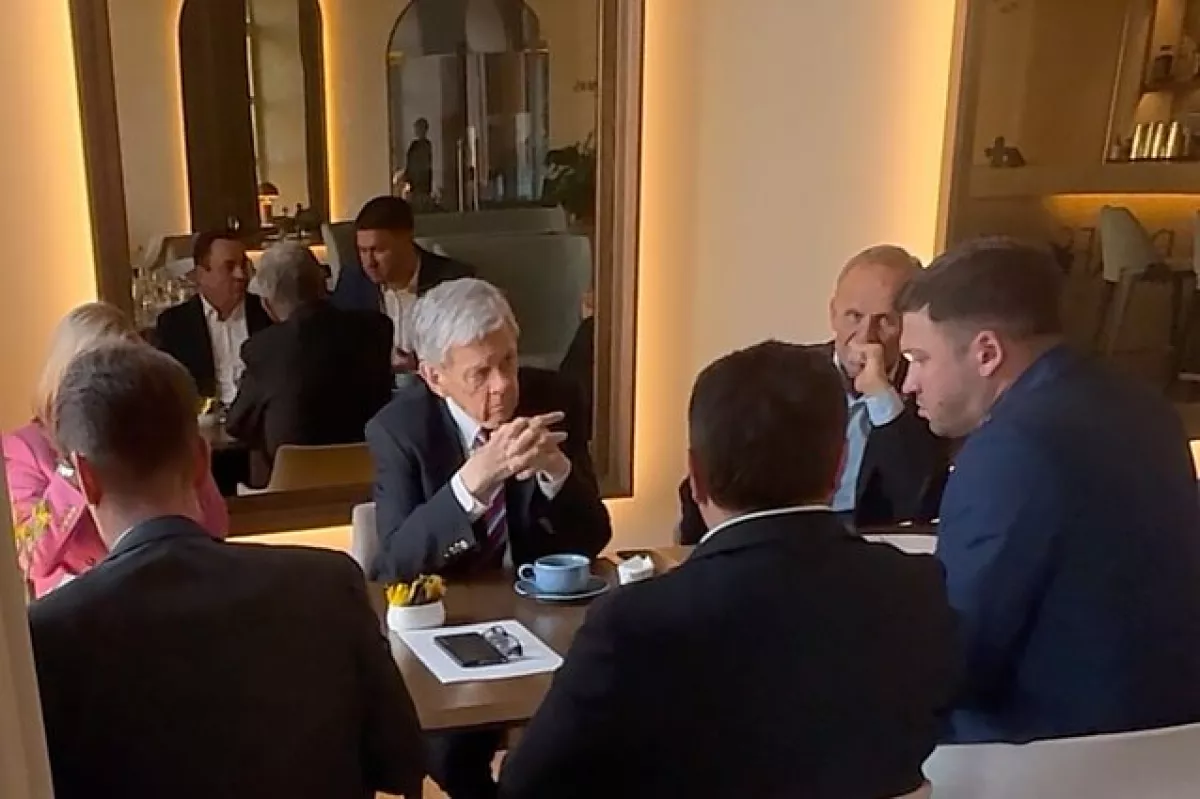
In addition to his meeting with Prime Minister Inga Ruginienė, on March 19, on his way to Minsk, John Coale held talks with Member of the European Parliament Petras Gražulis, as well as with Seimas members Ignas Vėgėlė and Rimas Jonas Jankūnas. Apparently, these politicians represent more moderate circles, including those connected to the business community.
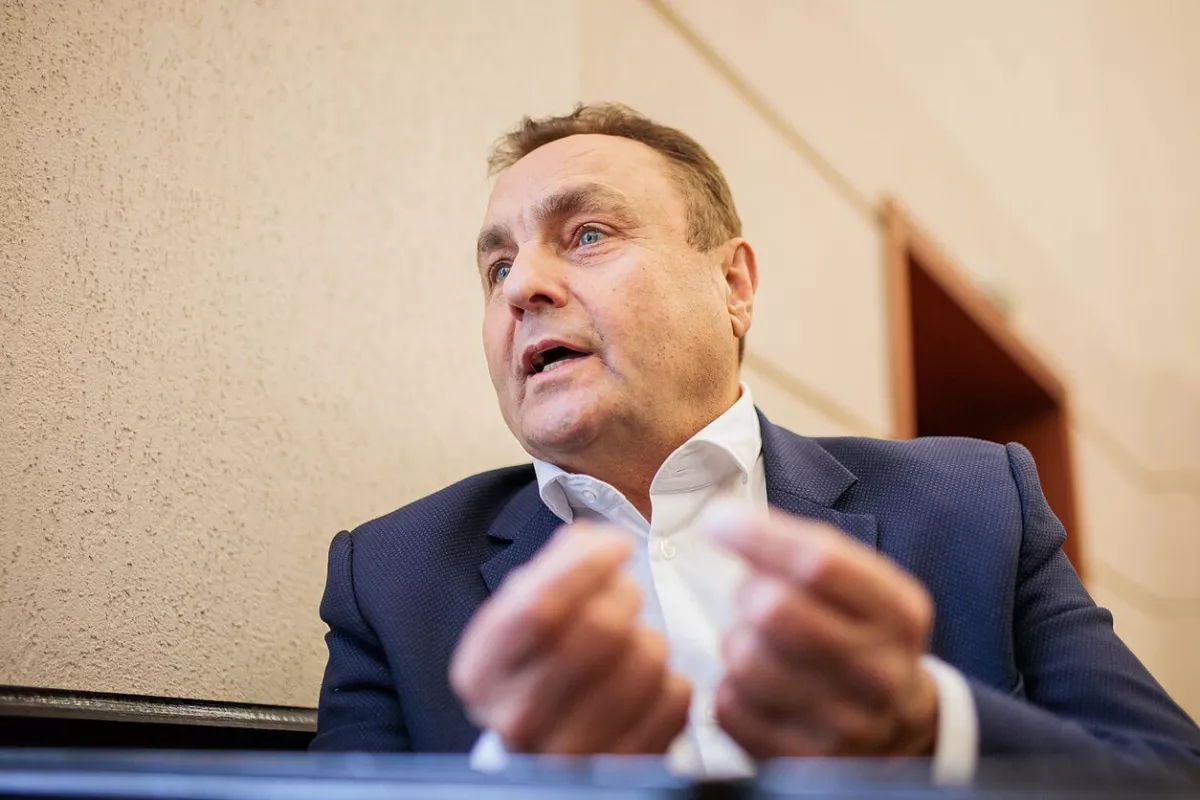
“We discussed all the most pressing issues today — relations with Belarus, the Lithuanian side’s refusal to form a delegation and conduct negotiations at the political level to resolve the accumulated problems… We believe this is a mistake and that dialogue is nevertheless necessary. If Donald Trump is negotiating, calling, and seeking contact, we should not excessively demonstrate our principled stance,” said MEP Petras Gražulis, who took part in the meeting.
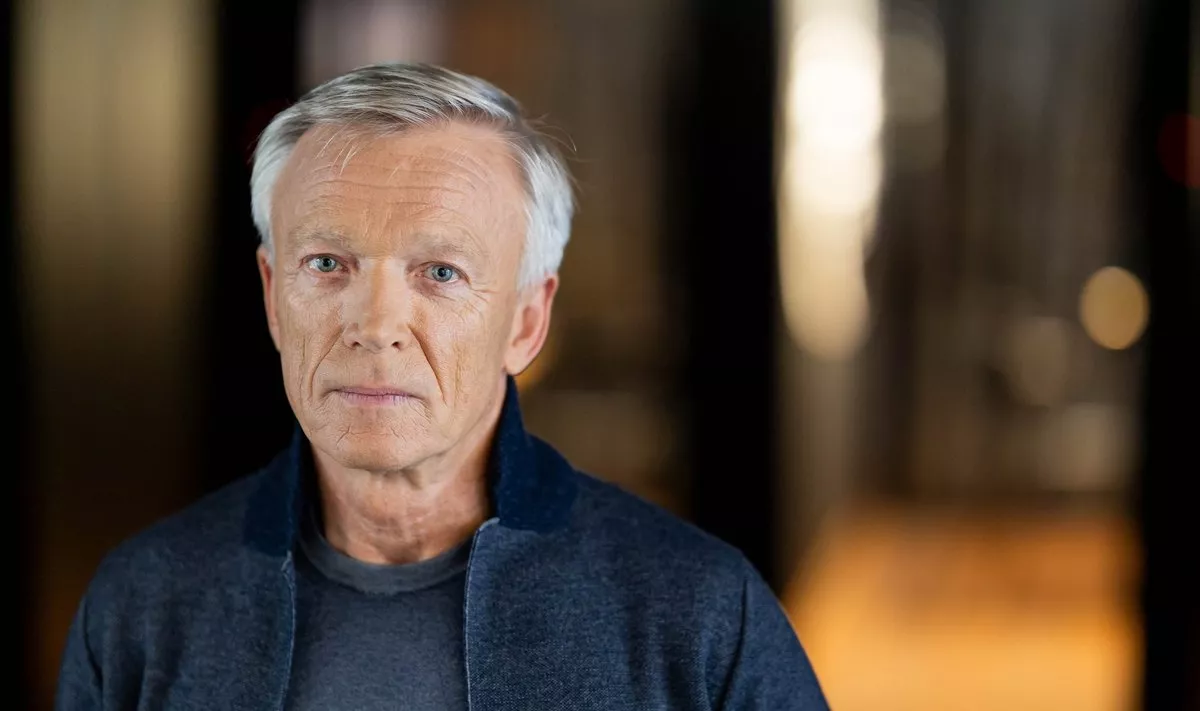
On March 30, businessman Arvydas Avulis, in an interview with Žinių radijas, also spoke in favour of the transit of Belarusian fertilisers. According to him, Lithuania should not lose revenue where other countries are benefiting. At the same time, he proposes a compromise model: to maintain commitment to EU values while not missing out on economic gains. In particular, Avulis considers it possible to allow transit, directing the resulting revenues toward military needs, and, if necessary, using access to Lithuanian ports as a lever of pressure on Belarus.
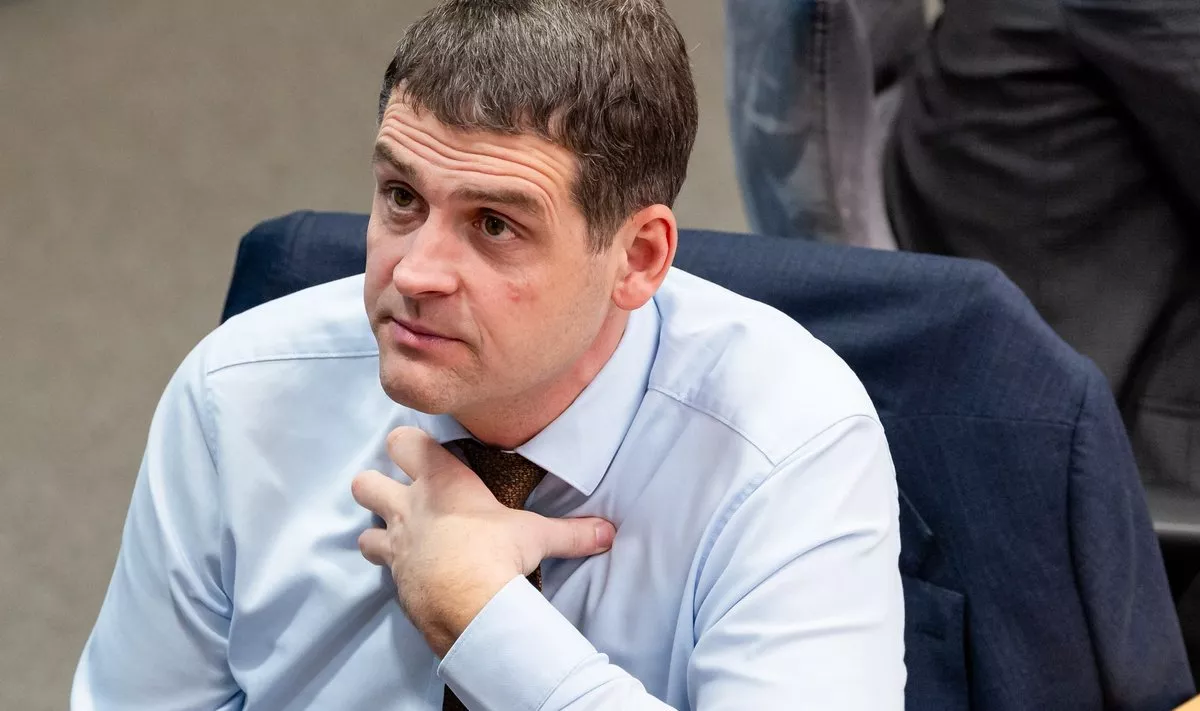
A similar position was voiced by the leader of the Dawn of Nemunas party, Remigijus Žemaitaitis. He advocates for negotiations with Belarus and the restoration of transit, noting that supplies are continuing anyway, but their rerouting through Russia benefits the Russian budget, whereas Lithuania could direct these funds toward its own needs, including defence.
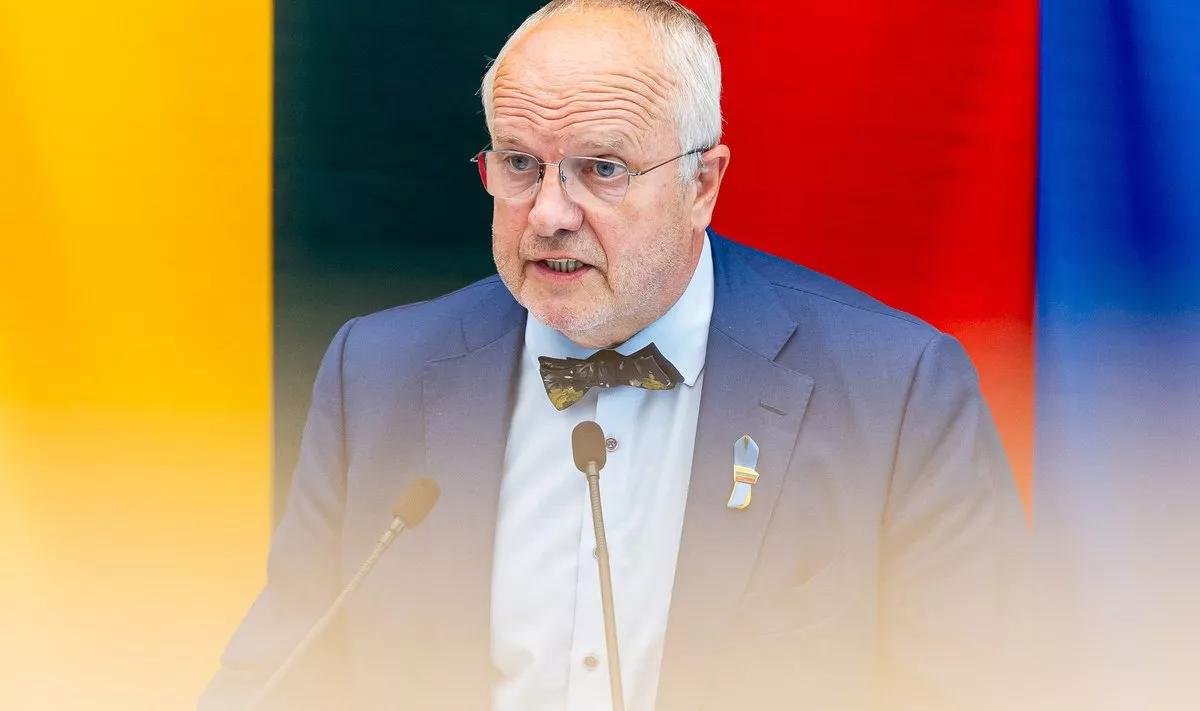
A hardline stance toward Belarus is taken by the Speaker of the Seimas, Juozas Olekas. However, even he acknowledged that a return to Minsk — if not of the Lithuanian ambassador, then at least of lower-level diplomatic representatives — could be useful.
Thus, the issue of normalising relations with Belarus has effectively split Lithuanian society today.
It is clear that the Lithuanian authorities find themselves in a difficult situation, balancing between external and internal factors. On one hand, there is the U.S. administration, which, judging by recent steps, leans toward a more pragmatic approach to Belarus based on its own national interests, as articulated by Donald Trump and his team. On the other hand, there is the influence of European elites, focused on maintaining a hardline stance and containing Minsk.
At the same time, internal contradictions are growing: part of the business sector is suffering significant losses due to the curtailment of cooperation with Belarus, while political circles are largely dependent on financial and institutional support from Brussels.
The question is whose favour this conflict will ultimately resolve in — in favour of Lithuania’s national economic interests, or according to the logic of pan-European containment policy.
Meanwhile, Belarus continues to declare its intention to adhere to a course of developing good-neighbourly relations with all its neighbours, regardless of the current political conjuncture.







 editor@caliber.az
 +994 55 444-88-98
 Азербайджан, Баку, ул. Низами, 203, Af Business House, 5-й этаж