










Belarus as a bridge between East and West Expert opinions on Caliber.Az
President of the Republic of Belarus Alexander Lukashenko has recently made a number of statements regarding the process of normalising relations with the West and has taken several successful steps in this direction. In particular, in 2025–2026, the United States lifted some restrictions on key sectors of the Belarusian economy, for example, those related to the export of potash fertilisers.
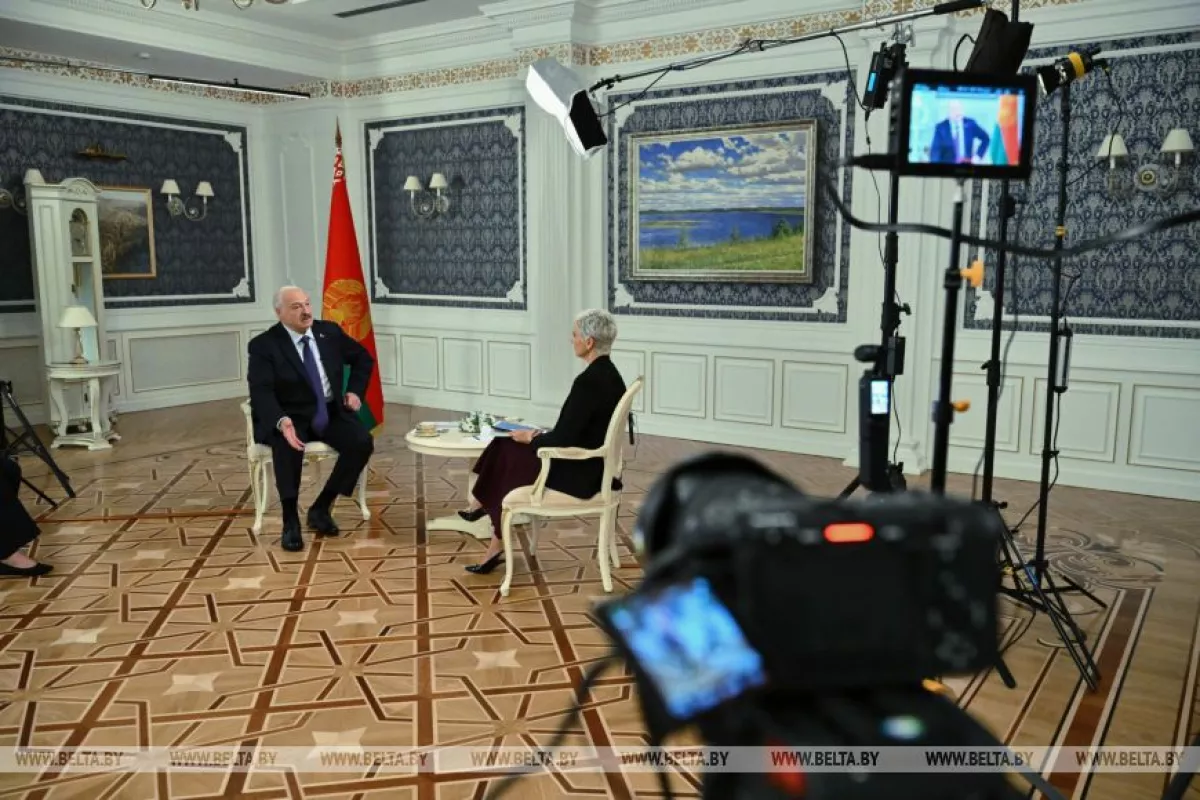
In a similar vein, Alexander Lukashenko also spoke in his recent interview with Al Arabiya, stating his readiness to build cooperation with the United States and the European Union, as well as the possibility of a meeting with the American president to discuss a broader partnership agreement with Washington.
“We started these negotiations with the Americans; we are ready to continue these negotiations with them, but on equal terms. No one will be able to dictate to us. We are ready to talk to Europeans, and we are already talking to them. We are ready for American and European representatives to seek to establish normal mutually beneficial cooperation with us. It is already clear to everyone — both Europeans and Americans — that such cooperation is necessary. Moreover, there is already a movement towards this cooperation. It is important that this continues,” Lukashenko said.
How is the process of Belarus’s rapprochement with the West assessed in Minsk and Moscow? Belarusian and Russian political analysts shared their views on this topic with Caliber.Az.
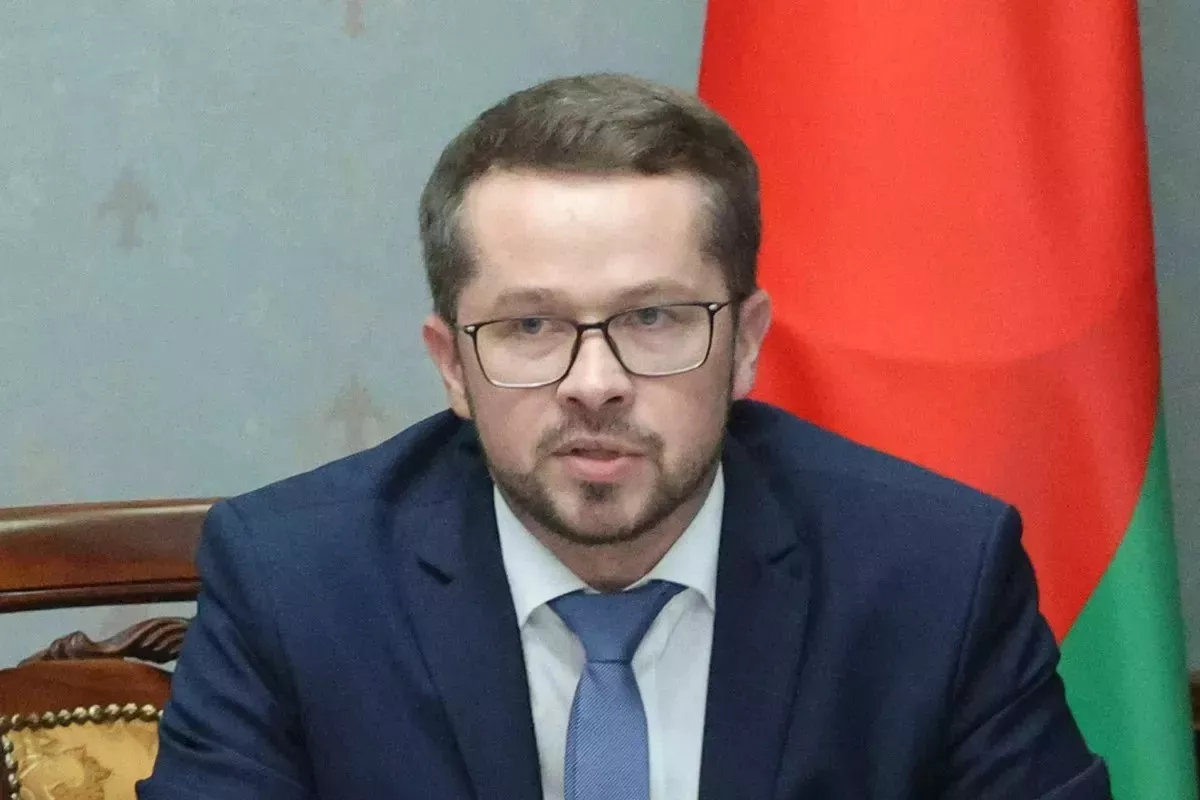
In this regard, Belarusian political scientist and Candidate of Political Sciences Oleg Leshenyuk noted that, for global actors, Belarus is no longer a source of instability, as the country does not create risks that could negatively affect Russia or the EU.
“Belarus needs the restoration of logistical routes through the EU in order to revive its presence on global commodity markets, particularly in the export of potash. Washington, in turn, is interested in an indirect channel for negotiations aimed at reducing tactical tensions, including the exchange of signals to prevent accidental escalation in Europe. It is precisely in this narrow corridor that the Belarusian function may prove useful,” he said.
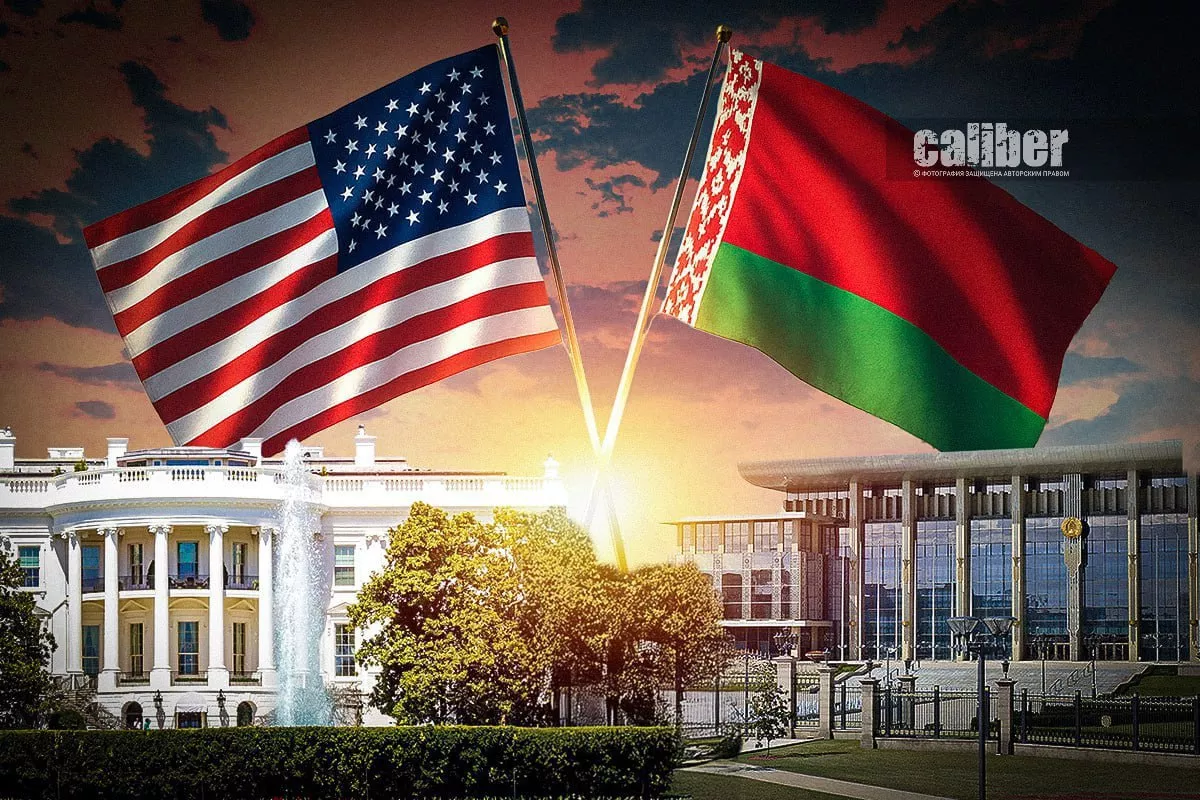
According to the political scientist, March 2026 marked a turning point in Belarus’s international positioning: Washington’s decision to send U.S. Special Envoy John Coale to Minsk, followed by the lifting of sanctions on several Belarusian enterprises, consolidated Alexander Lukashenko’s status as a negotiating partner.
“At the same time, Minsk signed a cooperation agreement with official Pyongyang without losing contact with Washington, and Belarus now maintains direct dialogue simultaneously with Moscow, Pyongyang, Beijing, and Washington, which gives the country special geopolitical significance on the international stage. Russia and China are in confrontation with the West, while the United States does not maintain diplomatic relations with the DPRK. In these circumstances, Minsk can act as a communication channel, a diplomatic intermediary for negotiations between the West and the East on any issues,” Leshenyuk stated.
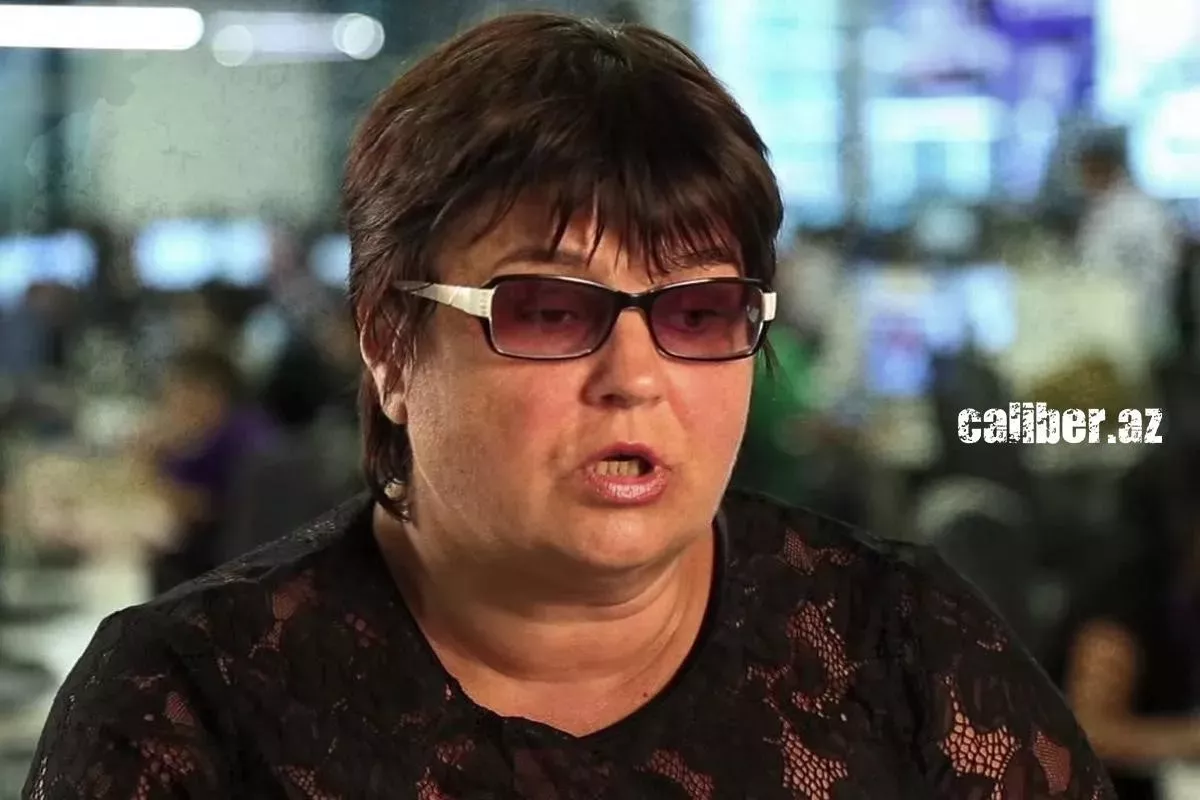
In turn, Doctor of Political Sciences, Candidate of Philosophical Sciences and diplomat Tatyana Poloskova believes that, in the current situation, Russian authorities are more interested in maintaining stable relations with Belarus than Minsk is.
“Moscow has few friends and allies left, and this primarily concerns the post-Soviet space. Why this has happened is a topic for a separate interview, and for now, based on Lukashenko’s recent statements, there are no particular grounds for the Russian side to escalate tensions with Minsk. On the contrary, every effort should be made to preserve allied relations. Otherwise, the Union State of Russia and Belarus will crack at the seams, just as is currently happening with the CSTO.
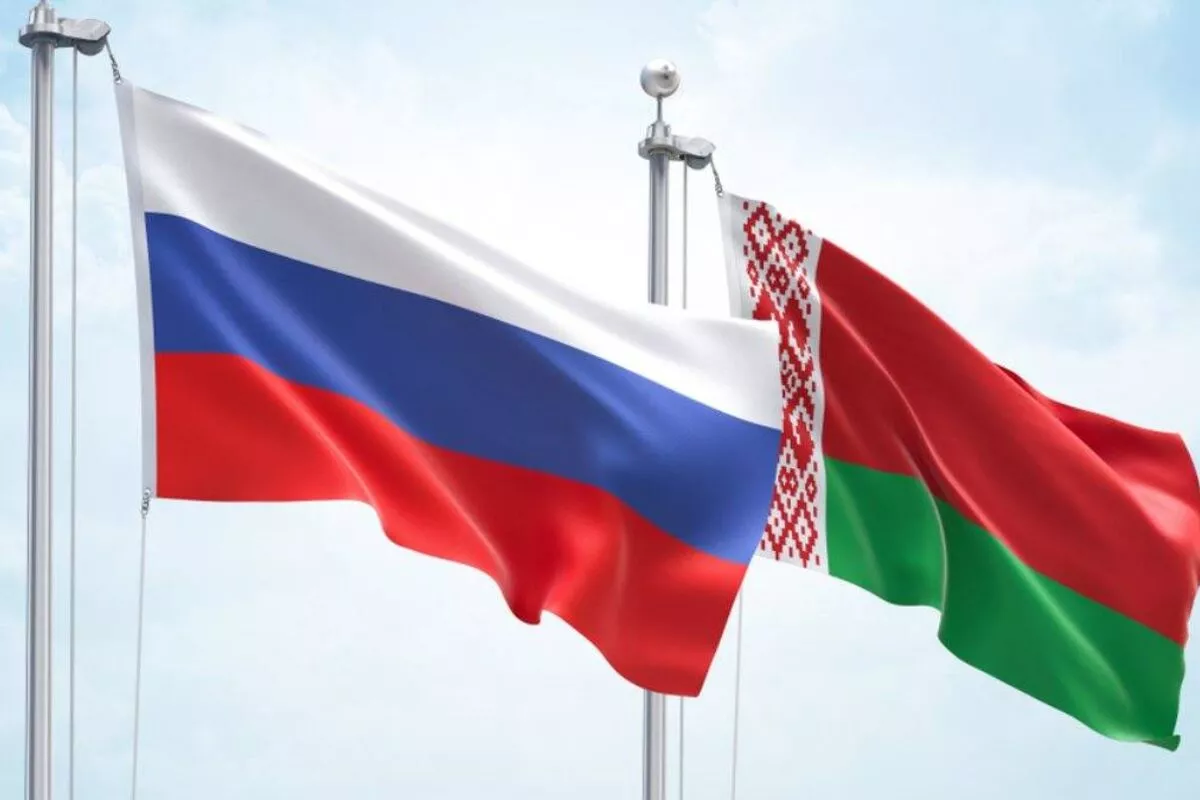
I conducted a monitoring of Belarusian students’ attitudes towards Russia back in 2019, both in the eastern and western parts of the country. In some places, we were even able to hold round tables at universities, and I can say that I did not notice a significant difference in their attitudes. In anonymous surveys, the majority expressed a desire to strengthen dialogue with EU countries, identifying ‘imperial ambitions of Russia’ and Moscow’s relations with Kyiv as a source of irritation. Then the war began, and conducting such research now is difficult, although I remain in constant contact with experts and some public figures in Belarus.
I can say unequivocally that Lukashenko’s statements about developing dialogue with EU countries are not only a reaction to the same shift by Armenia towards the West, but also a manifestation of a pragmatic approach. As a manager, Lukashenko chooses what is beneficial for his country’s economy, for strengthening social stability, and for preventing the outflow of population to EU countries,” Poloskova concluded.







 editor@caliber.az
 +994 55 444-88-98
 Азербайджан, Баку, ул. Низами, 203, Af Business House, 5-й этаж