










Christian values and national interest Georgia’s new European strategy
The complex relationship between Brussels and Tbilisi in recent years has, in fact, led to a situation where, despite Georgia’s modest size and limited economic potential, the country’s geopolitical significance has sharply increased as a kind of “European stronghold of Christian values.”
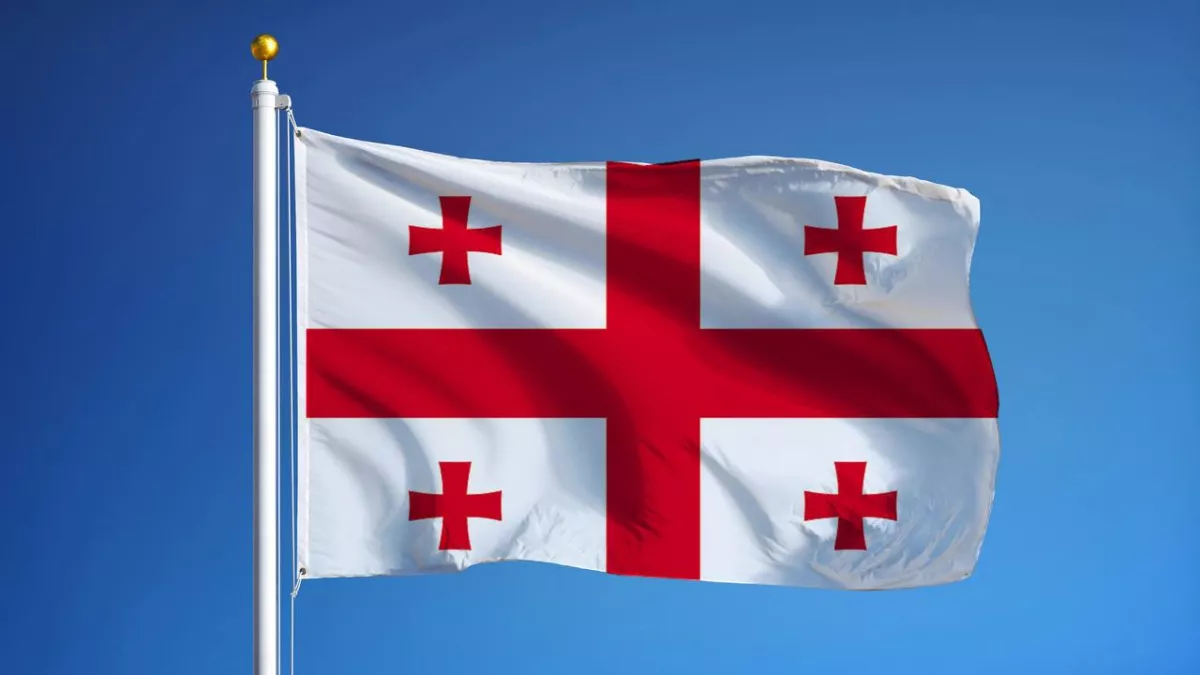
The Georgian authorities consciously refused to be “second-rate Europeans,” humbly carrying out any and all demands of the Brussels bureaucracy, no matter how destructive they might be for their country and people. In reality, the Georgian state was being instructed to “surrender” its sovereignty and national interests, to implement a liberal agenda at home that undermines traditional family values and morality, and to become “expendable” in European geopolitical games. All of this was promised in exchange for vague assurances that the country would one day be admitted to the European Union.
The government refused to obey these deadly prescriptions and directives from Brussels. In response to this “disobedience,” the ruling circles of the EU in 2024–2025 focused on organising a “Maidan” in Georgia—a coup through street protests escalating into unrest. But the Georgian authorities stood firm. The positions of the ruling “Georgian Dream” party strengthened, while the “pro-European” opposition discredited itself in the eyes of the population through its failed attempts at “revolution,” effectively becoming a community of marginalised actors.
And although the ruling circles of the European Union, it seems, are still not ready to talk to official Tbilisi on equal terms—or at least with respect for Georgia’s state sovereignty—the country’s role in European politics has noticeably strengthened. De facto, Georgia is acquiring the status of a “Christian centre of Europe,” becoming a point of reference for many right-conservative forces across Europe.
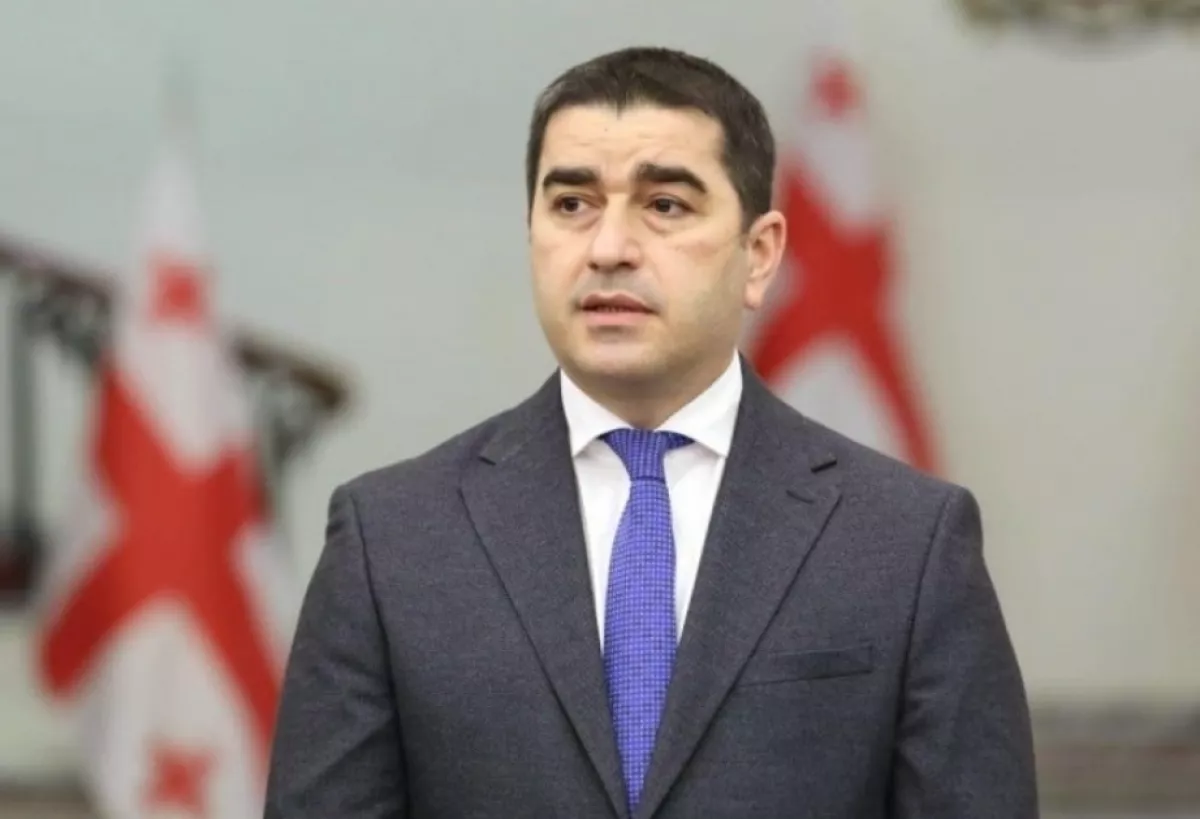
At the same time, representatives of the Georgian authorities increasingly signal that Georgia has its own vision of Europe’s future, one that does not fully align with the prevailing views in Brussels.
“For us, Europe is not a geopolitical project or a bureaucratic union, but a value-based and civilizational space, one shaped also by Georgians. The European Union is one manifestation of Europe—it is neither the first nor the last.
The fact that Georgia is not a member of the European Union does not mean that Georgia is not Europe or is any less European than others. Therefore, we cannot accept a mentoring tone from Brussels or any EU capital regarding European values—values that Georgia has often defended alone during the most difficult periods of history,” said the Speaker of the Georgian Parliament, Shalva Papuashvili.
He also added that Georgia seeks membership in international organisations to strengthen the freedom, security, and well-being of the state—not the other way around: “Every state decision must be measured by one standard only: the national interest. Protecting national interests and sovereignty is everyone’s duty.” According to him, “Georgia was ready to loudly reject the logic of war, stand on the side of peace and return to the political epicentre of the crisis, the main concept - the national interest of Georgia, as the main determinant of our statehood.”
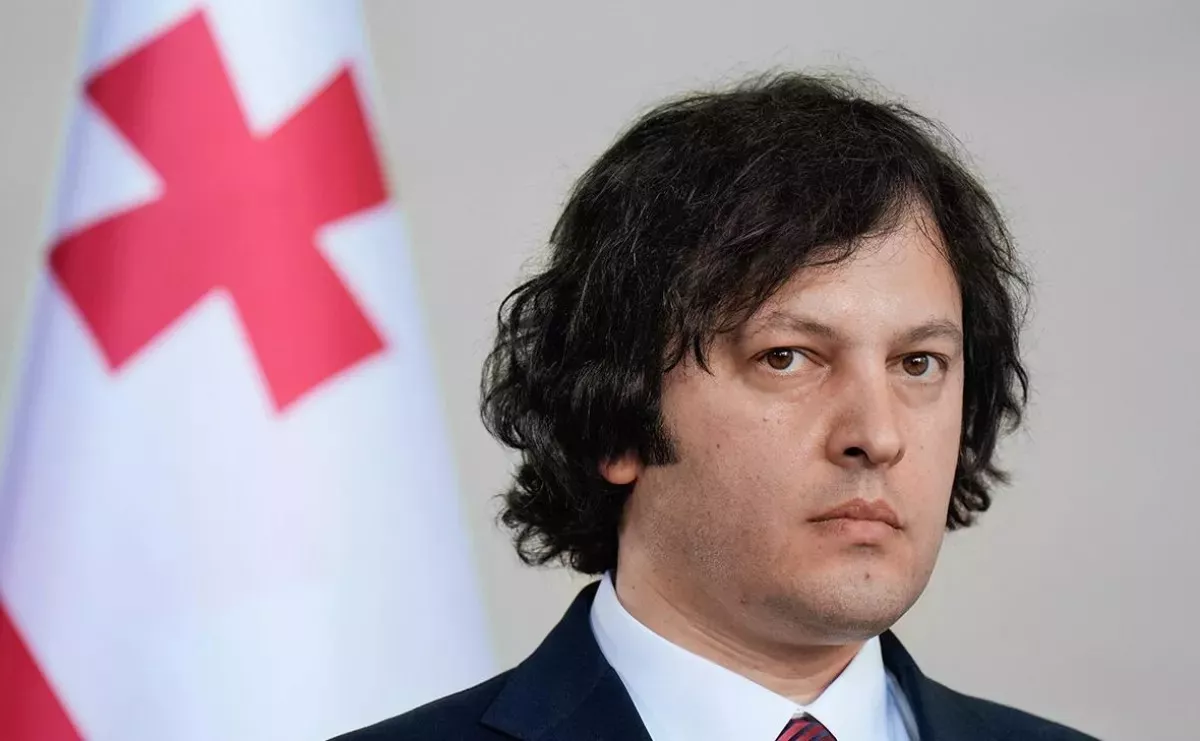
Unlike many liberal EU leaders, such as French President Emmanuel Macron, the Georgian leadership places Christian values at the forefront and openly declares their protection. On March 21, 2026, the country’s Prime Minister, Irakli Kobakhidze, in his speech at the 5th Conservative Political Action Conference (CPAC) in the Hungarian capital, emphasised that Christianity is an integral part of Georgia’s history, noting that this year the country will mark the 1,700th anniversary of the proclamation of Christianity as the state religion.
He stated that Georgia’s adoption of Christianity was a turning point for the Georgian people, shaping the spiritual and cultural development of the nation: “For centuries, our faith has influenced our values, culture and moral outlook. Faith has provided strength and guidance for generations, helping our nation endure challenges and preserve its identity through difficult periods of history. The Christian cultural foundation remains central to who we are as a society.”
The prime minister also emphasised that throughout history, the ancestors of the Georgian people have viewed Europe as a space where they could preserve their Christian identity: “Therefore, Georgia remains committed to its European integration path, but we pursue this path with dignity – with full respect for our heritage, faith, independence and sovereignty, which is a very difficult task.
We sincerely hope that Europe will regain its sovereignty, Christian identity and economic strength before Georgia becomes a member of the European Union.”
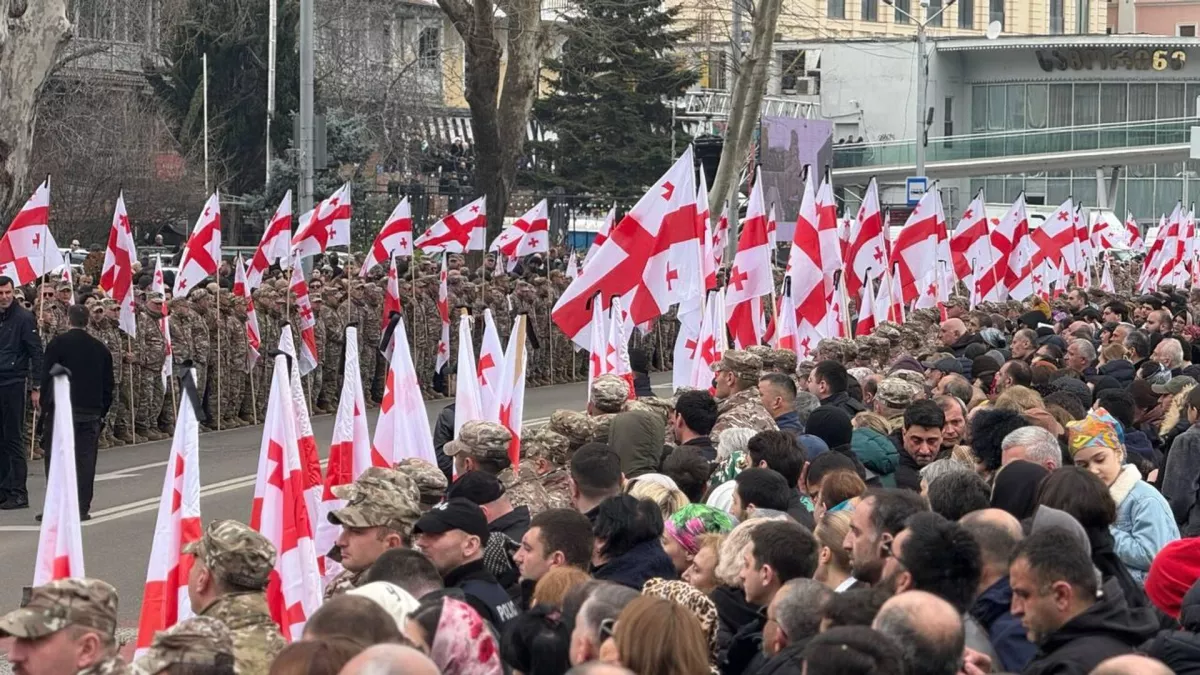
The centrality of Christian values to Georgian statehood became particularly evident during the funeral of Catholicos-Patriarch Ilia II, who passed away on March 17 of this year at the age of 94. It was truly a nationwide period of mourning. The country observed official mourning from March 18 to 22. Leaders of neighbouring countries expressed condolences to the Georgian people, primarily the Presidents of Azerbaijan—Ilham Aliyev—and Türkiye—Recep Tayyip Erdoğan. However, no condolences came from European leaders, who until recently had frequently issued ultimatums demanding that the rights of the radical pro-Western Georgian opposition be “respected.”
Shalva Papuashvili drew attention to this, noting that such an attitude revealed a “civilizational abyss” between the current EU leaders and the Georgian people. According to him, European leaders “suddenly come out and make comments” whenever political events occur in Georgia that they dislike, yet “in such a time of grief, they could not find words, time or emotion”: “they do not understand this emotion that we have towards our Church, the Patriarch and the true values on which Georgia stands.”
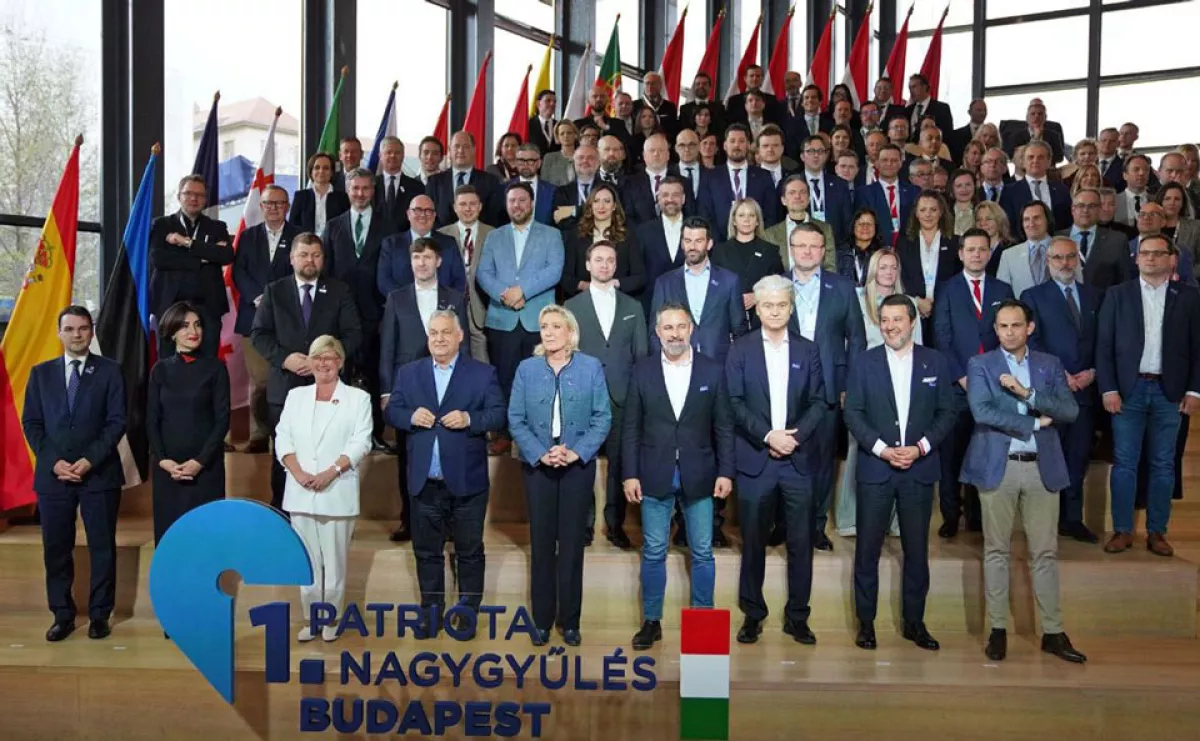
At the same time, Foreign Minister Maka Botchorishvili, who on March 23 participated in the “Patriots for Europe” Political Community Assembly in Budapest, paid particular attention to protecting Georgia’s national interests in the process of European integration.
“Following the collapse of the Soviet Union, Georgia regards European structures - particularly the European Union - as the most effective guarantor for its sovereignty. It is for precisely this reason that we submitted an application for European Union membership and that we concluded the Association Agreement with the EU in 2014. …Unfortunately, after applying for EU membership, we have seen that this very important topic - which is crucial for Georgia and for around 80% of Georgians - has been turned into a tool for pressure and internal political games, and for foreign influence and interference into domestic affairs, which should be not acceptable for any state,” stated the Georgian foreign minister.
She also emphasised that sovereign decision-making is vital for maintaining peace and ensuring stability in the country, especially amid regional challenges: “When it comes to security, making sovereign decisions is crucial for ensuring peace, stability, and also economic growth in the country. Georgia’s annual economic growth stands at approximately 9.5%, an impressive figure in the European context. Achieving such results is possible only in one way—we must safeguard our country’s sovereignty and must not jeopardise peace in this complex geopolitical environment.”
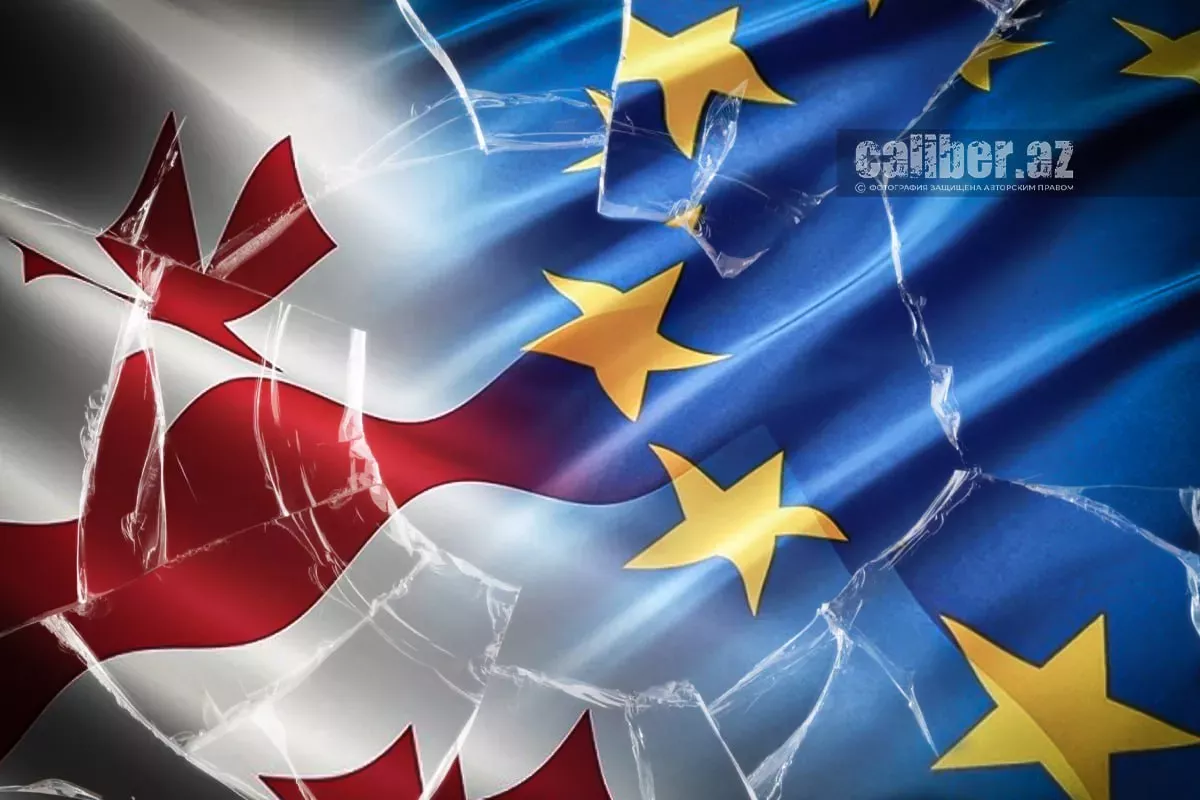
In fact, Shalva Papuashvili, Irakli Kobakhidze, and Maka Botchorishvili all highlighted the main reason Georgia chose European integration. Above all, it is the preservation of state sovereignty and identity, as well as ensuring security, stability, and economic development. In all these respects, today’s European Union openly disappoints Tbilisi. Instead of supporting Christian values, the EU leadership aggressively promotes a liberal agenda entirely at odds with Christianity, including LGBT advocacy. In return for security, the country was being pushed toward a war with Russia that would have been utterly devastating for both Georgia and the South Caucasus region.
Moreover, a unified Europe, currently in a state of stagnation, simply cannot significantly help the country with economic development due to its own economic problems and geographic distance. As a result, the European Union today has increasingly less economic influence over Georgia, whose current economic growth is driven mainly by leveraging its transit potential and mutually beneficial cooperation with neighbouring countries—primarily Azerbaijan and Türkiye—as well as with China. Unlike the leadership of the European Union, these countries respect Georgia’s national sovereignty and identity, refraining from interference in its internal affairs.
By Vladimir Tskhvediani, Georgia, exclusively for Caliber.Az







 editor@caliber.az
 +994 55 444-88-98
 Азербайджан, Баку, ул. Низами, 203, Af Business House, 5-й этаж