










Collapse of Georgia’s pro-French clan Former Prime Minister Garibashvili sentenced
This week, the Tbilisi City Court sentenced former Georgian Prime Minister Irakli Garibashvili to five years in prison for laundering illegally obtained income on an especially large scale (Part 3 of Article 194 of the Criminal Code).
Garibashvili served as prime minister twice, from 2013 to 2015 and from 2021 to 2024. He also held key government positions, including Minister of Internal Affairs (2012–2013) and Minister of Defence (2019–2022).
Had he not reached an agreement with the prosecution, he would have faced a possible prison sentence of nine to twelve years.
“According to the plea agreement concluded between the Prosecutor’s Office of Georgia and the accused Irakli Garibashvili, the former Prime Minister has been sentenced to five years of imprisonment for committing a crime provided for under Article 194, Part 3 of the Criminal Code of Georgia.
He has also been imposed an additional penalty in the form of a fine amounting to 1 million GEL [$371,120]. Furthermore, funds obtained through criminal activity and seized during the search of his residence will be confiscated in favour of the state. Irakli Garibashvili admits the committed crime and agrees to the terms of the plea agreement,” the prosecutor’s office said in a statement.
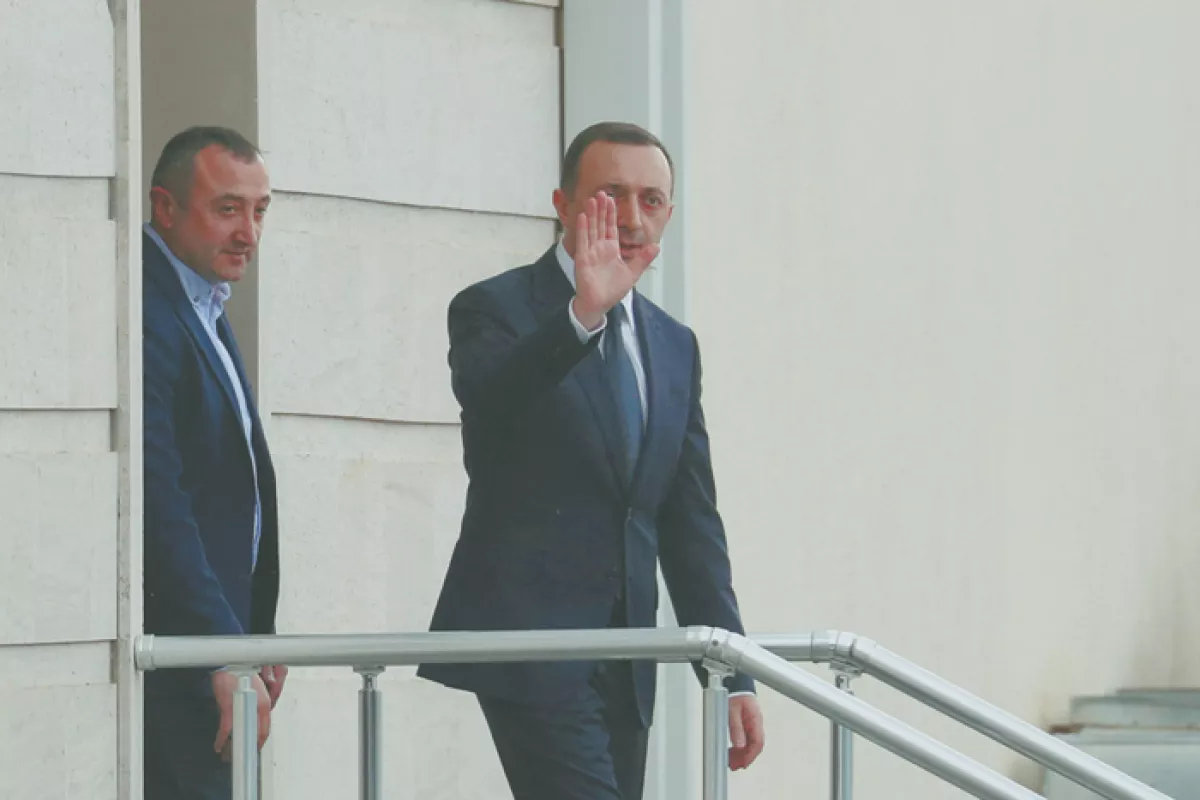
The sentence handed down reflects not only the exposure of corruption-related facts but also serious “geopolitical divergences” between the former prime minister and the leadership of the Georgian Dream party. Garibashvili was long regarded as one of Georgia’s most openly “pro-French” politicians, not least because during his student years he studied at the Sorbonne while simultaneously attending Tbilisi State University. He actively promoted Georgian–French cooperation in the military sphere.
During his first term as prime minister, preparatory work was underway on an agreement under which Georgia would deploy its military personnel to Central African countries on peacekeeping missions, while France, in turn, would supply Tbilisi with an air defence system.
“The French even agreed to provide this system on credit. We could have repaid it over roughly seven years. Had we launched this project in 2013–2014, by 2021, Georgia’s airspace and all of our critical infrastructure would have been protected,” Irakli Alasania, who served as defence minister in 2014, said in an interview with Radio Liberty in February 2025.
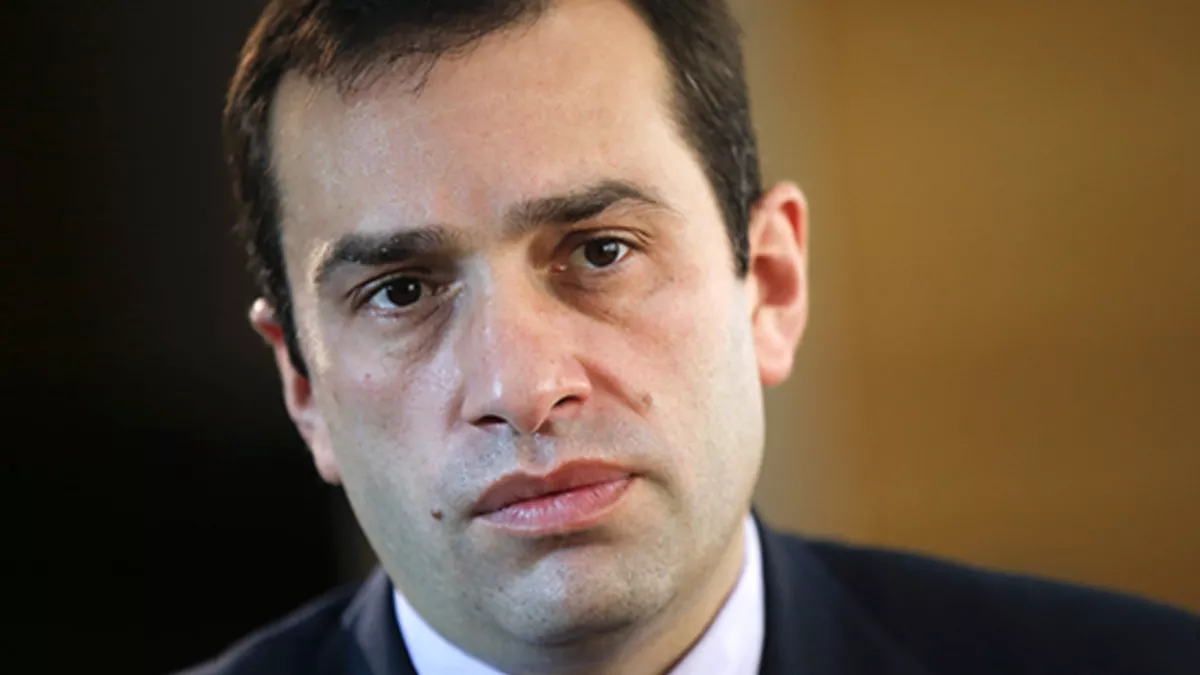
France’s “generosity” in offering air defence systems to Georgia on credit in 2014 makes sense in hindsight, given subsequent developments. Paris was not only interested in using the Georgian contingent as “field labour” to protect French interests in Africa; it was already clear that France intended to turn Armenia into a military outpost in the South Caucasus, with Georgia serving primarily as a strategic transit corridor.
At the time, Armenia remained firmly anchored in its partnership with Russia, and the prospect of French air defence deliveries to Yerevan was not yet on the agenda. Nevertheless, the growing sense of “disillusionment” among Armenian nationalists with their alliance with Moscow already suggested the possibility of a future geopolitical reorientation toward Paris. That shift ultimately materialised after Armenia’s defeat in the Second Karabakh War.
Had France provided Georgia with an air defence system, reorienting Armenia toward comparable French solutions would have been largely a technical matter. Moreover, having received air defence systems on credit, Tbilisi would have been unlikely to obstruct the transit of similar weapons to Yerevan through its territory. This could ultimately have led to a form of “synchronisation” and even partial “unified command” of Georgian and Armenian air defence systems under French patronage.
In this way, beginning with the delivery of French air defence systems, a kind of French-controlled “military corridor” could have emerged in the South Caucasus. Under such circumstances, Georgia would have risked being drawn—contrary to its own national interests—into the aggressive ventures of Armenian nationalists and into France’s broader geopolitical projects.
Looking ahead, it should be noted that Paris’s plans to establish such “military corridors” in the South Caucasus ultimately failed. A different initiative has since come to the forefront in the region: the so-called “Trump Route” (TRIPP), promoted in defiance of France’s earlier calculations, which had relied on Armenian revanchist forces.
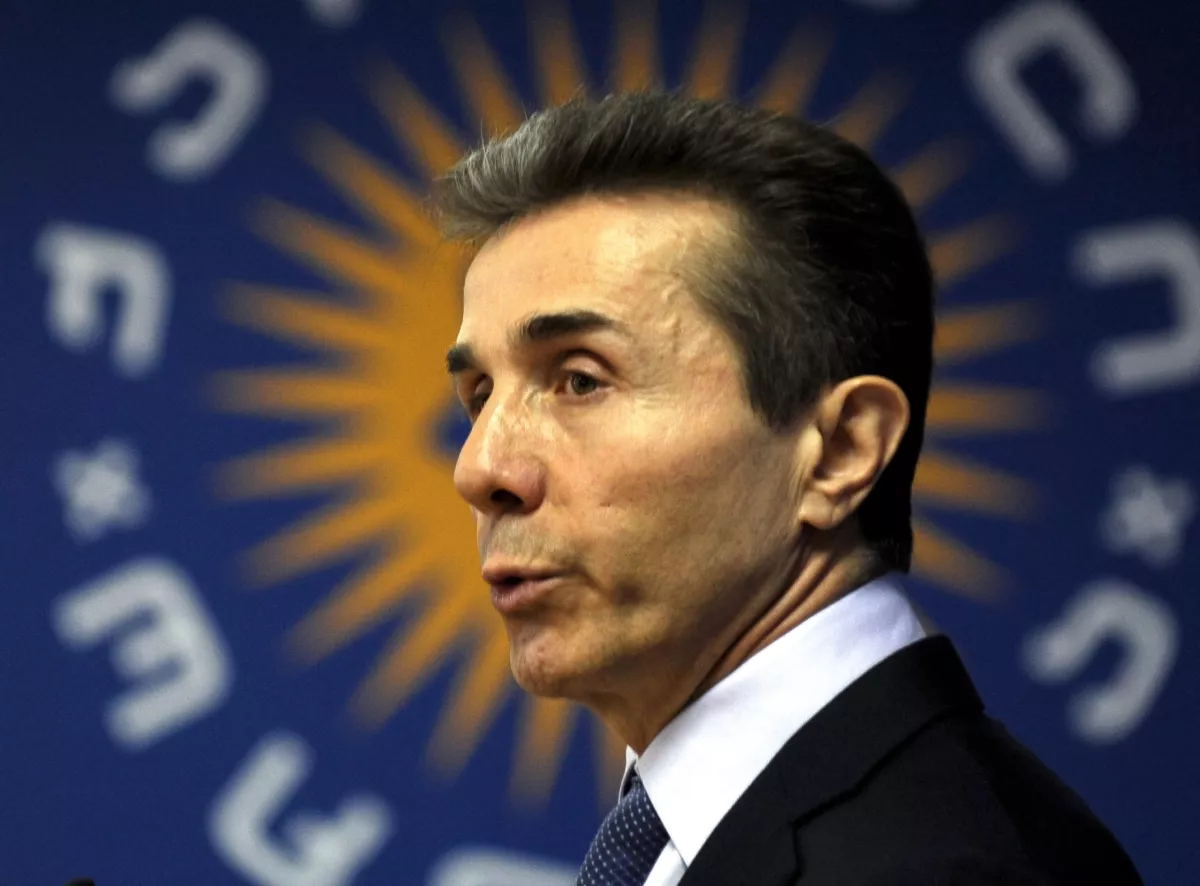
As early as 2014, Bidzina Ivanishvili, the founder and leader of the Georgian Dream party, recognised the risks of drawing Georgia into a “geopolitical trap” through military cooperation with France. Irakli Garibashvili, who was effectively overseeing the negotiations with Paris on air defence systems, was ultimately compelled to cancel the agreement under pressure from Ivanishvili.
That decision triggered the resignation of Defence Minister Irakli Alasania, who had been directly involved in the negotiations. In 2015, Garibashvili himself also stepped down as prime minister.
Garibashvili’s return to the premiership in 2021 was once again marked by an intensification of Georgia’s cooperation with France across multiple sectors. Notably, an agreement was reached to provide Georgia with €483 million over a three-year period through the French Development Agency (AFD). The funds were earmarked for projects in energy, healthcare and social protection, agriculture, regional development, and other areas.
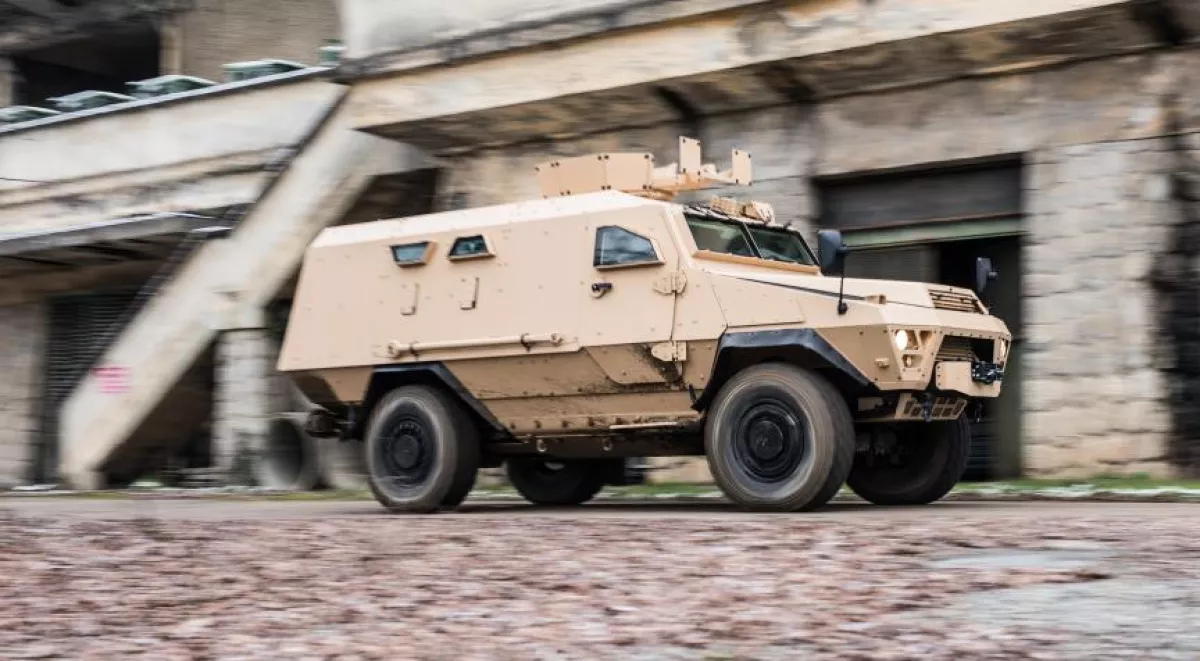
The peak of Irakli Garibashvili’s promotion of French interests at the expense of Georgia’s own can be seen in the transit of French Bastion multi-purpose armoured vehicles through the port of Poti and across Georgian territory en route to Armenia. These shipments proceeded despite a prior appeal from Azerbaijan’s Ministry of Foreign Affairs urging the international community to “refrain from arming Armenia.”
Within the ruling Georgian Dream party, concerns grew that Garibashvili’s increasingly overt “drift” toward Paris and Yerevan was shifting the geopolitical balance in the South Caucasus—undermining regional stability. Consequently, the party decided to replace the prime minister. In February 2024, Garibashvili resigned from the premiership for the second time, and Irakli Kobakhidze assumed office.
Irakli Garibashvili’s active promotion of French interests in Georgia and across the South Caucasus demonstrates that Paris’s “patronage” was indeed real. Had French influence over Georgian politics persisted, France would almost certainly have sought to shield the former prime minister from accountability for corruption. Garibashvili’s prosecution nonetheless highlights a definitive rupture between France and Georgia’s current leadership. Moreover, the ruling party no longer considers the French position in its decision-making, and responsibility for this cooling of relations lies squarely with Paris.
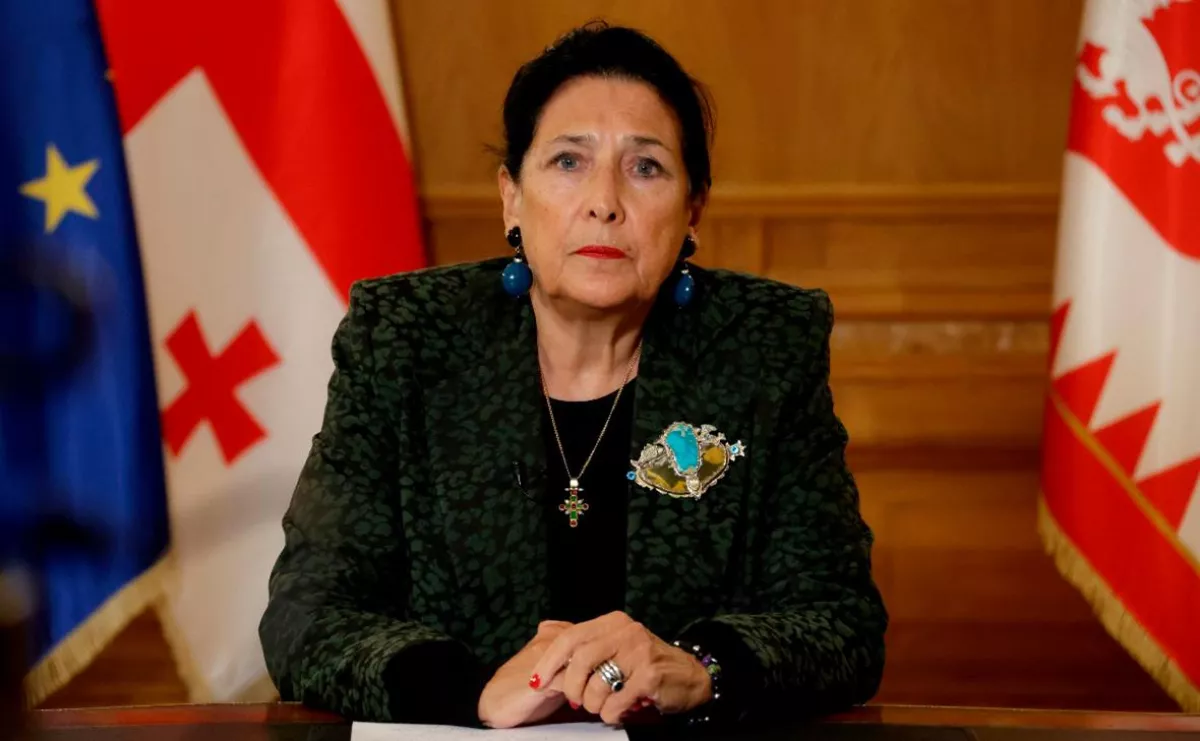
By spring 2024, it had become clear that France was supporting the unconstitutional removal of the Georgian Dream party and the rise of the radical pro-Western opposition, including career diplomat Salome Zourabichvili. Paris actively sought to back attempts at a “Maidan-style” coup in 2024–2025, from orchestrating protests in Tbilisi against the so-called “foreign agent” law to large-scale street demonstrations following Prime Minister Irakli Kobakhidze’s announcement on November 28, 2024, of a suspension of EU integration.
During this critical period, Irakli Garibashvili, having resigned as prime minister in February 2024 at a pivotal moment for Georgian Dream, offered virtually no support to the party, despite formally remaining its head until April 2025. At the “peak” of the protests, reports even suggested he favoured a “compromise” with demonstrators. Yet, as the opposition increasingly resorted to coercive pressure and attacks on security forces, it became clear that any concessions would only exacerbate the situation, heightening the risk of an unconstitutional transfer of power and provoking widespread chaos.
Nevertheless, attempts to stage a coup in Georgia, as anticipated by Brussels and Paris, have so far failed. The consolidation of power by the Georgian Dream party has created an opportunity for a systemic fight against corruption among officials who, for many years, had operated with an eye toward French interests.
By Vladimir Tskhvediani, Georgia, exclusively for Caliber.Az







 editor@caliber.az
 +994 55 444-88-98
 Азербайджан, Баку, ул. Низами, 203, Af Business House, 5-й этаж