










Contours of TRIPP and the tears of Greenland Caliber.Az weekly review
The Caliber.Az editorial team presents the latest episode of the programme “Events” with Murad Abiyev.
Azerbaijan – Armenia
On January 13, the President of Azerbaijan, Ilham Aliyev, visited the Tartar and Aghdara districts. During the trip, he inspected the progress of restoration works and met with residents of several villages in the Aghdara district. In conversation with them, the President emphasised that “Azerbaijanis have returned to their ancestral lands and will live here with pride, happily, and comfortably,” adding: “ I am confident that from now on there will be no more war. The Azerbaijani state is a strong state.”
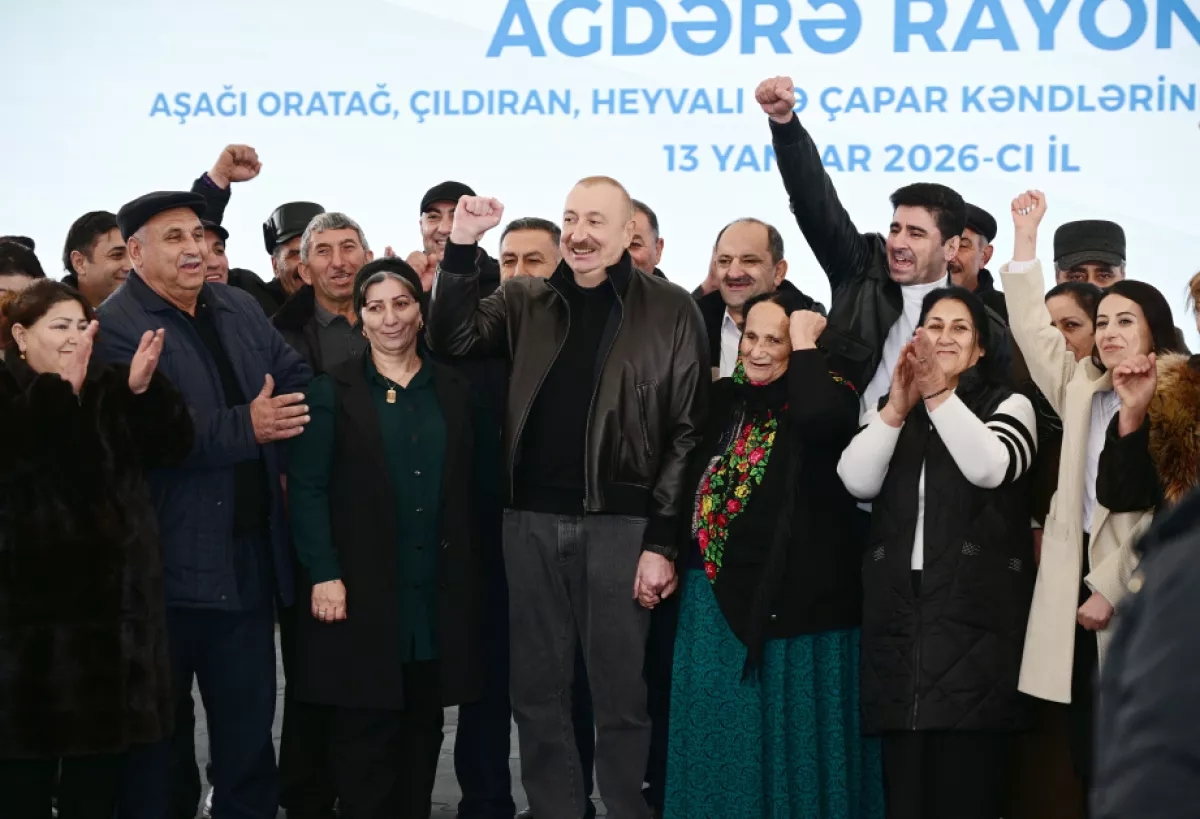
The head of state’s confidence that wars will no longer occur is not just a figure of speech coming from the leader of a victorious country. It is the result of the Azerbaijani state’s policies, aimed at strengthening sovereignty—not only its own but that of the entire South Caucasus region.
The absence of war in a world torn by conflicts and drawn into a spiral of escalation has become a rare resource. The South Caucasus has every chance to finally turn the page on enmity and become a region of cooperation and prosperity. One element of this new reality in Baku–Yerevan relations was the joint inspection by representatives of Azerbaijan and Armenia of the current state of the Sadarak–Yeraskh railway section.
Meanwhile, in accordance with the bilateral agreement reached between Azerbaijan and Armenia, and guided by principles of humanitarianism, four individuals—Vagif Khachatryan, Gevorg Sujyan, David Davtyan, and Vigen Euljekjian—who had been convicted under various articles of the Criminal Code of the Republic of Azerbaijan and were serving their sentences in our country, were transferred to Armenia. This process is undoubtedly a practical outcome of the peace established between Azerbaijan and Armenia.
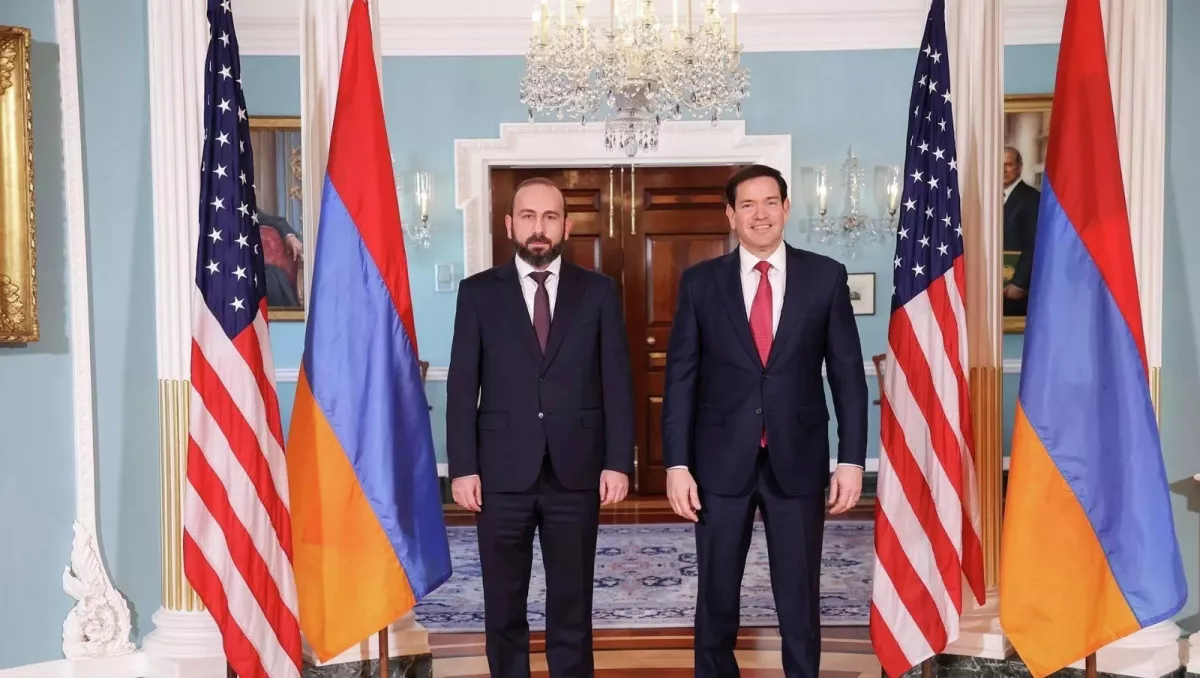
In Washington, U.S. Secretary of State Marco Rubio and Armenian Foreign Minister Ararat Mirzoyan approved the Framework Programme for the implementation of the TRIPP project, also known as the “Trump Route,” which constitutes the Armenian section of the Zangezur Corridor. The document outlines, in general terms, the contours of TRIPP’s future functioning. It highlights features such as multimodality and extensive use of advanced technologies.
The issue of uninterrupted transit from the main part of Azerbaijan to the Nakhchivan Autonomous Republic is of primary interest to Baku. In this regard, attention is drawn to the section of the document describing the operation of the front and back offices: “To enhance efficiency while maintaining Armenia’s sovereignty and jurisdiction, TRIPP is expected to employ a ‘front office – back office’ model, using digital tools to facilitate unimpeded connectivity,” the relevant clause notes.
The document further reveals that private operators hired by the TRIPP Development Company will work “on the front line”—receiving documents, advising participants, coordinating flows, and processing payments, that is, providing, as the document itself states, “customer-facing services.” At the same time, all final decisions—from customs clearance and security control to migration issues—will be made by Armenian state authorities.
The main idea behind this format is expressed in the programme by the phrase: “Front office operators facilitate; they do not decide.” This can be interpreted as a mechanism to ensure uninterrupted transit for Azerbaijani vehicles while fully preserving Armenia’s national sovereignty.
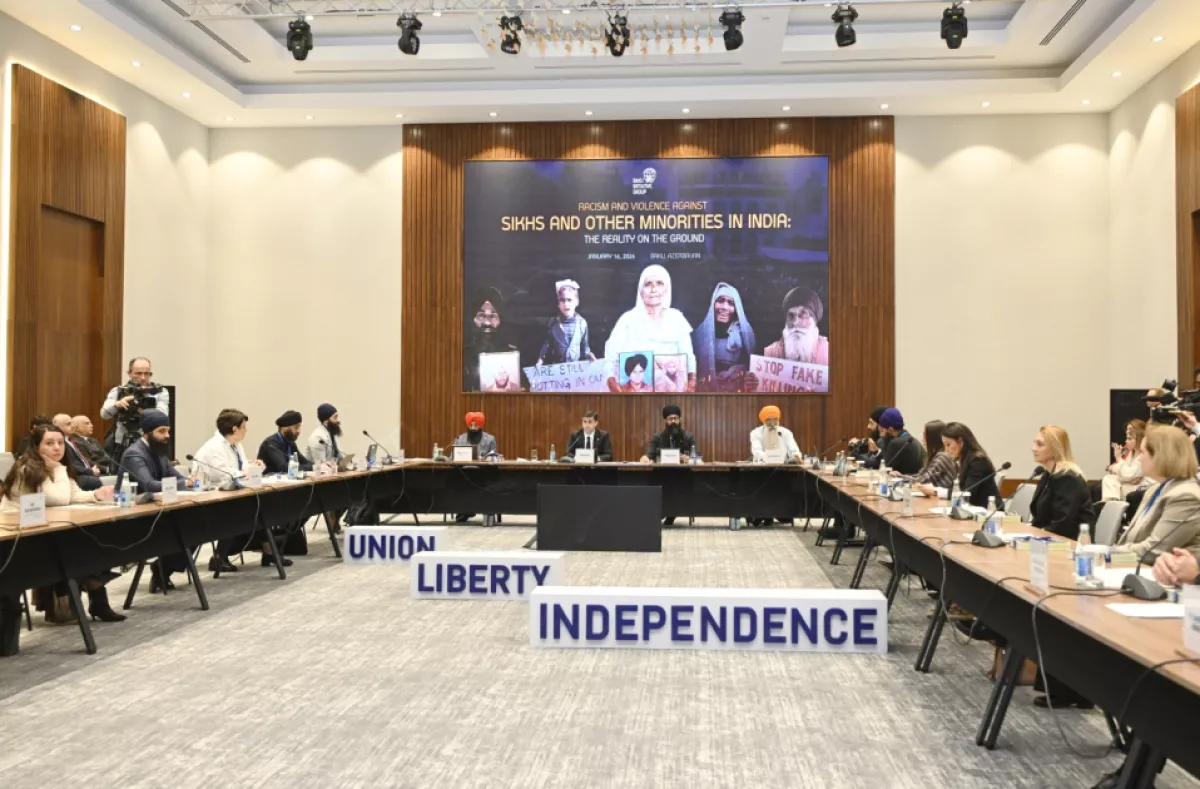
Meanwhile, the Baku Initiative Group held a conference titled “Racism and Violence Against Sikhs and Other Minorities in India: The Reality on the Ground.” The event was attended by representatives from Pakistan’s Punjab province, Sikh communities from Canada, the United Kingdom, and the United States, as well as international experts on human rights and ethnic minorities. Participants reported on the repressive policies of Indian authorities. The Baku Initiative Group and the International Sikh Federation issued an appeal to the international community, calling for global action against violence targeting Sikhs.
Under the current Prime Minister Narendra Modi, India has long suppressed the rights and freedoms of the country’s non-Hindu population with impunity. Presumably, the upcoming meeting in Baku will mark a starting point in holding the Indian authorities accountable.
We have already seen how the Baku Initiative Group can disrupt the plans of apologists for neo-imperialism and intolerance in the case of France. Now it is New Delhi’s turn to be brought to reason.
Iran
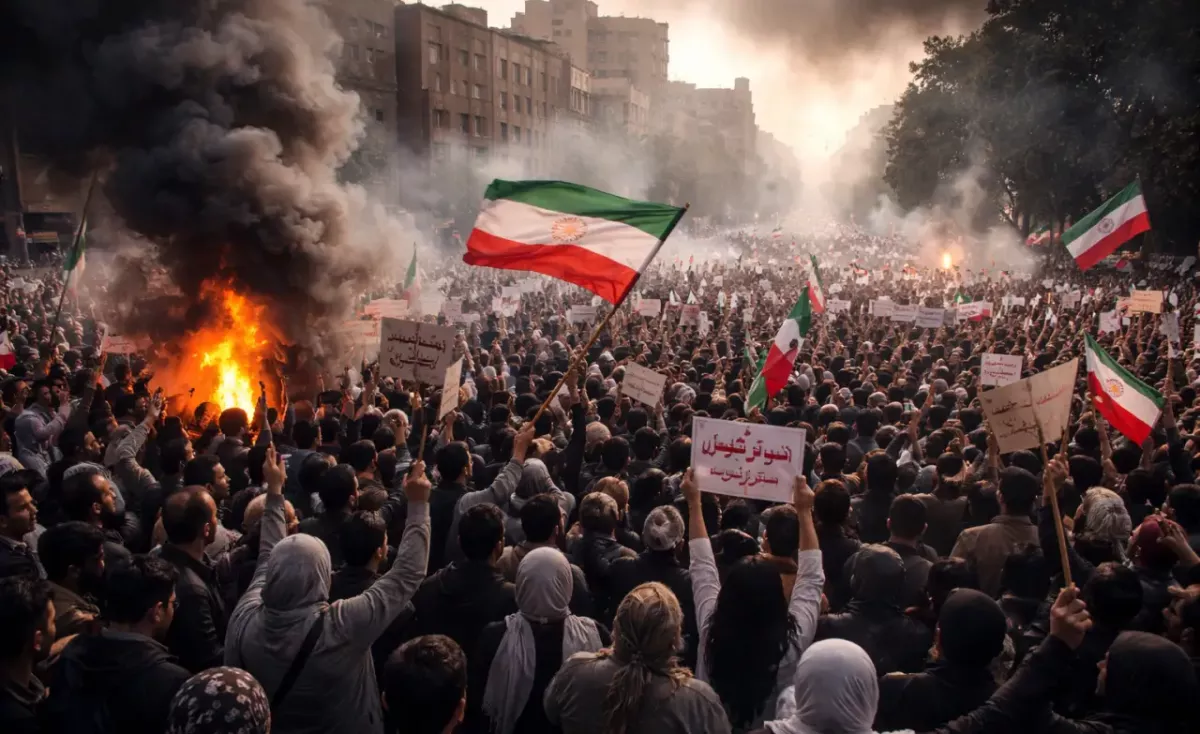
On the night of January 14–15, the entire world waited in anticipation of possible U.S. airstrikes on Iran, intended to support protesters facing repression in the country. However, no strikes occurred. Speaking from the Oval Office, President Trump stated that, to his knowledge, the killings of protesters in Iran had stopped, and previously planned executions had been cancelled. It should be recalled that the threat of a U.S. strike was directly linked to the repression of protesters in the country.
Most commentators agree that Trump called off the attack because he was not confident it would produce an unambiguously positive outcome for the United States. Nevertheless, this does not mean that pressure on the Islamic Republic will cease, nor that Washington will not seize the next opportunity to strike, especially given that the crisis conditions persist.
US – Europe
Greenland has once again transformed from a quiet Arctic island into a point of global tension. U.S. President Donald Trump stated that the island is vital for the deployment of the “Golden Dome” missile defence system. Previously, the White House highlighted Greenland’s importance in deterring Russia and China. Trump claimed that Russian and Chinese ships are present all around the island.
The U.S. president called on NATO to lead efforts to annex Greenland to the United States. In his view, the North Atlantic Alliance becomes “far more formidable and effective with Greenland in the hands of the United States.”
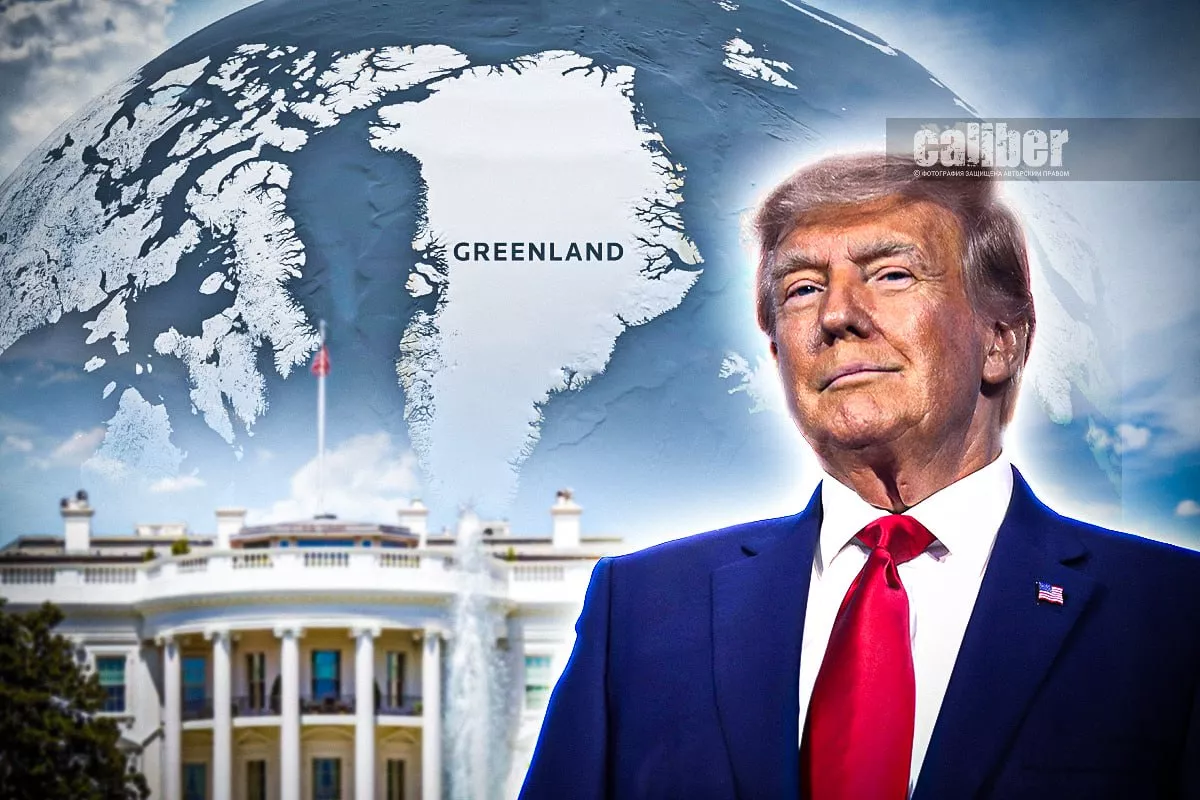
Although the American president did not explicitly declare a willingness to seize the island, many commentators interpret some of his statements precisely in this way.
One might ask: what prevents the Americans from using Greenland jointly with their NATO partners, especially since there is already a U.S. base on the island with approximately 100 military personnel?
Trump’s reluctance to act is explained by his limited confidence in NATO’s long-term stability—and, in fact, he himself contributes to shortening that perspective. Meanwhile, Europeans have hastily deployed several military units to the island, which looks somewhat comical against the backdrop of U.S. determination and military might. However, it is possible that in a few years Europe could strengthen its armed forces to the point that removing them from the island would become a difficult task. This is why Trump wants Greenland here and now.
Beyond the missile defence factor, experts explain the increased U.S. geopolitical interest in Greenland by the melting Arctic ice, which improves navigation conditions, as well as the presence of rare earth mineral deposits on the island. Add to this the general doctrine reaffirmed by Washington in the new Monroe Doctrine, which treats the entire Western Hemisphere as a sphere of U.S. interests, and it becomes clear that Trump is serious.

The Danish-Greenlandic delegation, after flying to Washington, left the negotiating room in confusion, while the Greenlandic Foreign Minister even broke down in tears. It seems that these are not just tears, but melting Arctic glaciers mourning the last moments of European tranquillity.







 editor@caliber.az
 +994 55 444-88-98
 Азербайджан, Баку, ул. Низами, 203, Af Business House, 5-й этаж