










Corruption scandal lifts the mask on EU hypocrisy Expert opinions on Caliber.Az
Former European Union High Representative for Foreign Affairs and Security Policy Federica Mogherini has been detained in Belgium on suspicion of fraud, according to reports by Le Soir and L’Echo, citing informed sources.
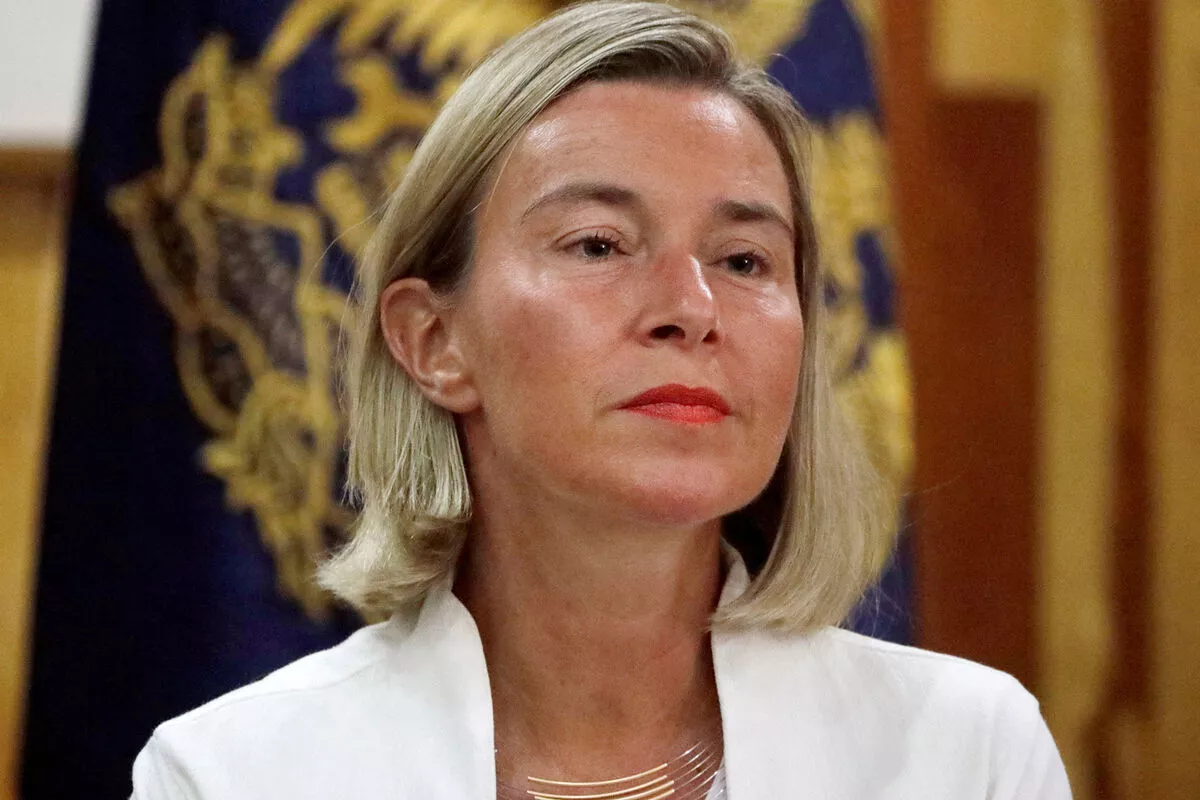
The investigation concerns potential violations in the awarding of government contracts, corruption, conflicts of interest, and breaches of professional confidentiality at the College of Europe in Bruges, where Mogherini has served as rector since 2020.
According to Le Soir, the case involves alleged irregularities in the funding of a nine-month diplomatic training programme. Euractiv, also citing sources, clarified that the case relates to a tender for the purchase of a building worth €3.2 million intended for student housing.
On the morning of December 2, Belgian police conducted raids at the European External Action Service (EEAS) in Brussels, at the College of Europe in Bruges, and at several private residences. According to Euractiv, three people were detained for questioning.
Le Soir and L’Echo report that among those detained, in addition to Mogherini, is former Secretary-General of the European External Action Service Stefano Sannino.
The investigation is being conducted by Belgian police in cooperation with the European Public Prosecutor’s Office (EPPO) — an independent EU body established in 2021 to combat crimes against the Union’s financial interests. The probe was prompted by allegations of potential misuse of EU funds in 2021–2022. According to an unnamed EU official speaking to AFP, the case concerns violations of “previous mandates” in the diplomatic service — that is, before Kaja Kallas took leadership in 2024.
Federica Mogherini served as EU High Representative for Foreign Affairs and Security Policy from 2014 to 2019 under the Juncker Commission. Prior to that, she was Italy’s Minister of Foreign Affairs and a member of the Italian Parliament.
What does this case tell us? Likely that corruption exists even within such a “transparent” European system. And how will this scandal affect the EU’s international reputation, considering that a figure of Mogherini’s stature is at the centre of it?
Leading experts shared their views on these questions with Caliber.Az.
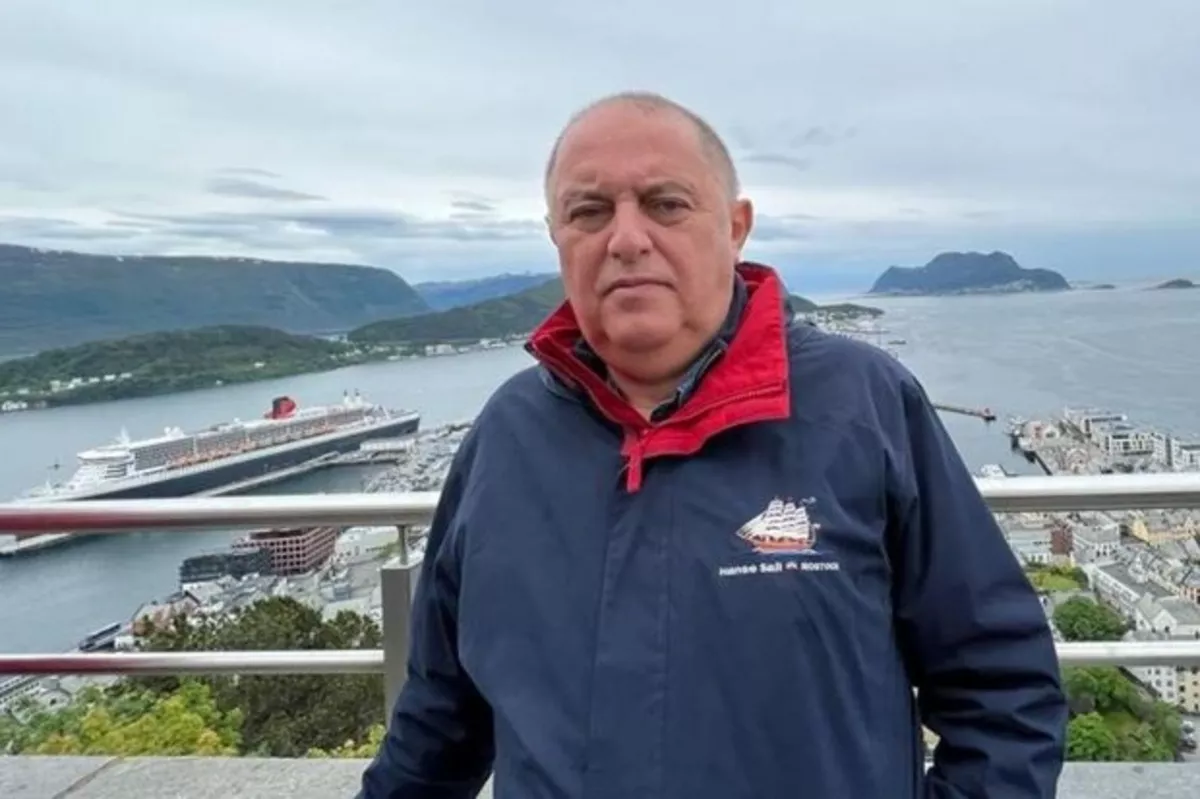
Alexander Cherkassky, analyst, publisher, and editor-in-chief of the magazine Neue Zeiten and the YouTube channel Neue Zeiten TV (Germany), notes that corruption is possible and exists in any political system.
“In Germany, during the pandemic, scandals of this kind shook the political elite of both the Federal Republic and the EU. These involved manipulations in the procurement of masks and vaccines.
In the West, although not always, there are judicial proceedings and sometimes even real prison sentences in corruption cases,” Cherkassky said.
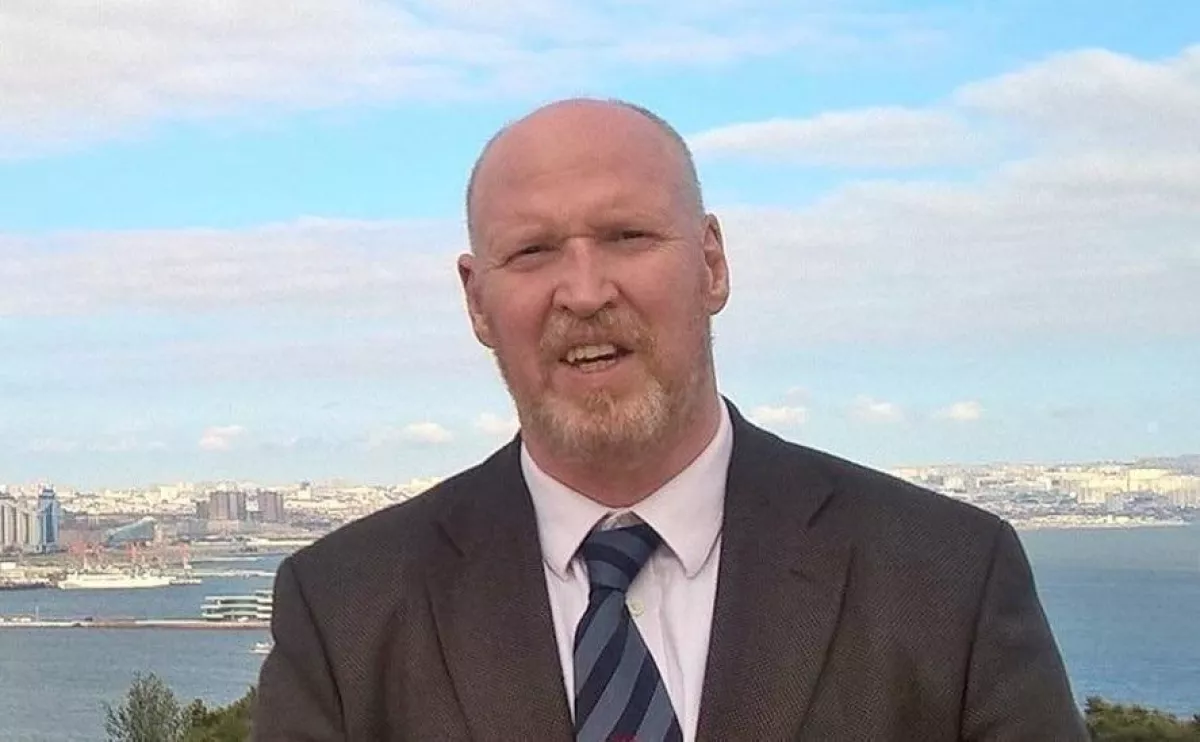
Irish political scientist and historian Patrick Walsh noted that corruption is certainly present everywhere.
“The secret of democratic states lies in their high degree of institutionalisation. In European bureaucracy, this often becomes routine, especially given the democratic deficit in institutions such as the European Commission or national electoral districts.
In recent years, a series of similar scandals has erupted involving Europe and Ukraine. It is not surprising that intelligence services are often behind these cases, gathering information to be released at the most advantageous moment — and usually that is exactly how it happens.
Today, a conflict is growing between European bureaucracy, on one side, and several European states and the Trump administration, on the other, over the war in Ukraine. The European bureaucracy pushes EU countries toward more active military measures, while many national governments oppose them.
Internal struggles within the EU are expected to intensify as the crisis unfolds, with Trump imposing his agreement on Kyiv and resistance from the Euro-bureaucracy, especially Ursula von der Leyen and Kaja Kallas. I am not sure what role Mogherini plays in all this, but time will tell,” Walsh shared his view.
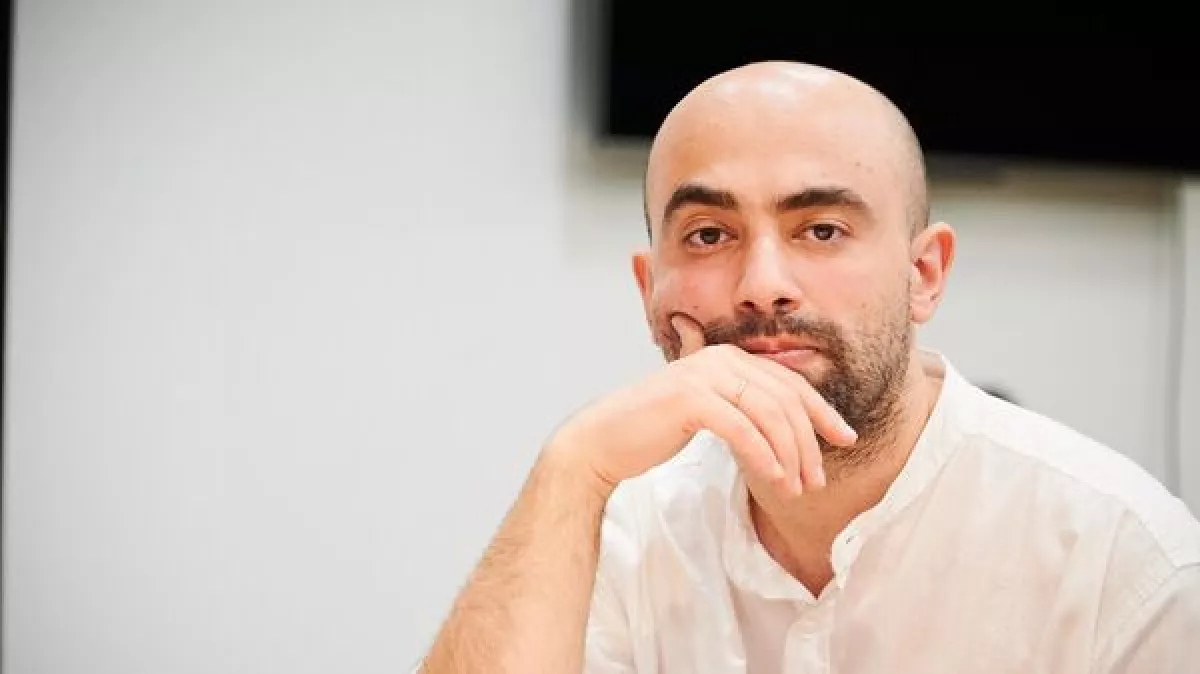
Political scientist and founder of the SIKHA Foundation research centre, Archil Sikharulidze, stated that, first of all, he does not understand why many people believe that corruption cannot exist in the European Union.
“The European Union is just a normal intergovernmental union where people steal. And the richer the country or the union, the more they steal. The approaches are just different: some take 10% of the budget and return 90% to the state, while others do the opposite — take 90% and return only 10%. That is ‘normal.’ Big money means big spending and big expenses, including on one’s own life.
For some reason, in the post-Soviet space, there is a completely unrealistic notion that in Europe no one steals, no one kills, nothing disappears. But there is nothing surprising about this,” the researcher said.
He also reminded that the current EU scandal looks almost comical compared to Ukrainian corruption stories, despite the fact that Ukrainian authorities are often portrayed in Western rhetoric as “martyrs” fighting for democracy, even though large-scale corruption in the country has been reported for many years.
“And now, suddenly, Europeans have ‘discovered’ it. So, on the one hand, Ukrainian authorities were stealing during the war, and on the other — Europeans, and yet somehow the Georgian side is blamed for dictatorship and all the sins, right? If 100 lari are stolen in Georgia, it’s a dictatorship; if Europe or Ukraine steal 100 million, that’s considered, as they say, just everyday trivialities.
It’s time to move past illusions and understand: people steal everywhere. The key is that they steal so little that most of the funds still go to the state. And we shouldn’t create mythological notions about Europe, America, Russia, or any other country,” concluded Sikharulidze.







 editor@caliber.az
 +994 55 444-88-98
 Азербайджан, Баку, ул. Низами, 203, Af Business House, 5-й этаж