










Crisis of trust or Alliance reset? NATO’s future and America’s role
It appears that the once fairly close relations between the United States of America and other NATO member states have now reached a critically dangerous threshold, beyond which a return to the previous level may become virtually impossible.
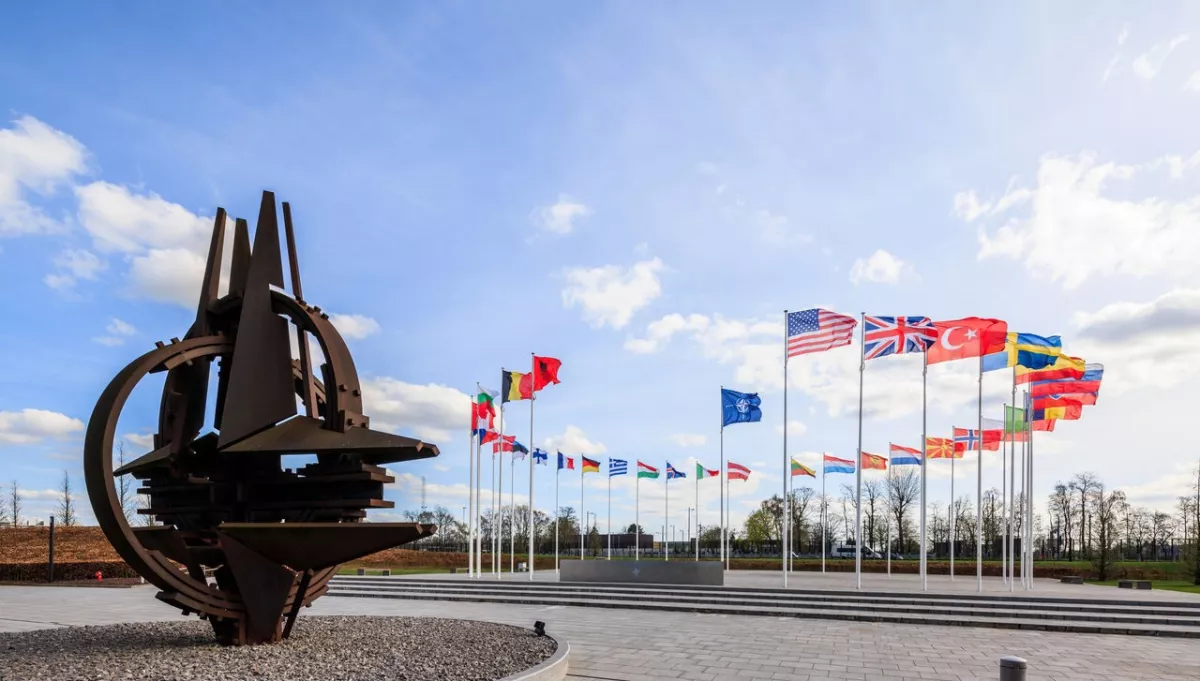
The situation between the United States and the North Atlantic alliance is heating up dangerously, as the White House grows increasingly frustrated with its allies’ reluctance to join the conflict with Iran. Germany was the first to take a firm stance, refusing to send its naval fleet to the Strait of Hormuz. Meanwhile, London declined to grant access to the strategic Diego Garcia base, sparking a sharp exchange between Trump and Starmer, and French President Emmanuel Macron stated that his country had not chosen a war with Iran and would therefore not participate in operations to secure the Strait of Hormuz.
Spain, in turn, also refused to provide Washington with bases for strikes against Iran and closed its airspace to aircraft involved in the U.S.–Israeli operation against the Islamic Republic of Iran, allowing landings and overflights only in emergencies. According to Corriere della Sera, Italy followed the kingdom’s example, denying the U.S. permission to use the Sigonella military base in Sicily for attacks on Iranian targets.
At the same time, this is a NATO military base, which, according to Italian media, currently hosts U.S. patrol aircraft P-8A Poseidon, as well as MQ-4C Triton and RQ-4D Phoenix drones operating in the alliance’s interest. However, the countries that have refused to support Washington justify their decision by saying that “this is not their war,” a stance that has naturally elicited a strong reaction from the White House.
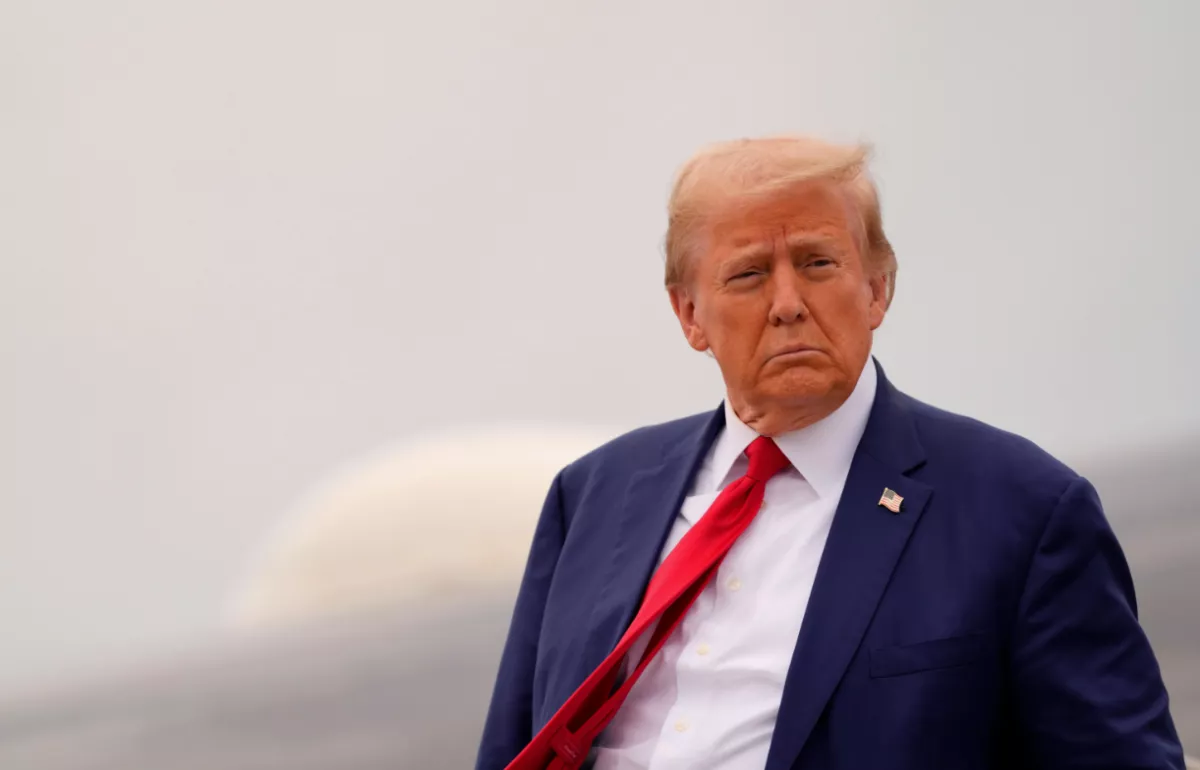
In a speech at a business forum in Miami, Donald Trump stated that the United States might not come to NATO’s aid if the need arises: “[...] we spend hundreds of billions of dollars a year on NATO. Hundreds of protecting them and we would have always been there for them. But now based on their actions, I guess we don't have to be, do we?”
Earlier, expressing his frustration with allies who refused to help secure the passage of ships through the Strait of Hormuz, Trump emphasised that there are countries that have deeply disappointed him: “They should be jumping to help us because we’ve helped them for years stay out of wars [...] Some are very enthusiastic about it, and some aren't. Some are countries that we've helped for many, many years. We've protected them from horrible outside sources, and they weren't that enthusiastic. And the level of enthusiasm matters to me.”
Continuing on this topic, in a conversation with the Financial Times, the occupant of the Oval Office stated that the future of the alliance could be “very bad” if allies do not help ensure the security of the Strait of Hormuz: “It’s only appropriate that people who are the beneficiaries of the strait will help to make sure that nothing bad happens there. If there’s no response or if it’s a negative response I think it will be very bad for the future of NATO.”
In his interview with The Telegraph, the White House chief spoke even more bluntly, noting that he is seriously considering leaving the alliance: “I was never swayed by NATO. I always knew they were a paper tiger, and Putin knows that too, by the way.”
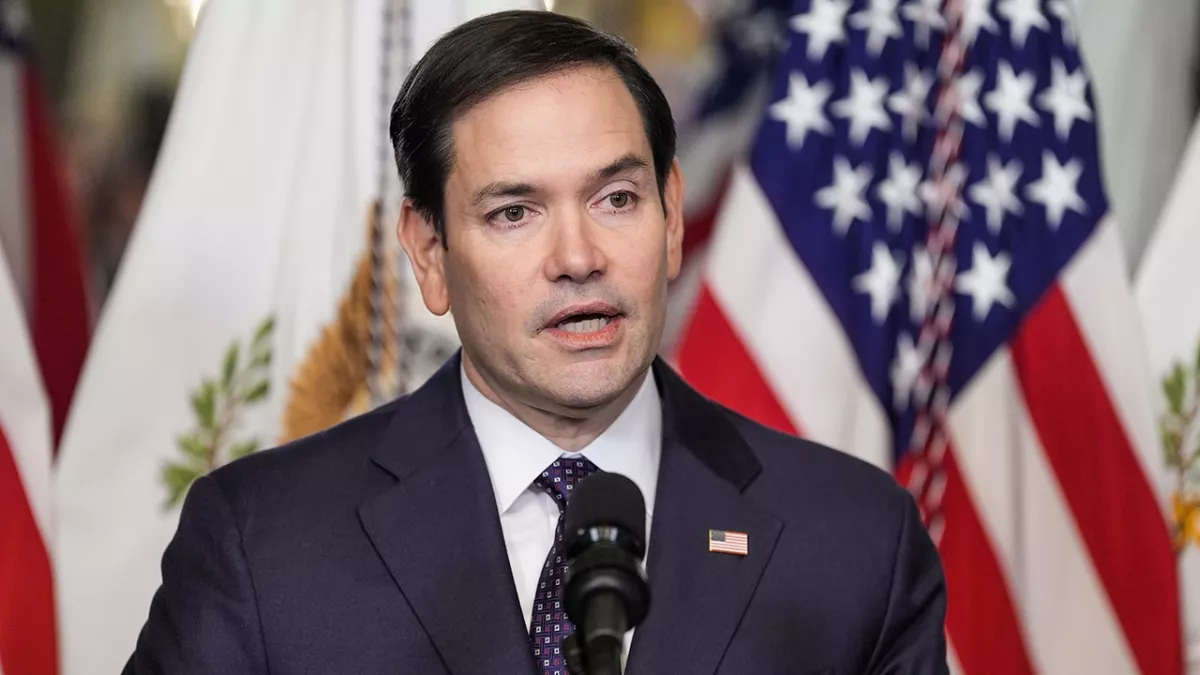
In a similar vein, U.S. Secretary of State Marco Rubio also expressed his views. In an interview with Al Jazeera, he noted that the allies’ position regarding a U.S. war with Iran is very disappointing, and that Washington will reassess its relations with NATO once the situation is resolved.
“But one of the reasons why NATO is beneficial to the United States is it gives us basing rights for contingencies. And so you ask yourself, ‘Well, what is in it for the United States?’ But if NATO is just about us defending Europe if they’re attacked but then denying us basing rights when we need them, that’s not a very good arrangement. That’s a hard one to stay engaged in and say this is good for the United States. So all of that is going to have to be reexamined,” he said.
So, how exactly might the U.S. reconsider its relations with NATO? What tools does the White House have at its disposal? In answering these questions, the financial aspect comes to the forefront.
First, the United States could reduce its military presence in NATO countries, scale back the number of bases in Europe, and withdraw some troops and equipment, which would inevitably affect Europe’s overall security.
Second, Washington is already discussing a model under which countries that fail to meet the new defence spending threshold of 5 per cent of GDP could lose their right to influence key alliance decisions.
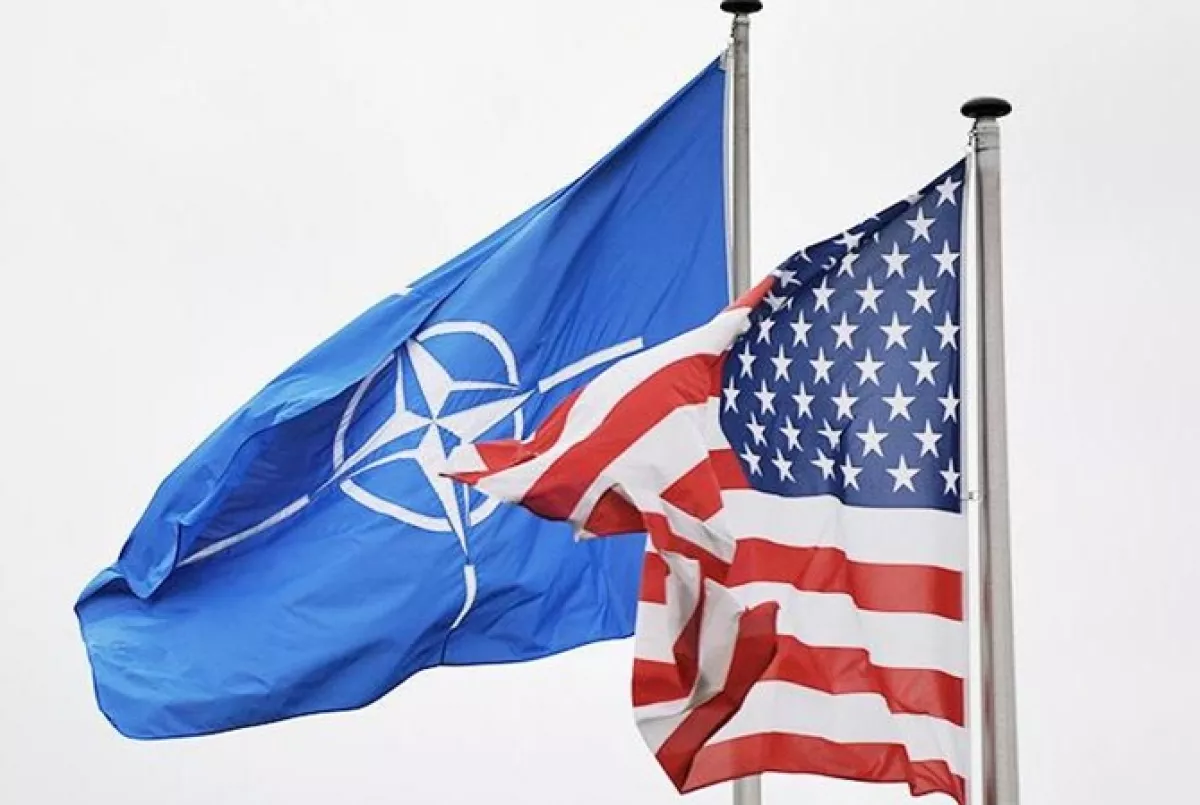
At the same time, a scenario in which the United States completely leaves NATO still seems unlikely. There is, in principle, no legal basis for such a step. The issue is that Washington cannot rely on NATO’s Article 5 to justify its demand for allies to join a war in the Middle East, since the article only applies in the event of an attack on a member state—not in offensive operations.
Incidentally, Article 5 was invoked after the September 11, 2001, attacks, when the United States itself was targeted. At that time, the Alliance recognised the events as a terrorist attack and extended support to Washington, granting the U.S. access to airspace and ports to conduct its counterterrorism operations. Today, the U.S. cannot claim that NATO countries refusing to participate in a Middle Eastern conflict have legally violated their alliance obligations—in this context, it is only a matter of them failing to meet Washington’s expectations, and nothing more.
Thus, the White House can use the narrative of leaving NATO merely as a tool of political pressure on its allies, in order to ultimately reshape the Alliance to serve its own interests. After all, NATO currently remains the main platform of American influence in Eurasia, and the White House is unlikely to be willing to lose it. Given this, it is reasonable to expect that Washington will limit itself to a set of specific demands for the bloc, while remaining the primary centre of power within it.







 editor@caliber.az
 +994 55 444-88-98
 Азербайджан, Баку, ул. Низами, 203, Af Business House, 5-й этаж