










Europe’s paper shield The illusion of defence autonomy
Against the backdrop of recent turning points in global geopolitics, high-ranking European officials have increasingly stated that Europe must ensure its own security and defence independently.
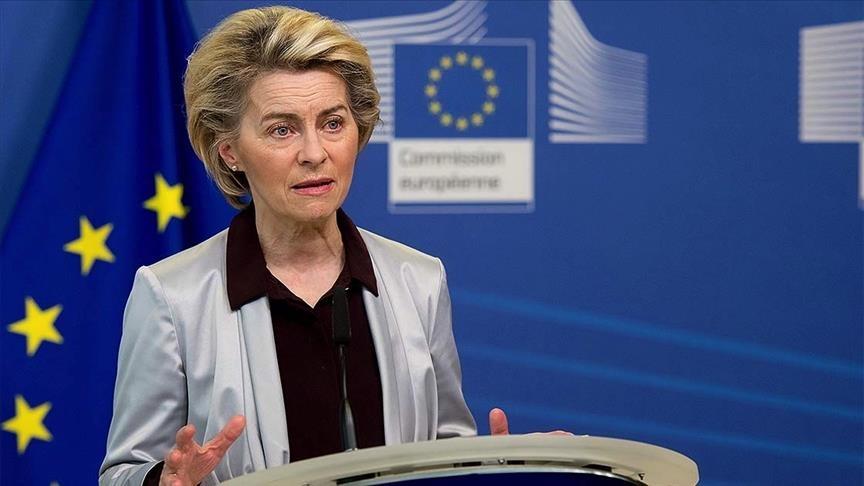
For example, consider the statements of European Commission President Ursula von der Leyen on this topic. Speaking in the European Parliament in Strasbourg in December 2025, she said that Europe must secure its own safety. Just days ago, at a meeting with Members of the European People’s Party in the Parliament, she added that the European Union plans to present its own security strategy this year.
"We know that we need to be strong and strength means. We are not a military powerhouse, but we are building up to be a military powerhouse," said the Commission President, as reported by Euractiv.
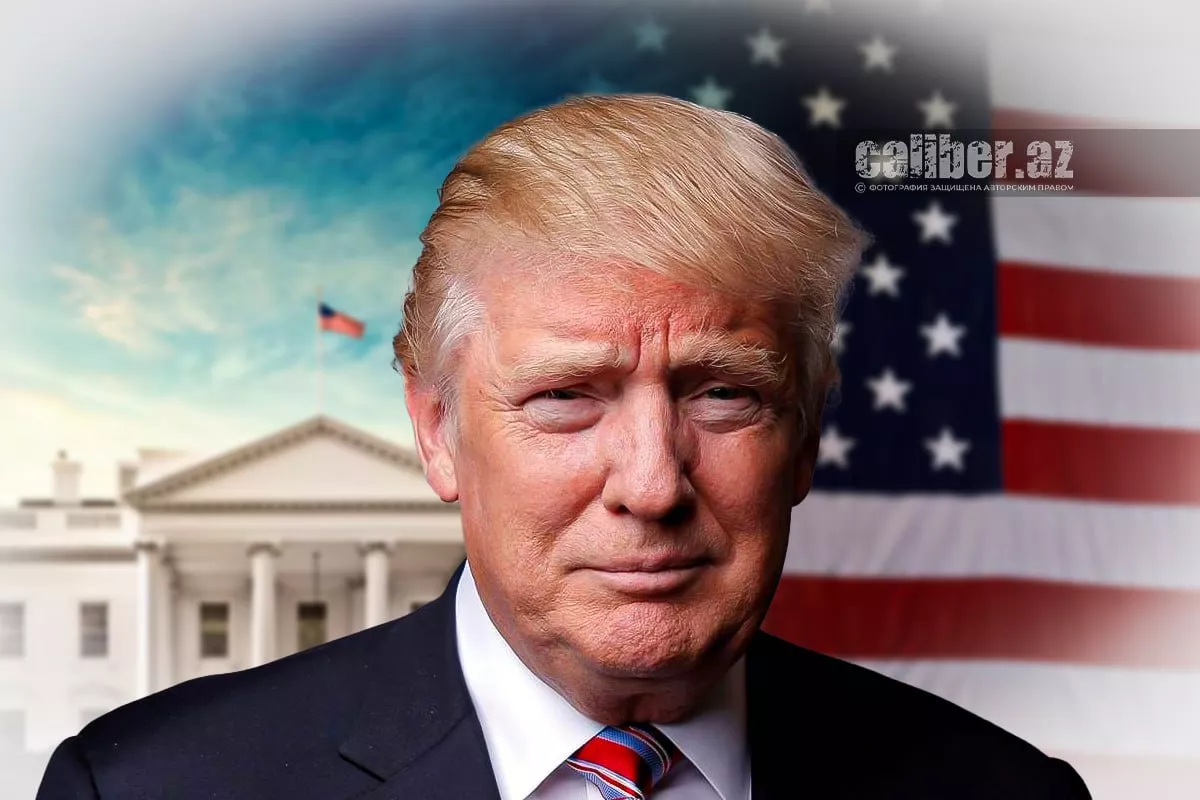
Here, the question inevitably arises: “What explains the recent emphasis by EU officials on securing the Old Continent?” To begin answering, one must look across the Atlantic. Notably, the “dark times” for the European Union began with Donald Trump’s return to the White House. The official foreign policy of the current U.S. president follows the “America First” doctrine, under which one of his first moves was to distance the United States from the EU—particularly on matters of European security.
In this context, the EU found the programmatic speech delivered in Munich by U.S. Vice President Vance especially striking. In it, he questioned the very existence of democracy in Europe and criticised the continent’s reliance on the United States for its own security.
From Washington came demands that European countries increase their defence spending to 5% of GDP, along with warnings about a potential withdrawal of U.S. troops from Europe. In March of last year, The Telegraph reported that President Donald Trump was considering the redeployment of U.S. forces in Europe, including the withdrawal of the military contingent from Germany. These developments had an explosive impact on EU institutions.
The final blow for EU officials came with the publication of the U.S. National Security Strategy on December 4. The document describes Europe as a continent in decline and explicitly cites censorship of free speech, suppression of political opposition, and the potential erosion of European civilisation due to Brussels’ current migration policies.
Taken together, Donald Trump’s decisions prompted the European Union to adopt more radical measures regarding the security of its member states—most notably, the strategy announced by Ursula von der Leyen. However, a reasonable question arises: “To what extent can the strategy declared by a high-ranking EU official be effectively implemented?” This question can be examined retrospectively in the context of today’s realities.
Unlike previous plans, the announced EU strategy focuses primarily on strengthening defence capabilities and transforming the Union into a more robust military bloc, which would entail the creation of an all-European army. However, this idea is far from universally supported across Europe. For instance, Slovakia’s Minister of Defence, Robert Kaliňák, recently criticised the initiative sharply, calling it “just another one of the foolish ideas produced by the Commission.”
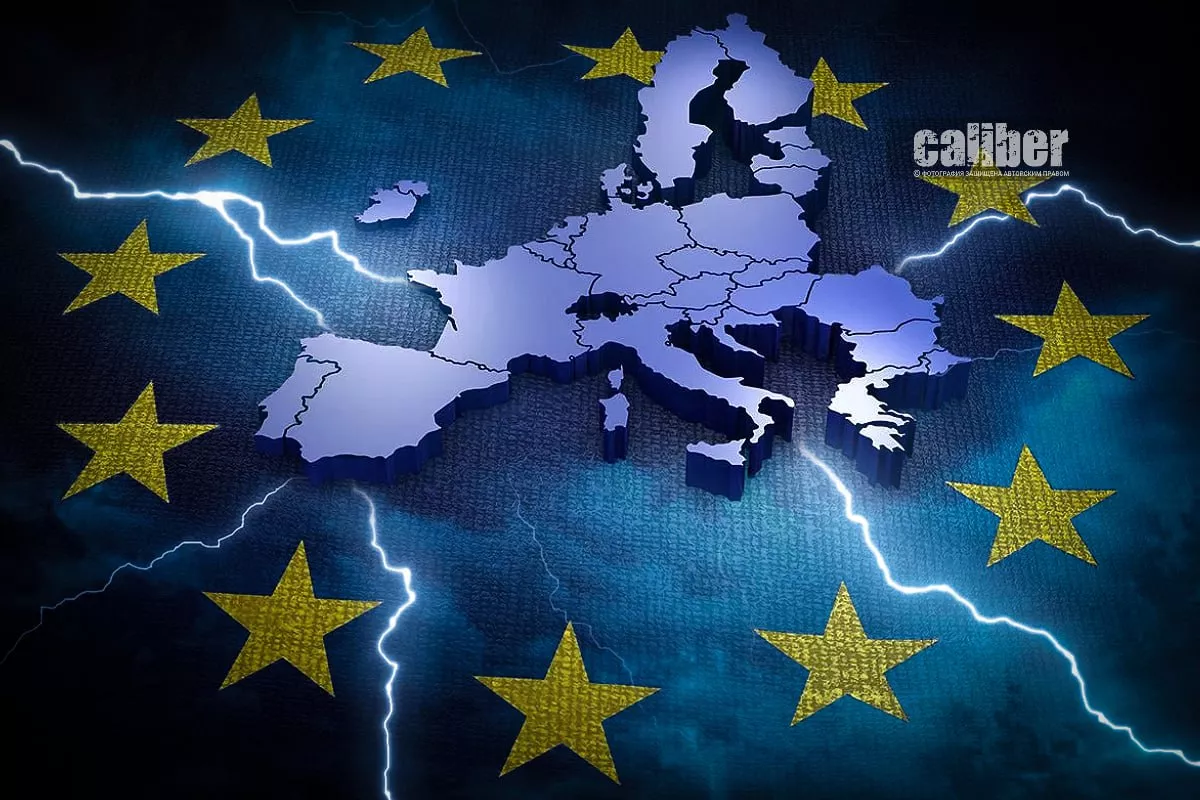
In his view, the creation of a new permanent army would require significant financial investment and would result in a parallel NATO structure, whose functionality is questionable. In February of last year, French President Emmanuel Macron also commented on this issue, stating that consensus on creating a common EU army is currently impossible—which is entirely accurate, as it would require the unity of all member states, something that has not existed in the European Union and still does not.
There are disagreements among EU countries on a wide range of issues, including the increase of defence budgets, with most member states opposed to it. In particular, in May of last year, Euractiv noted that only 14 out of the 27 EU countries were ready to raise defence spending.
In addition, bilateral relations between countries of the “greater European family” are also marked by various contradictions and hidden pitfalls. For example, France is concerned about Germany’s growing military capabilities. Berlin plans to allocate more than €500 billion to defence by 2029, and is currently spending 3.5% of its GDP on these purposes. In addition, Germany intends to approve a defence procurement package worth a record €52 billion. The increasing military-industrial dominance of Berlin within the EU and NATO raises concerns in Paris, highlighting not only the duplicity of Macron’s policy—who rhetorically advocates strengthening European security—but also the existence of a deep global split within the organisation itself.
Thus, all these factors decisively undermine the initiative to create a unified army, which in turn negates the viability of the EU’s new security strategy. They also confirm the EU’s inability to effectively confront external threats or resolve internal problems—issues explicitly outlined in the U.S. National Security Strategy.







 editor@caliber.az
 +994 55 444-88-98
 Азербайджан, Баку, ул. Низами, 203, Af Business House, 5-й этаж