










From Baku to Astana: Israel’s foreign policy priorities Expert opinions on Caliber.Az
Israeli Foreign Minister Gideon Saar, during his visit to Azerbaijan, was received by President Ilham Aliyev. The meeting highlighted the successful development of relations between the two countries across various areas, including trade and economic cooperation, energy, tourism, and others. Cooperation in agriculture, water resource management, and high technology, including artificial intelligence, was also noted. The contribution of mutual visits and contacts at different levels to deepening cooperation was emphasised, and issues concerning the bilateral agenda were discussed.
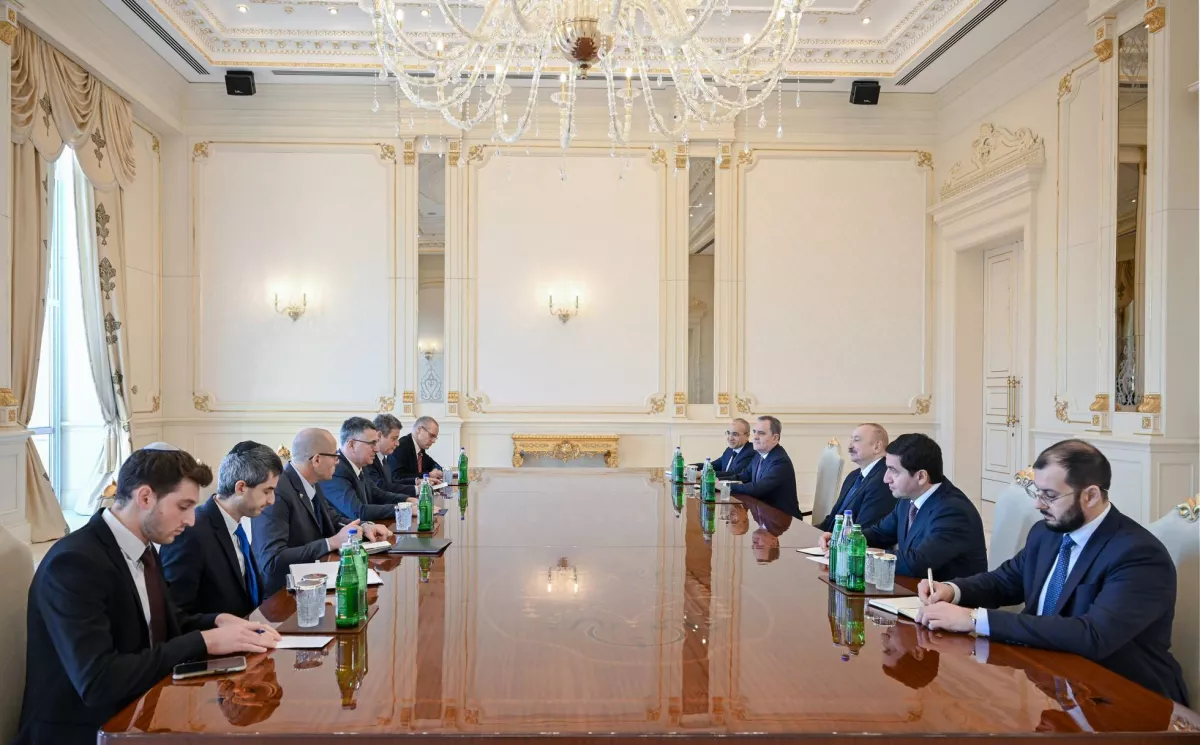
A meeting also took place between Gideon Saar and Azerbaijani Foreign Minister Jeyhun Bayramov, during which the commitment to further deepen Azerbaijan–Israel partnership was expressed. This topic was further elaborated during a joint briefing by the foreign ministers of both countries. At the briefing, Bayramov stated that Azerbaijan and Israel had evaluated the prospects of jointly entering the Central Asian markets.
“During my meeting with my Israeli counterpart, Gideon Saar, we assessed opportunities and prospects for Israeli businessmen in Azerbaijan. In particular, we had a very interesting exchange of ideas on areas such as the free economic zone, the implementation of projects in Azerbaijan, as well as access to the very large and promising market of Central Asia,” the minister said.
This discussion has a solid foundation, as evidenced by the fact that after Baku, the Israeli minister will proceed to Astana.
To assess the potential of the Israeli foreign minister’s visit to Azerbaijan and his upcoming trip to Kazakhstan, Caliber.Az consulted political analysts from Azerbaijan, Israel, and Kazakhstan.
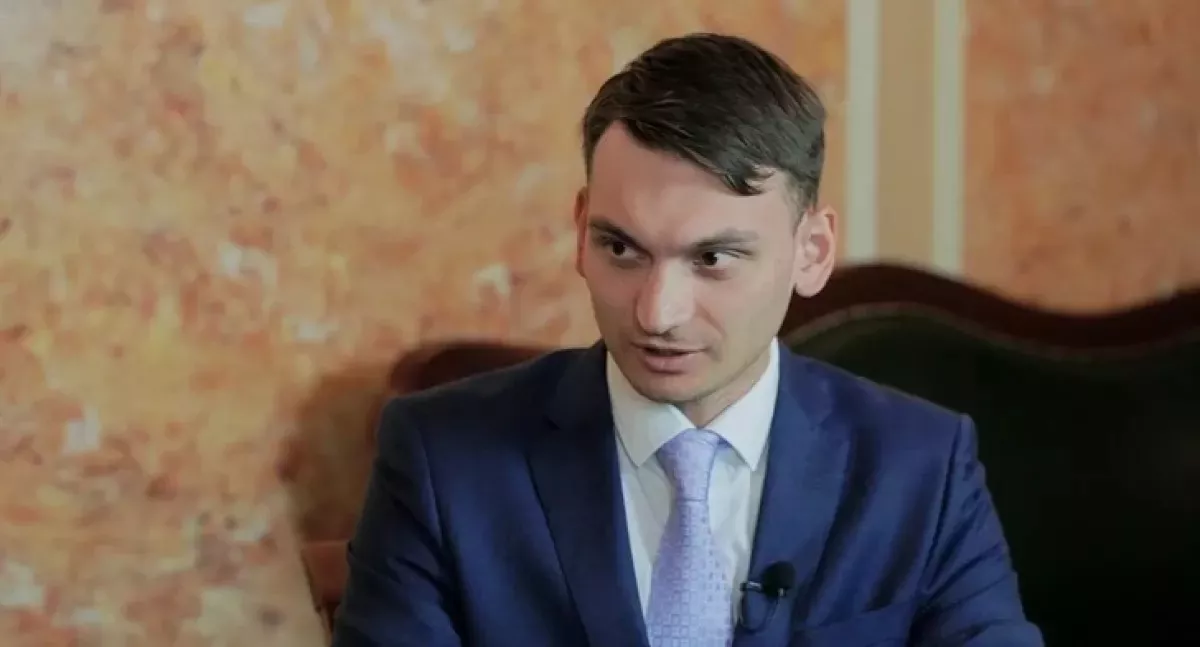
Azerbaijani political analyst and Middle East expert Ruslan Suleymanov, from the NEST Centre, noted that this is the first visit of an Israeli foreign minister to Azerbaijan in the past three years; previously, Israeli Foreign Minister Eli Cohen visited Azerbaijan in April 2023.
“The bulk of the agenda consists of bilateral relations, numerous joint economic projects, cooperation in the defence sector, and so on. In addition to Central Asia, the talks likely covered issues such as Azerbaijani oil supplies to Israel and Israeli weapons to Azerbaijan, agriculture, construction, finance, technology, and medicine—areas in which Azerbaijan–Israel cooperation is most active. One can also add SOCAR’s involvement in the development of Israel’s Tamar gas field.
Furthermore, our country is playing an increasingly active role in Syria: as is known, in July last year, Syrian–Israeli consultations were held in Baku, following earlier Turkish–Israeli talks. In the future, Baku could further strengthen its position as one of the key mediators between the Jewish state and Muslim-majority countries.
However, I do not believe that the current visit is related to tensions surrounding Iran, as it was planned long ago. Moreover, the Azerbaijani side has repeatedly emphasised that our close ties with Israel are not directed against any third countries,” Suleymanov said.
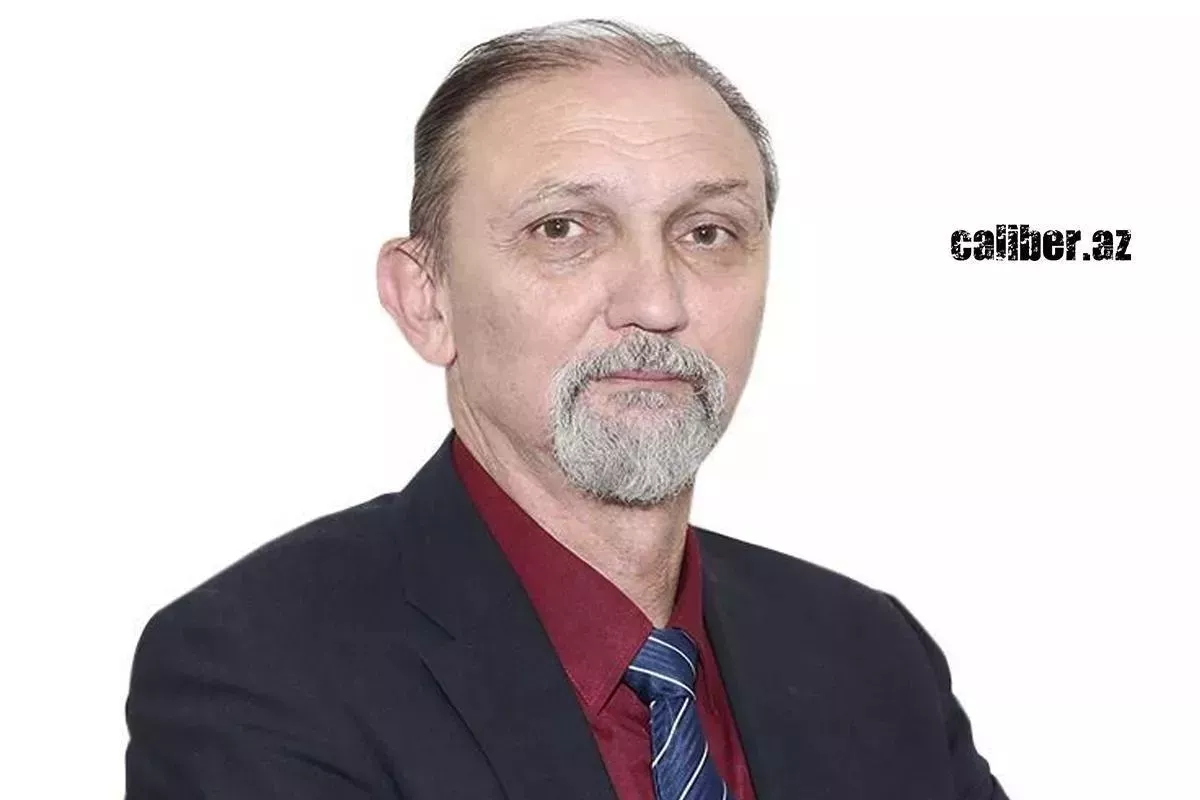
Meanwhile, Israeli expert, PhD in Political Science, and editor of Aziznews.com, Yuri Bocharov, believes that in the current tense regional environment, any high-level visit is inevitably viewed from multiple perspectives, especially when it involves contacts between Israel and Azerbaijan. These relations are not perceived neutrally in the region: some view them with interest, while others respond with envy or sensitivity. Nevertheless, at this stage, it is correct to rely primarily on the official, publicly stated agenda of the visit.
“Gideon Saar clearly outlined the goals of his trip: he arrived in Baku with a representative economic and business delegation covering various sectors of the Israeli economy. Among the priorities are energy, agriculture, water resources, tourism, and other areas reflecting the broad spectrum of bilateral cooperation.
Thus, the very format of the visit, involving business circles and specialised organisations, indicates its practical orientation. It is not just about political declarations, but about developing specific projects and mechanisms to deepen cooperation. This aligns with the overall logic of Azerbaijan–Israel relations, which have been developing for many years in a consistent, pragmatic manner, without sharp fluctuations,” he said.
According to the expert, in the current regional context, almost any diplomatic contact can be interpreted through the lens of developments surrounding Iran. Sharp statements, mutual warnings, and the overall level of instability in the region create a backdrop on which visits of this level inevitably acquire an additional dimension.
“Part of the negotiations took place behind closed doors, and it is quite natural to assume that such contacts cover not only economic projects but also a broader range of issues—regional security, geopolitical risks, and potential scenarios for the situation’s development. This is normal practice for strategic partners, especially during periods of turbulence.
At the same time, it is important to emphasise the main point: the strategic nature of Azerbaijan–Israel relations is not a reaction to the current crisis and is not formed situationally, as these ties have been developing over many years and have largely become possible thanks to the consistent and measured policy of Azerbaijani President Ilham Aliyev. Israel highly values the role of the Azerbaijani leader in advancing bilateral relations, his pragmatic and forward-looking approach to regional politics, and his ability to build sustainable partnerships in a complex and often contradictory international environment,” Bocharov emphasised.

Meanwhile, Kazakh political analyst, Professor of Econometrics and expert at the Kazakhstan Parliamentarism Foundation, Nurlan Munbayev, believes that the key objectives of Gideon Saar’s visit to Kazakhstan are the development and strengthening of bilateral ties, as well as business cooperation.
“The minister is accompanied by a representative delegation of more than 40 people, covering sectors such as technology, agriculture, cybersecurity, and healthcare. In Astana, a business forum is planned to engage with local entrepreneurs, along with meetings with officials and participation in an event dedicated to International Holocaust Remembrance Day,” he said.
According to the expert, the main point is that the visit takes place against the backdrop of Kazakhstan joining the Abraham Accords. “Astana’s decision to join the accords allows us to draw conclusions about the significance of this step for the country: it is primarily a confirmation of its foreign policy course, as the accession aligns with Kazakhstan’s multi-vector and pragmatic approach aimed at deepening cooperation with key regional players. The accords also create an additional official framework for developing dialogue and partnerships with Israel and other participant states, extending beyond purely economic matters. This includes an enhanced role in the Middle East—Kazakhstan will be able to participate more actively in regional processes, positioning itself as a constructive and open partner.”

According to Munbayev, the context of the visit points to a certain activation and a new quality in Kazakhstan’s Middle East policy. This conclusion is supported by the combined nature of the visit—political dialogue plus a large-scale economic delegation—which demonstrates an effort to elevate Kazakhstan–Israel relations to a more practical and multifaceted level.
“Moreover, this also represents a structural consolidation of the policy: joining the Abraham Accords and the visit of the Israeli foreign minister are not one-off events but a systematic step that lays the institutional foundation for long-term cooperation. Taken together, this can be seen as a shift from general declarations to concrete, project-driven collaboration between Kazakhstan and Israel,” Munbayev concluded.







 editor@caliber.az
 +994 55 444-88-98
 Азербайджан, Баку, ул. Низами, 203, Af Business House, 5-й этаж