










From “revolution” to intervention Belarus faces rising threats
Recently, several neighbouring states have escalated hostile policies toward the Republic of Belarus. Experts are proposing various scenarios for possible developments.
Should we expect a “colour revolution”?
On February 9, the press bureau of the Russian Foreign Intelligence Service (SVR) issued a statement claiming that it has information about Western NGOs preparing to change the constitutional order in Belarus.
“To implement a ‘colour revolution’ scenario, the task is to find new liberal activists within Belarusian society,” the statement reads.
At the same time, it notes that the office of the “democratic leader” Sviatlana Tsikhanouskaya in Lithuania is not fulfilling its role. Accordingly, the Belarusian opposition is reportedly facing a thorough “inventory review” by the West. It is also expected that a pool of those “angry at Lukashenko” will be formed ahead of the 2030 presidential elections.
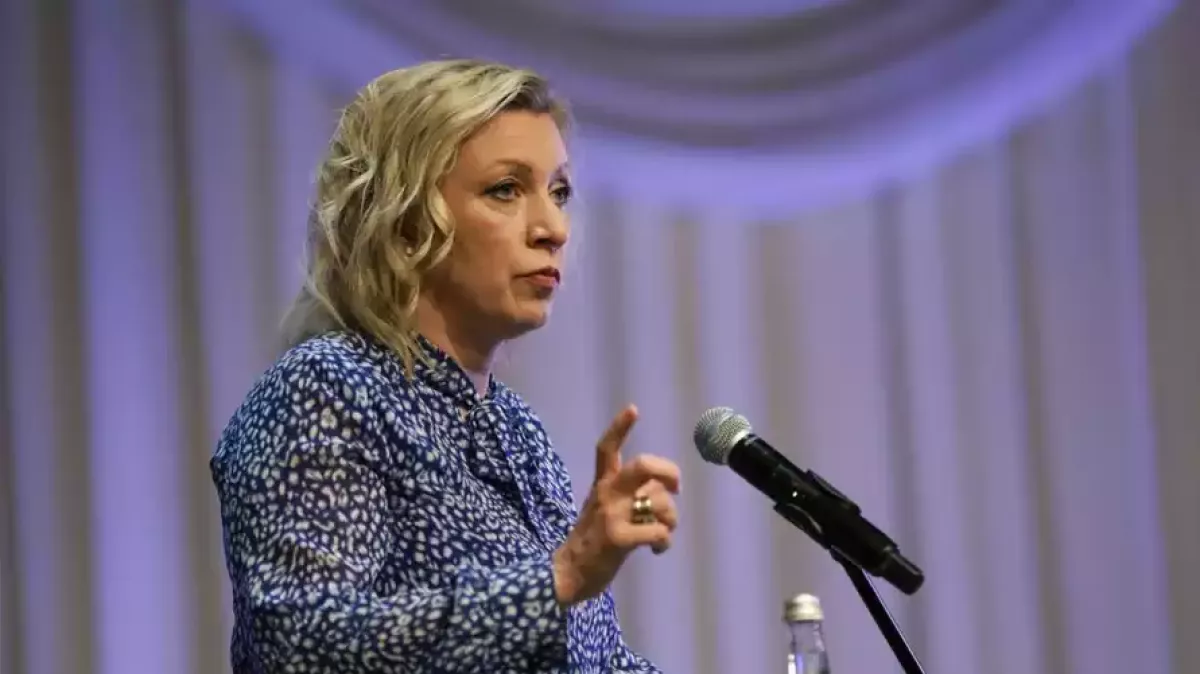
On February 12, Russian Foreign Ministry spokesperson Maria Zakharova also stated that pro-Western forces are preparing a “colour revolution” in Belarus.
The concern on the Russian side was likely triggered by a series of recent events, including the active media support in the West for the recently released Maria Kolesnikova, who could be seen as a new “liberal activist” promoting a more moderate programme of engagement with the Belarusian authorities.
Overall, there has been a noticeable intensification of Western circles hostile to Belarus. For example, on January 25, a meeting took place in Vilnius between the presidents of the so-called “Lublin Triangle” — Poland, Lithuania, and Ukraine. Following the meeting, it was announced that a fourth member could soon join this informal grouping, which some observers interpret as a hint at Belarus.
The “Lublin Triangle” was established in 2020, and the hypothetical inclusion of Belarus would effectively recreate the historical configuration of the Polish–Lithuanian Commonwealth.
But is a “colour revolution” in Belarus likely? At present, it is extremely unlikely. However, other potential threats exist…
“Leopards” at the border
After the events of 2020, when liberal opponents of Alexander Lukashenko managed to organise mass protests during the presidential campaign, the situation in the republic has changed significantly. Pro-Western NGOs, opposition liberal and nationalist parties, media outlets, and other structures, which had existed for decades on grants from Western sponsors, are no longer able to exert the same influence on the domestic agenda. Many of these organisations were not even officially recognised as “foreign agents” — most were simply shut down.
The digital space is also under control. Administrative, and in some cases criminal, liability inevitably follows the dissemination of extremist links, comments, or materials. A significant portion of politically active opposition figures have long since left the country. Naturally, there remains a certain number of dissatisfied individuals — the so-called “waiters,” including some business representatives. However, at present, they have little capacity for organised or targeted activity. Attempts by individual extremist groups to establish underground networks are strictly suppressed by the security forces of the Republic of Belarus.
A different picture emerges along the external front. The opposition expelled abroad has launched active operations. Most importantly, military preparations by NATO countries bordering Belarus are intensifying.
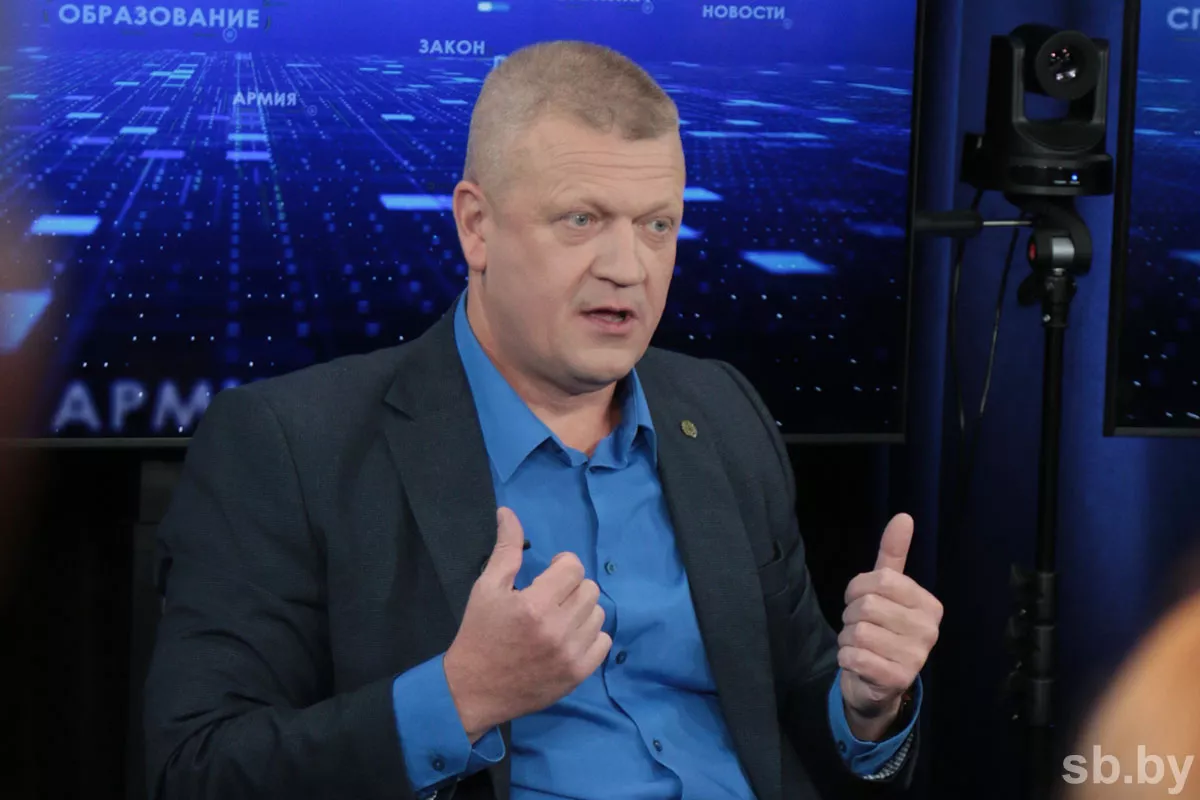
Colonel Andrei Bogodel, Deputy Head of the Faculty of the General Staff of the Armed Forces at the Military Academy of the Republic of Belarus, also considers a “colour revolution” scenario unrealistic.
“It is unlikely that the collective West today will focus primarily on non-governmental organisations, let alone on staging a ‘colour revolution,’” says Colonel Bogodel. “The priority now is conducting proxy wars to topple regimes unfavourable to the West. NGOs may be used as a supporting force — to awaken ‘sleeping cells,’ and so on.”
According to the expert, such an operation against Belarus could have been initiated at the Lublin Triangle summit in Vilnius in January of this year. Following that, in his assessment, the Belarusian opposition became more active. In the near term, Bogodel believes one should expect the intensification of sustained, comprehensive pressure on Belarus from outside, alongside attempts to deploy extremist groups into its territory. Illegal armed formations of a nationalist character may try to infiltrate the country from neighbouring states.
“With a high degree of probability, this proxy war could escalate into an intervention,” asserts Andrei Bogodel. “But this intervention will, without a doubt, occur at the request of the ‘democratic government,’ which is currently either relocating or has already relocated from Vilnius to Warsaw…”
The Deputy Head of the Faculty of the General Staff also drew attention to the timeline for the deployment of NATO strike contingents near Belarusian borders. The 45th Tank Brigade of the Bundeswehr in Lithuania, stationed approximately 18 km from the Belarusian border, is scheduled to reach full operational readiness by 2027.
New training centres and ranges in Poland, Lithuania, and Latvia are also expected to become fully operational around the same time. In Poland, a high-readiness reserve of about 100,000 personnel is planned to be formed by early 2027. Lithuania and Latvia will move to universal conscription by that time. In addition, Germany plans to deploy medium-range missiles by the end of 2026.
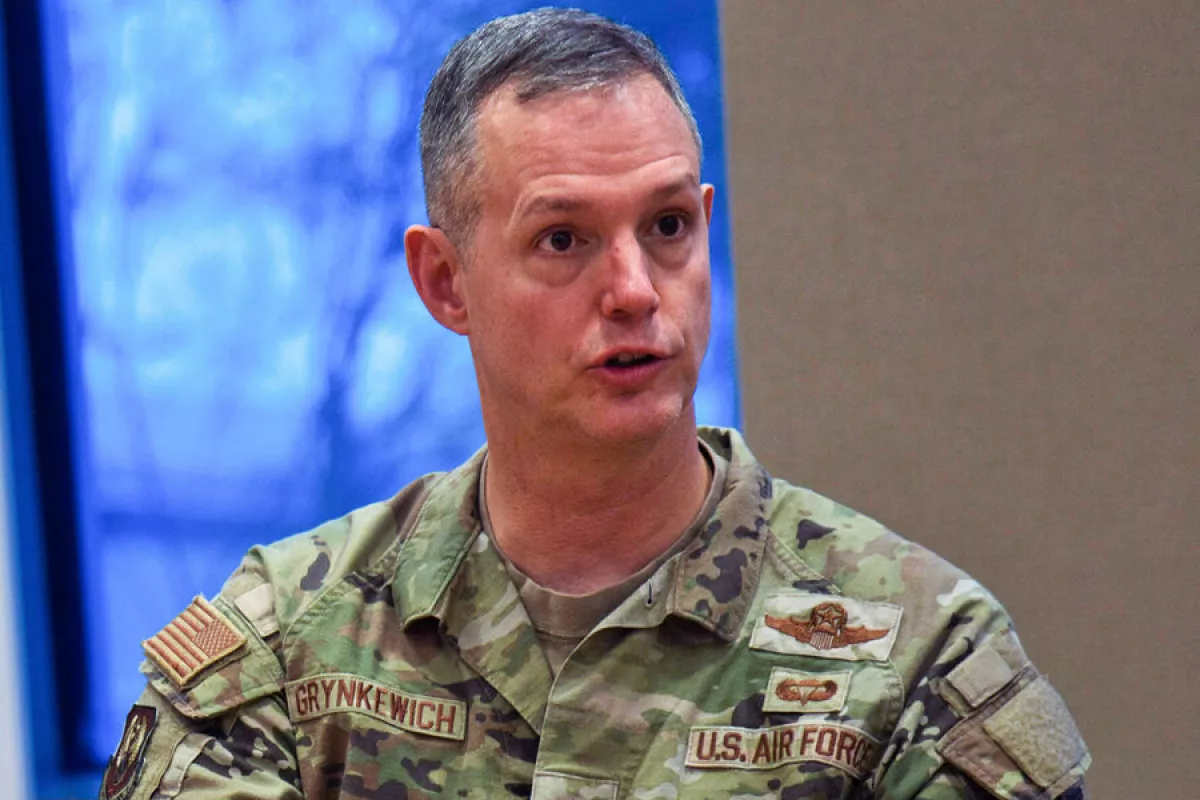
Supreme Allied Commander Europe (SACEUR) Alexus Grynkewich stated that the North Atlantic Alliance must be ready for a possible military conflict by 2027. Incidentally, Grynkewich has Belarusian roots: his great-grandfather, Ilya Grynkewich, was born in Minsk and emigrated to the United States in 1899.
According to Andrei Bogodel, a military operation against Belarus, as well as against Russia’s Kaliningrad and Leningrad regions, could be launched as early as summer–autumn 2027.
Dominant escalation
The situation is also tense along Belarus’s southern border, where hostilities between Russia and Ukraine continue. Although Belarusian territory is not currently being used in these operations and Alexander Lukashenko has consistently advocated for a swift peace, Kyiv has recently renewed its attacks against him.
After sharp statements in Davos and Vilnius in January, on February 7, Volodymyr Zelenskyy once again spoke in a similar vein.

“We believe there are risks of Belarusians being drawn into the war,” stated Volodymyr Zelensky. At the same time, the Ukrainian president acknowledged that Belarusians have not participated and are not participating in hostilities. However, he linked his current statement to the deployment of the “Oreshnik” missile system in Belarus and promised to “do everything to ensure that ‘Oreshnik’ does not even start operating.”
In Minsk, the deployment of “Oreshnik” is viewed solely as a defensive measure, prompted by the unprecedented buildup of NATO military infrastructure near Belarusian borders.
Meanwhile, the administration of U.S. President Donald Trump has initiated a process of partial normalization of relations with Minsk.
As for the Belarusian opposition, its current activity is developing along two lines. On one hand, the offices of Tsikhanouskaya, the Coordination Council, and various radical nationalist structures continue their work, on the other hand, a line of so-called “moderates” has emerged, with the recently pardoned Maria Kolesnikova — representing the team of former presidential candidate and ex-banker Viktor Babaryko — becoming their spokesperson.

On February 10, in Berlin, she gave a new interview to opposition media outlets. Kolesnikova again spoke in favour of European Union negotiations with Minsk, emphasising that “the EU’s interest also lies in ensuring that Belarus is not part of Russia.” At the same time, most of the questions directed at her were provocative in nature or challenged her position on dialogue with the Belarusian authorities. This suggests that such initiatives have seriously concerned certain circles both in the West and within the Belarusian opposition itself.
Likely influenced by a wave of criticism on social media following her previous “reconciliatory” statements, Kolesnikova adopted a tougher rhetoric this time. However, she refused to repeat her 2020 slogan “hammer, hammer the authorities,” declaring that her current task is to “save, save, and love” Belarusians and Belarus. Nevertheless, it appears that through the image of a “peaceful” and sincere Kolesnikova, the same hostile forces may attempt to achieve their political objectives and strengthen influence over Belarus by other means.
Taken together, the facts indicate a dominant course of confrontation with the Republic of Belarus on the part of several Western states and affiliated structures. In the near term, escalation is likely to continue.
In these circumstances, beyond the constant calls for peaceful resolution, Belarus is compelled to prepare for various scenarios. Only a firm stance and full readiness to defend itself, according to the logic of official Minsk, can guarantee the preservation of peace and national sovereignty.







 editor@caliber.az
 +994 55 444-88-98
 Азербайджан, Баку, ул. Низами, 203, Af Business House, 5-й этаж