










Georgian Dream in BBC’s crosshairs Tbilisi rejects claims of chemical weapons use
On December 1, 2025, the BBC published a journalistic “investigation” alleging that Georgian special forces may have used chemical weapons dating back to World War I to disperse protest rallies in Tbilisi in late 2024. In response, the ruling Georgian Dream party threatened to file lawsuits against the BBC. In an official statement, the party emphasised that it will “use every possible legal means to ensure that the so-called media outlet spreading falsehoods answers for the dissemination of dirty, false accusations,” described the BBC as a “propaganda weapon” of the deep state, and recalled the high-profile scandal surrounding a BBC report on Donald Trump.
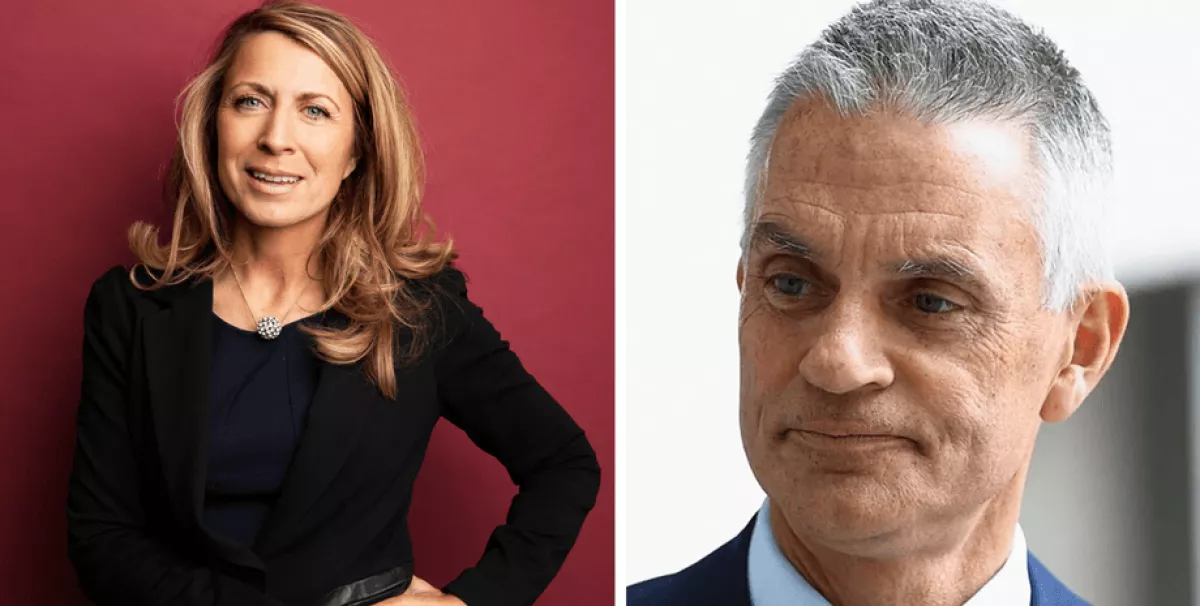
On November 9, 2025, the Director-General of the corporation, Tim Davie, and the Director of BBC News, Deborah Turness, resigned. The reason was a prolonged conflict with U.S. President Donald Trump. In the documentary Panorama about Trump, which aired just a few days before the U.S. presidential election in November 2024, part of his speech was edited and assembled in such a way that viewers were left with the impression that he was directly encouraging the Capitol riot in January 2021. According to many observers, the BBC report was aimed at preventing Trump from becoming president of the U.S. again. It clearly bore the marks of a “commission” from Trump’s political opponents in the Democratic Party.
On November 13, 2025, the BBC officially apologised to Donald Trump and announced that it would no longer broadcast the edited report. Meanwhile, the corporation stated that, despite expressing regret over how the video had been edited, it categorically disagreed with the claim that there was “basis for a defamation claim.”
Thus, even after the official apology, the conflict between Donald Trump and the BBC remains far from resolved. Nevertheless, shortly after the resignation of the executives responsible for broadcasting the anti-Trump piece, the BBC released a new controversial “investigation” — this time directed against the Georgian leadership and based on unverified statements from supporters of the Georgian opposition.
The new disputed BBC report appeared precisely at a moment when relations between the White House administration and Georgia showed signs of improvement, primarily due to the growing U.S. interest in the South Caucasus and the Middle Corridor.
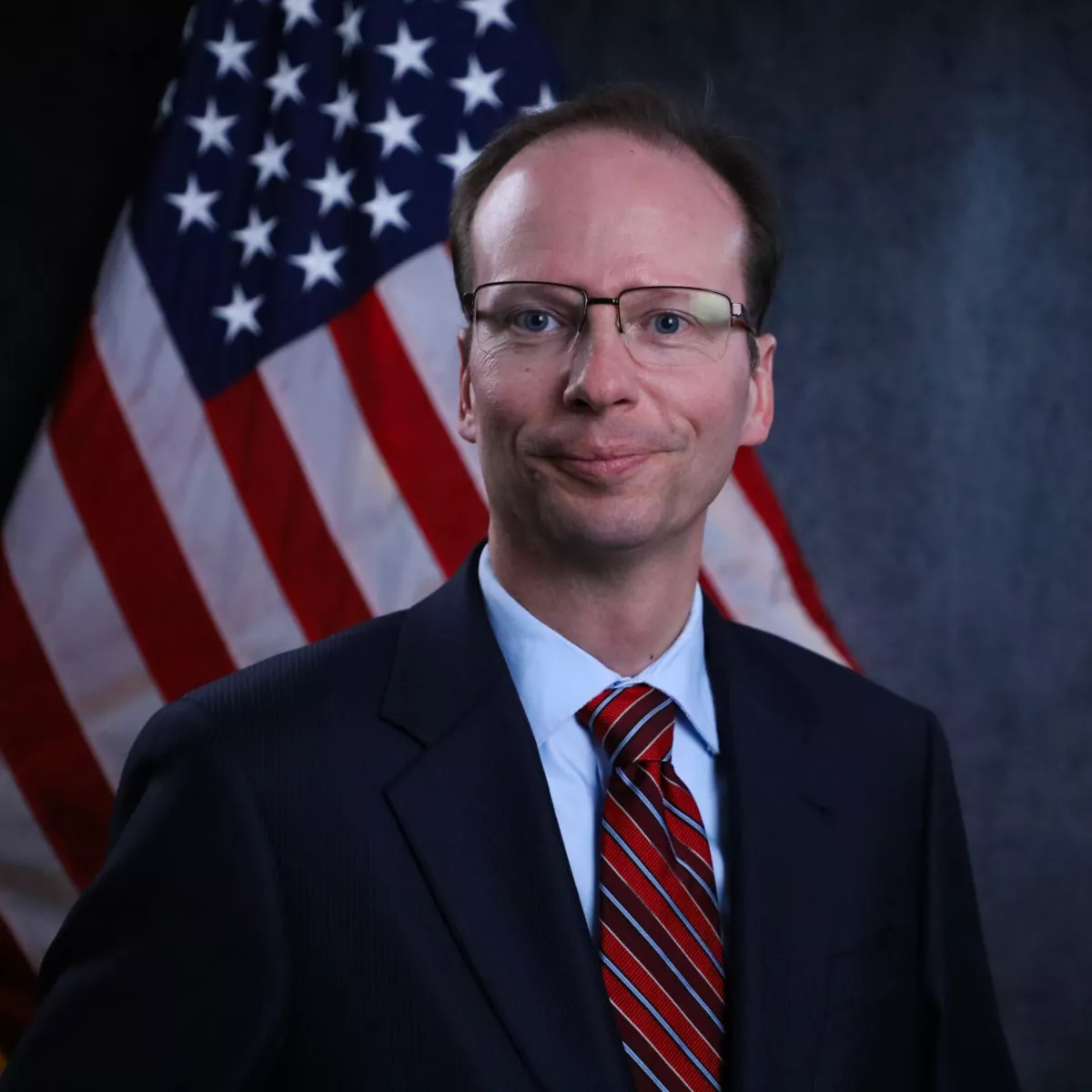
This was reflected, among other things, in statements and meetings involving the Acting U.S. Ambassador to Georgia, Alan Purcell, who has been urging Tbilisi to join the prospective Trump Route for International Peace and Prosperity (TRIPP) via Zangezur.
It is possible that the BBC’s simultaneous clashes with Donald Trump and the Georgian leadership — at a time when the Trump administration and Tbilisi were growing closer — were merely a “coincidence.” However, one cannot ignore the fact that the Trump Route, as a whole, runs counter to the policies of many representatives of the Democratic Party. These same forces not only worked to prevent Donald Trump’s election, but also made efforts to ensure that the hostility between Azerbaijan and Armenia remained “eternal.” Finally, it was precisely the administration of Joe Biden — unlike the administration of Donald Trump — that did everything possible to remove the Georgian Dream from power through the organisation of a “Maidan.”
The BBC’s report alleging that the Georgian authorities had used “chemical weapons” against demonstrators was received quite ambiguously within Georgia itself. It is clear that the report immediately “energised” the opposition.
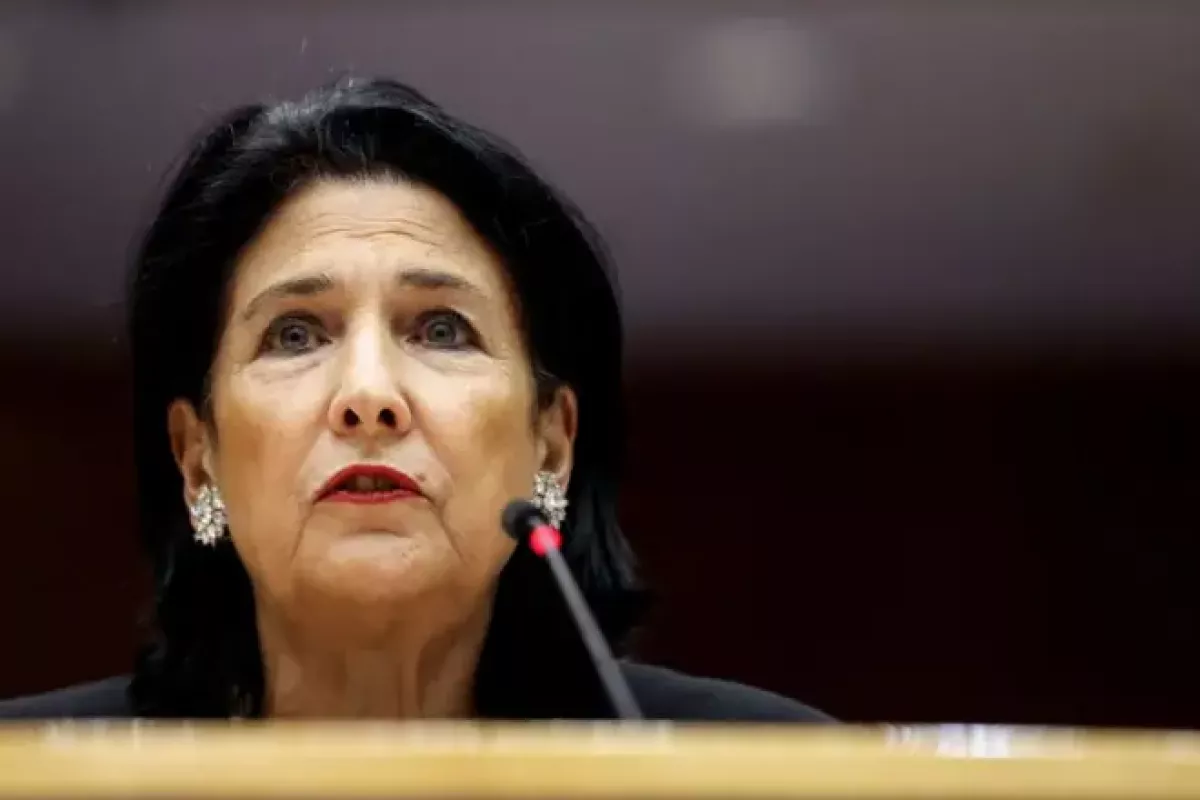
Former President Salome Zourabichvili appealed to leading international organisations — the Organisation for the Prohibition of Chemical Weapons (OPCW), the UN, and the Council of Europe’s human rights bodies — with a request to examine the possibility that chemical weapons were used during the rallies in November–December 2024.
However, the majority of Georgia’s population — including many opposition supporters — simply does not believe the BBC’s version, even though on social media they sometimes display “outrage at the regime’s brutality and treachery.” The situation almost completely mirrors the reaction of Donald Trump’s opponents to the BBC’s “anti-Trump” report. Many of them fully understood that the footage had been edited and that Trump’s statements were deliberately presented in a way designed to create grounds for accusing him of incitement to violence.
Yet even after the BBC acknowledged editing errors, virtually none of Trump’s critics voiced any claims against the media outlet. Trump’s opponents needed a convenient tool to fuel hostility toward him — and the BBC provided that tool. The corporation thus made its contribution to the campaign to discredit the U.S. presidential candidate, even though it ultimately failed to prevent his victory.
“It is very unfortunate that such a well-known media outlet as the BBC allows itself to broadcast completely unverified information and harm our country,” said Georgian President Mikheil Kavelashvili, commenting on the BBC report about the alleged use of chemical weapons. According to Kavelashvili, a synchronised attack on the Georgian authorities is underway from the opposition, NGOs, and Western media.
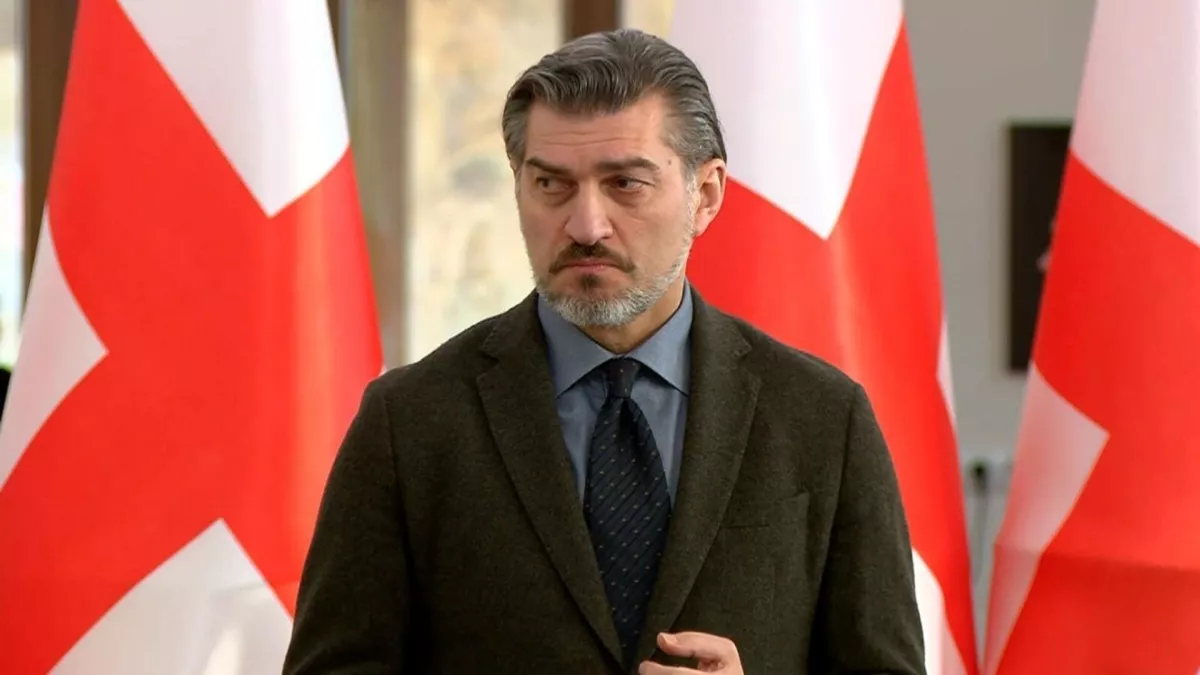
“The BBC made its film through Konstantine Chakhunashvili. Today, he says he never discussed that substance at all. Let's wait for the investigation. We are a responsible government. I call on law enforcement agencies to thoroughly investigate. It is worth asking who is behind these coordinated actions. How is it that media outlets, NGOs, and political parties speak in one voice, without waiting for facts, immediately attacking the state?” Mikheil Kavelashvili stated.
The BBC report against the current Georgian authorities — just like the BBC report against Donald Trump — appears to be openly “commissioned.” And the fact that one of the world’s leading media outlets is once again taking a step that puts its reputation at risk indicates that very powerful forces stand behind this new information attack on Georgian Dream. In essence, the Georgian authorities are being subjected to blackmail — with hints that, as once happened with Iraq under Saddam Hussein, unverified allegations of the use of chemical weapons could be employed against them. Let us recall that such claims served as the formal justification for the military operation against Iraq, although their groundlessness was later acknowledged by a journalistic investigation conducted by the BBC itself.
After the Western coalition’s operation, the overthrow and execution of Saddam Hussein, the BBC published a report titled “Iraq: The spies who fooled the world”, which noted, in particular: “The lies of two Iraqi spies were central to the claim - at the heart of the UK and US decision to go to war in Iraq - that Saddam Hussein had weapons of mass destruction. But even before the fighting started, intelligence from highly-placed sources was available suggesting he did not, Panorama has learned.”
In the end, no one was held accountable for the disinformation, because “the job had been done”: Iraq was captured by Western troops, Saddam Hussein’s regime fell, and the Iraqi leader himself was executed. It is possible that in the current situation, those who are organising information sabotage against Georgian Dream through unsubstantiated accusations of the use of chemical weapons likewise are expecting that the current Georgian authorities can either be overthrown or forced to capitulate to Brussels under pressure and blackmail.
If, however, the Georgian authorities manage to withstand the current information campaign and the version presented in the BBC “investigation” is proven to be inconsistent with reality, the corporation may try to justify itself by claiming that the report was prepared by the former management — the same leadership that had already discredited itself in the scandal involving Donald Trump — while the new management simply did not have enough time to properly verify it. In the end, as in the case with Trump, the BBC may attempt to limit itself to formal apologies.
By Vladimir Tskhvediani, Georgia, exclusively for Caliber.Az







 editor@caliber.az
 +994 55 444-88-98
 Азербайджан, Баку, ул. Низами, 203, Af Business House, 5-й этаж