










NATO–Azerbaijan: energy, security, and geopolitics Expert opinions on Caliber.Az
The North Atlantic Alliance is committed to further expanding cooperation with Azerbaijan and highly values the results achieved so far, according to the organisation’s communiqué following the visit of NATO Deputy Secretary General Radmila Šekerinska to Baku.
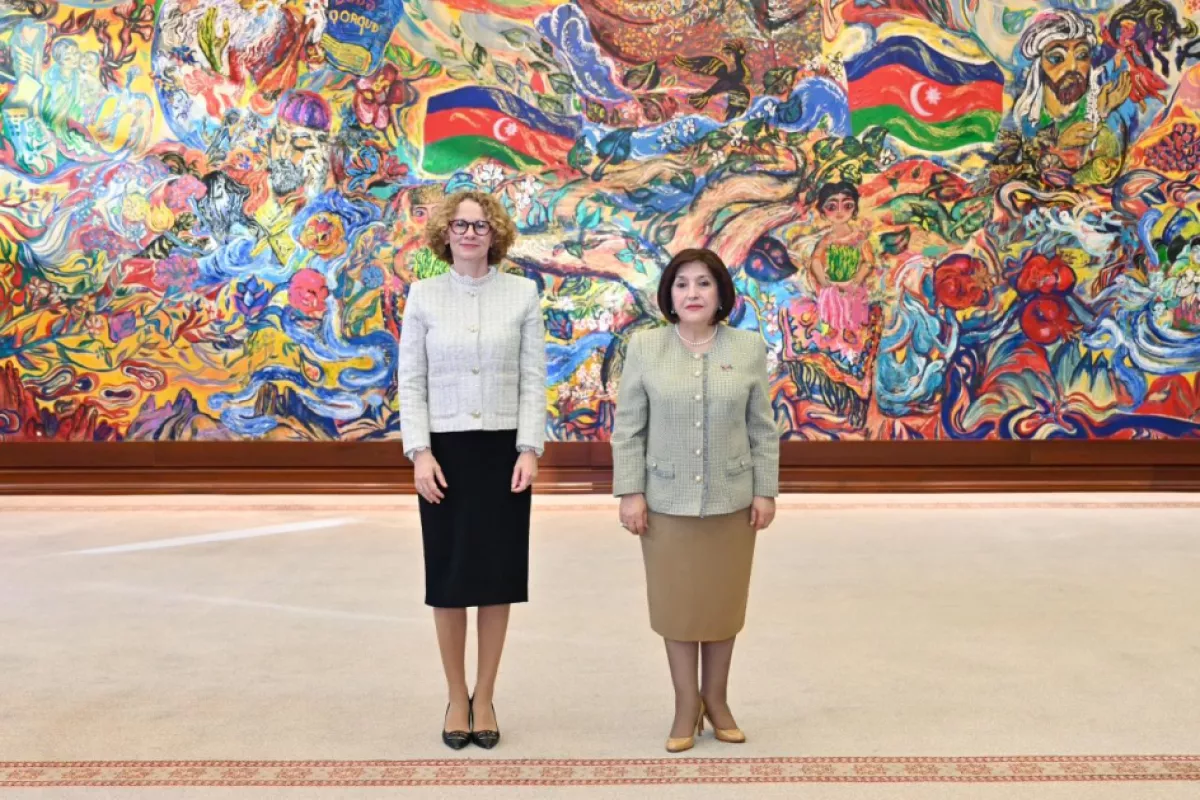
The statement also notes that during her visit to Azerbaijan on January 21–22, Šekerinska held a series of meetings, including with the Azerbaijani Foreign Minister Jeyhun Bayramov and the Speaker of the Milli Majlis (parliament), Sahiba Gafarova. These meetings reviewed the outcomes of Azerbaijan’s partnership with NATO and included an exchange of views on issues of mutual interest, including the role of the North Atlantic Alliance in supporting stability in the Black Sea region.
But what do Azerbaijani and foreign experts think about plans to deepen cooperation between the Alliance and Baku? Caliber.Az put this question to Azerbaijani and Austrian political analysts.
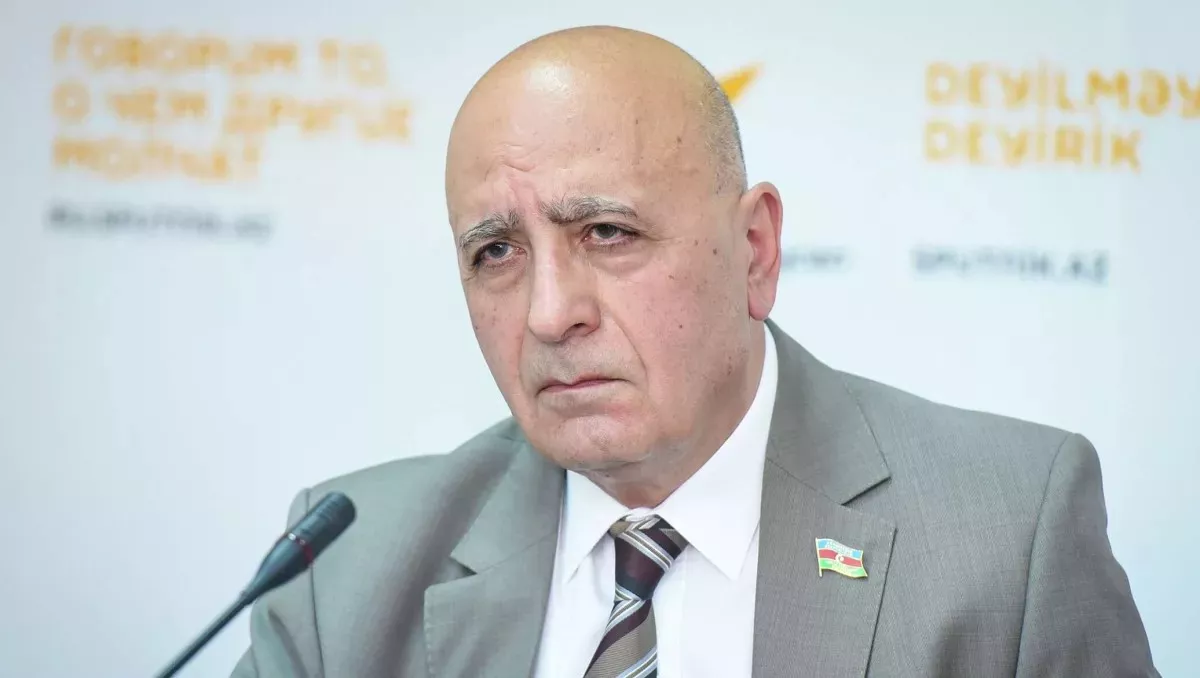
Azerbaijani MP and political analyst Rasim Musabayov emphasised that Azerbaijan and NATO have long maintained practical cooperation within the framework of several programmes.
“Baku and the North Atlantic Alliance have quite a wide range of areas for cooperation — including military education, countering cyber threats, and demining. At the same time, the Azerbaijani side is open to further partnership with this organisation, but has repeatedly stressed that it does not view membership as an objective,” he said.
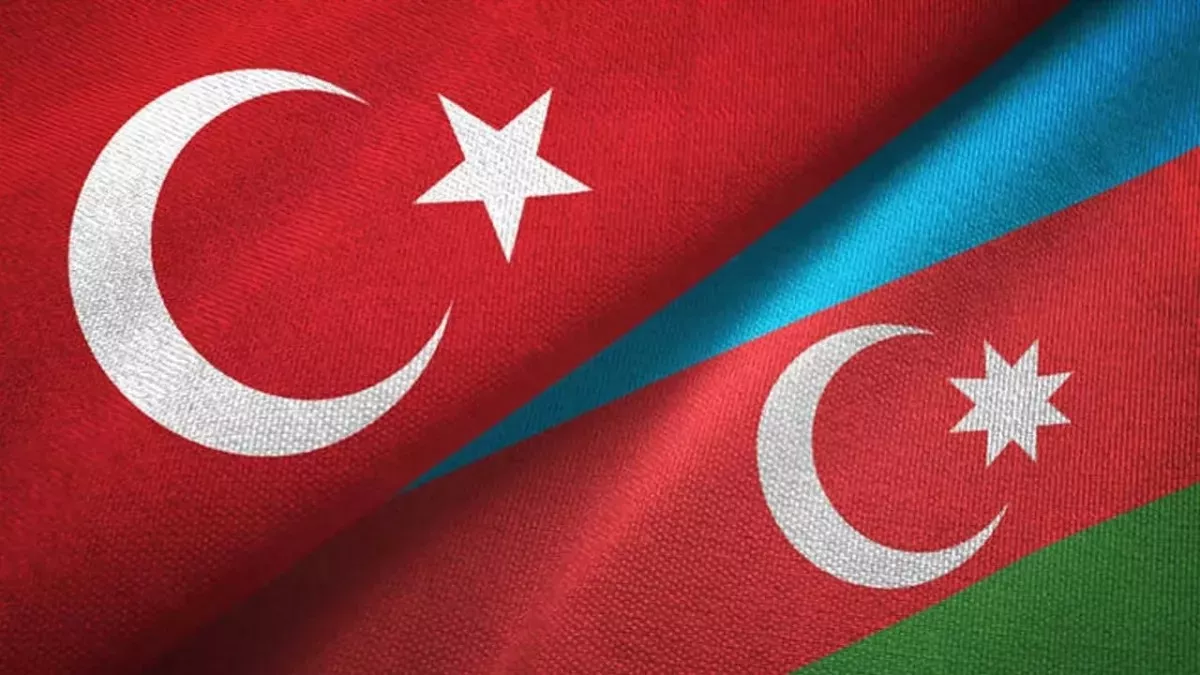
According to the expert, for Baku, partnership with this structure is primarily linked to relations with Türkiye:
“In effect, for Azerbaijan, partnership with NATO means an alliance with the Republic of Türkiye. In this direction, we have advanced so far in terms of strengthening ties, coordination, standardisation, and military interaction that it is difficult to find a comparable level of cooperation even among many Alliance member states. I do not see, for example, France and Italy conducting the same number of joint exercises across all branches of the armed forces as Azerbaijan and Türkiye do — ranging from the Internal Troops of Azerbaijan’s Ministry of Internal Affairs and the Turkish Gendarmerie to the air force, navy, and special forces units. A joint and unified command centre for military and air operations has already been established in Türkiye. In other words, the scale and depth of Azerbaijani–Turkish military cooperation are truly unique.”
Speaking about future plans, Musabayov stressed that Azerbaijan intends to continue along its chosen course:
“We will continue to develop this direction further. In parallel, Azerbaijan is strengthening military ties with Central Asian states, first and foremost Kazakhstan and Uzbekistan. This has already been announced, it is being implemented, and I believe it will continue to expand.”

According to Austrian analyst Rudolf Valeev, the emphasis on deepening cooperation between NATO and Baku at this particular moment is far from accidental.
“Azerbaijan has become an important zone of interest for both the United States and Europe, and each is seeking to outmanoeuvre the other. Whereas previously there was no talk of rivalry, today the Alliance is increasingly perceived as a European military structure, to which the United States is counterposing its own resources. Western unity has come to an end; a phase of competition between two major poles of power has begun, each with its own range of objectives. Washington’s interest in the South Caucasus is also pushing Europe into action, as it understands that it now needs to assert its own format of cooperation and engagement — otherwise it risks being left on the sidelines of regional processes.
The Old Continent seems to have only just awakened from a long slumber, having for several years stubbornly ignored Azerbaijani interests and Baku’s proposals for closer cooperation, adopting a peculiar and often openly pro-Armenian stance and limiting itself to empty declarations. However, the situation has now changed. In the text of the statement issued following the visit of Deputy Secretary General Radmila Šekerinska to Azerbaijan, we see that the North Atlantic Alliance emphasises its interest in and understanding of Baku’s importance as a strategic partner. For example, the conclusion that ‘gas exports have bolstered the energy independence of several NATO Allies, especially since Russia’s full-scale invasion of Ukraine,’ clearly demonstrates that Europe has revised its views on the significance of the Azerbaijani state and is ready to work on developing military cooperation with Baku,” Valeev concluded.







 editor@caliber.az
 +994 55 444-88-98
 Азербайджан, Баку, ул. Низами, 203, Af Business House, 5-й этаж