










NATO reset: key intrigues ahead of the Ankara summit Turkish experts speak to Caliber.Az
The current turbulence in global politics is reshaping the international agenda, and against this backdrop, the NATO summit scheduled to take place in Ankara in July can hardly be regarded as a routine event. According to analysts, the forum is expected to address issues of vital importance to the future of the military alliance.
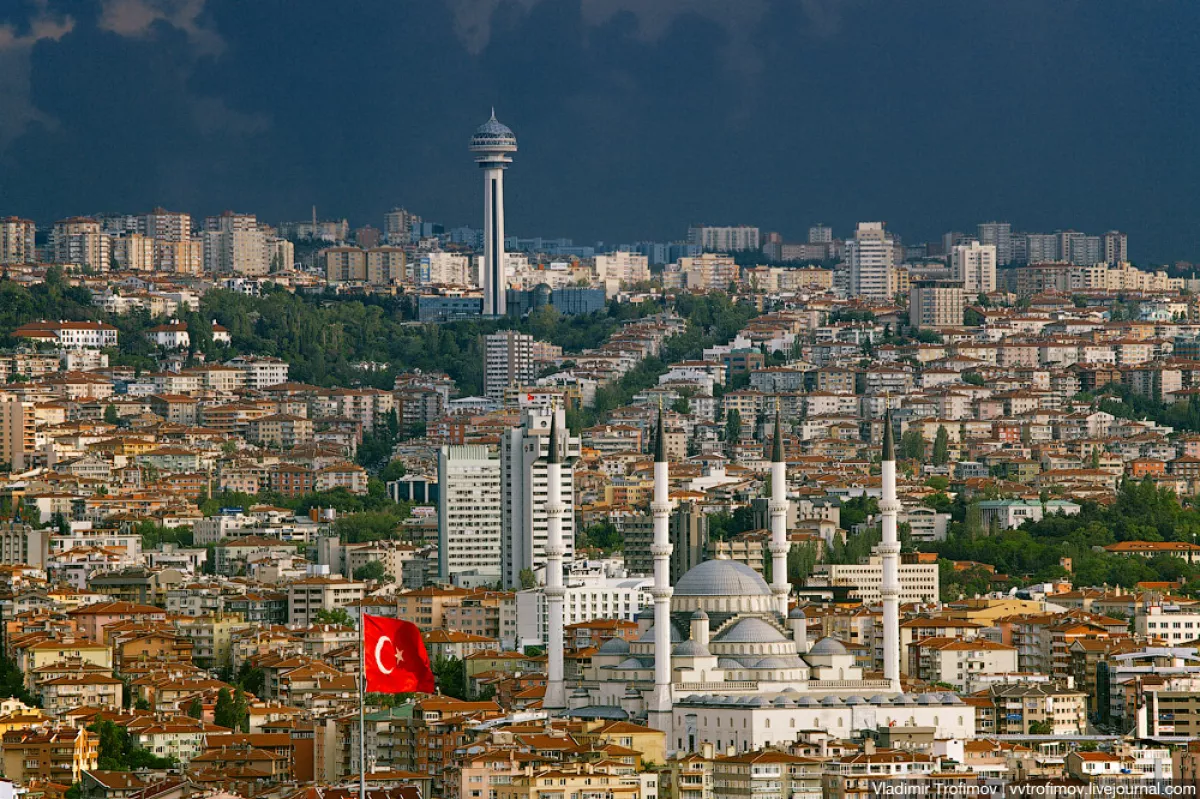
In this context, the choice of the Turkish capital as the venue is itself significant. Türkiye not only possesses NATO's second-largest military after the United States and occupies a strategic position at the crossroads of Europe, Asia and the Middle East, but also, under the Montreux Convention, serves as the natural regulator of military navigation through the strategically vital Bosphorus and Dardanelles straits. As a result, the Alliance's ability to monitor warships transiting between the Black Sea and the Mediterranean depends largely on Türkiye—a factor of considerable geopolitical importance.
Recent remarks by US President Donald Trump further underscore Ankara's growing significance. Speaking to journalists, Trump confirmed that he would attend the NATO summit "out of respect to President Erdogan."
"Erdoğan is a great leader, a very strong person, and a great military [...] He loves Turkey and he's doing a great job. He's a respected man, a respected leader, and he's been a friend of mine," Trump said.
The US President also indicated that he does not rule out supplying Türkiye with aircraft engines and F-35 fighter jets, emphasising that Türkiye remains a strong and valuable member of NATO.
So, which issues are likely to dominate the Alliance's agenda? Will the summit address reforms to NATO's structure—an issue that has become the subject of increasingly sharp debate between Brussels and Washington?
Turkish experts and political analysts share their views with Caliber.Az.
In particular, Göktuğ Çalışkan, an international relations expert at the Ankara-based ANKASAM Centre for Crisis and Policy Studies, believes that the key issues on the NATO summit agenda will be the reshaping of Europe's security architecture in light of the Russia–Ukraine war, as well as the situation in the Middle East.
"I also believe that discussions on the need to reform the Alliance will take place in Ankara, because burden-sharing, defence spending targets, and adapting NATO's command structure to hybrid threats are no longer issues that can be postponed. Pressure from the United States—particularly regarding defence budgets—combined with the reluctance of some European capitals, is turning the summit into something of a roll call. The agenda will also include the adoption of new commitments and strengthening the role of NATO's southern flank in defence planning," he said.
According to the expert, Türkiye's proposals will focus on three main areas: security, the defence industry, and political consultation mechanisms. In the field of security, Ankara will seek to make the fight against terrorism and illegal migration a central, rather than secondary, item on the Alliance's agenda. This approach also envisages a more comprehensive NATO presence across the belt stretching from Syria to Iraq.
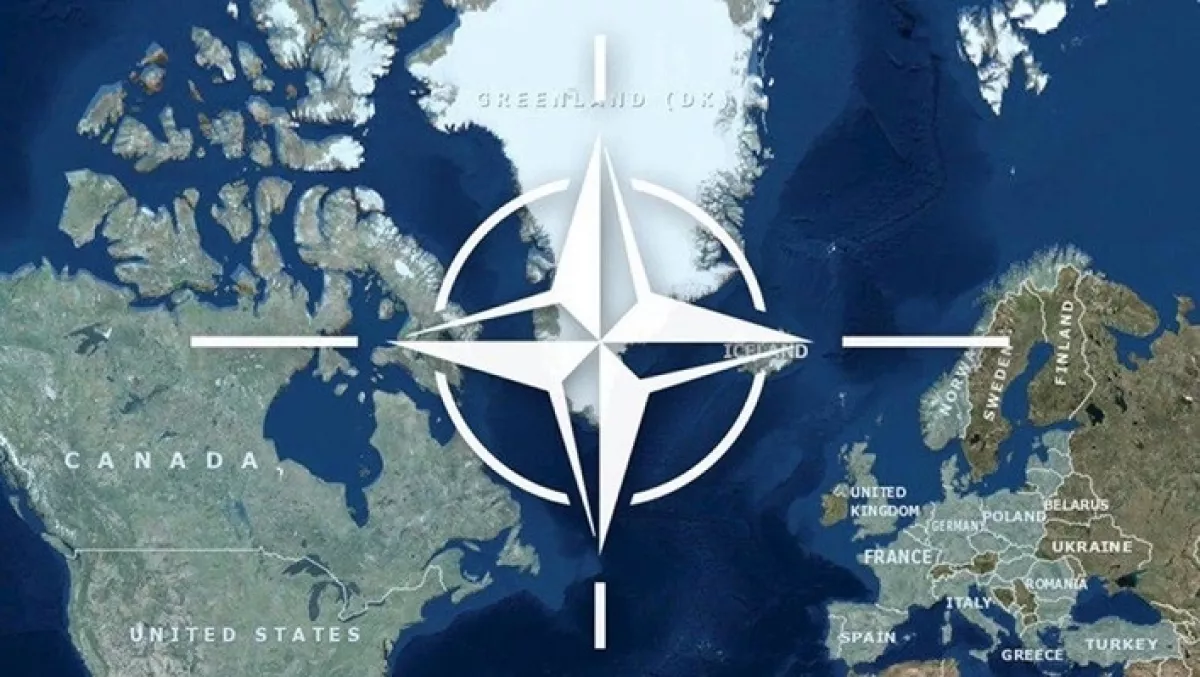
"In the defence industry, the focus is likely to shift towards technology transfer, joint production, and easing restrictive export regimes. Moreover, the Ankara summit will serve as a demonstration of Türkiye's efforts to position itself as a pivotal state not only geographically but also politically. Relations between Ankara and the Alliance, which were periodically called into question in the post-Cold War era, have now evolved into an indispensable strategic partnership on both NATO's eastern and southern flanks. Türkiye intends to leverage this position to gain greater influence over the Alliance's decision-making processes," he noted.
As for Donald Trump's participation in the summit and his agenda for the Alliance, the expert believes it has two main priorities. The first is to pressure European allies to increase their defence spending while reinforcing his image as the president of NATO's leading member state. The second concerns Iran and the broader situation in the Middle East, although, in this context, there is a strong possibility of sharp rhetoric and heightened confrontation.
"Overall, the Ankara summit presents both risks and opportunities for Turkish-American relations, which have experienced both highs and lows in recent years. If the two sides succeed in finding common ground on issues such as defence industry cooperation, regional security, and intra-NATO coordination, the forum could become one of the turning points in the 'managed normalisation' of bilateral relations," Göktuğ Çalışkan concluded.
For his part, political scientist and Professor at Kahramanmaraş Sütçü İmam University, Toğrul İsmayil, believes that the NATO summit in Ankara, if it indeed takes place with the participation of US President Donald Trump and the leaders of the Alliance's member states, will become one of the most significant political events of the year. In his view, its importance will be determined not only by security issues, but also by efforts to define a new model for NATO's functioning amid the ongoing transformation of the international system.
"Without question, the Ukraine crisis will be at the centre of the discussions. Despite growing fatigue in several European countries over the prolonged conflict, the issue of continued support for Kyiv remains a key priority for the Alliance. However, NATO members differ considerably in their approaches. European countries advocate maintaining the current level of support for Ukraine, whereas the Trump administration favours seeking a political and diplomatic solution as quickly as possible while redistributing the financial burden among the Allies.
Another major issue will be NATO's future. Both Europe and the United States are now actively debating the need to reform the Alliance's structure. This is not so much about formally amending NATO's founding framework as it is about redistributing responsibilities between North America and the European members of the bloc. During his first presidential term, Donald Trump repeatedly called on NATO allies to increase their defence spending and assume a fairer share of the collective security burden, and the American side is likely to raise these issues once again in Ankara," he stressed.
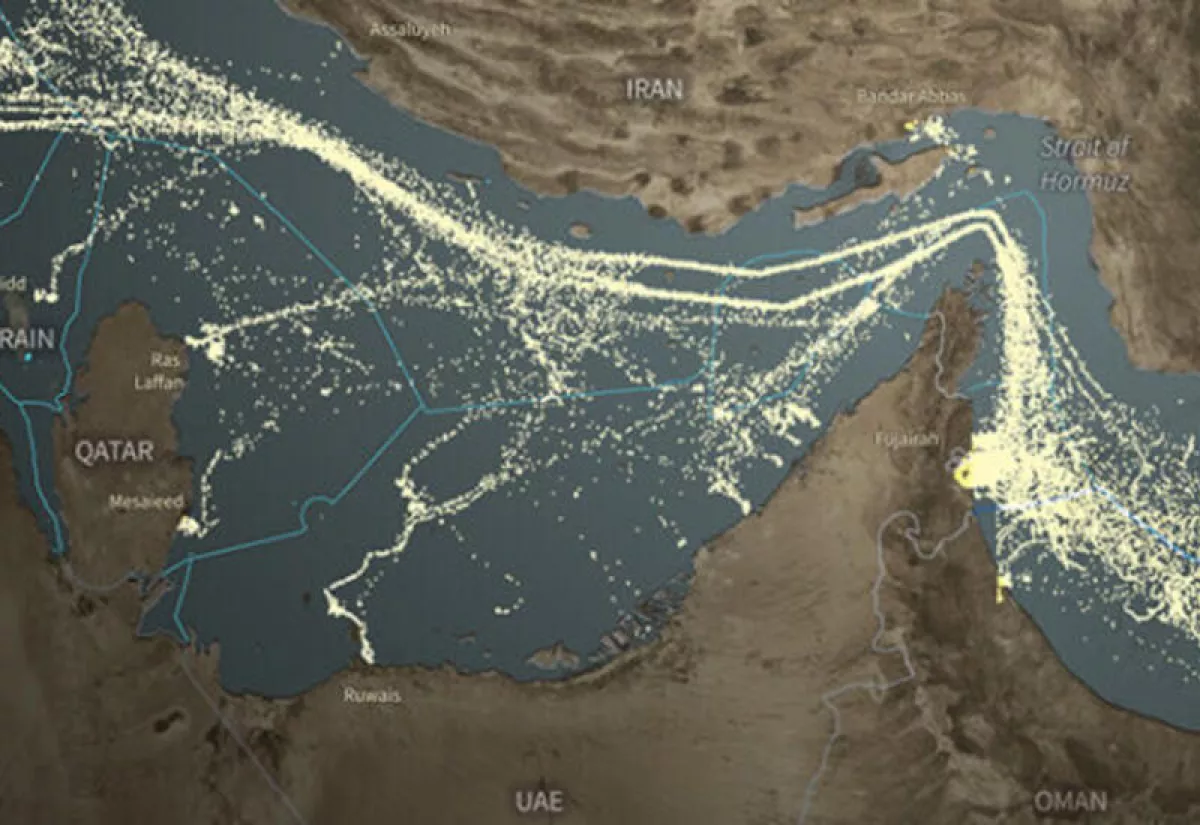
According to the political scientist, the situation in the Middle East will be no less important, as the region's continuing instability, along with challenges related to maritime security and energy supplies, directly affects the interests of all NATO members. In this context, Türkiye's role as the Alliance's only member state maintaining direct ties with virtually all the key regional actors is becoming increasingly significant.
"Against this backdrop, Türkiye may present a number of initiatives at the summit aimed at strengthening regional stability, while continuing to prioritise diplomatic mechanisms for conflict resolution. Ankara will also seek to reinforce its position as a mediator between the various centres of power. It is reasonable to expect that Türkiye will advocate a comprehensive approach to security, encompassing not only military issues but also political, energy and humanitarian dimensions. I also believe that Ankara will place particular emphasis on counterterrorism, as this remains one of the principal benchmarks by which Türkiye assesses allied relations within NATO.
As for Donald Trump, his participation could lend additional political weight to the summit. Since the US President has traditionally viewed NATO through the prism of efficiency and the financial responsibilities of its members, his main proposals are likely to focus on increasing defence spending by the Alliance's European members, streamlining NATO's military structures, and strengthening Europe's contribution to its own security.
Taken together, the Ankara summit could become a platform where three major strategic issues are addressed simultaneously: the Ukraine crisis, NATO reform, and the development of a new security architecture for the Middle East. As for Türkiye, I would emphasise that hosting such a summit in the country's capital carries not only foreign policy significance but also considerable symbolic value, as Ankara is seeking to consolidate its status as one of Eurasia's leading diplomatic hubs.
In recent years, Türkiye has repeatedly served as a venue for negotiations on some of the world's most complex international crises—from the Russia–Ukraine conflict to developments in the Middle East. In this respect, the NATO summit will provide further evidence that Türkiye is not merely an important member of the Alliance, but also an independent centre of regional and global diplomacy," Toğrul İsmayil concluded.







 editor@caliber.az
 +994 55 444-88-98
 Азербайджан, Баку, ул. Низами, 203, Af Business House, 5-й этаж