










Panzer Brigade 45 and NATO’s eastern flank New realities at Belarus’s borders
The military escalation at Belarus’s borders now involves not only Poland and the Baltic states but also Germany.
Unclear claims
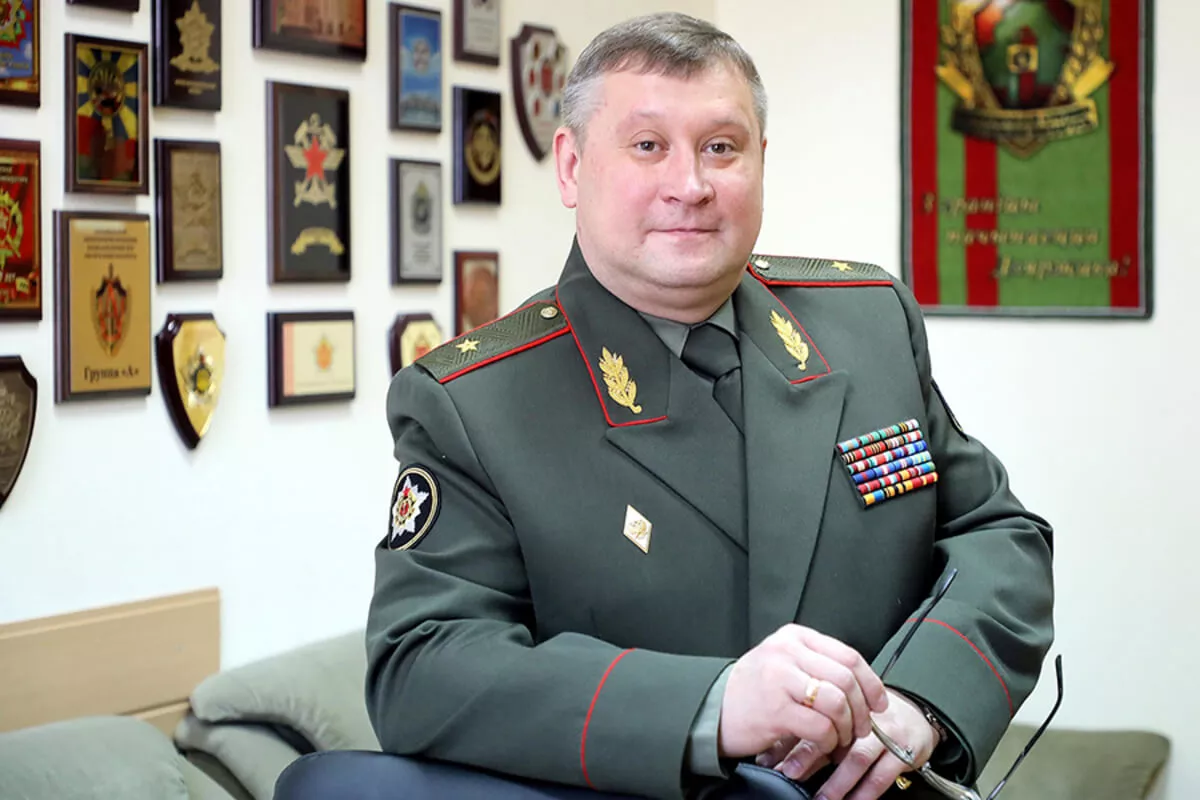
On December 9, in an interview with the BELTA agency, Chief of the General Staff — First Deputy Minister of Defence of Belarus Pavel Muraveiko stated: "If we compare the situation to June 1941, it is probably even more complex now. Because countries have grown significantly in terms of economy and intellect, and their weapons and military technology have advanced considerably. Today, the factors that influenced the situation in 1941 are no longer dominant. Now, mutual unclear claims prevail, and sanctions policies are in effect, which will not lead to anything good in the near future. The West is, in fact, preparing for war."
Primarily, it is the Polish army that is building up its strike group near the Belarusian borders. For 2026, the Sejm has approved an unprecedented military budget. Spending on the armed forces will total 200 billion zlotys ($56 billion), or 4.81% of Poland’s GDP. This is being done at the expense of social spending, including programs for the future of young Poles. For instance, funding for science and higher education will be almost 200 times less than military spending, amounting to only 1 billion zlotys ($280 million). At the same time, Poland’s national debt has risen to 55–58% of GDP.
However, despite Warsaw’s efforts, Lithuania has become the NATO leader in military spending: in 2026, its defence budget will reach 5.38% of GDP. On December 9, a state of emergency was declared in Lithuania. The formal reason was the flights of balloons carrying cheap cigarettes from Belarus for Lithuanian smugglers.
At the same time, Germany is increasingly involved in the militarisation of the region. Since April 2025, the Bundeswehr’s 45th Heavy Tank Brigade (Panzerbrigade 45) has been deployed in Lithuania. The official Bundeswehr website emphasises that, for the first time since World War II, Germany is permanently stationing its troops abroad, with the German flag now flying over Vilnius.
NATO command has placed Lithuania under Germany’s area of responsibility.
Panzerbrigade’s Drang nach Osten
The forward units of the so-called “Lithuanian Brigade” are already stationed in Rukla and Rūdninkai, while the headquarters units, a signal company, and a hospital are located in the Vilnius area.
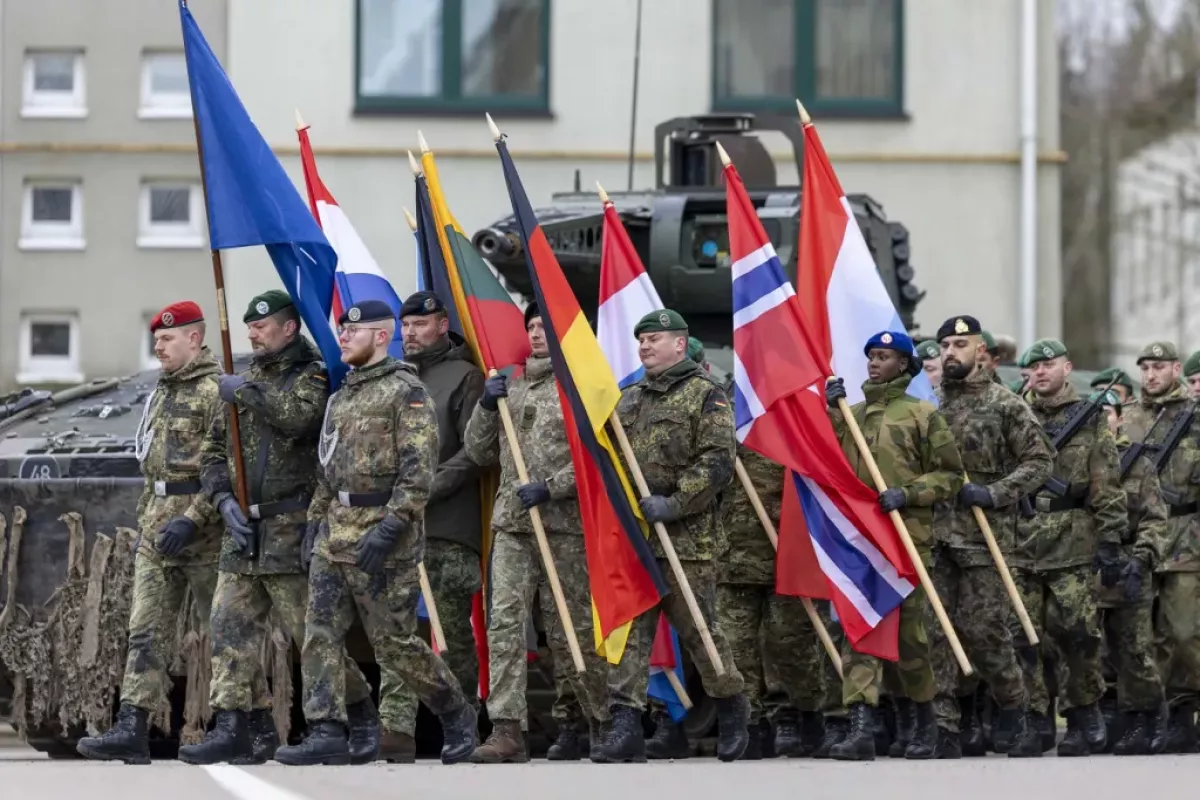
Rukla is located in central Lithuania, from where troops can be rapidly deployed both to the Belarusian border and to Russia’s Kaliningrad region. Since 2017, Rukla — previously the site of a Soviet Airborne Forces training centre — has hosted a NATO battalion tactical group of the enhanced forward presence, numbering up to 1,600 personnel. Currently, this multinational battle group “Lithuania” is also being placed under the command of the 45th Brigade.
Since 2023, new infrastructure worth around €300 million has been under construction in Rukla for German forces and the Lithuanian “Iron Wolf” Brigade.
Since 2022, construction has begun on a new military base on the site of an abandoned Soviet training ground in Rūdninkai. Plans also include housing and social infrastructure for the families of German soldiers. The total cost of the project is estimated at up to €1.1 billion. Initially, the funding was intended to be a joint Lithuanian-German effort, but significant disagreements later emerged between the partners.
The standard strength of the “Lithuanian Brigade” is 4,800 military personnel and around 200 civilian staff. Its arsenal includes about 2,000 pieces of military equipment, including the latest Leopard 2A7 tanks (203rd Tank Battalion) and Puma infantry fighting vehicles (122nd Tank-Grenadier Battalion). Since spring 2025, the 45th Tank Brigade has already begun training exercises.
In addition, plans are underway to establish a new training range near Kapčiamiestis, right on the Belarusian border. However, local residents are far from enthusiastic about another act of regional militarisation: the construction of the range would entail deforestation, reduced tourism appeal, and the loss of local sources of income. Residents have already collected signatures and have stated their readiness to protest if the project proceeds.
The main part of Panzerbrigade 45 — up to 4,000 troops — is planned to be stationed in Rūdninkai, just 16 kilometres from the Belarusian border. This clearly indicates the priority direction for the use of the German tank brigade. Full deployment of the Bundeswehr’s “Lithuanian Brigade” is scheduled for 2027.
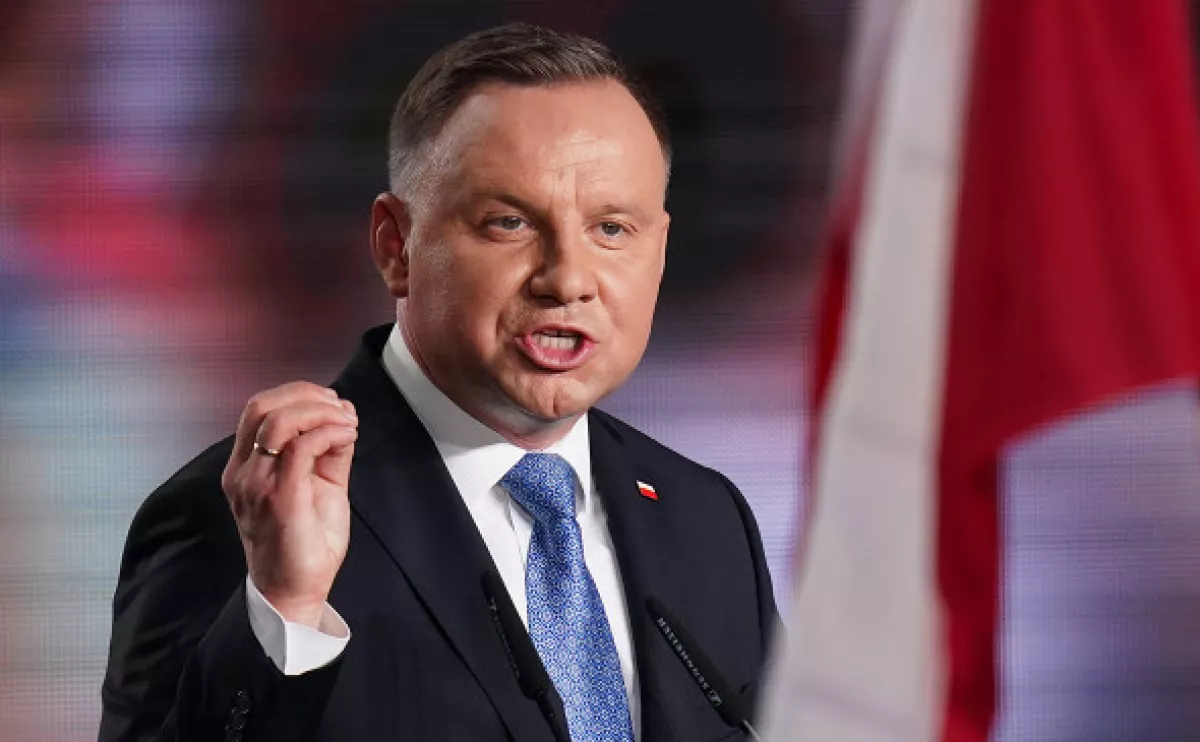
It is telling that there was a sort of competition between Germany and Poland over the stationing of troops in Lithuania. In June 2023, former Polish President Andrzej Duda promised his Lithuanian counterpart, Gitanas Nausėda, that Polish troops would be stationed in Lithuania, including on a permanent basis.
Shortly afterwards, during a visit to Lithuania, German Defence Minister Boris Pistorius announced the creation of the 45th Tank Brigade.
Ready for revenge?
In addition to Lithuania, German troops are increasingly being deployed in Poland today. Meanwhile, Poles have traditionally had a particular sensitivity to the presence of the German army on their soil. As early as 2014, the chairman of the Law and Justice party, Jarosław Kaczyński, stated that at least seven generations must pass before a German soldier would be allowed to set foot on Polish soil.
However, after the outbreak of the conflict between Russia and Ukraine, such a scenario became quite possible. In 2022, when the German ambassador in Warsaw, Arndt Freytag von Loringhoven, asked about the likelihood of stationing German troops in Poland, the answer was negative.
The situation changed after the liberal government of Donald Tusk came to power in January 2024. At that time, Poland’s Deputy Foreign Minister Andrzej Szejna stated that German soldiers would be welcome guests in the country and described Jarosław Kaczyński’s position as “anti-European.” In February 2024, Poland’s Foreign Minister Radosław Sikorski articulated an even more nuanced view, suggesting that Germany’s contribution to Poland’s defence could be seen as a form of reparations for World War II.
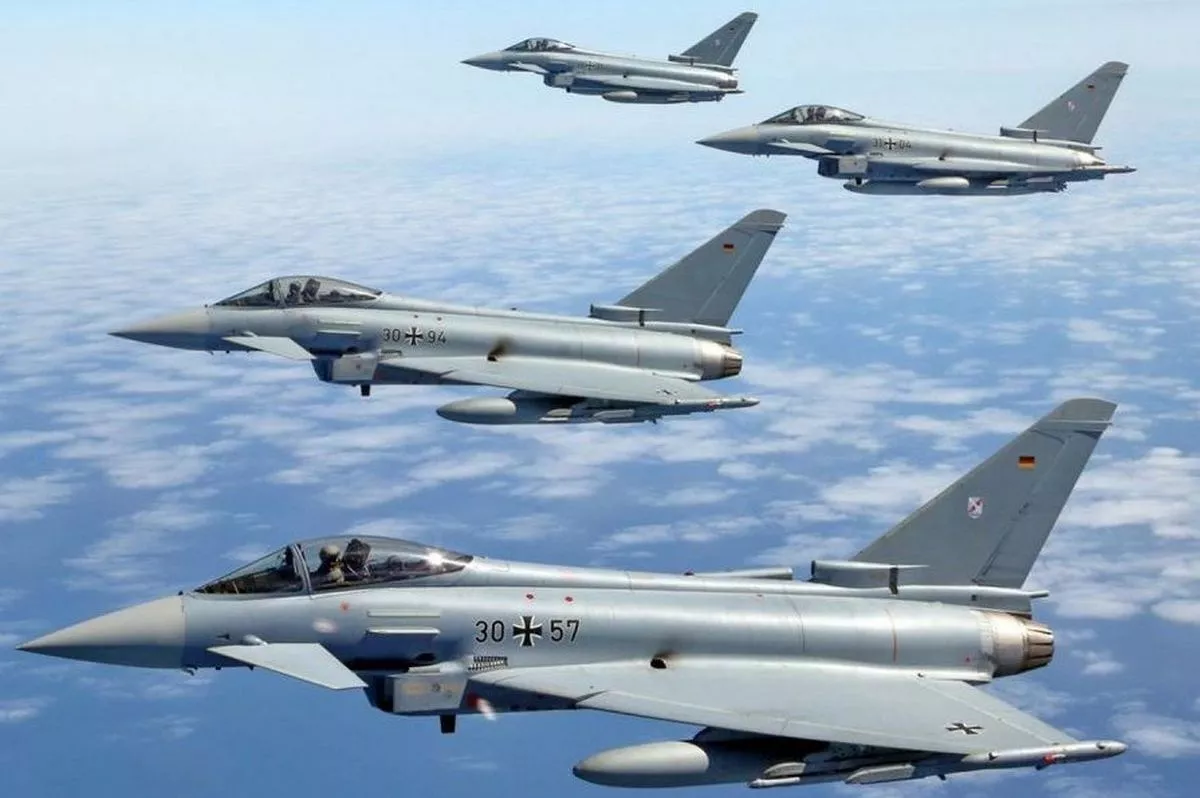
On December 6, 2025, four German Air Force Eurofighter Typhoon fighter jets from the Quick Reaction Alert (QRA) unit, along with around 150 German military personnel, were deployed to Malbork Air Base in Poland. The combat deployment was carried out under extremely tight timelines and was completed in just six weeks instead of the originally planned six months.
On December 10, during a visit by German Parliamentary State Secretary Nils Schmid and Polish Ministry of Defence State Secretary Paweł Zalewski to the German contingent in Poland, it was announced that the Bundeswehr would send its engineering units to the country.
As part of Operation East Shield, German engineers and sappers will conduct “reconnaissance work,” dig trenches, install barbed wire, and build anti-tank obstacles along the borders with Belarus and Russia. At the same time, Poland and Lithuania have recently withdrawn from the international convention banning the use of anti-personnel mines. Poland has already begun their domestic production and intends to mine the entire border with Belarus in the near future.
German fortification units plan to begin their work in April 2026, with the mission’s deployment scheduled to continue until 2027. According to the German Ministry of Defence, the mission will involve “several dozen” personnel; some sources specify around 50 soldiers. The mission does not require parliamentary approval because Poland is officially not considered a conflict zone, and the lives and health of the troops are, allegedly, not at risk—despite simultaneous claims of an alleged “threat” from Belarus and Russia.
Meanwhile, Poland has more than enough of its own military-engineering units and civilian construction contractors to carry out such work. This activity may be merely a pretext for the gradual introduction of German ground forces into the country. Available information suggests that their potential deployment centre would be the town of Włodawa in the Lublin Voivodeship, located right on the border with Belarus and Ukraine. This heavily forested area regularly hosts exercises for practising “partisan” and counter-partisan operations.
“To be worthy of war…”
The overwhelming majority of Polish and Lithuanian media, as well as politicians, either approve of the German army’s deployment or remain silent. So far, only a few voices have expressed objections.
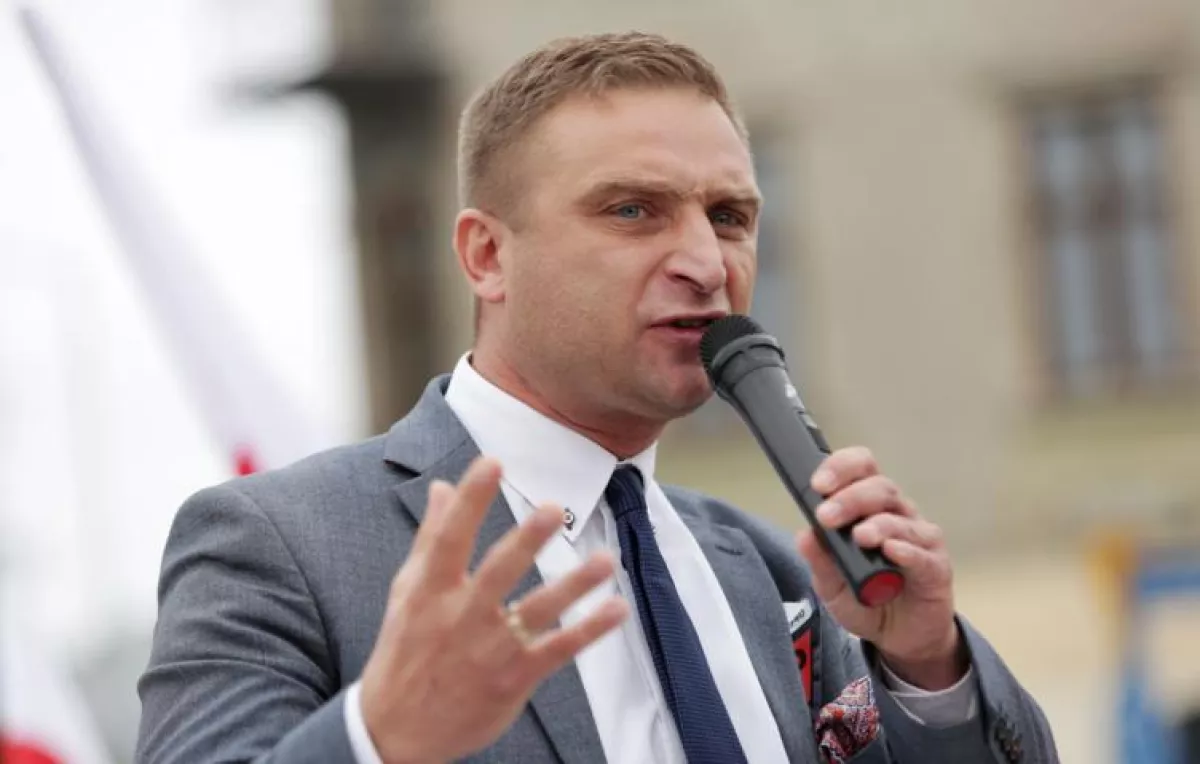
For example, the leader of the right-wing populist Border Defence Movement and organiser of the “Independence March,” Robert Bąkiewicz, stated: "This is a scandal. German soldiers should be guarding Polish borders. This is unacceptable!"
On the website of the ultra-nationalist Confederation of the Polish Crown party, there were also calls to clarify who exactly authorised German troops to cross into Poland, along with appeals to defend national sovereignty.
Previously, Jarosław Kaczyński had called the current Prime Minister Donald Tusk a “German agent.” Today, however, there is a growing view that, following the rise to power of Tusk’s liberal coalition, Germany is accelerating the establishment of political and military influence over Poland, and the presence of a German military contingent in the region is seen as one element of expanding its influence over neighbouring states.
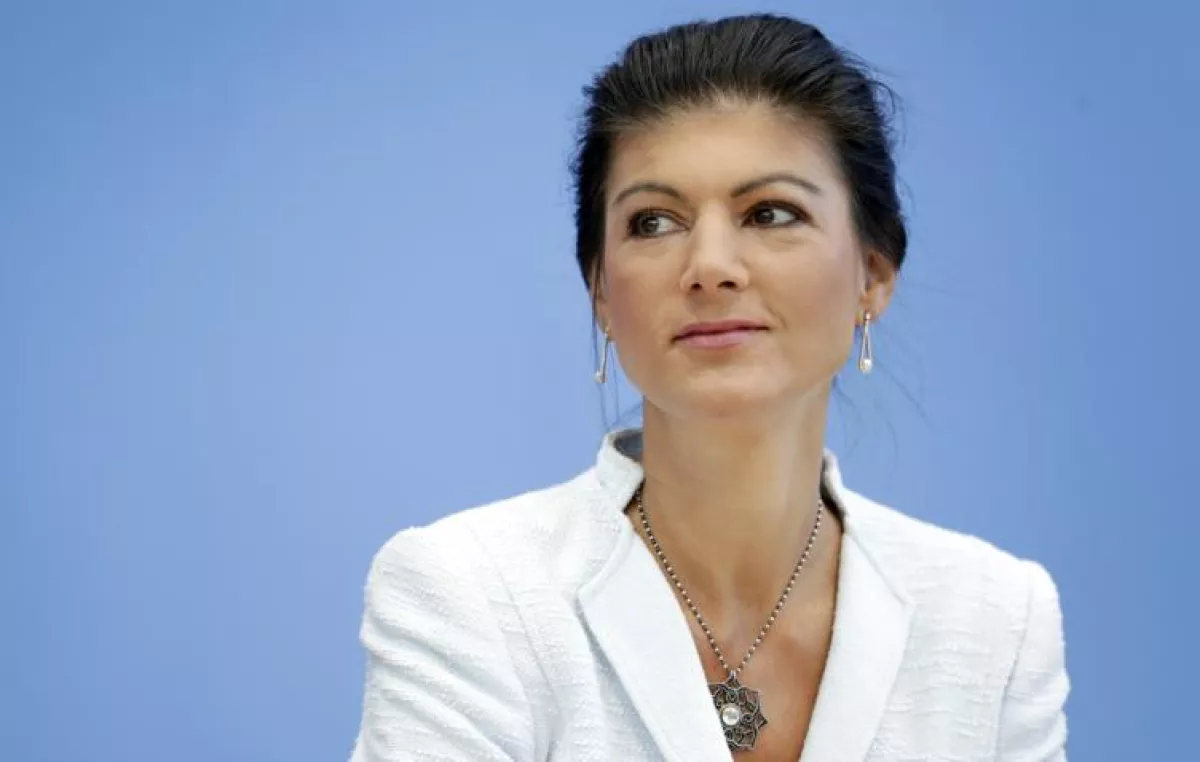
Within Germany itself, opposition to the growing militarisation comes from left-wing politician Sahra Wagenknecht and her eponymous party. On October 29, Wagenknecht wrote on her Facebook page: "The Bundeswehr has published an alarming propaganda video on its Instagram. Its main figure is the new army commander, Christian Freuding, who visited NATO’s eastern flank in Lithuania. He calls on the German tank brigade stationed there to be ‘worthy of war’ and to ‘know how to win when the time comes.’ All of this is set to battle music and the torch-lit aesthetics of the darkest times…"
Recently, German NATO General Christian Badia also stated that NATO is “not a defensive alliance” and that the Alliance must “go on the offensive.”
Indeed, the sinister propaganda video, featuring German tanks, Gothic shields, and torchlit imagery, inevitably evokes the iconography of National Socialist Germany.
Notably, representatives of both the Green Party and the Left Party (Die Linke) have also recently spoken out against the introduction of universal conscription.
In Belarus, the scale of the threat posed by the deployment of NATO strike groupings along its borders is being assessed soberly, and what are described as absurd claims about an alleged threat emanating from Belarusian territory are being consistently rejected.
At the same time, the Armed Forces of Belarus are prepared to deliver a firm response to any encroachments on the republic’s sovereignty. Chief of the General Staff Pavel Muraveiko emphasised: "And before launching an attack on our country, everyone will think carefully about what the response might be. In military history, there is such a term as a ‘Pyrrhic victory.’ That is, one may win. The question is—what will you be left with afterwards…"







 editor@caliber.az
 +994 55 444-88-98
 Азербайджан, Баку, ул. Низами, 203, Af Business House, 5-й этаж